Easy Juicy Oven Pork Roast (Simple Homemade Method, Quebec-Style)
Oven pork roast is a reliable, all-season main dish you can make when you want something warm, simple, and satisfying without spending the whole day in the kitchen. A well-seasoned roast cooks gently until juicy, then rests before slicing—perfect for a Sunday dinner, a family supper, or leftovers that turn into great lunches all week.
Quick definition
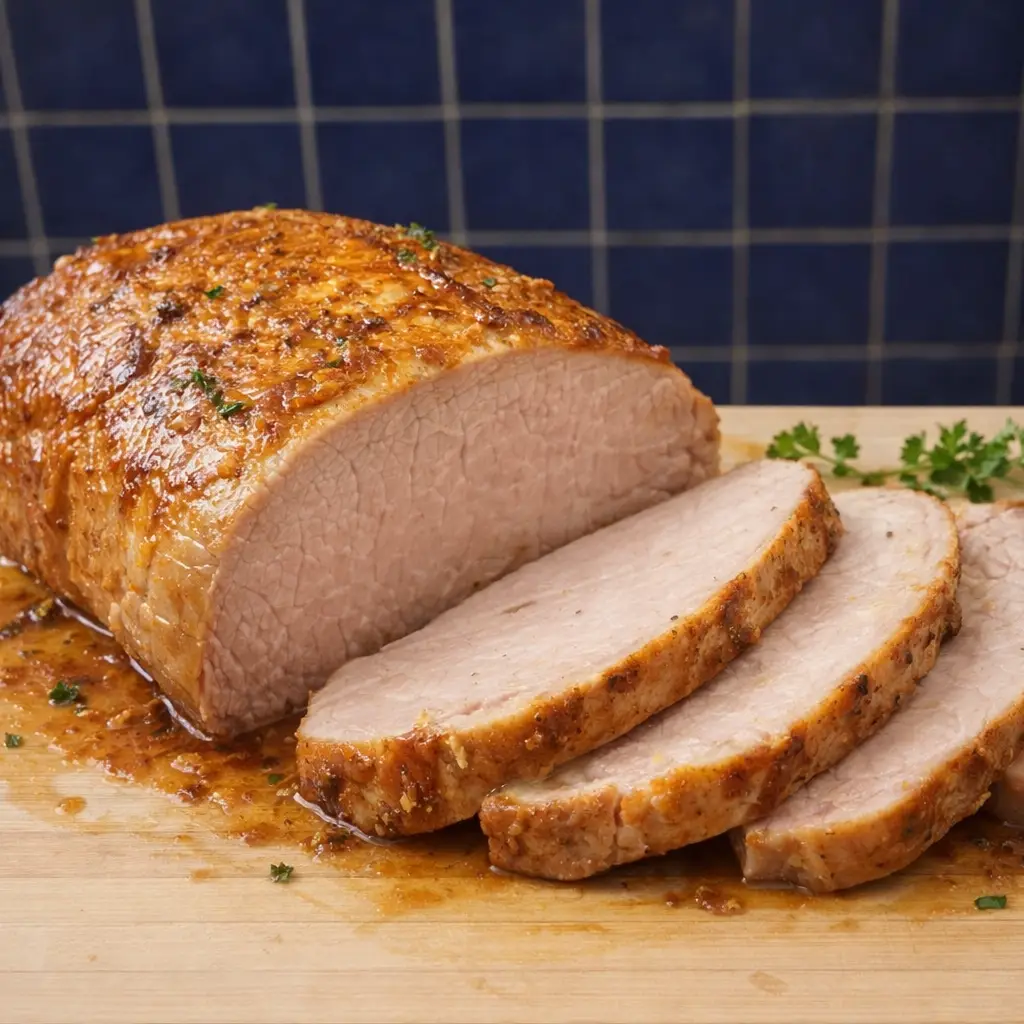
An oven pork roast is a cut of pork cooked slowly in the oven until tender and juicy, then sliced after a short rest. What makes this one different is the focus on internal temperature + resting (instead of guessing by time), a simple seasoning that works with everyday groceries, and an easy pan-juice method you can serve as-is or quickly thicken. It’s ideal when you want a cozy, budget-friendly dinner that fits year-round.
Why this pork roast is different from similar recipes
The intent here is easy, juicy, and dependable—not creamy, not complex, not “special occasion.” It’s designed for the reality of weeknights and home ovens, while still being nice enough for company.
- Not a showpiece like pork Wellington
- Not a long braise like rustic pork stew with carrots and lentils
- Not a BBQ-style cook like maple BBQ pork ribs
This is the “no-stress roast” you can repeat anytime, with predictable results.

Choosing the right cut (this changes everything)
You’ll usually see two common options in Canada and the USA:
Pork loin roast (leaner)
- Slices nicely
- Can dry out if overcooked
- Needs temperature control and proper resting
Pork shoulder / pork butt (more forgiving)
- More marbling, more forgiving
- Still excellent sliced if cooked to the right temperature
- Can also be taken higher for shredding (different intent)
For this recipe, you’re aiming for a sliceable, juicy roast, not pulled pork. If you buy shoulder, you’re simply choosing a safer cut for tenderness—especially if you’re cooking for a crowd.

Ingredients (simple, easy to find)
For the pork roast
- Pork roast (loin roast or shoulder/pork butt)
- Onion
- Garlic
- Neutral oil (or a bit of butter)
- Salt and black pepper
- Dried thyme (or your favorite herb)
- Broth (or water)
Optional flavor boost (recommended)
- Dijon mustard
- Maple syrup (subtle, not sweet—more aroma than sugar)
- Paprika (optional)
If you like straightforward, weeknight-friendly flavors in general, the technique behind homemade beurre manié is useful for finishing pan juices into a quick sauce without complicating the roast.

Step-by-step: easy juicy oven pork roast
1) Bring the roast closer to room temperature (briefly)
Take the roast out of the fridge 20–30 minutes before cooking. You’re not trying to “warm it up,” just reducing the temperature shock so the roast cooks more evenly.
2) Dry the surface (don’t skip this)
Pat the pork dry with paper towel. This helps browning and keeps the seasoning from sliding off.
3) Season simply—but fully
Season generously with salt, pepper, and thyme.
Optional Quebec-style twist: lightly brush with Dijon mustard and a small touch of maple syrup. The point is not to make it sweet—it’s to add a gentle, aromatic glaze that plays well with pork. If you enjoy maple-forward roasts in general, you’ll probably also like maple roast chicken for a similar comfort-food vibe.

4) Sear… or skip it (the honest truth)
Searing gives deeper flavor and a better crust, but this recipe still works if you want a “straight-to-oven” version.
- If you have 10 extra minutes: sear 3–4 minutes per side in a hot pan with oil.
- If you want simplest: place it directly into the baking dish and roast.
If you do sear, keep it about color—not cooking the inside. The oven finishes the job.

5) Build the roasting dish (your built-in pan sauce)
In a roasting dish:
- Add sliced onion and lightly crushed garlic
- Pour in broth (or water)
- Place the pork on top of the onion-garlic bed
This does three things:
- Protects the underside from drying out
- Creates flavorful pan juices
- Sets you up for an easy sauce without extra work

6) Roast to temperature, not time (the key to juicy pork)
The biggest mistake with pork roast is cooking “by time” and leaving it longer “just to be safe.” That’s exactly how you get dry pork.
Use internal temperature:
- Juicy sliceable pork: pull the roast at 145°F in the center
- Resting will bring it up slightly, and the meat stays juicy
Time depends on thickness and cut, but a practical guide is:
- Pork loin roast: often 45–75 minutes
- Shoulder/pork butt (sliceable): often 70–110 minutes
Don’t guess—verify.

7) Resting is mandatory
When the roast comes out:
- Tent loosely with foil
- Rest 10–15 minutes before slicing
Resting lets juices redistribute. Slice too early and you’ll watch the moisture run out onto the cutting board.
8) Turn pan juices into a quick sauce (optional, but worth it)
You have two easy options:
Option A: Serve the pan juices as-is
Strain (or don’t), spoon over slices, done.
Option B: Reduce and lightly thicken
- Pour juices into a small pot
- Simmer 3–5 minutes to concentrate flavor
- If you want it slightly thicker, whisk in a small knob of beurre manié (soft butter mixed with flour). The method is explained in beurre manié and it’s one of the most useful sauce tricks to keep in your pocket.
Health / nutrition context (no hype)
Pork roast is protein-rich and filling, and this version isn’t built on cream or heavy cheese. How “light” the meal feels depends on what you serve with it—roasted vegetables and a simple starch keep it balanced, while richer sides turn it into full comfort food.
Substitutions and variations
- Pork loin vs shoulder: loin needs stricter temperature control; shoulder is more forgiving
- Broth: water works, just season confidently
- Thyme: rosemary, sage, or herbes de Provence all work
- Mustard: Dijon, grainy mustard, or even a mild yellow mustard in a pinch
- Maple syrup: honey works, but maple gives that subtle Canadian edge
If you want a completely different pork direction (more dramatic, more layered), pork Wellington is the “company dinner” version of pork.
FAQ
What internal temperature keeps pork roast juicy?
For a sliceable roast, aim for 145°F in the center, then rest 10–15 minutes. That’s the simplest way to avoid dryness.
Can I prep the roast in advance?
Yes. Season the pork the night before and keep it covered in the fridge. The next day, take it out 20–30 minutes before roasting.
Can I cook it covered?
Yes—covered roasting reduces moisture loss. If you want more browning, uncover for the last 15–20 minutes.
How long will leftovers keep?
3–4 days in the fridge. Reheat gently with a spoon of pan juices so it stays moist.
Can I use this method for pulled pork?
That’s a different intent. For shreddable pork, you cook shoulder much longer to a much higher internal temperature (typically around 195–205°F). This recipe is for juicy slices, not pulled pork.
What to serve with oven pork roast (and suggested posts)
A pork roast loves simple sides. Choose one starchy side and one vegetable side, then add something bright or acidic if you want contrast.
- Homemade mashed potatoes for a classic, comforting plate
- Traditional gratin dauphinois recipe when you want something richer
- Rice pilaf for a lighter, fluffy starch
- Oven roasted mixed vegetables for an easy, flexible side (great year-round)
- Classic French onion soup for a winter comfort-food pairing
- Homemade poutine recipe when you want a true Canada-style comfort meal (pork slices work surprisingly well here)
For other pork mains with a different vibe:
- Rustic pork stew with carrots and lentils (cozy braise style)
- Maple BBQ pork ribs (BBQ comfort, great in summer)
- Pork Wellington (special occasion, impressive presentation)

Easy Juicy Oven Pork Roast (Simple Homemade Method, Quebec-Style)
Ingredients
- 2.5 –3 lb pork roast pork loin roast or pork shoulder/pork butt
- 1 tbsp neutral oil or butter
- 1 large onion sliced
- 3 garlic cloves lightly crushed
- 1 cup chicken broth or water
- 2 tsp salt adjust to roast size
- 1 tsp black pepper
- 1 tsp dried thyme
Optional maple-mustard finish
- 1 tbsp Dijon mustard
- 1 tbsp maple syrup
- 1/2 tsp paprika optional
Instructions
- Preheat oven to 350°F. Pat pork dry with paper towel.
- Season with salt, pepper, and thyme. Optional: brush lightly with Dijon mustard and maple syrup (add paprika if using).
- Optional sear: Heat oil in a skillet over medium-high heat and sear pork 3–4 minutes per side until browned.
- In a roasting dish, add onion and garlic. Pour in broth. Place pork on top.
- Roast until the center reaches 145°F (use a thermometer; time varies by cut and thickness).
- Remove from oven, tent loosely with foil, and rest 10–15 minutes.
- Slice against the grain. Spoon pan juices over the pork. Optional: simmer juices 3–5 minutes to reduce, and thicken lightly if desired.
Notes
Substitutions and variations
- Pork loin vs shoulder: loin needs stricter temperature control; shoulder is more forgiving
- Broth: water works, just season confidently
- Thyme: rosemary, sage, or herbes de Provence all work
- Mustard: Dijon, grainy mustard, or even a mild yellow mustard in a pinch
- Maple syrup: honey works, but maple gives that subtle Canadian edge
FAQ
What internal temperature keeps pork roast juicy?
For a sliceable roast, aim for 145°F in the center, then rest 10–15 minutes. That’s the simplest way to avoid dryness.Can I prep the roast in advance?
Yes. Season the pork the night before and keep it covered in the fridge. The next day, take it out 20–30 minutes before roasting.Can I cook it covered?
Yes—covered roasting reduces moisture loss. If you want more browning, uncover for the last 15–20 minutes.How long will leftovers keep?
3–4 days in the fridge. Reheat gently with a spoon of pan juices so it stays moist.Can I use this method for pulled pork?
That’s a different intent. For shreddable pork, you cook shoulder much longer to a much higher internal temperature (typically around 195–205°F). This recipe is for juicy slices, not pulled pork.Useful Links
🛒 Michel Dumas Shop : Explore our kitchen essentials, including aprons and knives.
🌐 Linktree : Access all our important links in one place.
📱 YouTube | Instagram | Facebook | TikTok : Follow us for the latest recipes and culinary tips.