Oven or Slow Cooker BBQ Pulled Pork (Juicy, Saucy, and Easy)
BBQ pulled pork is slow-cooked pork that becomes tender enough to shred, then gets tossed in a bold barbecue sauce for sandwiches, sliders, tacos, bowls, or meal prep. What makes this version different is the “two-phase” sauce approach (some early, most at the end) plus a quick finish step for deeper flavor—perfect for game day, weekend batch cooking, or a simple weeknight dinner with leftovers.
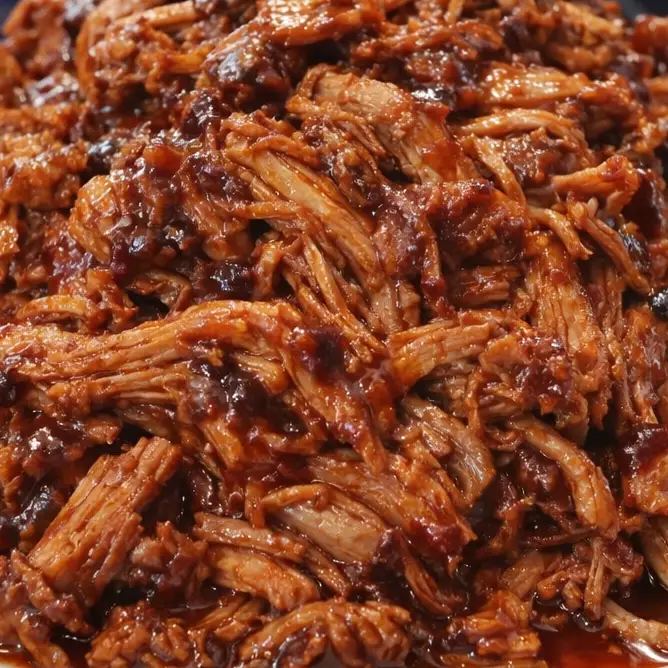
This recipe is based on my YouTube video, with a few adjustments since publication: a slightly more balanced spice rub, a better moisture strategy (braising liquid + foil), and a smarter sauce timing so the pork stays juicy while still tasting deeply BBQ.
What this BBQ pulled pork is—and when to make it
This is a classic shredded pork shoulder cooked low and slow until it collapses, then mixed with barbecue sauce. It’s not sliceable like a roast; it’s meant to be pulled into strands and piled high. Make it when you want a crowd-pleaser that feeds a lot of people with minimal active cooking.
This pulled pork is all about shreddable texture and saucy BBQ flavor. It’s different from a roast you carve into slices like oven pork roast or a bistro-style roast like perfect pork rack roast with pan jus and roasted vegetables. It’s also a different vibe than sticky ribs like maple BBQ pork ribs—ribs are about bark + bite, while pulled pork is about melt + shred.
A quick note on nutrition
Pulled pork is naturally protein-rich and satisfying. If you want it a bit lighter, you can trim big exterior fat, chill leftovers and lift off the solidified fat, and serve it with veggie-heavy sides like oven roasted mixed vegetables or a crunchy slaw.

Best cut of pork for pulled pork
Use pork shoulder: either pork butt/Boston butt or picnic shoulder.
- Boneless pork butt (recommended): easy to handle, great marbling, shreds beautifully.
- Bone-in pork butt: even better flavor and moisture insurance; add ~30–60 minutes cook time.
- Picnic shoulder: works well, slightly more connective tissue; still excellent once fully tender.
Avoid pork loin—too lean, it dries out and won’t shred the same way.
Flavor strategy
- Dry rub = seasoning in every bite. Salt + brown sugar + paprika + a little heat gives that classic BBQ backbone.
- Low-and-slow + covered cook = tenderness. You’re breaking down collagen into gelatin.
- Sauce timing = juicy AND bold. A little sauce early builds flavor; most sauce at the end stays bright and sticky.
- Finish step = deeper BBQ taste. A short uncovered bake (or a reduce-on-stovetop step) tightens the texture and intensifies flavor.

Ingredients overview
- Brown sugar + paprika: classic BBQ sweetness and color.
- Garlic + onion powder: savory base without burning.
- Mustard: acts like glue for the rub and adds tang (you won’t taste “mustard,” just balance).
- Apple cider vinegar: wakes up the pork and keeps it from tasting flat.
- BBQ sauce: use your favorite; adjust sweetness and heat at the end.
If you like making sauces from scratch, a homemade base like easy homemade ketchup can be a fun starting point for your own BBQ sauce style.
Step-by-step instructions (Oven OR Slow Cooker)
Step 1 — Dry the pork and prep the rub
- Pat the pork shoulder dry with paper towels.
- Trim only excess exterior fat (leave some—fat = flavor + moisture).
- In a bowl, mix your dry rub (brown sugar, paprika, salt, pepper, garlic powder, onion powder, chili powder/cayenne if using).

Step 2 — Mustard coat + rub
- Rub the pork all over with a thin layer of yellow mustard.
- Coat generously with the dry rub, pressing it in.
- Optional but great: refrigerate uncovered 2–12 hours for better seasoning and bark.
Step 3 — Choose your cooking method
Method A: Oven BBQ Pulled Pork (best “bark”)
Temperature: 300°F
Time: 3.5–5 hours (depending on size)
- Heat oven to 300°F.
- Place sliced onions (optional) in the bottom of a Dutch oven or roasting pan.
- Put pork on top (fat cap up if it has one).
- Add braising liquid: apple cider vinegar + a splash of water (or a little broth). You want moisture in the pan, not a soup.
- Cover tightly (lid or foil).
- Bake 3.5–5 hours, until the pork is extremely tender and a fork twists easily.
- Rest covered 20–30 minutes.
Finish step (recommended):
- Uncover and brush a light layer of BBQ sauce over the top.
- Bake uncovered 15–25 minutes to deepen color and concentrate flavor.
Method B: Slow Cooker BBQ Pulled Pork (set-and-forget)
Time: 8–10 hours on LOW or 5–6 hours on HIGH
- Add sliced onions to the slow cooker (optional).
- Add pork.
- Pour in apple cider vinegar + a splash of water/broth.
- Cook until the pork shreds easily with a fork.
- Transfer pork to a tray or bowl to shred.
- Optional but excellent: pour cooking liquid into a saucepan and simmer 8–12 minutes to reduce (more flavor, less watery pork).
Finish step (recommended):
- Toss pork with some reduced liquid + BBQ sauce.
- Spread on a sheet pan and broil 2–4 minutes to create crispy edges (watch closely).

Step 4 — Shred properly (the best texture trick)
- Remove any large fat pockets and the bone (if bone-in).
- Shred with two forks (or gloved hands) into medium strands.
- Don’t over-shred into mush—some texture is the goal.
Step 5 — Sauce it the right way (so it doesn’t get watery)
- Start by mixing in a little BBQ sauce + a little reduced cooking liquid (or pan juices).
- Taste.
- Add more sauce gradually until it’s juicy and flavorful without turning soupy.
How to serve BBQ pulled pork (year-round)
Pulled pork is one of those rare dishes that works in every season:
- Summer: with slaw and cold salads.
- Fall/Winter: with potatoes, rice, and cozy sides.
- Weeknights: rice bowls or quick sandwiches.
- Game day: sliders and trays.
For sandwiches, a sturdy bun matters. Try serving it with a bun from homemade hamburger with brioche buns and add a creamy spread like homemade mayonnaise mixed with a little vinegar or BBQ sauce.

Substitutions
- Pork shoulder: pork butt/Boston butt or picnic shoulder. Avoid loin.
- Yellow mustard: mayo (thin layer) or a neutral oil if you must.
- Apple cider vinegar: white vinegar + a tiny pinch of sugar, or even lemon juice in a pinch.
- Brown sugar: maple sugar, or reduce sugar slightly if your BBQ sauce is very sweet.
- Spice level: add cayenne, chipotle powder, or hot sauce at the end.
- BBQ sauce: any store-bought works; adjust with vinegar (for tang), a pinch of salt (for punch), or a spoon of ketchup (for body) like easy homemade ketchup.

FAQ
How do I know when pulled pork is done?
When it’s truly done, it doesn’t “slice”—it collapses. A fork should twist easily, and the meat should shred with almost no resistance.
What internal temperature should I aim for?
Use tenderness as the real test, but pulled pork typically becomes shreddable around 195–205°F internal. If it’s at 190°F and still tight, keep cooking.
Why is my pulled pork dry?
Usually one of these:
- cooked too hot/too fast
- not enough covered time
- didn’t rest before shredding
- sauced too early and the sauce reduced into dryness
Fix: add a little pan juice/reduced liquid, then sauce again.
Can I make it ahead?
Yes—pulled pork is even better the next day. Store the meat with some juices to keep it moist, then reheat gently.
How do I reheat without drying it out?
Reheat covered in the oven at 300°F with a splash of juices/water, or in a pan with a few tablespoons of liquid. Add fresh BBQ sauce at the end.
Can I freeze BBQ pulled pork?
Absolutely. Freeze in portions with a bit of sauce/juices. Thaw overnight in the fridge and reheat gently.
Should I sear the pork first?
Not required, but it adds flavor. If you have time, sear 2–3 minutes per side before slow cooking. The recipe still works without it.
What to serve with BBQ pulled pork (Suggested posts)
Pick one crunchy, one starchy, and one fresh side and you’re set:
- Crunchy/bright: traditional Quebec cabbage salad recipe
- Cold side: cold cheese tortellini salad
- Veggie side: oven roasted mixed vegetables
- Potatoes: air fryer roasted potatoes
- Rice: rice pilaf fluffy stovetop pilaf
If you’re building a full comfort-food spread, you can follow pulled pork with something sweet like red velvet cake moist easy classic or a simple fruit dessert like red wine poached pears.

Oven or Slow Cooker BBQ Pulled Pork (Juicy, Saucy, and Easy)
Ingredients
- 4 –5 lb pork shoulder pork butt/Boston butt, boneless or bone-in
- 2 tbsp yellow mustard
- 1/2 Tasse brown sugar packed
- 2 tbsp paprika
- 1 tbsp kosher salt
- 2 tsp black pepper
- 2 tsp garlic powder
- 2 tsp onion powder
- 1 tsp chili powder optional
- 1/4 –1/2 tsp cayenne optional
- 1/3 Tasse apple cider vinegar
- 1/3 Tasse water or broth
- 1 to 1 1/2 Tasses BBQ sauce plus more to serve
- 1 onion sliced (optional)
Instructions
Oven Method
- Heat oven to 300°F. Pat pork dry.
- Mix brown sugar, paprika, salt, pepper, garlic powder, onion powder, chili powder, and cayenne.
- Rub pork with mustard, then coat generously with dry rub. Optional: chill 2–12 hours.
- Add sliced onion to a Dutch oven/roaster (optional). Place pork on top. Add vinegar + water/broth. Cover tightly.
- Bake 3.5–5 hours, until fork-tender and shreddable. Rest covered 20–30 minutes.
- Uncover, brush a light layer of BBQ sauce, and bake uncovered 15–25 minutes for deeper flavor.
- Shred pork, discarding large fat pockets/bone. Toss with pan juices (as needed) and BBQ sauce until juicy, not soupy.
Slow Cooker Method
- Add onion (optional) and pork to slow cooker. Add vinegar + water/broth.
- Cook 8–10 hours on LOW (or 5–6 hours on HIGH) until shreddable.
- Remove pork and shred. Optional: reduce cooking liquid in a saucepan 8–12 minutes.
- Toss pork with reduced liquid (as needed) and BBQ sauce. Optional: broil 2–4 minutes on a sheet pan for crispy edges.
Video
Notes
Substitutions
- Pork shoulder: pork butt/Boston butt or picnic shoulder. Avoid loin.
- Yellow mustard: mayo (thin layer) or a neutral oil if you must.
- Apple cider vinegar: white vinegar + a tiny pinch of sugar, or even lemon juice in a pinch.
- Brown sugar: maple sugar, or reduce sugar slightly if your BBQ sauce is very sweet.
- Spice level: add cayenne, chipotle powder, or hot sauce at the end.
- BBQ sauce: any store-bought works; adjust with vinegar (for tang), a pinch of salt (for punch), or a spoon of ketchup (for body) like easy homemade ketchup.
FAQ
How do I know when pulled pork is done?
When it’s truly done, it doesn’t “slice”—it collapses. A fork should twist easily, and the meat should shred with almost no resistance.What internal temperature should I aim for?
Use tenderness as the real test, but pulled pork typically becomes shreddable around 195–205°F internal. If it’s at 190°F and still tight, keep cooking.Why is my pulled pork dry?
Usually one of these:- cooked too hot/too fast
- not enough covered time
- didn’t rest before shredding
- sauced too early and the sauce reduced into dryness
Fix: add a little pan juice/reduced liquid, then sauce again.
Can I make it ahead?
Yes—pulled pork is even better the next day. Store the meat with some juices to keep it moist, then reheat gently.How do I reheat without drying it out?
Reheat covered in the oven at 300°F with a splash of juices/water, or in a pan with a few tablespoons of liquid. Add fresh BBQ sauce at the end.Can I freeze BBQ pulled pork?
Absolutely. Freeze in portions with a bit of sauce/juices. Thaw overnight in the fridge and reheat gently.Should I sear the pork first?
Not required, but it adds flavor. If you have time, sear 2–3 minutes per side before slow cooking. The recipe still works without it.Useful Links
🛒 Michel Dumas Shop : Explore our kitchen essentials, including aprons and knives.
🌐 Linktree : Access all our important links in one place.
📱 YouTube | Instagram | Facebook | TikTok : Follow us for the latest recipes and culinary tips.