Homemade Pâté with Foie Gras, Armagnac and Smoked Pork Belly
This homemade pâté with foie gras is a rich French-style terrine made with pork shoulder, Armagnac, smoked pork belly and a generous layer of duck foie gras through the middle. I make it this way because the mix of fine pork farce and thin pork strips gives the slice more character than a smooth mousse, while the foie gras melts into the centre instead of disappearing completely into the meat. The mistake to avoid is treating this like a casual meatloaf: the seasoning, temperature, chilling time and slicing all matter if you want a clean, festive pâté that holds together.
This recipe is based on my YouTube video, with a few adjustments since publication. The original video keeps the spirit of the recipe, but for a written version that people can reproduce at home, I prefer to give clearer weights, a safer internal temperature and more precise notes on curing salt. A pâté like this is not complicated, but it does ask for patience.
A pâté with foie gras is a cold sliced terrine, usually served as a starter with bread, pickles, salad or small marinated vegetables. This version is different from a quick liver mousse because it has texture, visible pieces of pork, a centre layer of foie gras and a smoky accent from the pork belly. I would make this for Christmas, New Year’s, a holiday buffet, or any dinner where the first course needs to feel generous without needing last-minute cooking.

What Makes This Recipe Different
This is not a smooth spread like my chicken liver mousse. It is closer to an old-school terrine, with two pork textures working together. Half the pork is cut into strips, lightly seasoned and blanched. The other half becomes a fine farce that binds everything together.
I like that contrast. When you cut the pâté cold, you see the pieces of pork, the pale line of foie gras and the darker smoked belly. It looks more festive than a simple pork pâté, and it eats better too. The bite is rich, but not completely heavy, because the lanières give the slice some chew.
This also sits apart from pork rillettes or rabbit rillettes with duck fat. Rillettes are shredded and spreadable. This recipe is sliced, chilled and served like a proper terrine.
The important adjustment is cooking it to a reliable internal temperature. In a restaurant kitchen, a chef may aim lower for texture, but for a home recipe with pork that is cut, mixed and packed into a mold, I prefer to cook the centre to 160°F. The pâté will still be rich and moist because of the pork fat, foie gras and overnight rest.
Ingredients You Need
For the pork, use pork shoulder or pork butt. If you can find échine de porc, that is perfect because it has enough fat to stay moist. Lean pork loin will make the pâté dry and crumbly. The fat is not optional here, it is part of the structure.
The foie gras should be raw duck foie gras, cut into thick slices. You do not need to use the most perfect-looking lobe for this, because it goes inside the terrine, but it should smell clean and fresh. What I look for here is a firm but creamy texture, not something grey, wet or oxidized.
Smoked pork belly adds a salty, smoky layer. If your smoked belly is very salty, use a little less salt in the pork mixture. Thick-cut smoked bacon can work if that is what you have, but avoid sweet breakfast bacon that is too thin and sugary.
Armagnac is the natural choice with foie gras. It gives warmth without making the pâté taste boozy. You only need a small amount. Too much liquid makes the farce loose and can create gaps in the slice.
For seasoning, I use salt, pepper, garlic powder, a little mushroom powder or mushroom extract, and a touch of mustard. The mushroom note is not meant to take over. It just makes the pork taste deeper.
About curing salt: the video mentions nitrite, but for a public recipe I would not write a casual “1 g nitrite” instruction. That can be misunderstood. If you use curing salt #1, follow the exact dosage on the package for the total meat weight and never use pure sodium nitrite. If you are unsure, leave it out. The pâté will be less pink, but the recipe will still work.
Step-by-Step Instructions
1. Divide and cut the pork
Start with about 4 1/2 lb pork shoulder. Trim only the rough parts, not all the fat. Split the pork into two equal portions.
Cut the first half into thin strips. They do not need to be perfect, but they should be thin enough to slice cleanly later. Think small lanières, not big stew cubes. Put those strips in a bowl.
Cut the second half into smaller chunks for the grinder or food processor. This part will become the fine farce, so pieces around 1 inch are easier to process evenly.
2. Season the pork strips
Season the pork strips with half the salt, half the pepper, the garlic powder and a splash of Armagnac. Mix by hand until the meat feels slightly tacky and the seasoning is evenly distributed.
Cover and refrigerate for about 2 hours. This short rest helps season the pork all the way through and gives the finished slice more flavour.
3. Make the fine farce
Grind or process the second half of the pork until you get a fine, sticky farce. If using a food processor, pulse in batches and keep the meat cold. Do not let the machine run until the pork gets warm.
Season the farce with the remaining salt, remaining pepper, mushroom powder, mustard and another splash of Armagnac. Mix well. At this point, it should look smooth, sticky and slightly glossy. That sticky texture is what helps bind the pâté.
If you are making other pork dishes soon, this is a very different technique from searing meat for French-style pork chops or braising a pork and carrot stew. Here, you are building a cold charcuterie texture, not browning meat for a sauce.
4. Blanch the pork strips
Put the seasoned pork strips in a pot and cover with cold water. Bring just to a boil, then simmer for about 2 minutes. Drain well and let the strips cool completely.
This step is a little unusual, but it works. It firms the strips and gives the pâté a cleaner texture. The mistake to avoid is boiling them hard for too long. If they cook like soup meat, they will become tough and dry inside the terrine.
5. Mix the farce and strips
Once the strips are cold, mix them into the fine farce. Use your hand or a sturdy spatula and turn the mixture until the strips are evenly spread through the farce.
The mixture should feel dense and cold. If it feels loose or wet, refrigerate it for 15 to 20 minutes before assembling the terrine. Cold meat packs better and keeps the fat from melting too early.
6. Prepare the terrine mold
Use one large 2.5 to 3 quart terrine mold, or two smaller loaf-style molds. Lay kitchen string across the bottom and up the sides, leaving enough overhang to help lift the pâté after chilling.
You can also line the mold with parchment if your mold tends to stick. I like the string method because it helps unmold the terrine without needing to heat the mold over the stove.
7. Layer the pâté, foie gras and smoked pork belly
Pack a first layer of pork mixture into the bottom of the mold. Press into the corners and remove air pockets. Add thick slices of foie gras down the centre. Press gently so the foie gras sits inside the pâté instead of floating near the top.
Add another layer of pork mixture, then the smoked pork belly. Finish with the remaining pork mixture and press again. The top should be compact and level.
What I look for here is a full mold with no big empty spaces along the corners. Air pockets make the slice fragile later.
8. Bake gently
Place the terrine in a roasting dish. Add hot water around the mold so it comes about halfway up the sides. This bain-marie helps the pâté cook gently and keeps the edges from drying out before the centre is ready.
Bake at 325°F until the centre reaches 160°F. Depending on the mold, this usually takes about 1 hour 15 minutes to 1 hour 30 minutes. Use a thermometer. Do not guess by colour, because the foie gras and pork fat can make the centre look softer than it is.
9. Cool, press and chill
Remove the terrine from the water bath and let it cool on the counter for about 45 minutes. If there is a lot of fat on top, leave it there. That fat protects the pâté while it chills.
For cleaner slices, place a small board or cardboard wrapped in foil on top and add light weight. Do not crush it. You only want enough pressure to remove gaps and set the structure.
Refrigerate at least 20 hours, preferably overnight. This part is not optional. The pâté needs time to firm up, absorb its juices and slice properly.
10. Unmold and serve
Run a thin knife around the edges, then use the strings to help lift the pâté out of the mold. Slice with a sharp knife.
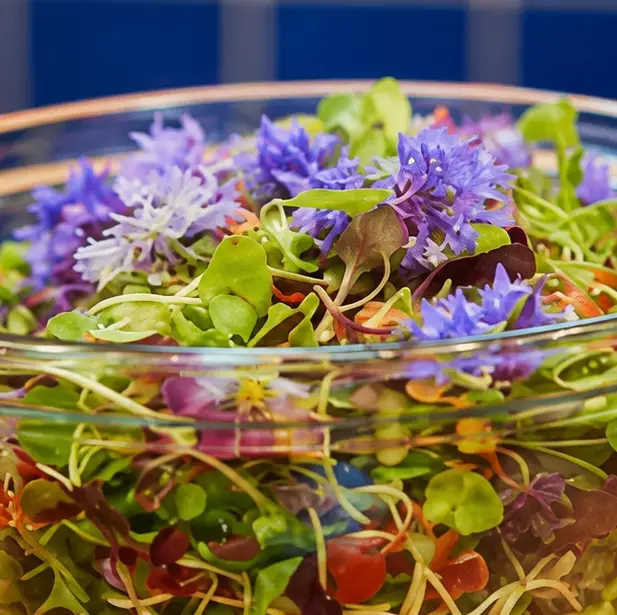
Serve cold with toasted bread, cornichons, pickled vegetables, mustard, or a crisp salad. A simple green salad like romaine and endive works well because the bitterness cuts through the richness. For a more old-school plate, I also like it with homemade pickled beets or a spoonful of creamy potato salad on the side.
What to Serve With It
This is a rich starter, so the sides should bring crunch, acidity or something simple and starchy. Toasted baguette is the easiest choice. Cornichons, pickled onions, marinated mushrooms and mustard are all useful because they keep each bite from feeling too fatty.
If you want a full holiday-style table, serve smaller slices before a classic main course. It pairs nicely before roasted poultry, duck or beef. For a French-inspired spread, you could start with this pâté, then serve roast duck with blueberry sauce or boneless turkey roast with maple blueberry sauce.
For sides, potatoes are safe and always popular. French pommes duchesse are elegant enough for the same table, while classic pommes dauphine are more playful and crisp. If you want to keep the first course lighter, stay with salad and pickles.
Substitutions
You can make this without foie gras, but then it becomes a pork terrine, not a pâté with foie gras. In that case, add a little extra pork belly or fatback so the centre does not feel dry.
If you cannot find Armagnac, use Cognac or brandy. Use the same amount. Do not replace it with wine, because wine brings acidity and water instead of the warm aroma you want here.
For smoked pork belly, thick-cut smoked bacon can work. Use less if it is very salty. Pancetta is also possible, but the flavour will be less smoky.
If you do not want to use curing salt, leave it out. Do not replace it with random curing products unless you know exactly how they are dosed. The pâté may look more grey than pink, but the flavour will still be good.
For a lighter starter, serve thinner slices with salad and pickles instead of making the pâté smaller. The recipe itself needs enough fat to work. Trying to make the meat too lean is the fastest way to end up with a dry, crumbly terrine.
FAQ
Can I make this pâté without nitrite or curing salt?
Yes. The colour will be less pink and the storage life may be shorter, but the recipe still works. If you do use curing salt #1, follow the package directions for the total meat weight and never use pure sodium nitrite.
What internal temperature should I use?
For a home recipe with pork that is cut, processed, mixed and packed into a terrine, I cook the centre to 160°F. A thermometer is the best tool here. Colour is not reliable.
Can I make it ahead?
Yes, and you should. This pâté is better after at least 20 hours in the refrigerator. The texture firms, the seasoning settles and the slices cut much cleaner.
Why do you blanch the pork strips?
Blanching firms the strips and gives the finished pâté a cleaner texture. Keep it short, about 2 minutes after the water reaches a boil. Longer than that and the strips can become tough.
Can I freeze it?
You can freeze slices, tightly wrapped, but the texture of foie gras may change slightly after thawing. I prefer serving it fresh within a few days.
How thick should I slice it?
For a starter, cut slices about 1/2 inch thick. For a buffet or charcuterie board, thinner slices are easier to serve with bread and pickles.
Suggested Posts
If you like rich French starters, try the smooth chicken liver mousse for a softer spreadable option.
For another pork charcuterie recipe, the homemade pork rillettes are easier and more rustic.
For a different cold starter with duck fat, the rabbit rillettes are excellent with toast and pickles.
For a holiday appetizer table, garlic butter escargots and oysters Rockefeller both fit the same festive mood.
For side dishes, serve this with romaine and endive salad, homemade pickled beets or creamy dill pickle potato salad.

Homemade Pâté with Foie Gras, Armagnac and Smoked Pork Belly
Ingredients
- 4 1/2 lb pork shoulder or pork butt divided
- 12 to 18 oz raw duck foie gras cut into thick slices
- 6 to 9 oz smoked pork belly or thick-cut smoked bacon
- 1/4 cup Armagnac divided
- 1.1 oz fine sea salt
- 2 tsp freshly ground black pepper
- 1 tsp garlic powder
- 1 tsp mushroom powder or mushroom extract powder
- 1/2 tsp mustard powder or crushed mustard seeds
- Optional curing salt #1 measured only according to package directions for 4 1/2 lb meat, never pure sodium nitrite
- Kitchen string for unmolding
Instructions
- Divide the pork into two equal portions.
- Cut one portion into thin strips and cut the other portion into small chunks.
- Season the strips with half the salt, half the pepper, garlic powder and half the Armagnac.
- Cover and refrigerate the strips for 2 hours.
- Grind or process the remaining pork into a fine, sticky farce.
- Season the farce with the remaining salt, remaining pepper, mushroom powder, mustard and remaining Armagnac.
- Cover and refrigerate the farce for 2 hours.
- Place the pork strips in a pot, cover with cold water, bring to a boil and simmer for 2 minutes.
- Drain the strips and cool completely.
- Mix the cooled strips into the fine farce until evenly combined.
- Lay kitchen string across the bottom of a large terrine mold, leaving overhang on the sides.
- Pack a first layer of pork mixture into the mold and press out air pockets.
- Add a centre layer of foie gras slices.
- Cover with more pork mixture, add the smoked pork belly, then finish with the remaining pork mixture.
- Place the terrine in a roasting dish and pour hot water around it to create a bain-marie.
- Bake at 325°F until the centre reaches 160°F, about 75 to 90 minutes.
- Cool for 45 minutes, then press lightly if desired.
- Refrigerate at least 20 hours before unmolding.
- Slice cold and serve with bread, pickles, mustard or salad.