Chicken Liver Mousse with Duck Fat and Cognac
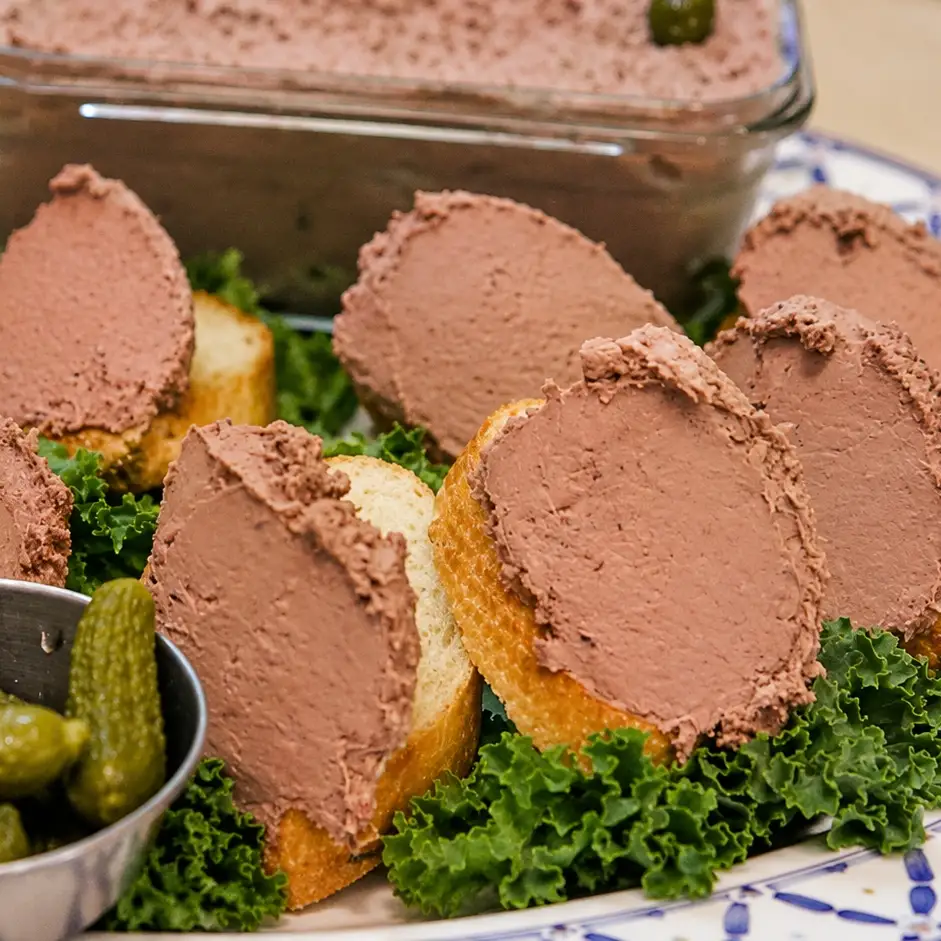
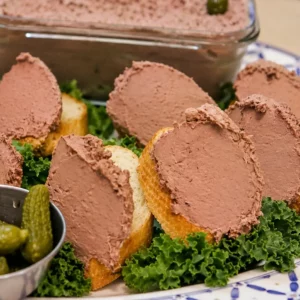
This chicken liver mousse is a smooth French-style spread made with poultry livers, shallots, cognac, and duck fat. It is softer and more delicate than a country terrine, and I would serve it as a cold appetizer with toasted bread, cornichons, a few greens, and something crisp on the side.
This recipe is based on my YouTube video, with a few adjustments since publication. I make it this way because chicken livers need two things to become elegant: enough fat to stay creamy after chilling, and careful cooking so the texture stays smooth instead of dry and grainy. The mistake to avoid is rushing the pan and overcooking the livers until they turn chalky. What I look for here is a lightly browned outside, a clean cooked center, and warm livers that still blend easily into a shiny mousse.
This version is not the same as a rustic pâté. If you want something sliceable, coarser, and more charcuterie-style, make a French country pâté. This one is a spread. It should feel soft on the spoon, easy to smear on toast, and rich without becoming heavy like a block of butter.
Why this chicken liver mousse works
Chicken livers have a strong flavor, but they also become very smooth when blended warm with enough fat. Duck fat is excellent here because it gives a softer mouthfeel than butter once chilled. Butter can set very firm in the fridge, while duck fat keeps the mousse more spreadable.
The shallots bring sweetness, the cognac lifts the flavor, and the pepper gives a little bite. I prefer to cook the shallots with the livers instead of adding them raw to the blender. It softens their edge and gives the mousse a rounder, more polished taste.
The other important detail is seasoning. Liver needs salt. If the mousse tastes flat, it often is not because the recipe is missing a fancy ingredient. It usually needs a little more salt, a splash of acidity, or both. That is why I add a small optional touch of lemon juice or balsamic vinegar at the end. Not enough to taste sour, just enough to clean up the finish.
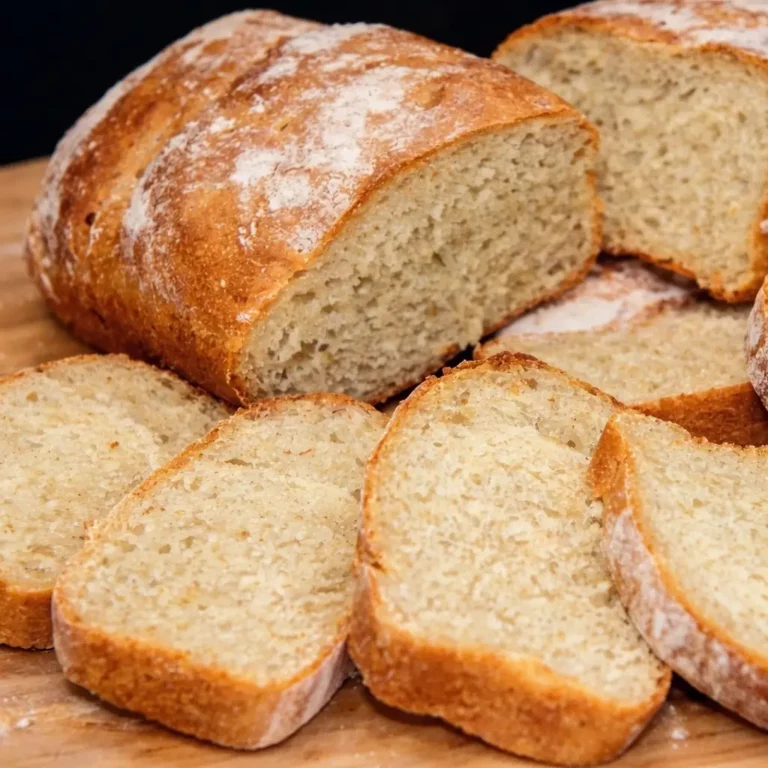
For serving, toasted bread is almost mandatory. You can use a simple loaf like homemade white bread or, for a richer holiday platter, thin slices of homemade brioche. The contrast between cold mousse and warm toast is what makes the first bite work.
Ingredients notes
Use fresh chicken livers and take a minute to clean them. Remove any sinew, dark clots, or greenish spots. The green parts can taste bitter, and the tough connective tissue will not disappear completely in the blender.
Duck fat is the key fat in this version. In the original video, I use it because the mousse stays more supple after chilling. I still agree with that choice. For a more reliable home version, I use a little more duck fat than the quick video method, because 1 1/2 pounds of chicken livers need enough fat to turn into a true mousse.
Cognac is classic, but you do not need to drown the pan. A small splash is enough. It should smell warm and aromatic when it hits the hot pan. Let it reduce briefly so the harsh alcohol note disappears.
For pepper, cracked black pepper or mignonnette is best. Fine black pepper works, but it gives a flatter flavor. A little texture from the pepper is pleasant in this kind of French appetizer.
How to make chicken liver mousse
Start by cleaning the livers. Pat them dry with paper towel. This matters because wet livers steam instead of browning. When they hit the pan, you want a gentle sizzle, not a puddle.
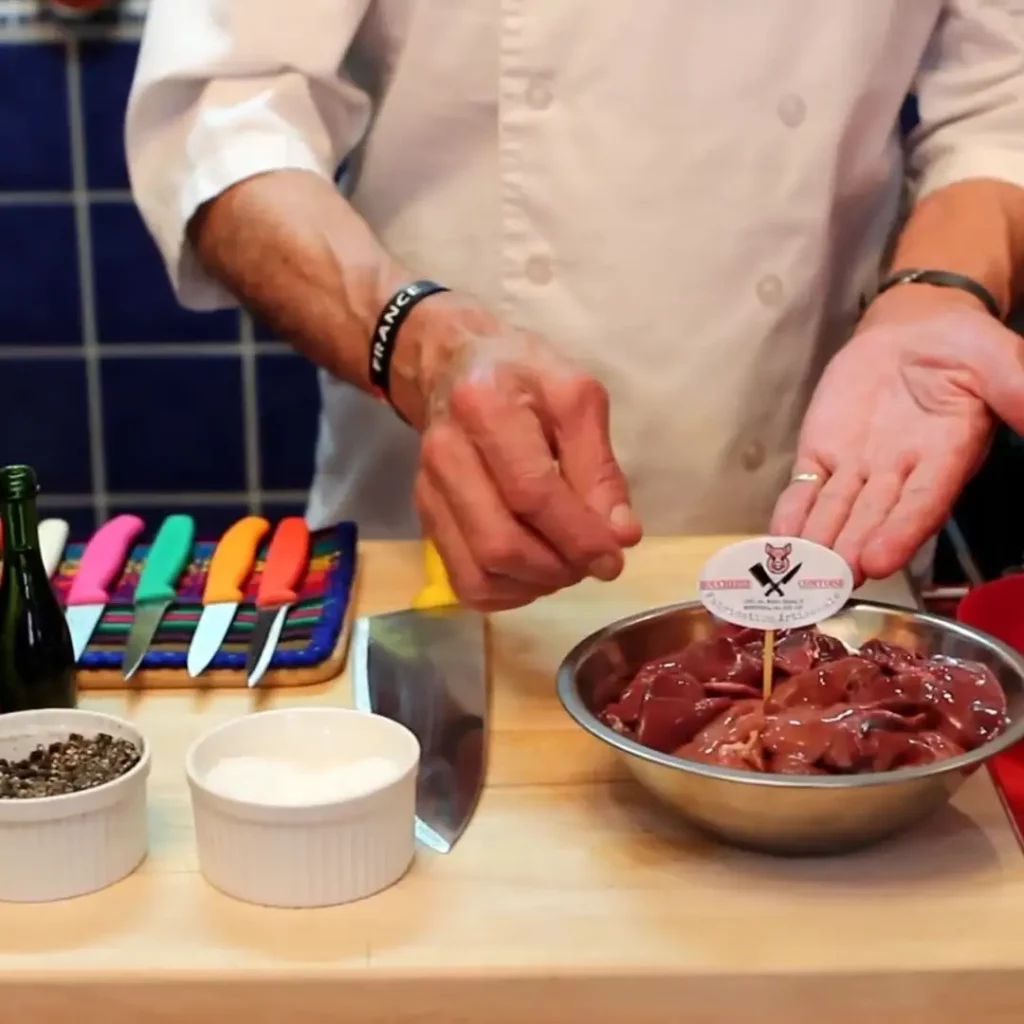
Warm a large skillet over medium-high heat and add part of the duck fat. Add the chicken livers in a single layer. If your pan is small, cook them in two batches. Crowding the pan makes them release too much liquid, and the flavor becomes boiled instead of sautéed.
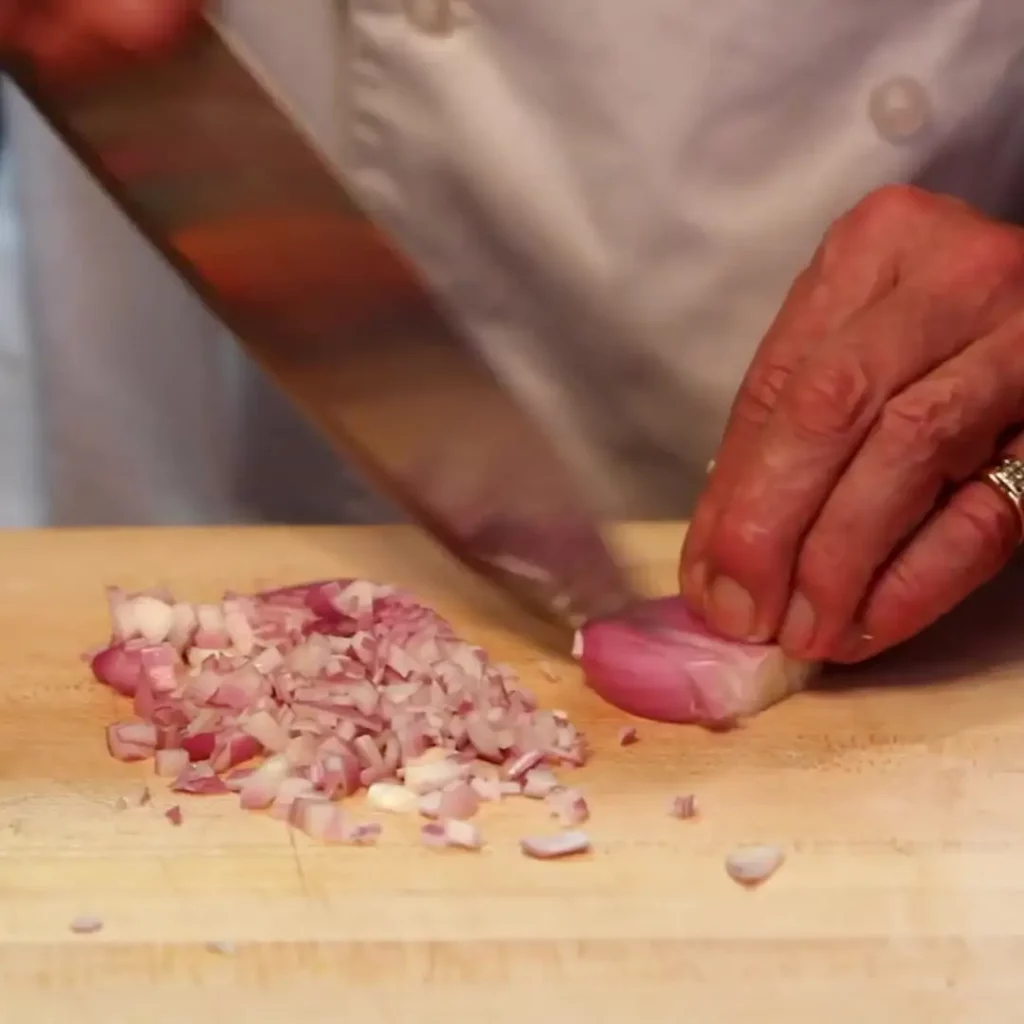
Season with salt and pepper while they cook. Turn them often so they color lightly on all sides. You are not trying to create a hard crust. You want a little golden color, a cooked center, and no dry edges. For a public recipe, the safest way is to check with a thermometer and cook the livers to 165°F. They should be cooked through but still moist.
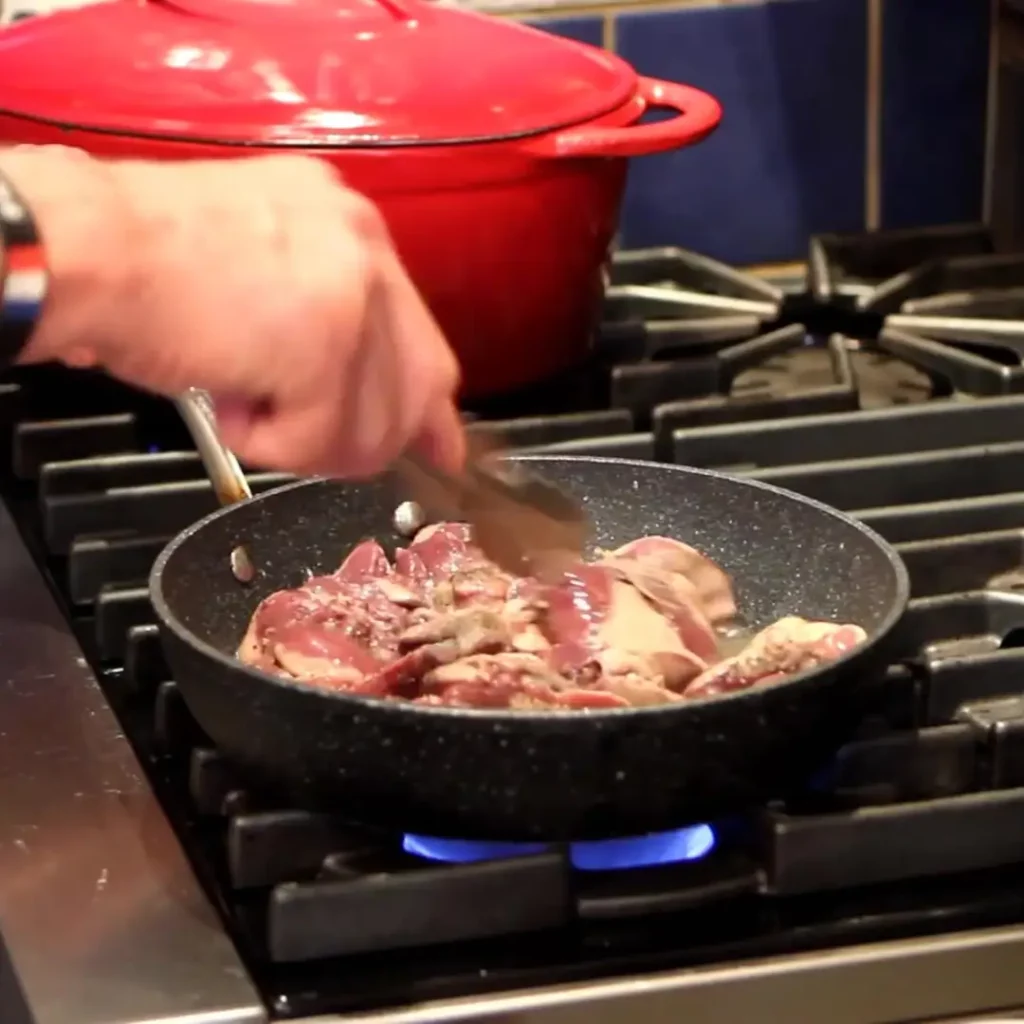
Add the sliced shallots to the pan and cook until they soften and take on a little color. They should smell sweet, not sharp. If the pan looks dry, add a spoonful more duck fat. Then add the cognac. It should bubble right away and loosen the browned bits in the pan. Scrape the bottom with a wooden spoon and let it reduce for a minute.
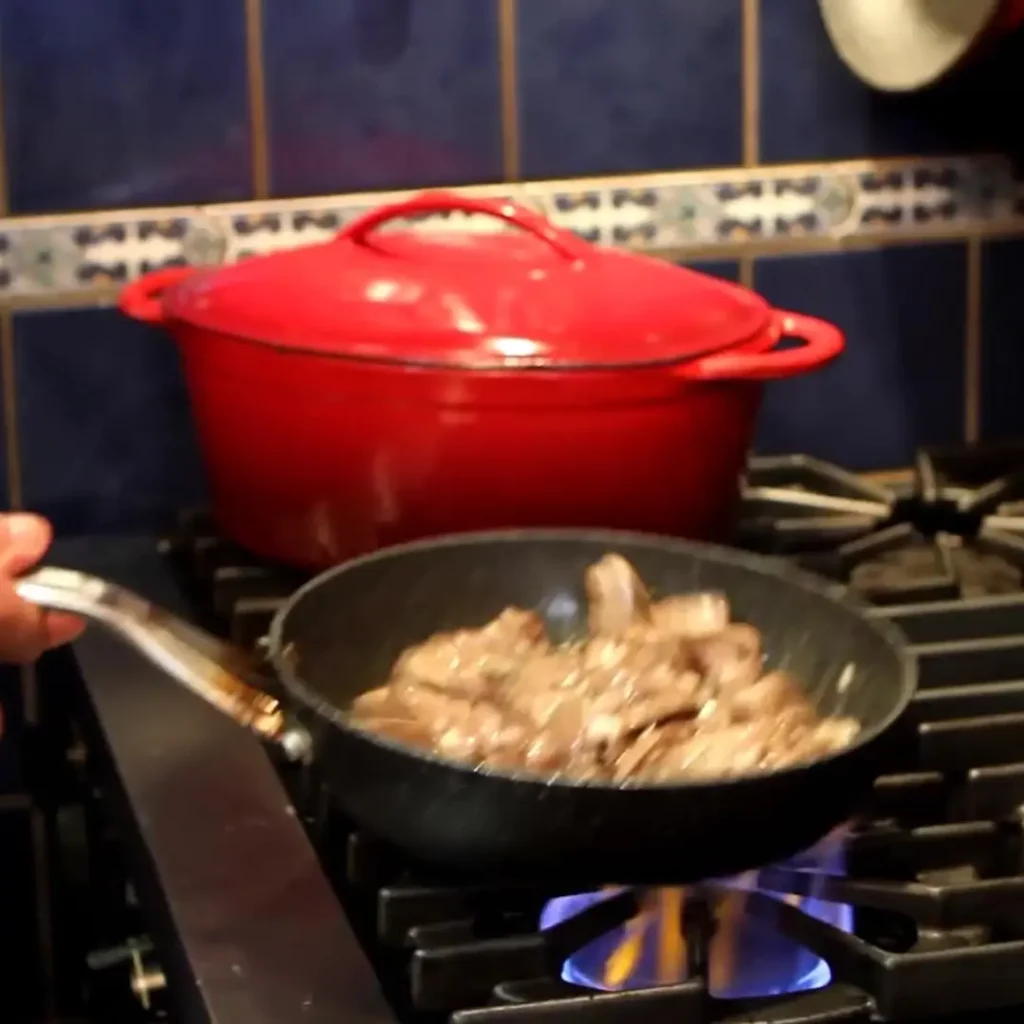
Transfer everything to a blender or food processor while still warm. Add the remaining duck fat and blend until completely smooth. Stop once or twice and scrape the sides. At this point, the mixture should look glossy and loose, almost like a thick sauce. Do not worry if it seems soft. It firms up as it chills.
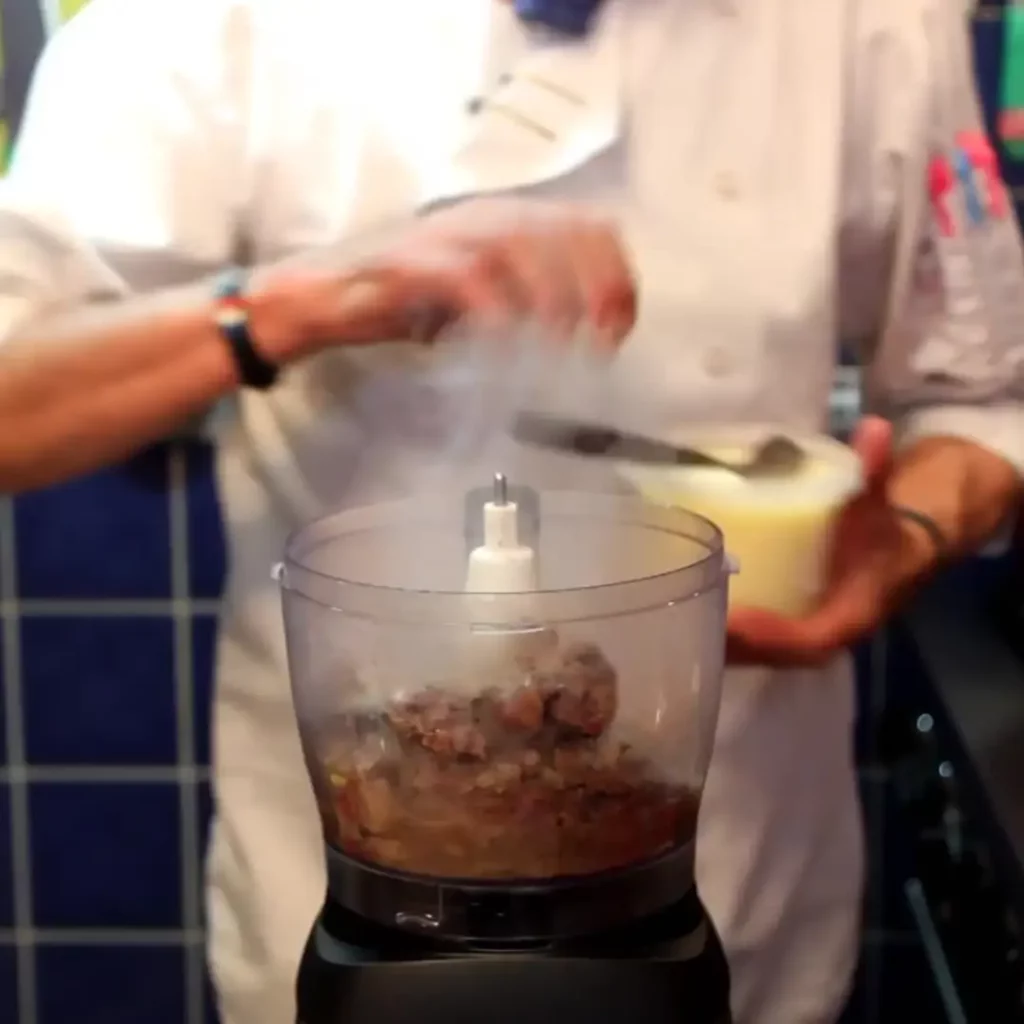
Taste carefully. Add a little more salt if the liver flavor feels dull. Add the lemon juice or balsamic if it needs brightness. For the finest texture, pass the mousse through a fine sieve. It is optional, but it gives a more restaurant-style finish.
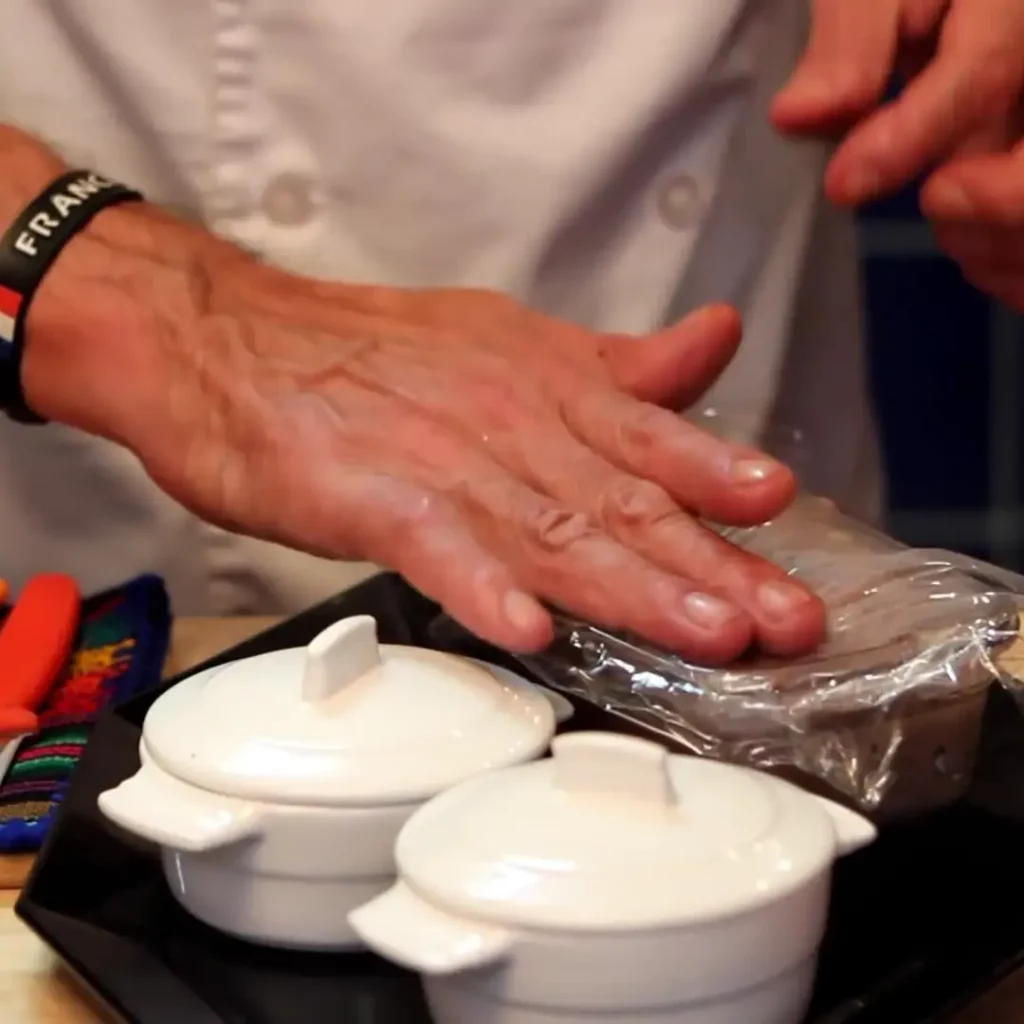
Spoon the mousse into small ramekins, jars, or a terrine dish. Tap the container gently on the counter to remove air pockets. Press plastic wrap directly onto the surface and refrigerate overnight.
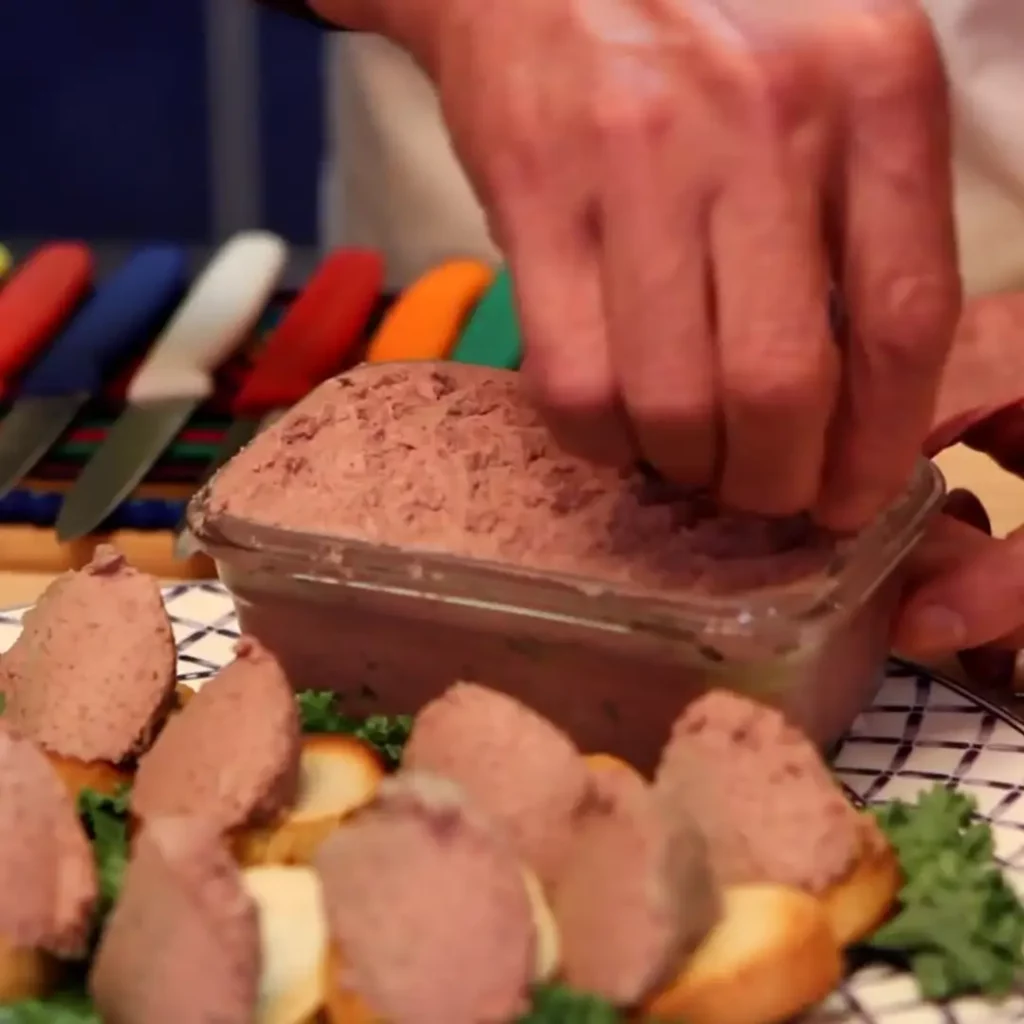
You know it is ready when the mousse is cold, set, and spreadable. It should not be stiff like cold butter. Serve it with toast, pickles, salad, and a few cherry tomatoes if you want the simple plate from the video.
Food safety note
Chicken livers should be cooked carefully. For a website recipe that many people will reproduce, I recommend using a thermometer and cooking them to 165°F. The texture can still be good if you avoid overcooking them beyond that point and blend them while warm with enough duck fat.
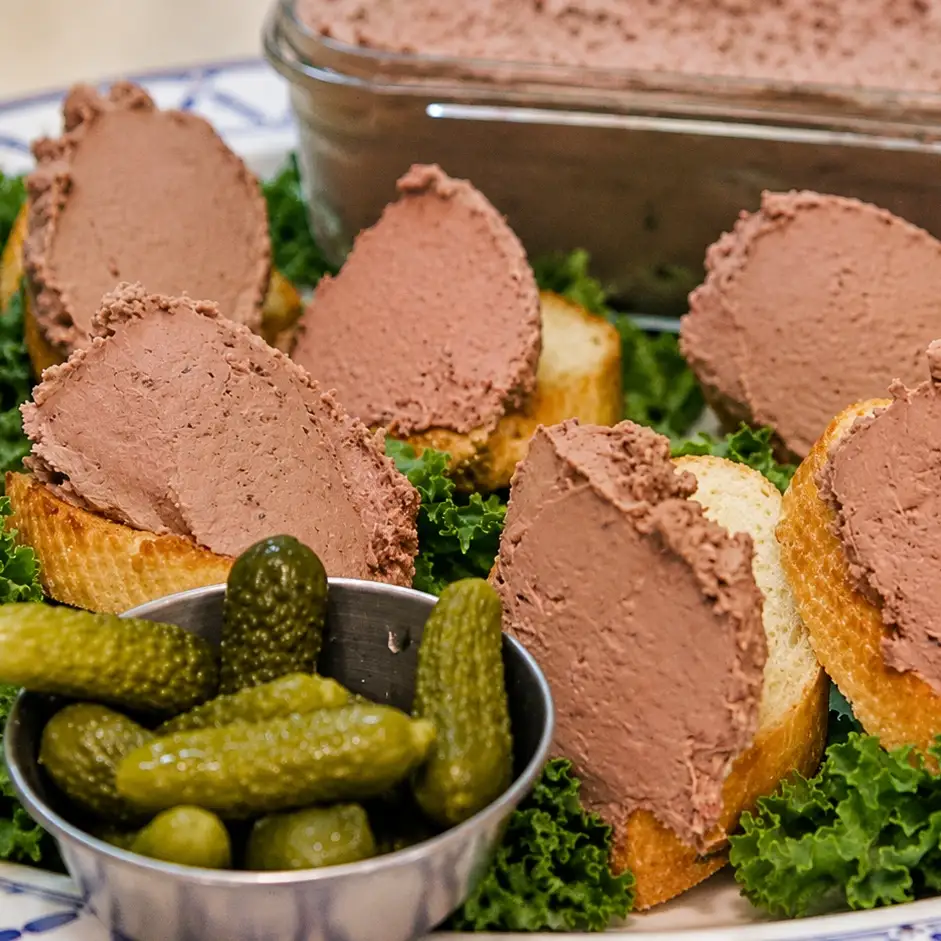
Once chilled, keep the mousse refrigerated. Serve it cold or slightly softened for a few minutes at room temperature, but do not leave it out for a long time. For home storage, I prefer to eat it within 2 to 3 days.
Substitutions
If you do not have duck fat, use unsalted butter, but expect a firmer mousse after chilling. For a softer butter version, let the mousse sit at room temperature for 10 to 15 minutes before serving.
No cognac? Use brandy, Armagnac, or a small splash of dry sherry. If you prefer to avoid alcohol, use a little chicken stock and a few drops of balsamic vinegar to deglaze the pan.
Shallots are best, but a small amount of mild onion can work. Cook it gently so it becomes sweet and does not overpower the livers.
For a richer version, blend in a spoonful of heavy cream. I do not find it necessary with enough duck fat, but it can soften the liver flavor for people who prefer a milder mousse.
What to serve with chicken liver mousse
For a classic appetizer plate, serve this mousse with warm toast, cornichons, mustard, and a simple salad. A crisp homemade Greek salad works because the acidity balances the richness.
If you are making a French-style dinner, start with this mousse and follow with classic French onion soup or a bowl of leek and potato soup. For potato sides, I like Parisian potatoes, Lyonnaise potatoes, or duck fat potatoes if you want to keep the same rich, bistro-style feeling.
If you want a sauce or condiment on the table, a small spoon of homemade mayonnaise can work with cold meats and bread, but I would keep it separate from the mousse itself. The mousse is already rich enough.
FAQ
Can I make chicken liver mousse ahead of time?
Yes. It is actually better after chilling overnight. The texture sets, the cognac mellows, and the flavor becomes more even.
Why is my mousse grainy?
The livers were probably overcooked, under-blended, or blended after cooling too much. Blend while warm and do not be afraid to let the machine run until the texture is glossy.
Can I freeze chicken liver mousse?
I do not recommend it. Freezing can make the texture separate or feel slightly sandy after thawing.
Why use duck fat instead of butter?
Duck fat keeps the mousse softer after chilling. Butter gives good flavor, but it can make the mousse much firmer in the refrigerator.
Can I serve it right away?
You can taste it right away, but it is not ready to serve. It needs several hours in the fridge, preferably overnight, to set properly.
Is this a pâté or a mousse?
It is a mousse-style spread. It is smoother and softer than a country pâté, which is usually coarser and sliceable.
Suggested posts
For another French appetizer with a different texture, try this rustic country pâté.
For toast, make a loaf of simple homemade white bread or a richer soft homemade brioche.
For a French dinner menu, pair the mousse with classic French onion soup and Parisian potatoes.
For a richer potato side, serve duck fat potatoes or Lyonnaise potatoes with onions.
For something fresh on the side, add a homemade Greek salad.
Chicken Liver Mousse with Duck Fat and Cognac
Ingredients
- 1 1/2 lb chicken livers cleaned and trimmed
- 1/3 cup duck fat divided, plus more if needed
- 1/2 cup shallots finely sliced
- 2 tbsp cognac
- 1 1/2 tsp fine salt or to taste
- 1/2 tsp cracked black pepper
- 1 tsp lemon juice or balsamic vinegar optional
- Toasted bread for serving
- Cornichons cherry tomatoes, or greens, optional for serving
Instructions
- Clean the chicken livers by removing sinew, dark clots, and any greenish spots. Pat very dry with paper towel.
- Heat a large skillet over medium-high heat. Add about half of the duck fat.
- Add the chicken livers in a single layer. Season with salt and pepper. Cook, turning often, until lightly browned and the centers reach 165°F.
- Add the shallots and cook until softened and lightly colored.
- Add the cognac and scrape the bottom of the pan. Let it reduce for about 1 minute.
- Transfer the warm livers, shallots, and pan juices to a blender or food processor.
- Add the remaining duck fat and blend until very smooth and glossy. Scrape the sides as needed.
- Taste and adjust with more salt, pepper, and a little lemon juice or balsamic vinegar if needed.
- For an extra-smooth texture, pass through a fine sieve.
- Spoon into ramekins or a small terrine dish. Cover with plastic wrap directly touching the surface.
- Refrigerate overnight.
- Serve chilled or slightly softened with toasted bread, cornichons, and a simple salad.
Video
Notes
FAQ
Can I make chicken liver mousse ahead of time?
Yes. It is actually better after chilling overnight. The texture sets, the cognac mellows, and the flavor becomes more even.Why is my mousse grainy?
The livers were probably overcooked, under-blended, or blended after cooling too much. Blend while warm and do not be afraid to let the machine run until the texture is glossy.Can I freeze chicken liver mousse?
I do not recommend it. Freezing can make the texture separate or feel slightly sandy after thawing.Why use duck fat instead of butter?
Duck fat keeps the mousse softer after chilling. Butter gives good flavor, but it can make the mousse much firmer in the refrigerator.Can I serve it right away?
You can taste it right away, but it is not ready to serve. It needs several hours in the fridge, preferably overnight, to set properly.Is this a pâté or a mousse?
It is a mousse-style spread. It is smoother and softer than a country pâté, which is usually coarser and sliceable.🔗 Useful Links
🛒 Michel Dumas Shop : Explore our kitchen essentials, including aprons and knives.
🌐 Linktree : Access all our important links in one place.
📱 YouTube | Instagram | Facebook | TikTok : Follow us for the latest recipes and culinary tips.