Easy Homemade Fresh Cheese Inspired by Laughing Cow, Simple and Deluxe Versions
This homemade fresh cheese is based on my YouTube video Chef vs Industrials | La Vache qui rit Simple and Deluxe, with a few adjustments since publication to make the result more reliable in a home kitchen. In the video, the idea was simple: take milk and lemon for the basic version, then make a richer deluxe version with cream, soft cheese, and garlic butter. Since then, I prefer to give more precise temperatures and proportions, because cheese recipes can change a lot depending on the milk, the lemon, and how long the curd drains.
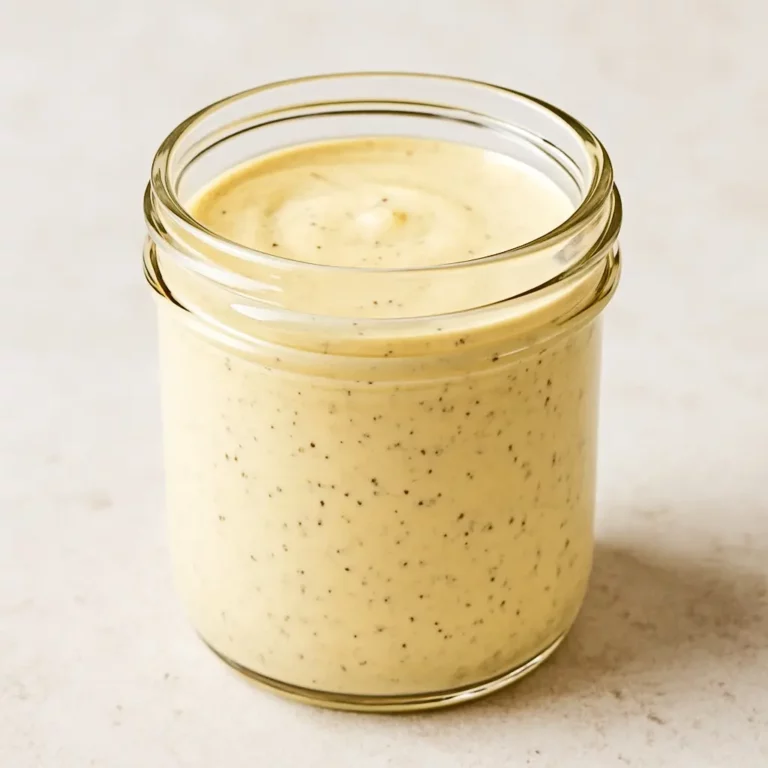
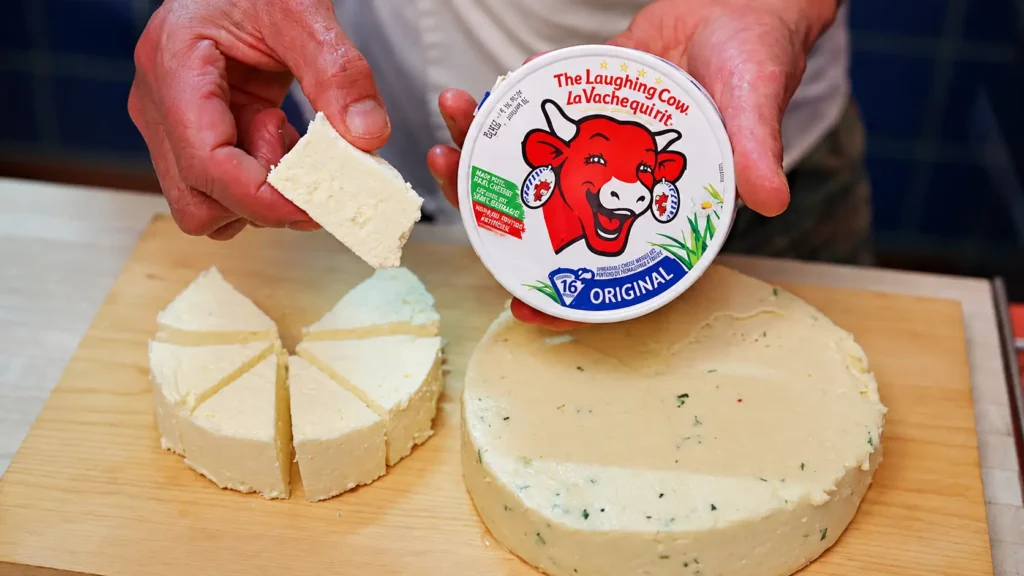
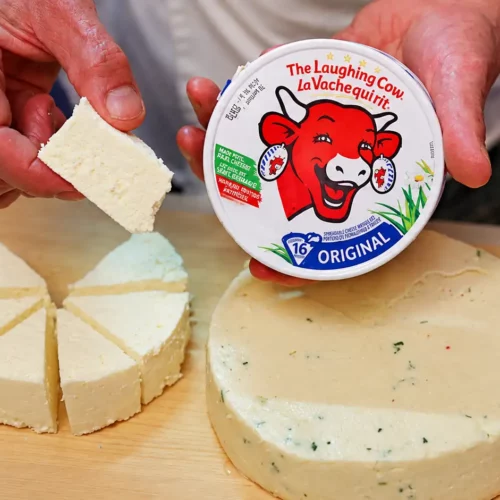
This is a fresh, mild, spreadable cheese inspired by Laughing Cow, but it is not meant to be an exact industrial copy. The simple version is closer to a smooth homemade fresh cheese, while the deluxe version is creamier, richer, and more like a chilled cheese spread. I make it when I want something homemade for bread, crackers, sandwiches, breakfast toast, or a small appetizer board.
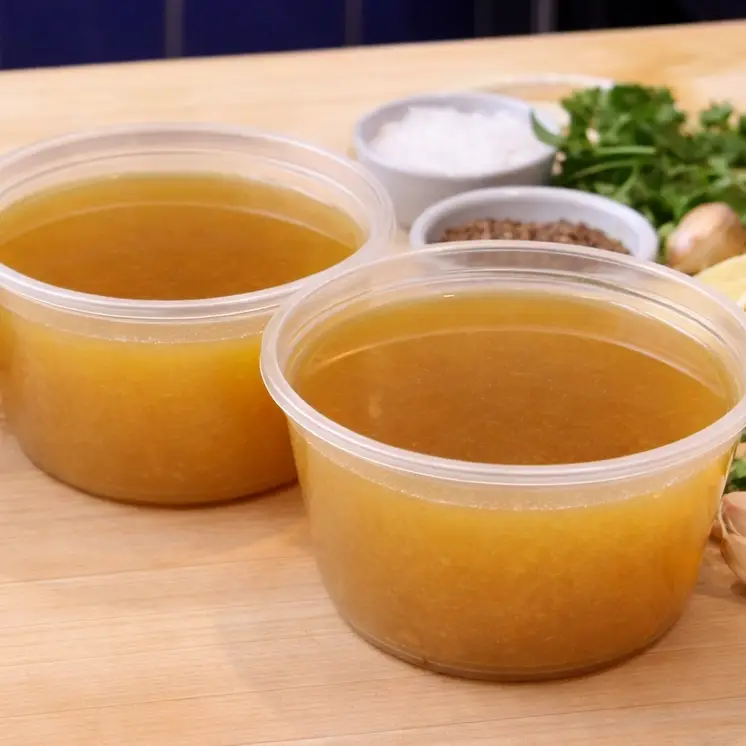
The important thing is not to rush the curd. What I look for here is a clean separation between the white curds and the pale yellow whey. If the whey still looks milky, the cheese is not ready yet. The mistake to avoid is adding the lemon when the milk is too cold, then wondering why the cheese stays soft and weak.
Why I Make It This Way
I make the simple version with whole milk, lemon juice, butter, and salt because it keeps the ingredient list short and gives a clean dairy flavor. The butter is important. Without it, the drained curd can taste lean and slightly chalky. With butter, it becomes rounder and easier to spread.
I also prefer to heat the milk higher than in the original video. In the video, the milk was warmed gently, but for a recipe people will reproduce at home in Canada, the USA, or anywhere else, heating the milk closer to steaming hot gives a better and more consistent curd. I do not boil it hard. I just bring it to the point where steam rises and the surface starts to move slightly.
The deluxe version is different. It is not a natural fresh cheese in the same way. It is a quick creamy cheese spread made with soft processed cheese, cream, and garlic butter. That version is more indulgent, more stable, and closer to the texture people expect from a store-bought triangle cheese. I keep the cream moderate because too much cream makes a sauce instead of a cheese that can chill and hold.
For another homemade base that works well with bread and snacks, my homemade garlic butter is a good recipe to keep ready in the fridge. It is also what gives the deluxe version that warm garlic aroma without needing to cook fresh garlic in the cream.
What Makes This Recipe Different
This recipe sits somewhere between fresh cheese, cheese spread, and appetizer cheese. It is not the same as a hot cheese recipe like fried brie, and it is not a melted sandwich recipe like a three-cheese grilled cheese. Those are cooked and served hot. This one is made ahead, chilled, then sliced or spread cold.
It is also different from a cheese sauce. If you want something to coat pasta, a creamy sauce works better, especially something like a basic guide on how to make a creamy sauce. This fresh cheese is thicker, more compact, and meant to sit on bread or crackers.
Compared with cottage cheese recipes, this version is smoother and richer because the curd is pressed and blended. It is also more neutral than a strong cheese sauce, so it can go with breakfast, lunch, or an appetizer plate year-round.
Ingredients You Need
For the simple version, use whole milk. Skim milk gives a lower yield and a drier texture. Some ultra-filtered milks can behave differently, so regular whole milk is the safest choice.
Lemon juice gives the acidity needed to separate the curds from the whey. I prefer fresh lemon juice, but bottled lemon juice can work because the acidity is consistent. Start with 2 tablespoons and add more only if the whey does not clear.
Butter gives the cheese a smoother mouthfeel. Salt makes a big difference too. Homemade fresh cheese without enough salt tastes flat, even when the texture is good.
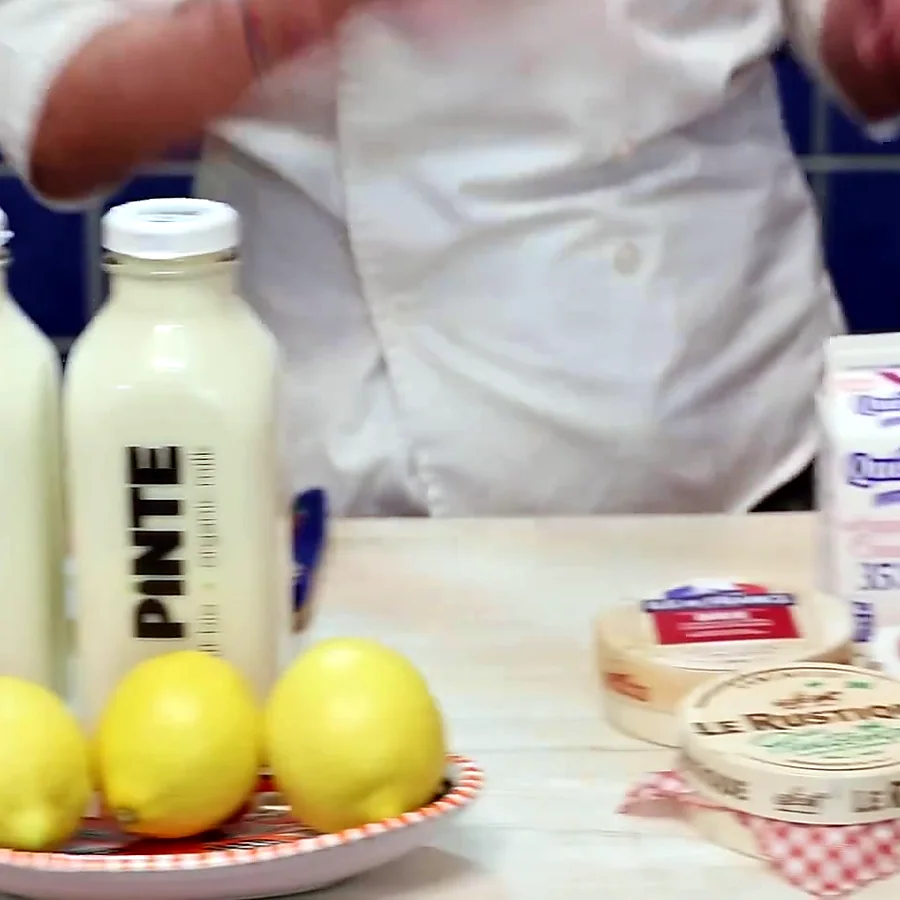
For the deluxe version, use soft processed cheese portions, cream, and garlic butter. Keep the heat gentle. The cream should never boil aggressively, or the mixture can become greasy around the edges.
If you are serving this with bread, a slice of homemade white bread is simple and very good with the fresh version. For something softer and richer, homemade brioche bread gives a more breakfast-style result.
How to Make the Simple Fresh Cheese
Pour the milk into a saucepan and heat it over medium heat. Stir once in a while so the bottom does not catch. You want the milk to become hot and steamy, about 185°F to 195°F. It should not smell cooked or boil over. When small bubbles appear around the edge and steam rises clearly, turn off the heat.
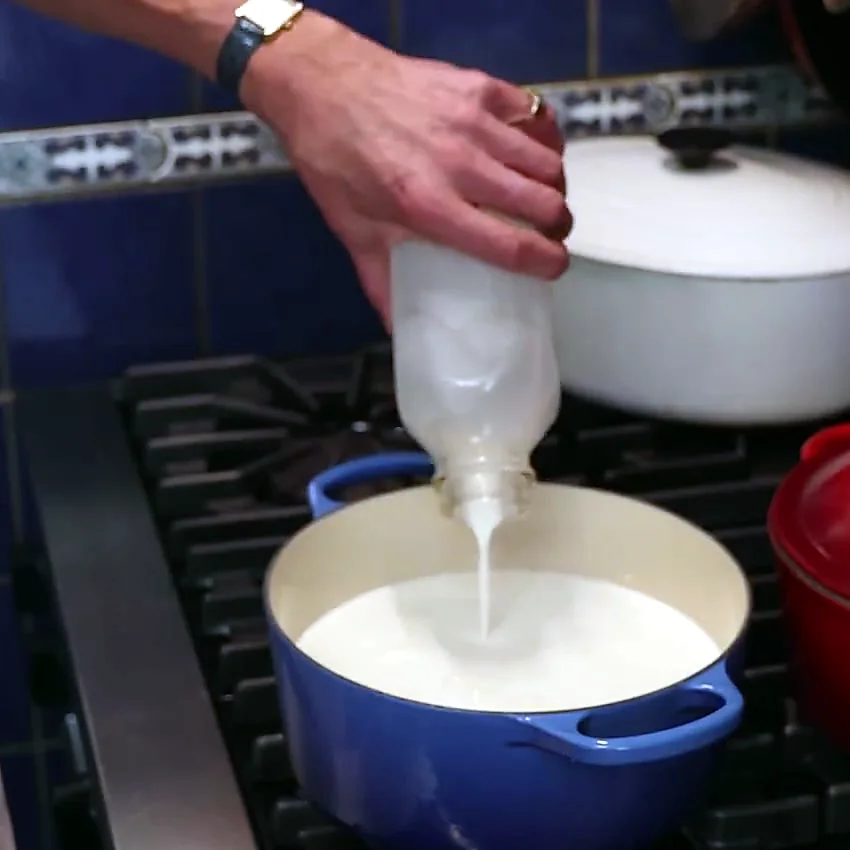
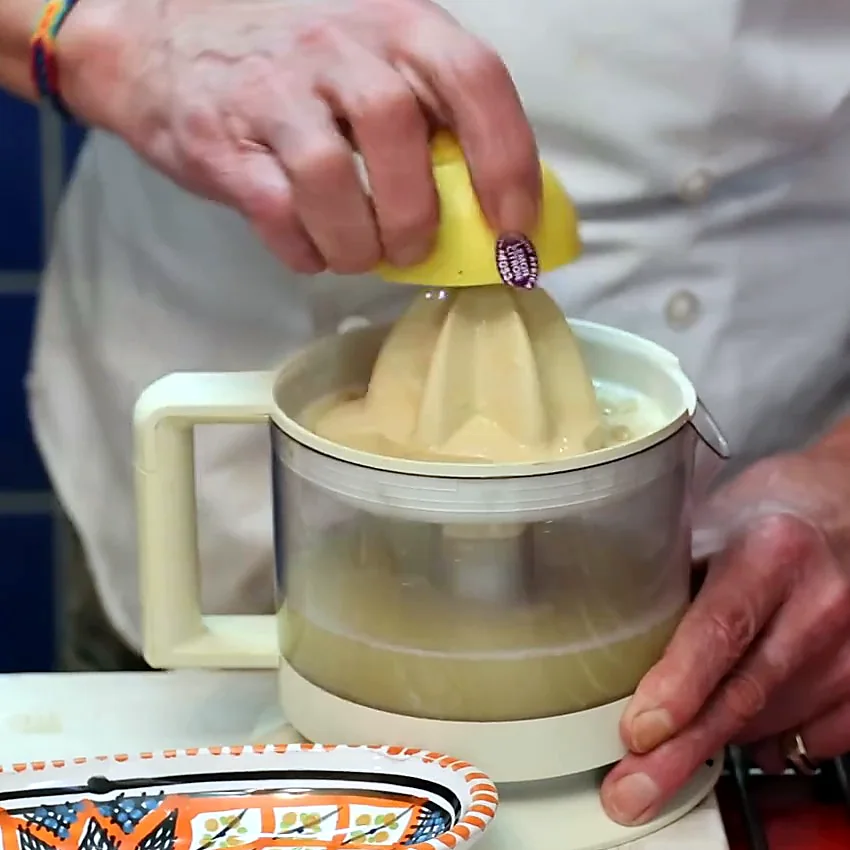
Add 2 tablespoons of lemon juice and stir gently. Do not whip it. Just move the spoon through the milk a few times, then let it rest. After a few minutes, you should see soft white curds forming. The liquid around them should become clearer and slightly yellow.
If the liquid still looks white and milky after 10 minutes, add another tablespoon of lemon juice and wait 5 more minutes. You know it is ready when the curds are floating and the whey is no longer opaque.
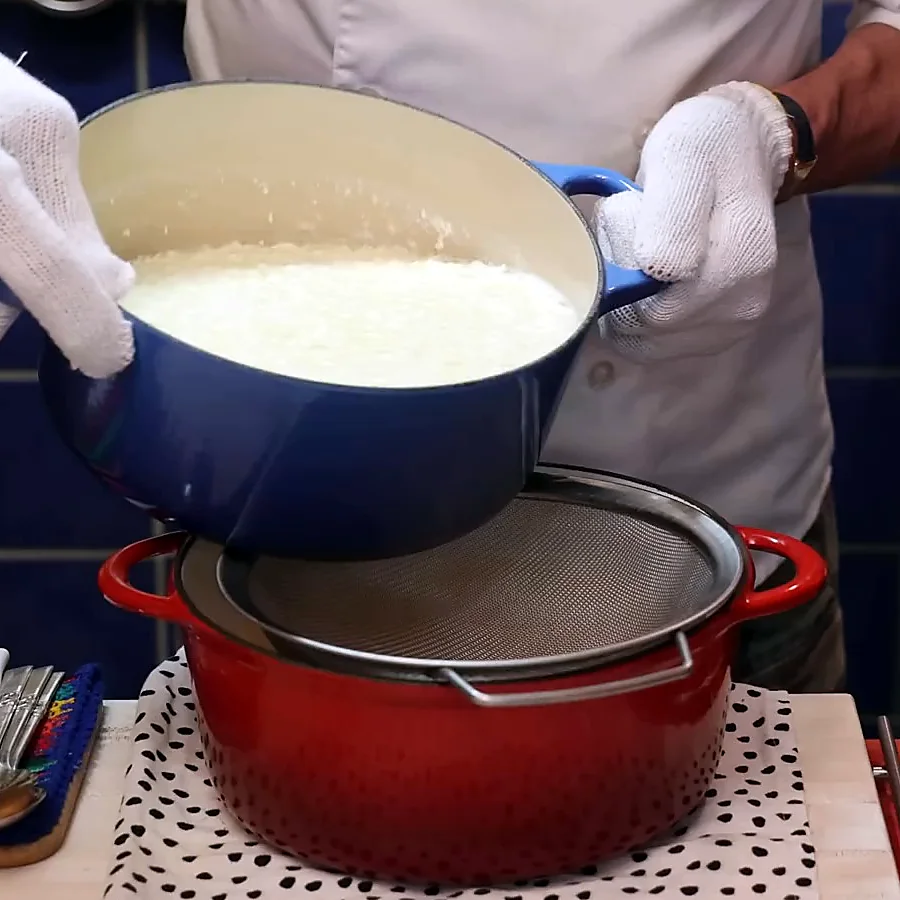
Line a strainer with cheesecloth or a very clean thin kitchen towel. Place it over a bowl, then pour the curdled milk into the strainer. Let it drain until the curds look moist but no longer wet. For a spreadable cheese, I drain about 20 to 30 minutes. For a firmer molded cheese, I press it more.
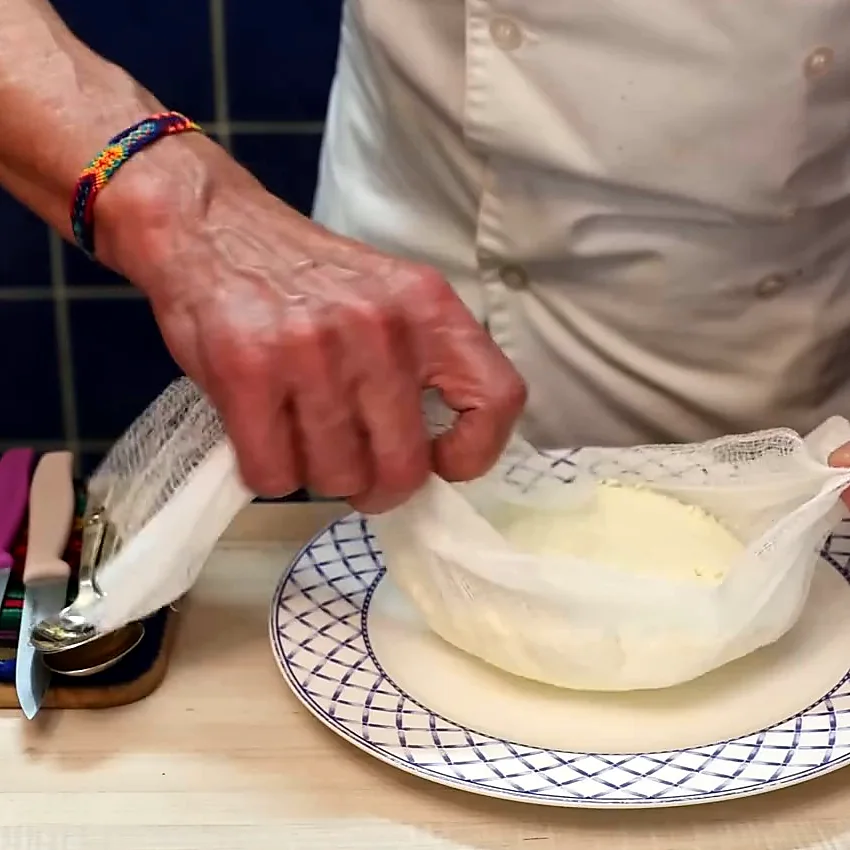
Transfer the drained curds to a bowl. Add softened butter and salt. I prefer to blend it with a small food processor or immersion blender because the texture becomes smoother. If you only mix with a spatula, it will still taste good, but the cheese may stay a little grainy.
At this point, it should look thick, creamy, and slightly glossy. If it is too dry, add 1 teaspoon of milk or cream at a time. Go slowly. Too much liquid will make it loose.
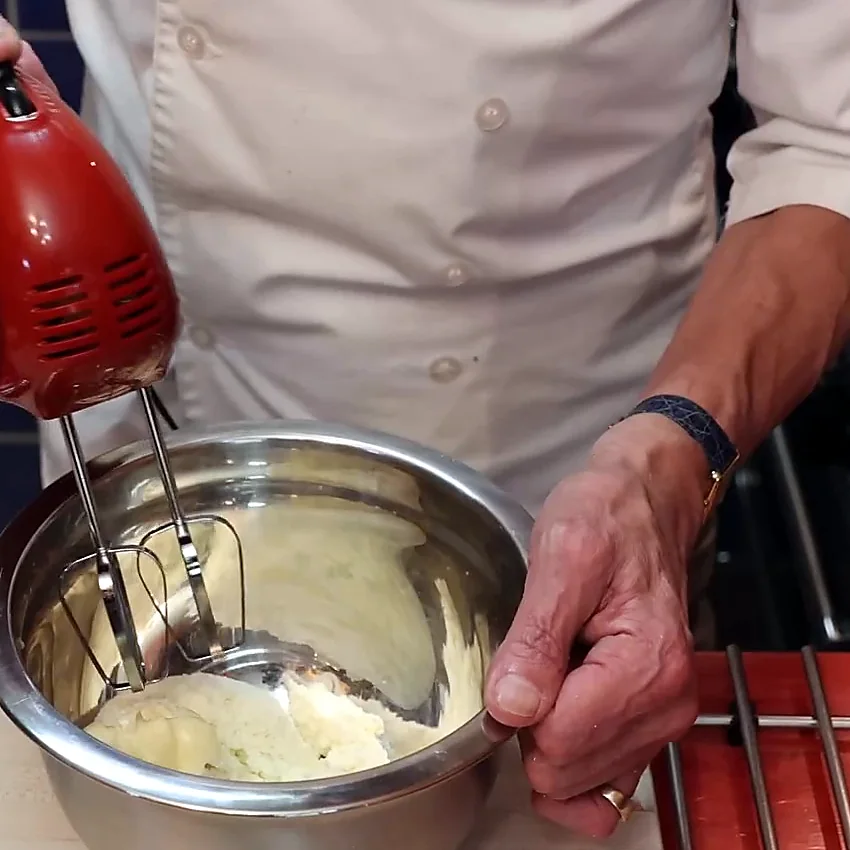
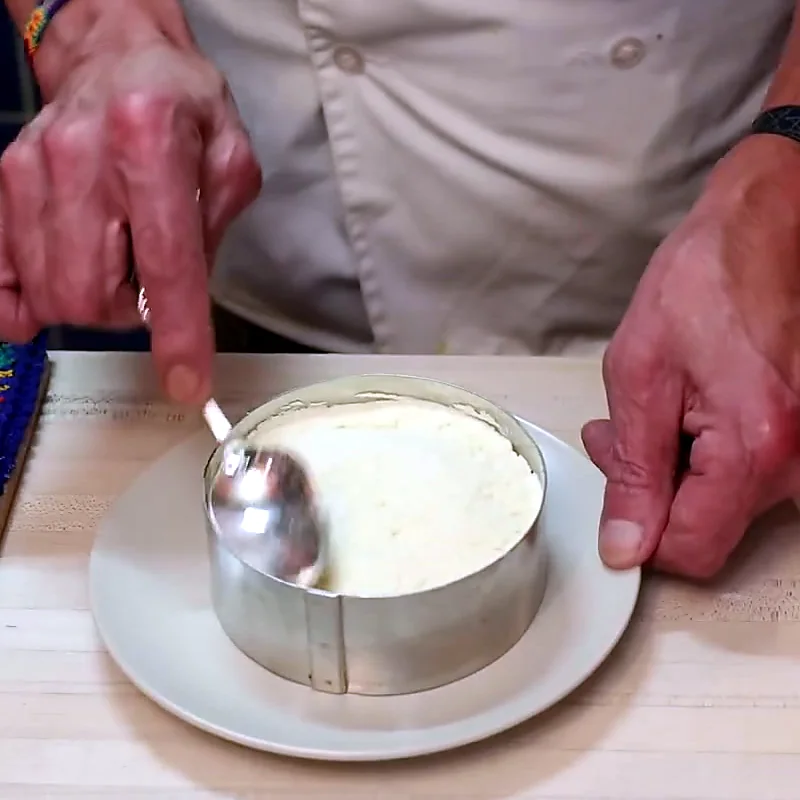
Pack the cheese into a small ramekin, bowl, or ring mold. Smooth the top, cover, and refrigerate for at least 10 hours. Overnight is better. The cold helps the butter firm up and gives the cheese a cleaner slice.

How to Make the Deluxe Version
For the deluxe version, put the cream in a small saucepan and warm it over low to medium-low heat. Add the soft cheese portions and stir slowly. The mixture should melt, not boil. If the sides of the pan start bubbling too much, lower the heat.
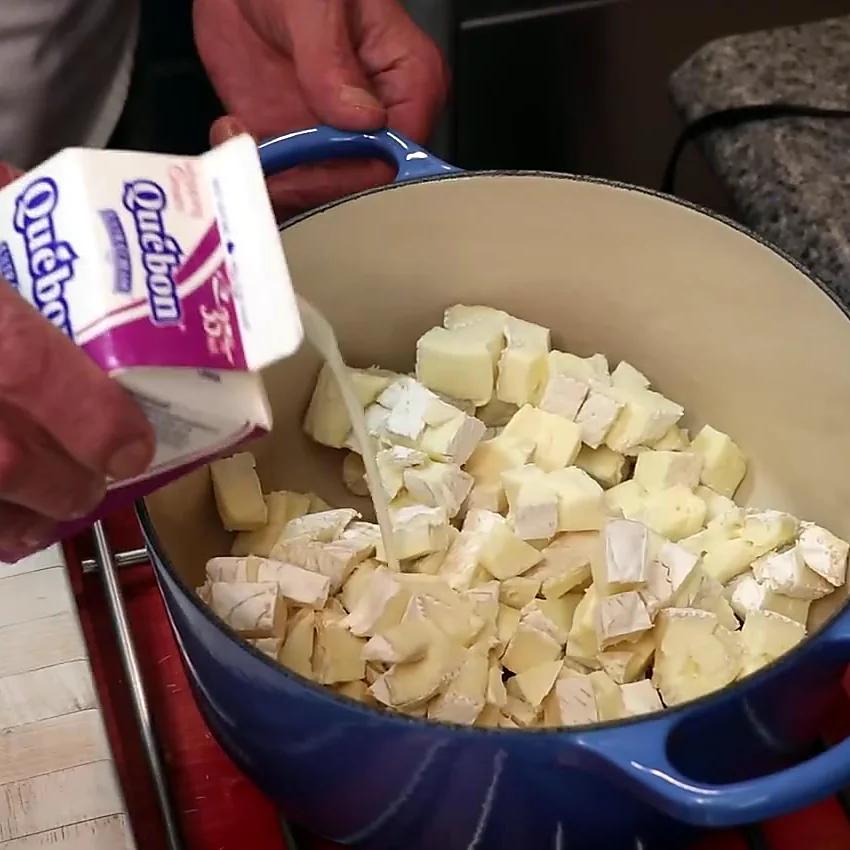
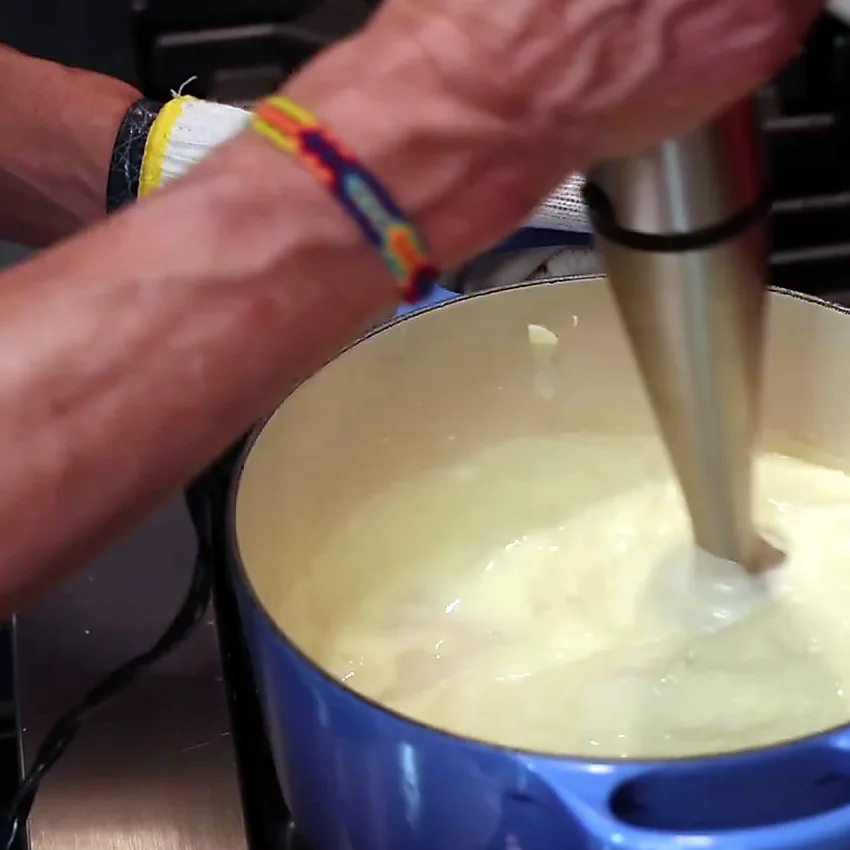
Once the cheese is mostly melted, add the garlic butter. Stir until everything is smooth. I prefer to blend the mixture briefly because it removes little lumps and gives a nicer finish.
The mixture should be thick enough to coat a spatula. If it runs like milk, it has too much cream. If it looks too stiff, add a small splash of cream and warm it gently.
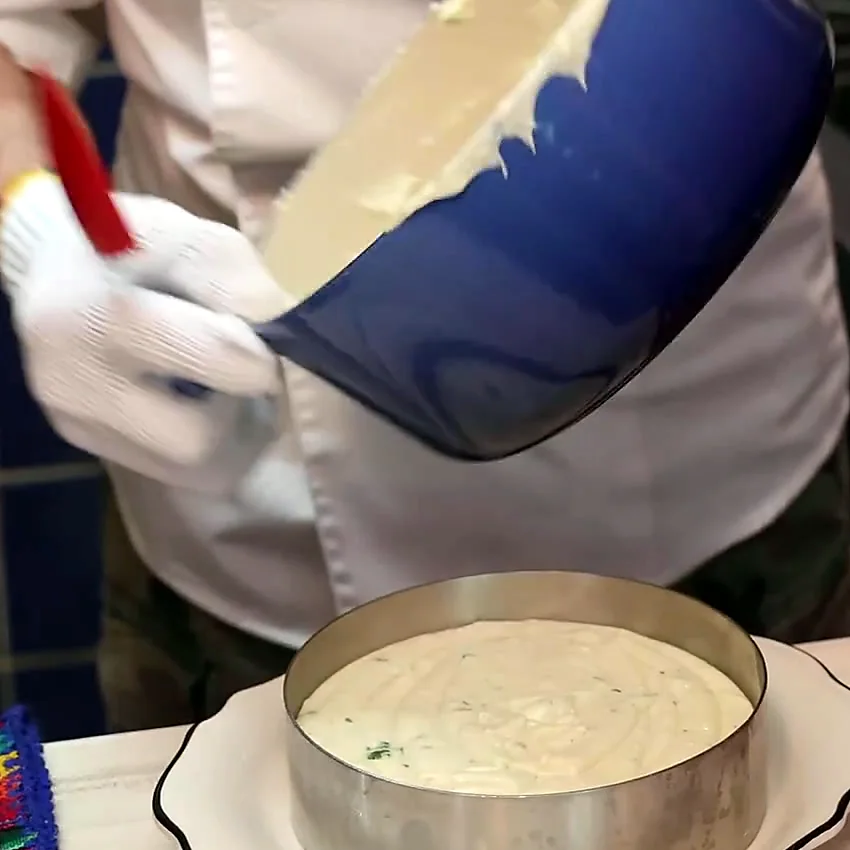
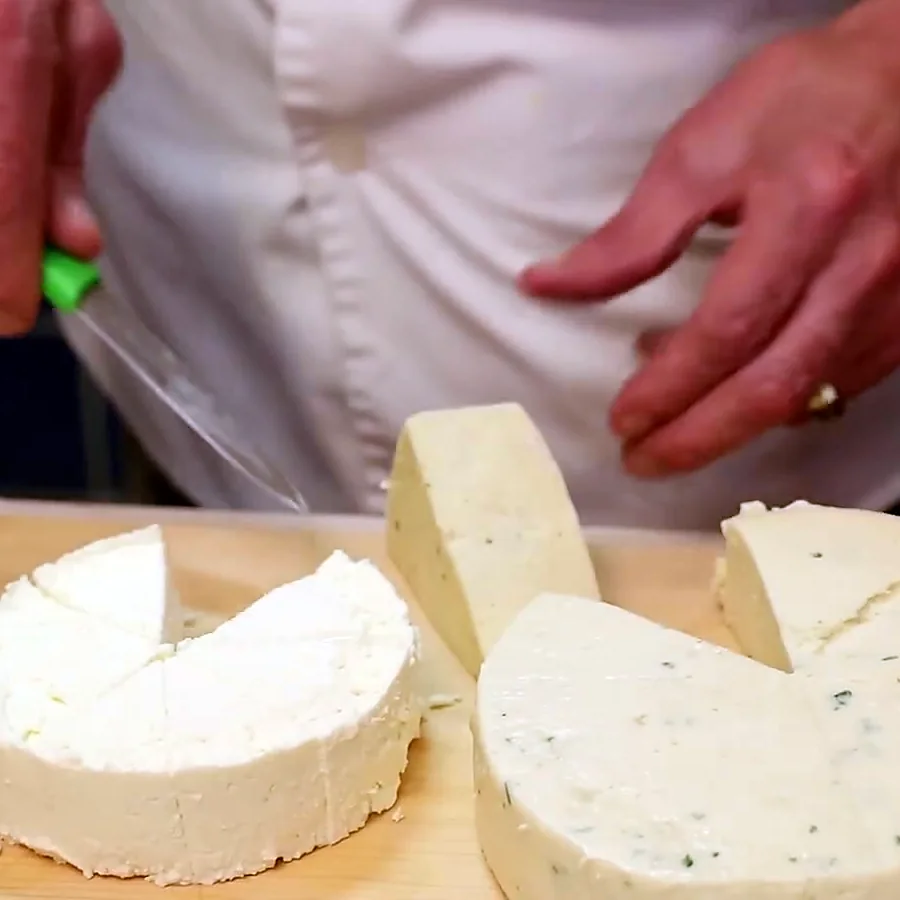
Pour the warm mixture into a small mold or ramekin. Tap it lightly on the counter to remove air pockets, then refrigerate overnight. The next day, run a warm knife around the edge and unmold it carefully.
Serve it cold or slightly softened at room temperature for a few minutes. Do not leave it sitting out for hours. This is dairy, and it should stay refrigerated when not being served.
Texture and Taste
The simple version tastes fresh, mild, buttery, and lightly lemony. It is not elastic like processed cheese. It is closer to a smooth homemade fresh cheese, especially if blended well.
The deluxe version is richer and more familiar if you like soft cheese spreads. The garlic butter makes it more savory, so it works well on crackers, warm toast, or a small appetizer board.
From a nutrition point of view, this is a dairy-based recipe with protein and fat from milk, butter, cream, and cheese. The simple version is lighter than the deluxe one, but both are meant to be served in modest portions, like a spread or small appetizer.
Substitutions
Whole milk gives the best result, but 2% milk can work. The cheese will be less rich and the yield may be lower.
Lemon juice can be replaced with white vinegar. Use the same quantity, starting with 2 tablespoons. Vinegar gives a cleaner acidity, while lemon gives a slightly fresher taste.
Salted butter can be replaced with unsalted butter. Add a little extra salt to taste.
For the deluxe version, cream can be replaced with half-and-half, but the texture will be lighter. If you need ideas for changing cream in other recipes, this guide on what to use instead of cream is useful.
Garlic butter can be replaced with plain butter and a small pinch of garlic powder. Fresh garlic is possible, but it needs to be cooked gently first so it does not taste harsh.
FAQ
Why did my milk not curdle?
The milk was probably not hot enough, or there was not enough acid. Heat the milk until it is steaming hot, then add lemon juice. If the whey stays milky after 10 minutes, add another tablespoon of lemon juice and wait.
Can I use UHT milk?
It can work, but the curd may be softer and the yield can be lower. Regular whole milk is more reliable for this recipe.
Can I make it without a blender?
Yes, but the texture will be more rustic. A blender or food processor makes the fresh cheese smoother and closer to a spread.
Why is my cheese grainy?
The curds may have been drained too much, or they were mixed by hand instead of blended. Add a tiny splash of milk or cream and blend until smoother.
How long does it keep?
Keep it covered in the refrigerator and eat it within 3 to 4 days.
Can I freeze it?
I do not recommend freezing it. Fresh cheese can become watery and crumbly after thawing.
Can I use it in sandwiches?
Yes. The simple version is good on toast or soft bread. The deluxe version is better for crackers, warm bread, and quick sandwiches. For a hot melted sandwich, a recipe like air fryer grilled cheese is a better direction.
What to Serve With It
Serve the fresh cheese with crackers, toast, toasted baguette, raw vegetables, or a simple salad. It works as a snack, breakfast spread, appetizer, or part of a small lunch plate.
For bread, try it with air fryer bread if you want a small crusty loaf, or with cheese naan for a softer, warmer pairing.
For a bigger cheese-style meal, this recipe goes in a different direction than oven raclette, raclette cheese pasta bake, or easy baked mac and cheese. Those are hot, melted, and much heavier. This one stays cold, fresh, and spreadable.
For a snack table, it also pairs well beside classic deviled eggs, crispy onion rings, or a simple homemade sauce from the essential sauces and condiments collection.
Easy Homemade Fresh Cheese Inspired by Laughing Cow
Ingredients
- Simple Fresh Cheese
- 4 cups whole milk
- 2 to 3 tablespoons lemon juice
- 1 1/2 tablespoons salted butter softened
- 1/4 teaspoon fine salt plus more to taste
- 1 to 3 teaspoons milk or cream only if needed for blending
- Deluxe Version
- 6 soft processed cheese portions
- 1/4 to 1/3 cup heavy cream
- 1 to 2 tablespoons garlic butter
- Black pepper to taste
- Chopped parsley optional
Instructions
- Pour the milk into a saucepan and heat over medium heat until steaming hot, about 185°F to 195°F. Do not boil hard.
- Turn off the heat. Add 2 tablespoons lemon juice and stir gently. Let rest for 10 minutes.
- If the whey still looks milky, add 1 more tablespoon lemon juice and rest 5 more minutes.
- Line a strainer with cheesecloth or a clean thin towel. Pour in the curdled milk and drain 20 to 30 minutes.
- Transfer the drained curds to a bowl. Add butter and salt. Blend until smooth. Add 1 teaspoon milk or cream at a time only if needed.
- Pack into a small mold or ramekin, cover, and refrigerate at least 10 hours.
- For the deluxe version, warm the cream gently in a small saucepan. Add the cheese portions and stir until melted.
- Add garlic butter and pepper. Blend until smooth, then pour into a small mold.
- Refrigerate overnight. Unmold with a warm knife and serve cold or slightly softened.
Video
Notes
FAQ
Why did my milk not curdle?
The milk was probably not hot enough, or there was not enough acid. Heat the milk until it is steaming hot, then add lemon juice. If the whey stays milky after 10 minutes, add another tablespoon of lemon juice and wait.Can I use UHT milk?
It can work, but the curd may be softer and the yield can be lower. Regular whole milk is more reliable for this recipe.Can I make it without a blender?
Yes, but the texture will be more rustic. A blender or food processor makes the fresh cheese smoother and closer to a spread.Why is my cheese grainy?
The curds may have been drained too much, or they were mixed by hand instead of blended. Add a tiny splash of milk or cream and blend until smoother.How long does it keep?
Keep it covered in the refrigerator and eat it within 3 to 4 days.Can I freeze it?
I do not recommend freezing it. Fresh cheese can become watery and crumbly after thawing.Can I use it in sandwiches?
Yes. The simple version is good on toast or soft bread. The deluxe version is better for crackers, warm bread, and quick sandwiches. For a hot melted sandwich, a recipe like air fryer grilled cheese is a better direction.🔗 Useful Links
🛒 Michel Dumas Shop : Explore our kitchen essentials, including aprons and knives.
🌐 Linktree : Access all our important links in one place.
📱 YouTube | Instagram | Facebook | TikTok : Follow us for the latest recipes and culinary tips.