Easy Shrimp Stir-Fried Noodles with Garlic, Ginger and Soy Sauce
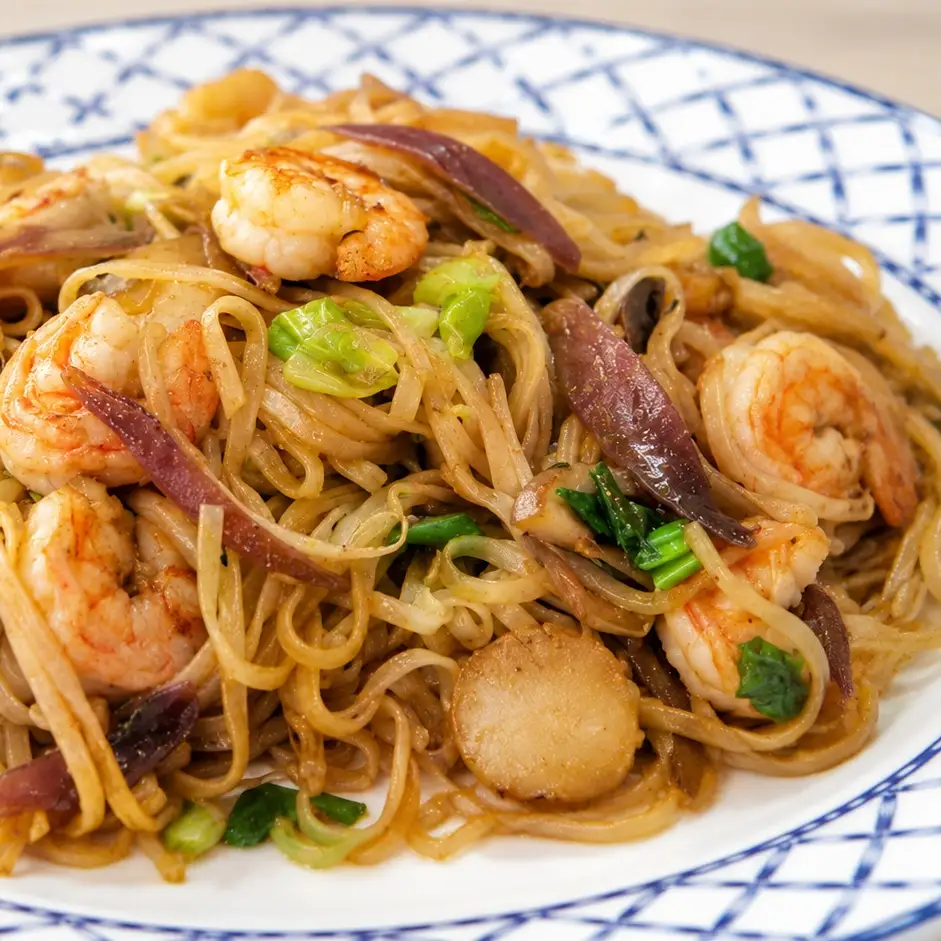
Shrimp stir-fried noodles are a fast wok-style noodle dish made with shrimp, mushrooms, onions, garlic, ginger, soy sauce and a little heat. This version is not creamy, not baked and not heavy. It is the kind of quick seafood noodle recipe I make when I want something generous, hot, salty, a little spicy and ready without a long sauce.
This recipe is based on my YouTube video, with a few adjustments since publication to make the proportions easier to reproduce at home. In the video, I used a very generous amount of shrimp, but for the written version I prefer to balance the shrimp and noodles a little better so every bite has seafood without the pan becoming overloaded.
The main thing to avoid here is overcooking the shrimp. They should go from gray to pink and opaque, then they are almost done. At that point, the noodles and sauce finish everything together. What I look for is a hot wok, mushrooms that have started to brown, onions that smell sweet, and noodles that look glossy rather than wet.
What Makes This Recipe Work
I make it this way because the flavor starts in the oil. Garlic and ginger hit the hot wok first, just long enough to perfume the oil. Not too long. Burnt garlic will turn bitter fast, especially over high heat.
The mushrooms and onions go in before the shrimp because they need more time. Mushrooms release water, then start to brown once that moisture cooks off. That little bit of color gives the noodles a deeper taste without needing a complicated sauce.
This recipe is different from a creamy seafood pasta like creamy shrimp pasta with garlic basil sauce because the sauce here is soy-based and light. It is also very different from creamy Pernod shrimp with capellini, which is more French-inspired, rich and elegant. This one is more of a quick wok dinner, closer to a takeout-style noodle dish, but fresher and less heavy.
For more weeknight noodle and pasta ideas, this also fits naturally beside my easy weeknight pasta dinners and the broader pasta recipes collection, but it has its own place because it is seafood-focused, fast and cooked over high heat.
Ingredients
For 3 portions:
- 12 to 14 oz raw shrimp, peeled and deveined
- 10 to 12 oz fresh Asian wheat noodles or chow mein-style noodles
- 2 tbsp peanut oil or neutral vegetable oil
- 1 medium onion, thinly sliced
- 7 oz white mushrooms, cleaned and cut in halves or quarters
- 3 green onions, sliced, white and green parts separated
- 3 garlic cloves, finely chopped
- 1 tbsp fresh ginger, finely chopped or grated
- 1 small can sliced water chestnuts, drained
- Black pepper, to taste

Sauce
- 3 tbsp low-sodium soy sauce
- 1 tbsp oyster sauce or hoisin sauce
- 1 tsp toasted sesame oil
- 1 tsp sugar, honey or maple syrup
- 1 to 2 tsp chili sauce, sambal or sriracha, to taste
Step-by-Step Instructions
1. Prepare everything before heating the wok
Slice the onion, cut the mushrooms, chop the garlic and ginger, drain the water chestnuts, and slice the green onions. Keep the green tops of the onions for the end.

This is not the type of recipe where you chop while the pan is heating. Once the wok is hot, everything moves quickly. Shrimp especially do not wait for you.
Pat the shrimp dry with paper towel. This small step matters. Wet shrimp release steam and water, and then the wok cools down. Dry shrimp sear better and stay juicier.

2. Cook the noodles
Cook the noodles according to the package instructions, but keep them slightly firm. They will go back into the wok, so you do not want them too soft.
If using fresh noodles, they may only need a quick blanch or rinse. If using dry noodles, cook them, drain them and toss with a tiny drizzle of oil if they are sticking together.
The mistake to avoid is using overcooked noodles. Once they are too soft, the wok will break them apart and the final dish can feel heavy instead of springy.
3. Mix the sauce
In a small bowl, stir together the soy sauce, oyster sauce or hoisin, toasted sesame oil, sugar and chili sauce.
The sauce should taste salty, a little sweet, a little spicy and round. It will taste strong on its own, but once it coats the noodles, shrimp and vegetables, it balances out.
I use low-sodium soy sauce because regular soy sauce can make the dish too salty quickly, especially when the noodles absorb the sauce.
4. Start with garlic and ginger
Heat the wok over high heat until it is very hot. Add the oil, then add the garlic, ginger and the white parts of the green onions.

Stir for about 20 to 30 seconds. You should smell the garlic and ginger right away. If the garlic starts turning dark brown, lower the heat a little or move quickly to the next step.
5. Add the onions and mushrooms
Add the sliced onion and mushrooms. Stir-fry over high heat for 3 to 4 minutes.
At first, the mushrooms will look like they are steaming. Keep going. Once the moisture starts to cook off, the mushrooms will pick up some color and the onion will soften. That is what you want.
Do not add the shrimp too early. The vegetables need a head start.
6. Add the shrimp
Add the shrimp and stir-fry for 60 to 90 seconds.

They do not need to be fully cooked yet. They should just start turning pink around the edges. If they are completely firm before the noodles go in, they may overcook by the time the dish is finished.
This is the part where you stay near the wok. Shrimp cook fast.
7. Add noodles, water chestnuts and sauce
Add the cooked noodles and drained water chestnuts. Pour in the sauce.

Toss everything together for 1 to 2 minutes. The noodles should become shiny and coated, not soupy. If they look dry, add 1 or 2 tbsp of water and toss again. If they look too wet, keep tossing over high heat for another 30 seconds.

The water chestnuts add crunch, which is nice against the soft noodles and tender shrimp.
8. Finish with green onions
Turn off the heat and add the green tops of the onions. Toss once more.
Taste before serving. Add a little more soy sauce if needed, or a few extra drops of chili sauce if you want more heat.
Serve hot, with a few shrimp placed on top so the dish looks generous.

Substitutions
You can use chicken instead of shrimp, but slice it thin and cook it fully before adding the noodles. For another chicken option on the site, try creamy Tuscan chicken pasta when you want something richer.
For the noodles, fresh wheat noodles are my first choice. Chow mein-style noodles also work well. Rice noodles can work, but handle them gently because they break more easily in the wok.
Oyster sauce gives the best savory depth, but hoisin works if you want a slightly sweeter sauce. If you prefer a lighter sauce, use only soy sauce, sesame oil and a small pinch of sugar.
Mushrooms can be replaced with bell peppers, snap peas, broccoli florets or zucchini. Just keep the pieces small enough so they cook quickly.
If you enjoy seafood recipes, this dish pairs nicely with other lighter seafood ideas like garlic butter shrimp baked with lemon and parsley, salmon, tuna and shrimp poke bowl or air fryer salmon bites.
FAQ
Can I use frozen shrimp?
Yes. Thaw them completely, then pat them very dry. If they go into the wok icy or wet, they will release too much water and the dish will steam.
What noodles are best?
Fresh Asian wheat noodles or chow mein-style noodles are best because they hold up well in the wok. Dry noodles also work, but cook them just until firm.
Can I make this less spicy?
Yes. Use only a few drops of chili sauce or leave it out completely. The garlic, ginger and soy sauce still give the dish plenty of flavor.
Can I make it ahead?
It is best served right away. Stir-fried noodles lose some texture after sitting. If you do have leftovers, reheat them in a hot pan with a splash of water.
Why are my shrimp rubbery?
They cooked too long. For medium shrimp, 60 to 90 seconds before adding the noodles is usually enough. They finish cooking while you toss everything together.
Is this a lighter dinner?
It is lighter than creamy pasta because the sauce is based on soy sauce, aromatics and a small amount of oil. It still has protein from the shrimp and enough noodles to feel like a real meal, but it is not a heavy cream-based dish.
What to Serve With Shrimp Stir-Fried Noodles
This can be a full meal on its own, but I like serving it with something fresh or crunchy on the side.
A simple salad works well, especially if you want contrast. If you are building a seafood night, serve these noodles before or after crispy fried calamari for a more generous meal.
For sauce lovers, a small spoonful of homemade ranch dressing can go with raw vegetables on the side, even though I would not mix it into the noodles. If you want to learn more about sauce texture and balance, my guide on how to make a smooth, rich sauce at home is useful, even for understanding why this soy-based sauce stays lighter.
If you want another quick savory dinner with a different protein, try easy sweet and sour pork or one-pan smoked sausage pasta. They are not the same style, but they fit the same weeknight cooking mood.

Easy Shrimp Stir-Fried Noodles
Ingredients
- 12 to 14 oz raw shrimp peeled and deveined
- 10 to 12 oz fresh Asian wheat noodles or chow mein-style noodles
- 2 tbsp peanut oil or neutral vegetable oil
- 1 medium onion thinly sliced
- 7 oz white mushrooms cleaned and cut in halves or quarters
- 3 green onions sliced, white and green parts separated
- 3 garlic cloves finely chopped
- 1 tbsp fresh ginger finely chopped or grated
- 1 small can sliced water chestnuts drained
- Black pepper to taste
- Sauce
- 3 tbsp low-sodium soy sauce
- 1 tbsp oyster sauce or hoisin sauce
- 1 tsp toasted sesame oil
- 1 tsp sugar honey or maple syrup
- 1 to 2 tsp chili sauce sambal or sriracha, to taste
Instructions
- Slice the onion, cut the mushrooms, chop the garlic and ginger, drain the water chestnuts and slice the green onions. Keep the green tops for the end.
- Pat the shrimp dry with paper towel.
- Cook the noodles according to package instructions, keeping them slightly firm. Drain and reserve.
- Mix the soy sauce, oyster sauce or hoisin, sesame oil, sugar and chili sauce in a small bowl.
- Heat a wok over high heat. Add the oil, then the garlic, ginger and white parts of the green onions. Stir for 20 to 30 seconds.
- Add the onion and mushrooms. Stir-fry for 3 to 4 minutes, until the mushrooms release moisture and start to color.
- Add the shrimp and cook for 60 to 90 seconds, just until they start turning pink.
- Add the noodles, water chestnuts and sauce. Toss for 1 to 2 minutes, until the noodles are glossy and coated.
- Add the green onion tops, toss once more and serve hot.
- Taste and adjust with extra soy sauce or chili sauce if needed.
Video
Notes
FAQ
Can I use frozen shrimp?
Yes. Thaw them completely, then pat them very dry. If they go into the wok icy or wet, they will release too much water and the dish will steam.What noodles are best?
Fresh Asian wheat noodles or chow mein-style noodles are best because they hold up well in the wok. Dry noodles also work, but cook them just until firm.Can I make this less spicy?
Yes. Use only a few drops of chili sauce or leave it out completely. The garlic, ginger and soy sauce still give the dish plenty of flavor.Can I make it ahead?
It is best served right away. Stir-fried noodles lose some texture after sitting. If you do have leftovers, reheat them in a hot pan with a splash of water.Why are my shrimp rubbery?
They cooked too long. For medium shrimp, 60 to 90 seconds before adding the noodles is usually enough. They finish cooking while you toss everything together.Is this a lighter dinner?
It is lighter than creamy pasta because the sauce is based on soy sauce, aromatics and a small amount of oil. It still has protein from the shrimp and enough noodles to feel like a real meal, but it is not a heavy cream-based dish.🔗 Useful Links
🛒 Michel Dumas Shop : Explore our kitchen essentials, including aprons and knives.
🌐 Linktree : Access all our important links in one place.
📱 YouTube | Instagram | Facebook | TikTok : Follow us for the latest recipes and culinary tips.