Beef Chow Mein, Fast Stir-Fried Noodles with Tender Beef and Crunchy Vegetables
Beef chow mein is a quick stir-fried noodle dish made with thin pieces of marinated beef, egg noodles, crisp vegetables, and a glossy soy-based sauce. It is the kind of meal I make when I want something faster than ordering takeout, but still cooked properly in the pan with real browning, texture, and a sauce that coats the noodles instead of drowning them.
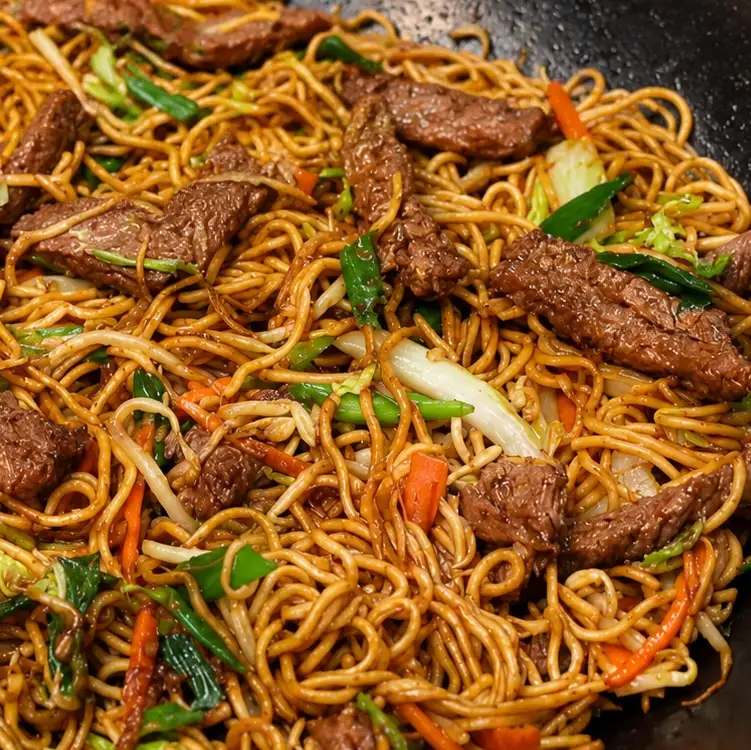
This recipe is based on my YouTube video for Nouilles Sautées au Bœuf, with a few adjustments since publication. I reduced the saltiness a little, added a small splash of water or broth to help the sauce coat the noodles more evenly, and clarified the noodle quantity so the recipe works better for home cooks using either fresh or dry noodles. What I look for here is simple: beef that stays tender, noodles that do not turn mushy, vegetables that keep a little bite, and a wok or skillet that smells like garlic, soy sauce, and toasted sesame by the end.
What Makes This Beef Chow Mein Different
This is not a creamy pasta, not a slow beef stew, and not a heavy noodle casserole. It is a fast, high-heat stir-fry where every ingredient has a job.
The beef is coated with cornstarch, soy sauce, and Shaoxing wine so it sears quickly and stays juicy. The vegetables are sliced thin so they cook fast without losing all their crunch. The sauce is salty, slightly sweet, and glossy, but not too thick. I prefer to add a little water or unsalted broth to the sauce because most home stoves do not behave like restaurant burners. That small adjustment helps the sauce move through the noodles instead of sticking in one salty spot.
The mistake to avoid is overcrowding the pan and boiling everything together. If the beef releases too much juice, remove it, let the pan get hot again, and continue. You want sizzling, not steaming.
For another fast beef dinner with a stronger peppery sauce, try my black pepper beef stir-fry. If you want something sweet and savory but without noodles, my Mongolian-style beef is in the same quick dinner family.
Ingredients You Will Need
For the beef, bavette or flank steak works very well because it has good flavor and cooks quickly. You can also use sirloin, ribeye, strip steak, or hanger steak. The key is to slice the meat into small, even bite-size pieces so it cooks fast.
For the noodles, fresh or semi-fresh chow mein egg noodles are ideal. If you use dry egg noodles, use less by weight because they expand more after boiling. This detail matters. Three hundred grams of fresh noodles is a normal family-style quantity, but three hundred grams of dry noodles becomes a much larger batch.
The vegetables stay simple: Napa cabbage, carrots, green onions, garlic, and bean sprouts. Napa cabbage softens fast and gives the noodles a nice sweet crunch. Bean sprouts go in at the end so they stay fresh and snappy.

For the sauce, you need soy sauce, oyster sauce, sugar, toasted sesame oil, and a little water or unsalted broth. Do not add extra salt before tasting. Soy sauce and oyster sauce already do most of the seasoning.
How to Make Beef Chow Mein
Start with the beef. Cut it into bite-size pieces, not big strips. In a bowl, mix the beef with cornstarch, soy sauce, Shaoxing wine or dry sherry, and a small spoon of neutral oil. The beef should feel lightly coated, almost slippery, but not wet like soup. Let it sit while you prepare the vegetables and sauce.

Mix the sauce in a small bowl: soy sauce, oyster sauce, sugar, toasted sesame oil, and water or unsalted broth. The sauce will taste strong if you dip a spoon in it. That is normal. It has to season the noodles, vegetables, and beef. Still, I reduce the soy slightly from the original video version because different brands can be very salty, especially regular supermarket soy sauce.

Now prepare the vegetables. Thinly slice the Napa cabbage. Cut the carrots into fine sticks. Chop the garlic. Slice the green onions and keep the white parts separate from the green tops. The whites can handle the heat. The green tops are better at the end.
Cook the noodles according to the package directions. Usually, fresh or semi-fresh egg noodles only need a few minutes. Once cooked, drain them and rinse with cold water to stop the cooking. This is important. Hot, overcooked noodles will continue softening in the wok and can break apart when tossed. After rinsing, coat them with a small drizzle of neutral oil so they do not stick together.

Heat a wok or a large skillet over high heat. When the pan is hot, add the oil, then the beef. Spread it out and let it sear before moving it too much. You want some color on the edges. Cook briefly, about 45 seconds per side if the pieces are small, then remove the beef. It does not need to be completely cooked at this stage because it will return to the pan later.

Add a little more oil only if the pan looks dry. Add the garlic and stir for about 20 to 30 seconds. It should smell good right away, but do not let it burn. Add the Napa cabbage, carrots, and white parts of the green onions. Toss for 2 to 3 minutes. The cabbage should soften slightly, but the carrots should still have some bite.

Add the noodles. Toss them with the vegetables and let them fry for about 1 minute. At this point, it should sound lively in the pan. If everything is silent and wet, the heat is too low or the pan is too crowded.

Stir the sauce again, then pour it over the noodles. Toss well so the sauce coats everything. Return the beef to the pan and mix. Add the bean sprouts and the green onion tops at the end. Toss just long enough to warm them through.

You know it is ready when the noodles look glossy, the beef is hot and tender, the vegetables are still bright, and there is no puddle of sauce sitting at the bottom of the pan.
Why the Sauce Was Adjusted
In the original video, the sauce uses a generous amount of soy sauce, oyster sauce, and sugar. It works, especially with the right noodles and a hot wok, but for a website recipe, I prefer to make it a little more reliable.
Some soy sauces are much saltier than others. Some people will use dry noodles instead of fresh noodles. Some pans will run hotter or colder. By adding a little water or unsalted broth, the sauce spreads more evenly and becomes less aggressive. It still tastes like chow mein, just with better balance.
If you want a sweeter, takeout-style finish, use the full amount of sugar. If you prefer a more savory version, keep it closer to the lower amount listed in the recipe card.

For a different noodle direction with chicken and a glossy sauce, you can also try these teriyaki chicken noodles, or go toward rice noodles with my easy chicken Pad Thai.
Substitutions
Bavette or flank steak can be replaced with sirloin, ribeye, strip steak, hanger steak, pork tenderloin, or chicken breast. If using chicken, slice it thinly and cook it through before adding it back to the noodles.
Shaoxing wine gives the best flavor, but dry sherry works well. If you do not want to use wine, replace it with a little water or unsalted broth. The flavor will be simpler, but the recipe will still work.
Napa cabbage can be replaced with bok choy, thinly sliced green cabbage, or savoy cabbage. Bean sprouts are nice for crunch, but if you do not have them, add extra cabbage or a handful of snow peas.
Fresh chow mein noodles are best, but dry egg noodles work too. Just use less dry weight and do not overcook them.
Peanut oil is excellent for high-heat stir-frying, but canola, vegetable oil, or avocado oil also work.
Nutrition and Meal Context
This is a hearty noodle dinner with a good amount of protein from the beef and plenty of vegetables folded into the pan. It is still a stir-fried noodle dish, so it is not meant to be a light salad or low-sodium meal. The best balance comes from keeping the portions reasonable and not adding extra salt at the end.
For something lighter and crunchy on the side, I like serving this with a vinegar-based salad such as Quebec-style cabbage salad. If you prefer a creamier side, creamy coleslaw works too, especially for a family-style takeout-inspired supper.
FAQ
Can I make this without a wok?
Yes. Use the widest skillet you have and heat it well before adding the beef. A large stainless steel or cast iron skillet works better than a small nonstick pan because it holds more heat.
Why do I rinse the noodles?
Rinsing stops the cooking and removes surface starch. This helps the noodles stay separate when they go into the wok.
Can I make it less salty?
Yes. Use low-sodium soy sauce, keep the added broth or water in the sauce, and do not add extra salt. You can also reduce the soy sauce slightly and add more oyster sauce for a rounder flavor.
Can I prepare anything ahead?
Yes. You can slice the beef, mix the sauce, and cut the vegetables ahead. Cook the noodles shortly before stir-frying if possible, or rinse and oil them well so they do not stick.
Why is my beef tough?
It was probably cooked too long, sliced too thick, or boiled in a crowded pan. Sear quickly, remove it, then return it at the end.
Can I use spaghetti?
You can, but it will not have the same texture as chow mein egg noodles. If using spaghetti, cook it slightly firm and rinse it before stir-frying.
What to Serve With Beef Chow Mein
This dish is complete on its own, but it also fits well with other quick, takeout-style recipes. For a chicken option in the same family, try easy chicken chow mein or sweet and sour chicken. For another glossy soy-based dinner, sticky soy chicken drumsticks are a good match.
If you want rice instead of noodles next time, homemade beef fried rice keeps the same fast stir-fry spirit. For a broader dinner plan, the easy 30-minute chicken dinners page is useful when you want quick weeknight ideas without repeating the same recipe.
For sauce technique, especially if you like understanding how sauces coat food, my guide to smooth homemade creamy sauces is a good base even though this chow mein sauce is not creamy. The same idea applies: the sauce should cling, not separate.

Beef Chow Mein, Fast Stir-Fried Noodles with Tender Beef and Crunchy Vegetables
Ingredients
- For the beef marinade
- 12 oz flank steak or bavette cut into bite-size pieces
- 1 tablespoon cornstarch
- 2 teaspoons soy sauce
- 1 tablespoon plus 1 teaspoon Shaoxing wine or dry sherry
- 1 teaspoon neutral oil
- For the sauce
- 2 tablespoons plus 2 teaspoons soy sauce
- 1 tablespoon plus 1 teaspoon oyster sauce
- 1 to 1 1/2 tablespoons sugar
- 1 teaspoon toasted sesame oil
- 2 to 3 tablespoons water or unsalted broth
- For the stir-fry
- 10 1/2 oz fresh chow mein egg noodles or 7 to 8 oz dry egg noodles
- 1 1/2 to 2 cups thinly sliced Napa cabbage
- 2 carrots cut into thin matchsticks
- 3 to 4 green onions whites and greens separated
- 2 to 3 garlic cloves chopped
- 1 to 1 1/2 cups bean sprouts
- 1 to 1 1/2 tablespoons peanut oil or neutral oil plus more only if needed
- 1 teaspoon neutral oil for coating the cooked noodles
Instructions
- Cut the beef into small bite-size pieces. Mix with cornstarch, soy sauce, Shaoxing wine or dry sherry, and neutral oil. Let marinate for 15 minutes.
- In a small bowl, mix the soy sauce, oyster sauce, sugar, toasted sesame oil, and water or unsalted broth. Set aside.
- Slice the Napa cabbage, carrots, garlic, and green onions. Keep the white and green parts of the green onions separate.
- Cook the noodles according to the package directions. Drain, rinse under cold water, and toss with 1 teaspoon neutral oil.
- Heat a wok or large skillet over high heat. Add the peanut oil, then sear the beef quickly until browned on the edges. Remove and reserve.
- Add a little more oil only if needed. Add the garlic and cook for 20 to 30 seconds.
- Add the Napa cabbage, carrots, and white parts of the green onions. Stir-fry for 2 to 3 minutes.
- Add the noodles and toss for about 1 minute.
- Stir the sauce again, then pour it over the noodles. Toss well.
- Return the beef to the pan. Add the bean sprouts and green onion tops. Toss just until everything is hot and glossy.
- Serve immediately.
Notes
FAQ
Can I make this without a wok?
Yes. Use the widest skillet you have and heat it well before adding the beef. A large stainless steel or cast iron skillet works better than a small nonstick pan because it holds more heat.Why do I rinse the noodles?
Rinsing stops the cooking and removes surface starch. This helps the noodles stay separate when they go into the wok.Can I make it less salty?
Yes. Use low-sodium soy sauce, keep the added broth or water in the sauce, and do not add extra salt. You can also reduce the soy sauce slightly and add more oyster sauce for a rounder flavor.Can I prepare anything ahead?
Yes. You can slice the beef, mix the sauce, and cut the vegetables ahead. Cook the noodles shortly before stir-frying if possible, or rinse and oil them well so they do not stick.Why is my beef tough?
It was probably cooked too long, sliced too thick, or boiled in a crowded pan. Sear quickly, remove it, then return it at the end.Can I use spaghetti?
You can, but it will not have the same texture as chow mein egg noodles. If using spaghetti, cook it slightly firm and rinse it before stir-frying.🔗 Useful Links
🛒 Michel Dumas Shop : Explore our kitchen essentials, including aprons and knives.
🌐 Linktree : Access all our important links in one place.
📱 YouTube | Instagram | Facebook | TikTok : Follow us for the latest recipes and culinary tips.