Fast Homemade Vinaigrette Recipe With Mustard
This homemade vinaigrette is a quick mustard-based salad dressing made with vinegar, oil, salt, pepper, and Dijon-style mustard. It is sharper and more direct than a creamy dressing, and it works when you want something fast for greens, cherry tomatoes, grated carrots, or a simple dinner salad. I make it when I want a dressing that tastes homemade in 5 minutes without pulling out half the pantry.
This recipe is based on my YouTube video, with a few adjustments since publication. In the video, the oil amount was not clearly measured, so I corrected the proportions here to make the recipe easier to reproduce at home. I also prefer to start with a little less salt because mustard already brings salt and intensity.
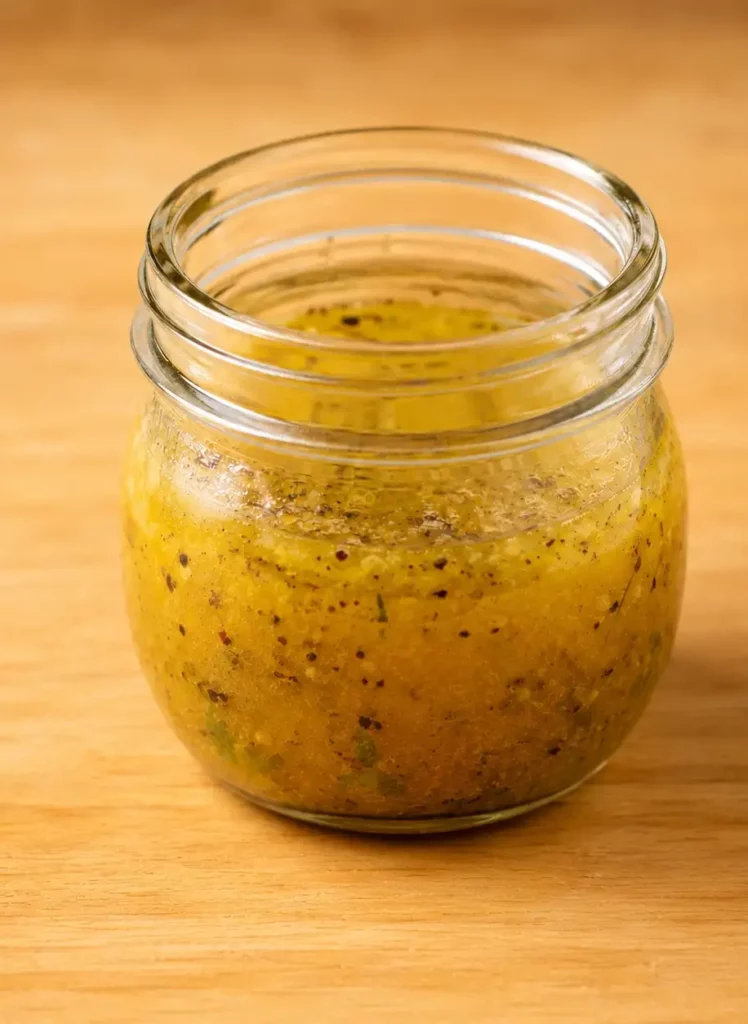
The reason this dressing works is the mustard. Mustard gives flavour, but it also helps the oil and vinegar come together for a short time. The mistake to avoid is adding too little oil. If the vinegar is too strong compared with the oil, the dressing will taste harsh instead of balanced. What I look for here is a smooth, glossy dressing that lightly coats a spoon, not something thick like mayonnaise and not something watery like straight vinegar.
This is not a creamy salad dressing like fresh homemade ranch dressing, and it is not sweet like honey Dijon vinaigrette. It is a quick, everyday house vinaigrette with a strong mustard backbone. For a brighter citrus version, I would go with a quick lemon vinaigrette instead.
Why I Make It This Way
I make it this way because a vinaigrette needs balance before anything else. Vinegar brings acidity, mustard brings body and sharpness, oil rounds everything out, and salt wakes up the flavour. If one of those parts is too loud, the dressing feels off right away.
The ratio I prefer here is simple: 1 part vinegar to 3 parts oil. With 2 tablespoons of vinegar, that means 6 tablespoons of oil. That gives the dressing enough acidity to taste fresh, but not so much that it burns the back of the throat.
I keep the mustard a little generous because this is the style from the video. It gives the dressing a bistro feeling, especially over bitter greens, endive, romaine, or a salad with tomatoes. If the mustard is very strong, I use 1 tablespoon. If I want that real mustard-forward taste, I use 1 1/2 tablespoons.
At this point, it should look slightly creamy and golden once blended or shaken. If it separates later, nothing is wrong. This is an unstable emulsion. Close the bottle, shake it hard for a few seconds, and it comes back together.
Ingredients
For the vinaigrette:
- 1 to 1 1/2 tablespoons Dijon mustard
- 2 tablespoons red wine vinegar or white wine vinegar
- 6 tablespoons oil
- 1/4 teaspoon salt, then more to taste
- 1/3 teaspoon freshly ground black pepper
For serving, optional:
- Mixed greens
- Cherry tomatoes
- Chopped parsley
- Mesclun
- Edible flowers, optional
Best Vinegar and Oil to Use
For a classic house dressing, I prefer red wine vinegar or white wine vinegar. Red wine vinegar gives a slightly deeper, sharper taste. White wine vinegar is a little cleaner and softer. Apple cider vinegar also works, but it gives the vinaigrette a rounder, fruitier taste.
For the oil, use something that fits the salad. A neutral oil keeps the dressing smooth and mild. Olive oil gives more character, especially with tomatoes, bitter greens, tuna, grilled vegetables, or a salad served with fish.
If using extra-virgin olive oil, I prefer to blend briefly or shake in a jar. Over-blending olive oil can sometimes make the dressing taste a little bitter. It is not dramatic, but for a small dressing like this, a jar works very well.
This dressing is lighter than creamy dressings because it has no mayonnaise, cream, or dairy, but it is still oil-based. A little goes a long way. Usually 1 to 2 tablespoons is enough for a normal salad portion.
How to Make Homemade Vinaigrette
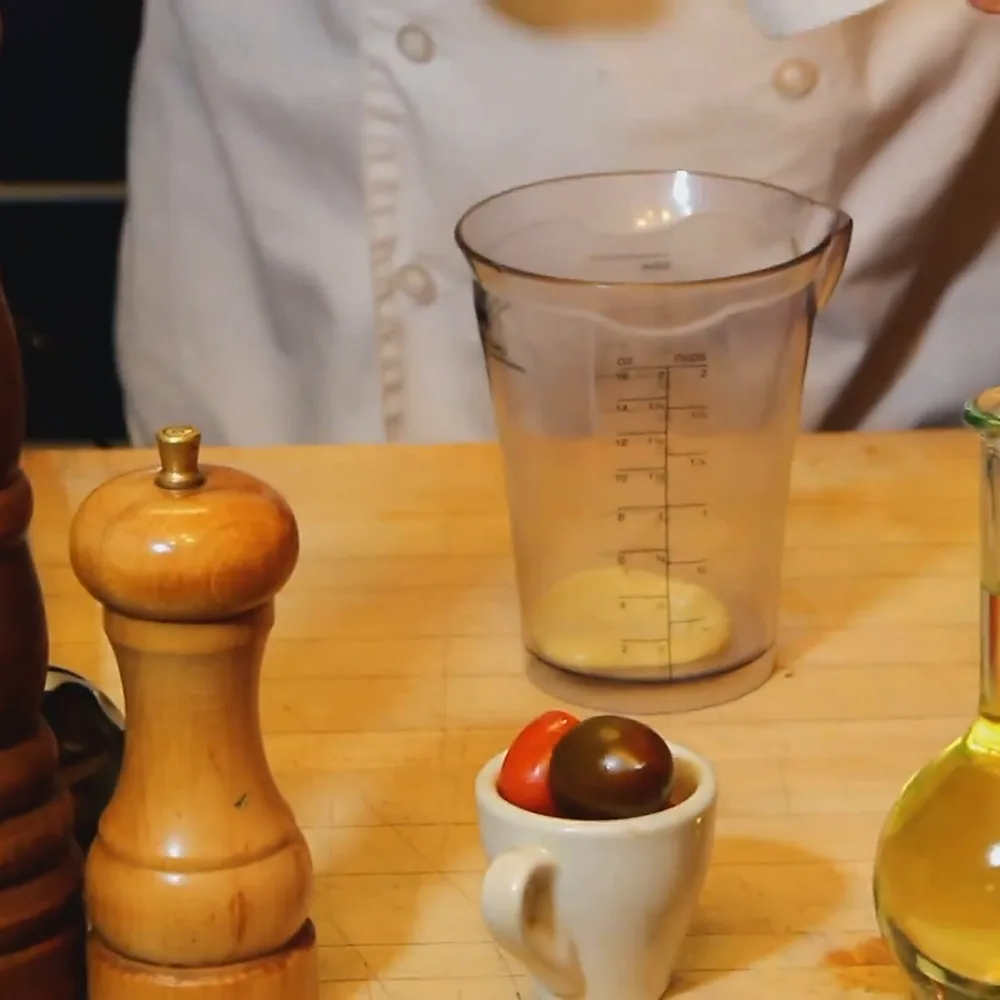
Add the mustard to a small blender, jar, or bowl. If using a jar, choose one with a tight lid because you will need to shake it well.
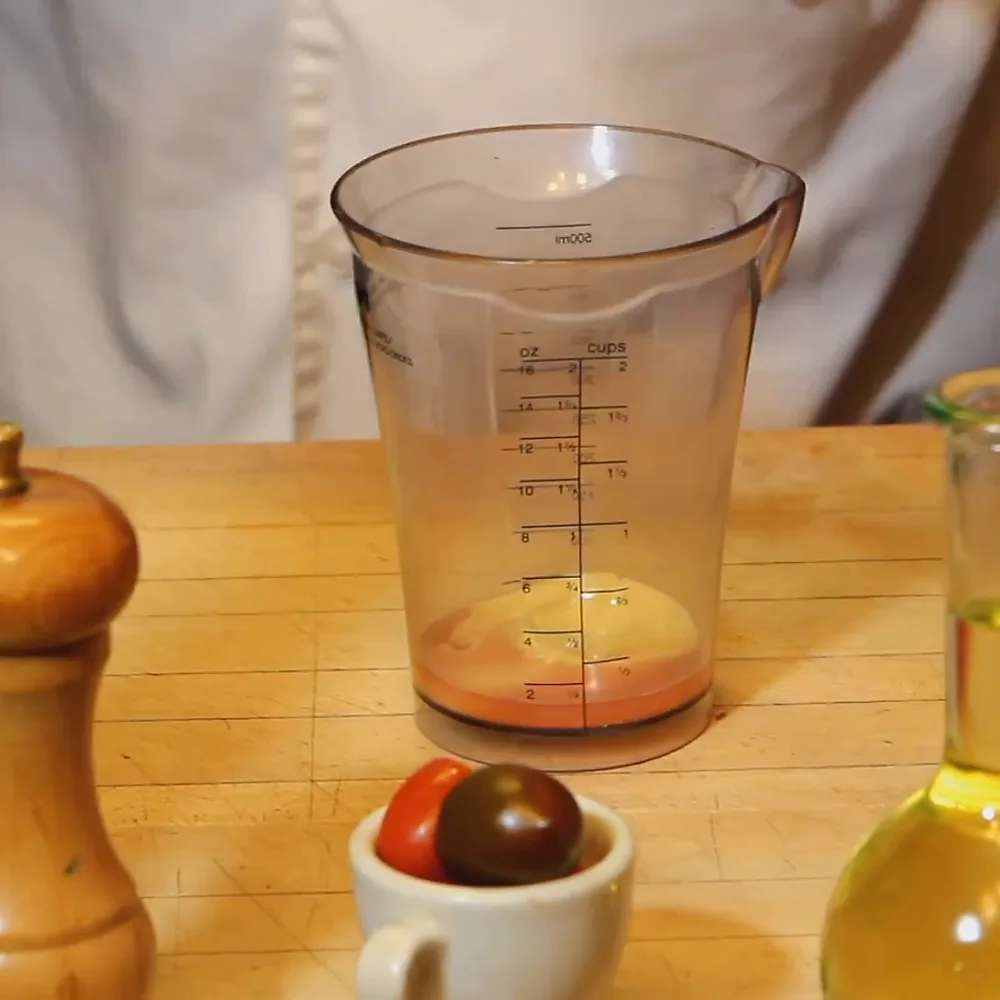
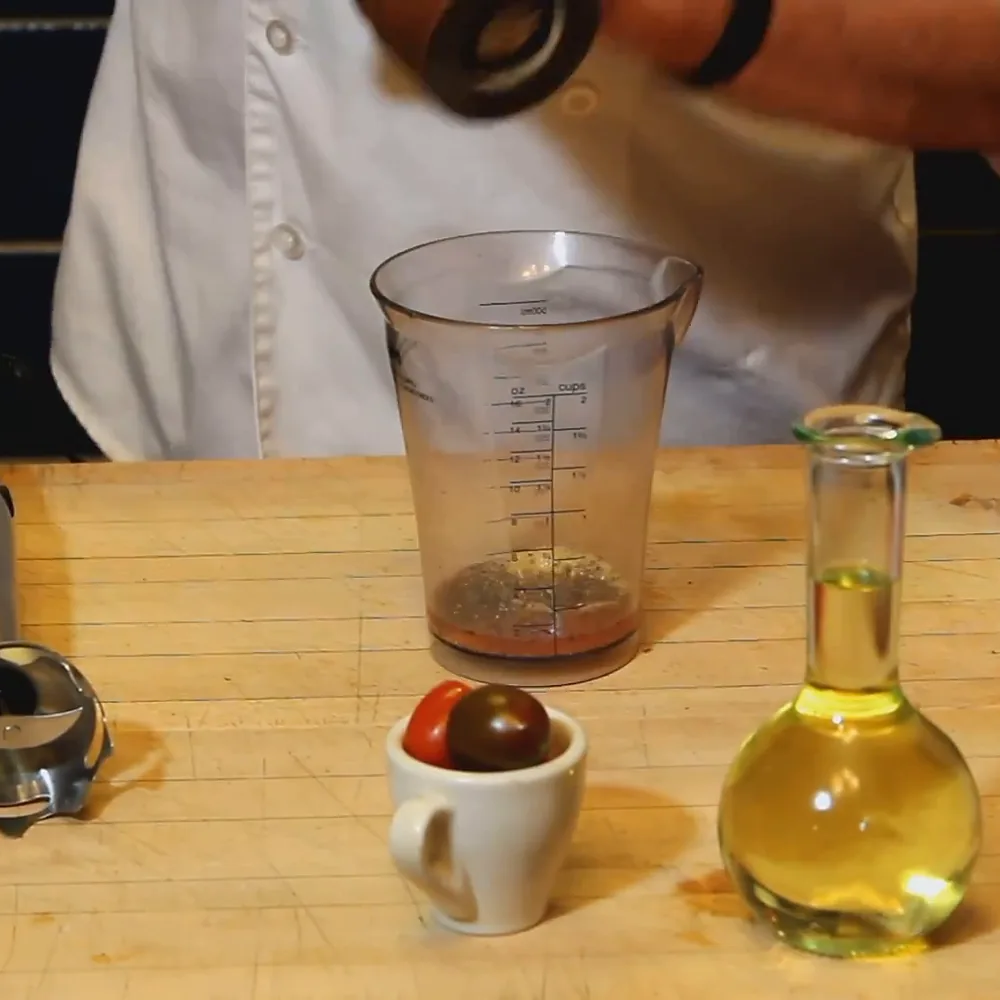
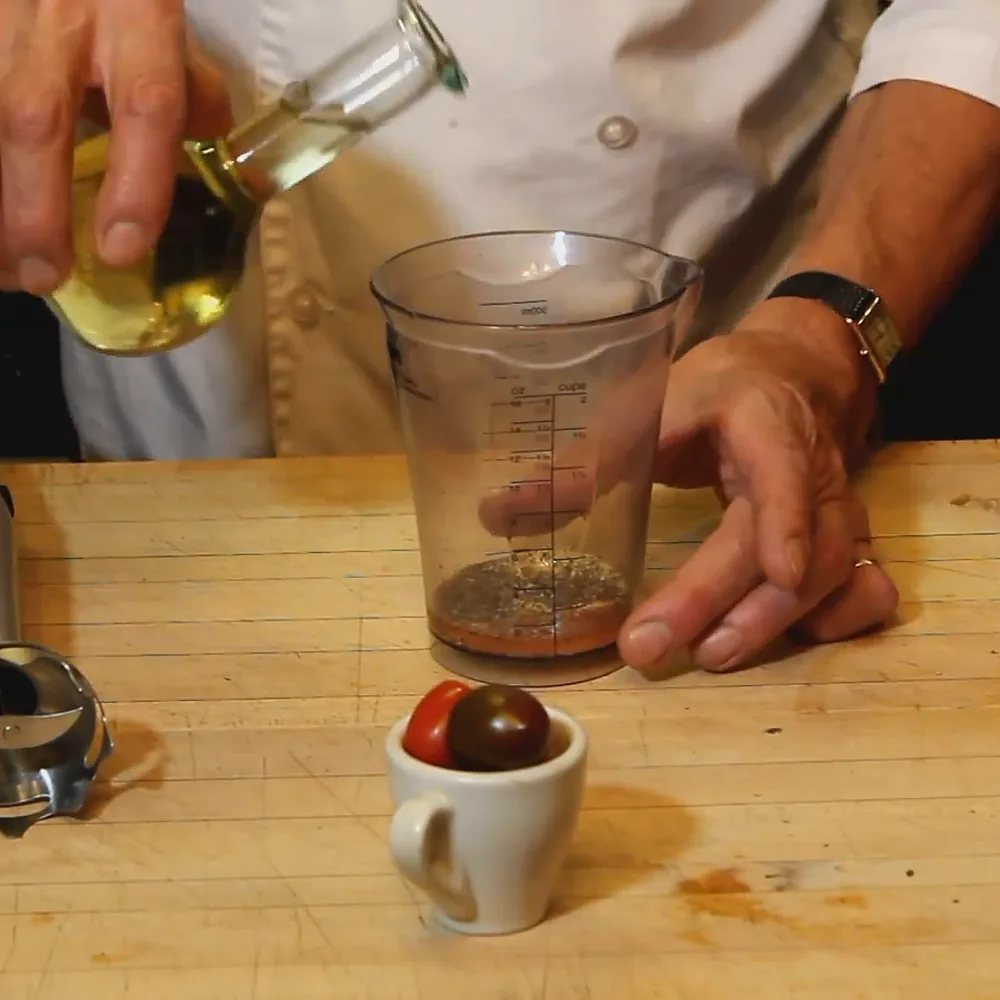
Add the vinegar, salt, and pepper. Stir or shake this first if you want the salt to start dissolving before the oil goes in. It is a small detail, but it helps the seasoning spread more evenly.
Pour in the oil. Use 6 tablespoons oil for 2 tablespoons vinegar. This is the important correction from the video version, where the oil quantity was not clearly stated.
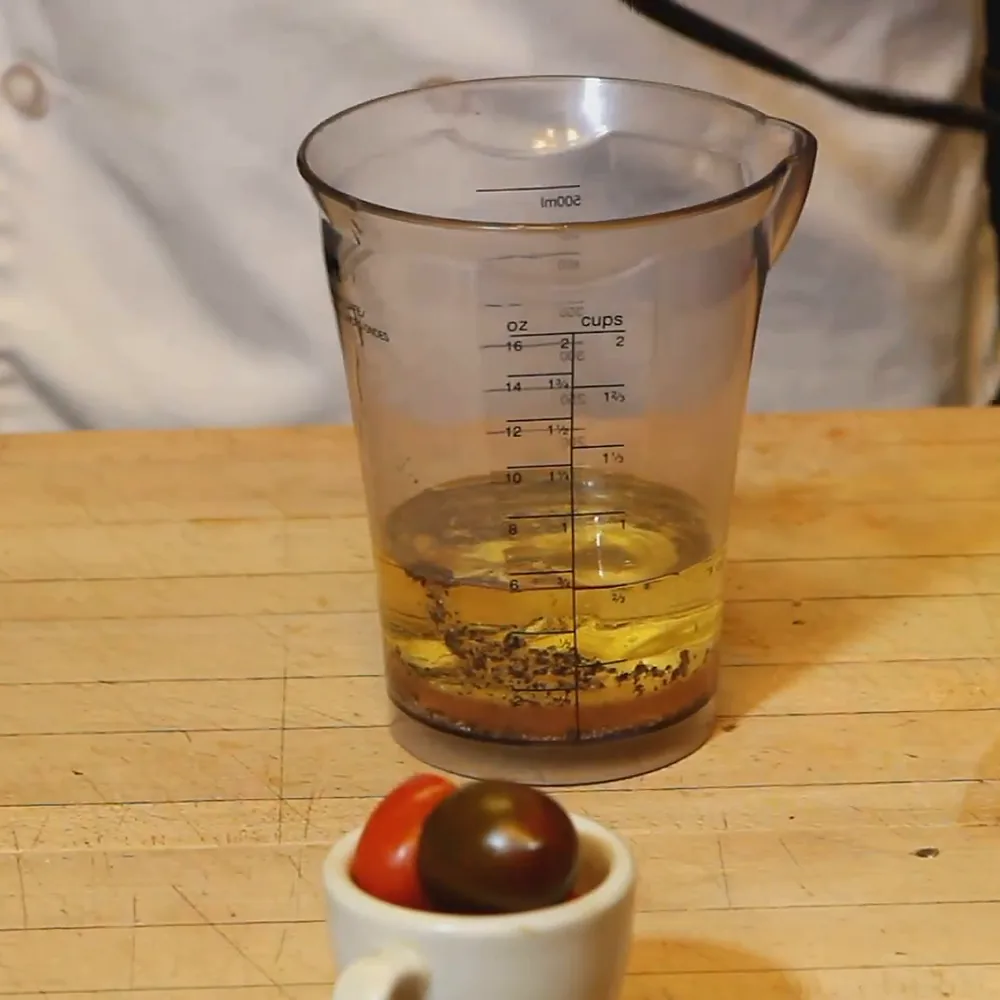
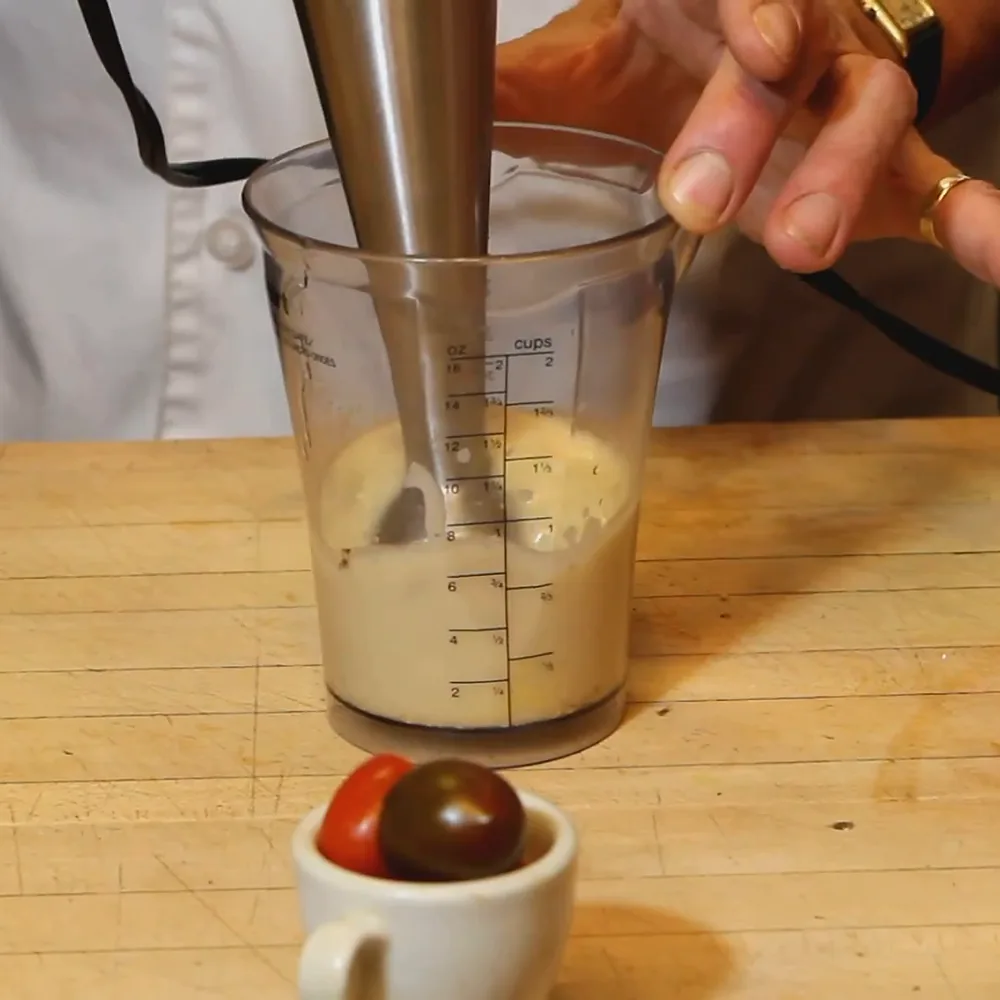
Blend, whisk, or shake until the dressing looks smooth and slightly thickened. You know it is ready when the oil no longer floats on top and the vinaigrette has a glossy look. It should pour easily, but it should not look completely thin.
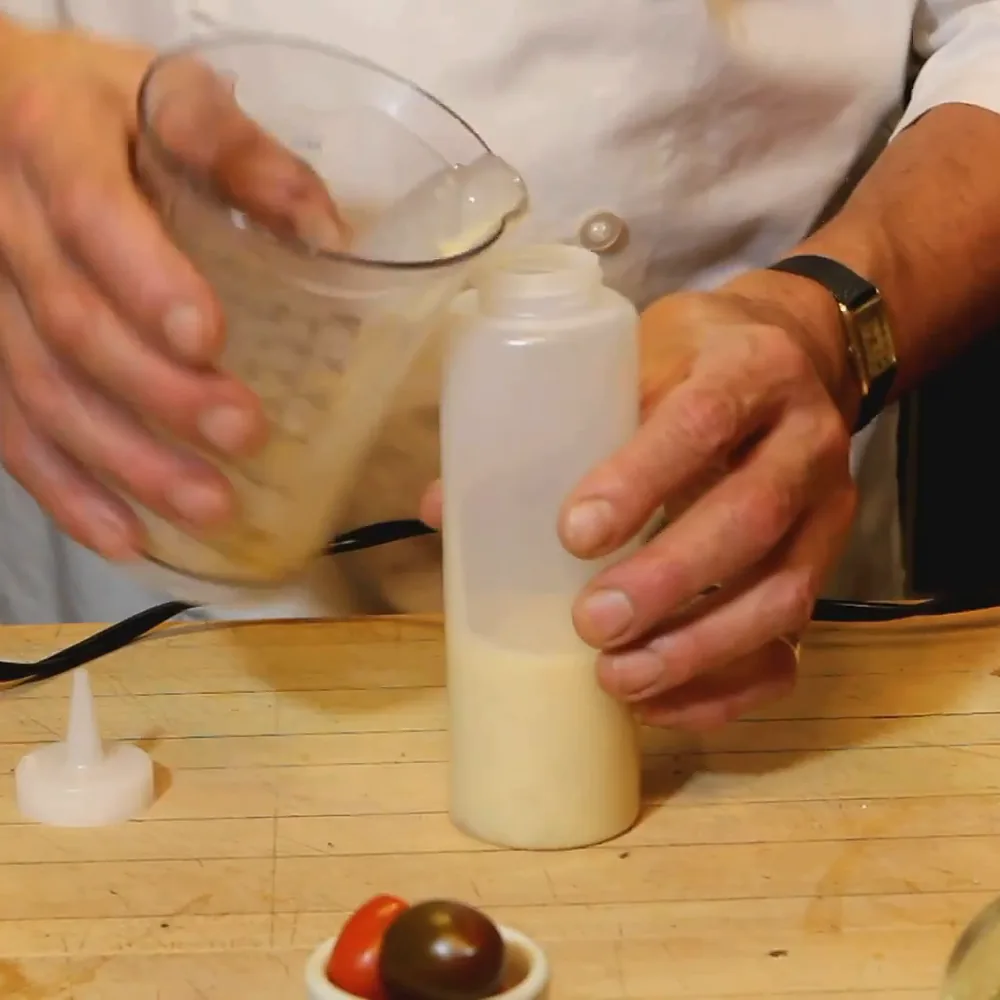
Taste it with a piece of lettuce, not just from a spoon. A vinaigrette always tastes stronger by itself. On lettuce, tomatoes, carrots, or cucumbers, it softens. If it tastes flat, add a pinch of salt. If it tastes too sharp, add a little more oil. If it tastes too oily, add a few drops of vinegar.
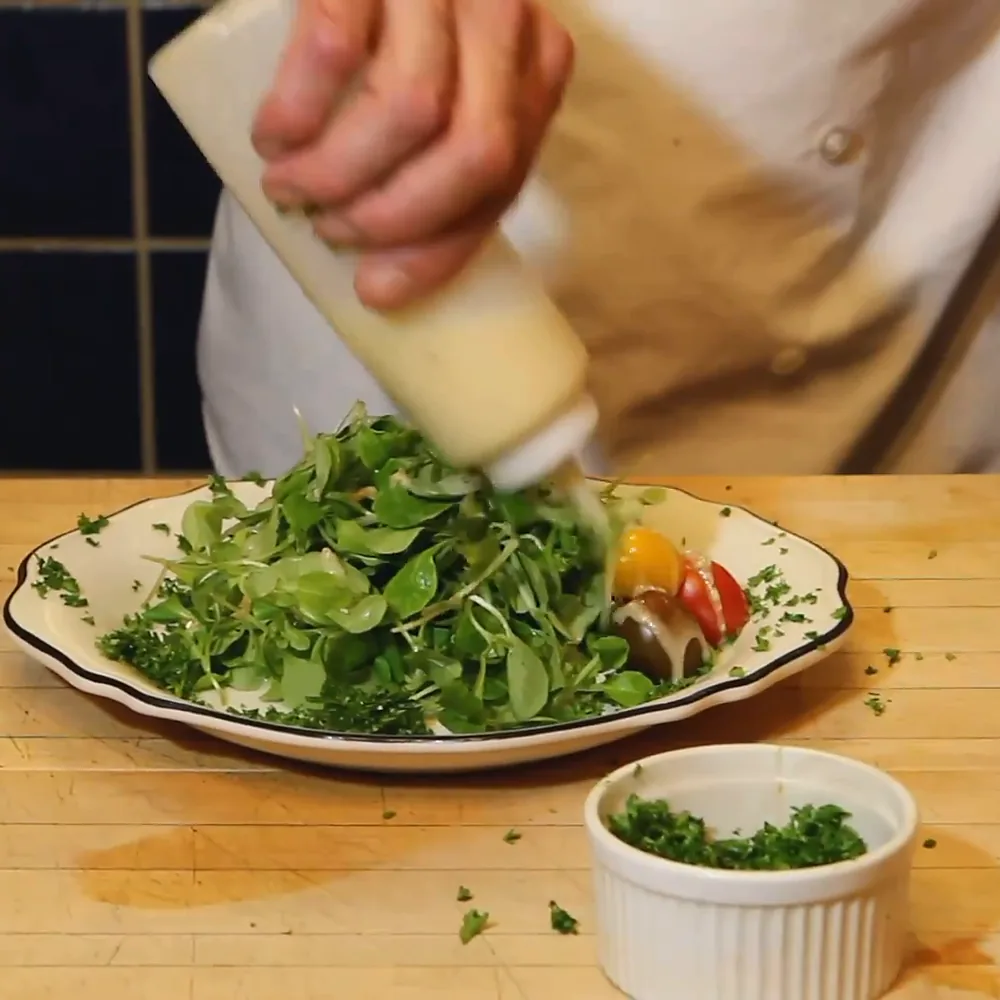

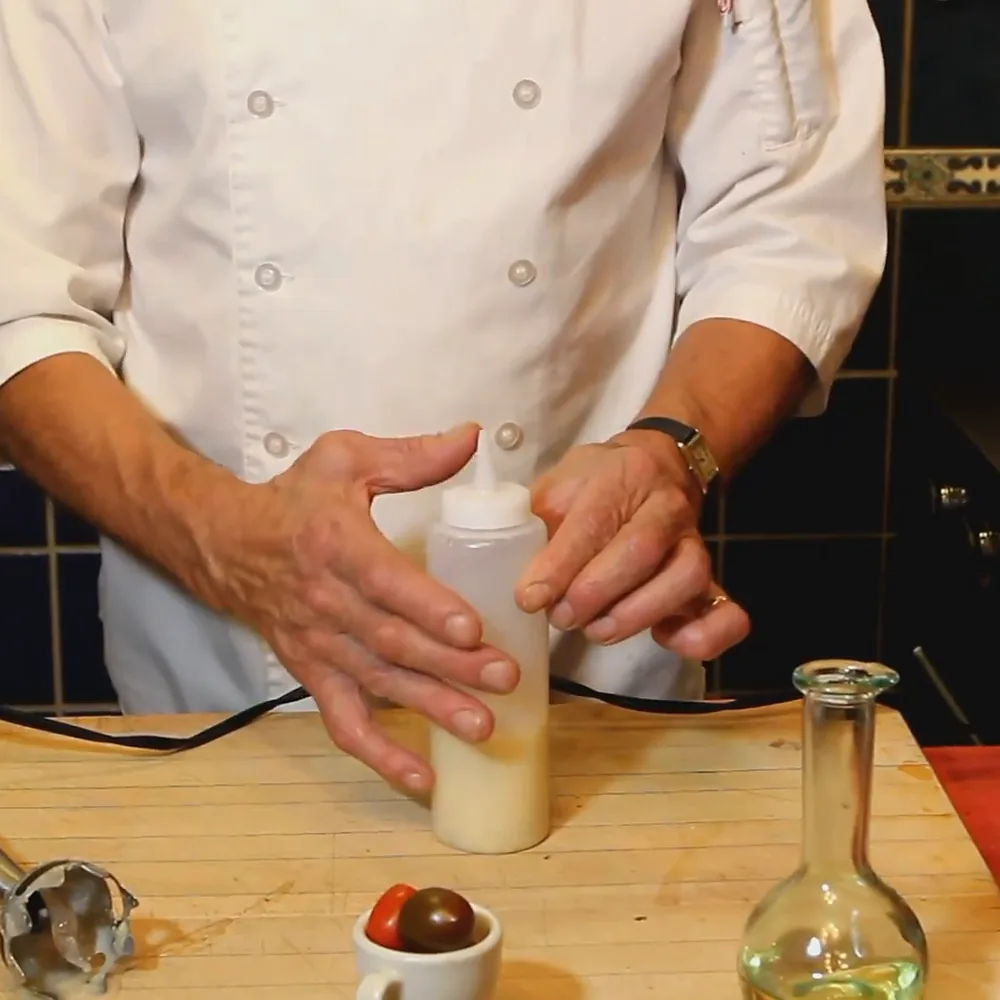
Serve right away or pour into a small bottle. When it separates, shake it again. That is normal.
What I Look For
The texture should be fluid but lightly coating. When you tilt the jar, the dressing should move easily, with a slightly cloudy look from the mustard. If you see a thick paste, there is probably too much mustard or not enough oil. If it looks clear and split right away, shake harder or add another small spoon of mustard.
The smell should be sharp but pleasant. Vinegar should be noticeable, but mustard should not punch too hard. The pepper should show up in the background. Freshly ground black pepper makes a difference here because there are so few ingredients.

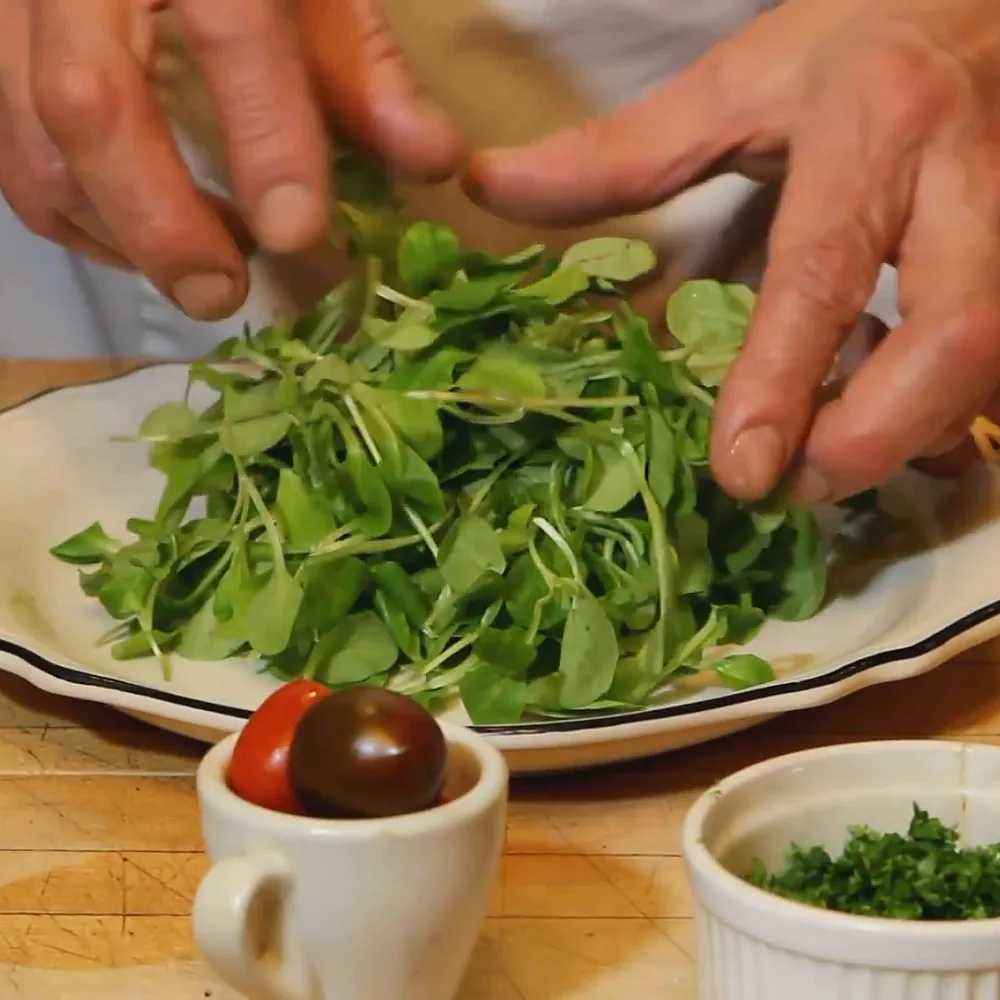
For the salad from the video, I like a simple plate with greens, multicoloured cherry tomatoes, a little chopped parsley, and a few small flowers if I have them. The dressing lands nicely on the tomatoes and gives the greens a good shine without drowning them.
This is also excellent on a flower mesclun salad or a crisp plate of romaine and endive greens. For something with more bite, it also fits a crunchy red endive salad.
Substitutions
Use apple cider vinegar instead of wine vinegar for a softer, slightly fruity dressing.
Use lemon juice instead of vinegar if you want a fresher, brighter taste. For a full lemon-forward dressing, the 2-minute lemon vinaigrette is the better direction.
Use whole-grain mustard for more texture. The dressing will look more rustic, with little mustard seeds throughout.
Use olive oil for a stronger Mediterranean-style flavour. Use canola, sunflower, or vegetable oil for a milder dressing.
Add a small spoon of honey if you want a sweet mustard dressing. For that style, the flavour is closer to honey Dijon vinaigrette.
Add minced shallot if serving right away. Shallot gives a nice bistro taste, but it also makes the dressing stronger as it sits.
Add chopped herbs such as parsley, chives, tarragon, or dill. If adding herbs, use the vinaigrette within a few days.
How This Is Different From Similar Recipes
This version is the fast house dressing. It is not creamy, not sweet, and not built around herbs. It is made to be quick and sharp, with mustard doing most of the work.
A Caesar-style dressing without mayonnaise is richer and more savoury, usually better for romaine, croutons, and cheese. A homemade mayonnaise is a stable emulsion and much thicker. This vinaigrette is an unstable emulsion, so it is normal that it separates.
Compared with creamy salads like cabbage and carrot salad with creamy dressing, this one feels sharper and cleaner. It is better when the vegetables already have crunch and freshness, and you just need acidity and seasoning.
It also works differently from pasta salad dressings. In a Greek-style pasta salad with feta and olives, the dressing needs to coat pasta and stand up to salty ingredients. This house dressing is best for greens, tomatoes, grated vegetables, and simple plates.
What to Serve With It
Use this vinaigrette on a small green salad before a rich meal, or spoon it over tomatoes when they are sweet in summer. It also works all year with romaine, endive, cabbage, carrots, cucumber, canned beans, tuna, eggs, or roasted vegetables.
It is especially good with:
- a light mesclun salad with flowers
- crisp romaine and endive salad
- grated carrot salad with mustard vinaigrette
- salade niçoise with seared tuna
- marinated red cabbage salad
- easy creamy chickpea salad
- creamy potato salad, if you want a richer side beside a sharper green salad
For a simple dinner, I like serving a mustardy green salad next to fish, chicken, or something fried. The acidity cuts through the richness without making the plate feel heavy. It would be good beside crispy fried sole or even a casual sandwich plate.
FAQ
Why did my vinaigrette separate?
That is normal. This is an unstable emulsion. Mustard helps the oil and vinegar come together, but it will still separate as it sits. Shake the jar or bottle before serving.
Can I make it without a blender?
Yes. A jar is actually one of the easiest methods. Add everything, close the lid tightly, and shake until the dressing turns cloudy and smooth.
Is Dijon mustard required?
Dijon gives the cleanest flavour, but another smooth mustard can work. Yellow mustard will taste milder and a little more casual. Whole-grain mustard gives more texture.
Can I make it less acidic?
Yes. Add 1 more tablespoon of oil, shake again, and taste. Do not add water first because it can make the dressing taste thin.
Can I make it ahead?
Yes. Store it in the refrigerator and shake before serving. If the oil thickens in the fridge, let the dressing sit at room temperature for a few minutes, then shake.
How long does it keep?
Without fresh herbs or garlic, it keeps about 1 week in the refrigerator. With herbs, garlic, or shallot, use it within 3 to 4 days.
Can I use it as a marinade?
Yes, but it is best for quick marinades. Use it for vegetables, chicken, or fish, but do not over-marinate delicate fish because the vinegar can affect the texture.
Why start with less salt?
Mustard already contains salt. Starting with 1/4 teaspoon keeps the dressing easier to control. Taste it on lettuce, then adjust.

Fast Homemade Vinaigrette Recipe With Mustard
Ingredients
- 1 to 1 1/2 tablespoons Dijon mustard
- 2 tablespoons red wine vinegar or white wine vinegar
- 6 tablespoons oil
- 1/4 teaspoon salt plus more to taste
- 1/3 teaspoon freshly ground black pepper
Instructions
- Add the mustard, vinegar, salt, and pepper to a small blender, bowl, or jar.
- Add the oil.
- Blend, whisk, or shake until the vinaigrette looks smooth, glossy, and lightly thickened.
- Taste with a piece of lettuce and adjust with more salt, oil, or vinegar if needed.
- Pour into a small bottle or jar.
- Shake before serving if the vinaigrette separates.
Video
Notes
FAQ
Why did my vinaigrette separate?
That is normal. This is an unstable emulsion. Mustard helps the oil and vinegar come together, but it will still separate as it sits. Shake the jar or bottle before serving.Can I make it without a blender?
Yes. A jar is actually one of the easiest methods. Add everything, close the lid tightly, and shake until the dressing turns cloudy and smooth.Is Dijon mustard required?
Dijon gives the cleanest flavour, but another smooth mustard can work. Yellow mustard will taste milder and a little more casual. Whole-grain mustard gives more texture.Can I make it less acidic?
Yes. Add 1 more tablespoon of oil, shake again, and taste. Do not add water first because it can make the dressing taste thin.Can I make it ahead?
Yes. Store it in the refrigerator and shake before serving. If the oil thickens in the fridge, let the dressing sit at room temperature for a few minutes, then shake.How long does it keep?
Without fresh herbs or garlic, it keeps about 1 week in the refrigerator. With herbs, garlic, or shallot, use it within 3 to 4 days.Can I use it as a marinade?
Yes, but it is best for quick marinades. Use it for vegetables, chicken, or fish, but do not over-marinate delicate fish because the vinegar can affect the texture.Why start with less salt?
Mustard already contains salt. Starting with 1/4 teaspoon keeps the dressing easier to control. Taste it on lettuce, then adjust.🔗 Useful Links
🛒 Michel Dumas Shop : Explore our kitchen essentials, including aprons and knives.
🌐 Linktree : Access all our important links in one place.
📱 YouTube | Instagram | Facebook | TikTok : Follow us for the latest recipes and culinary tips.