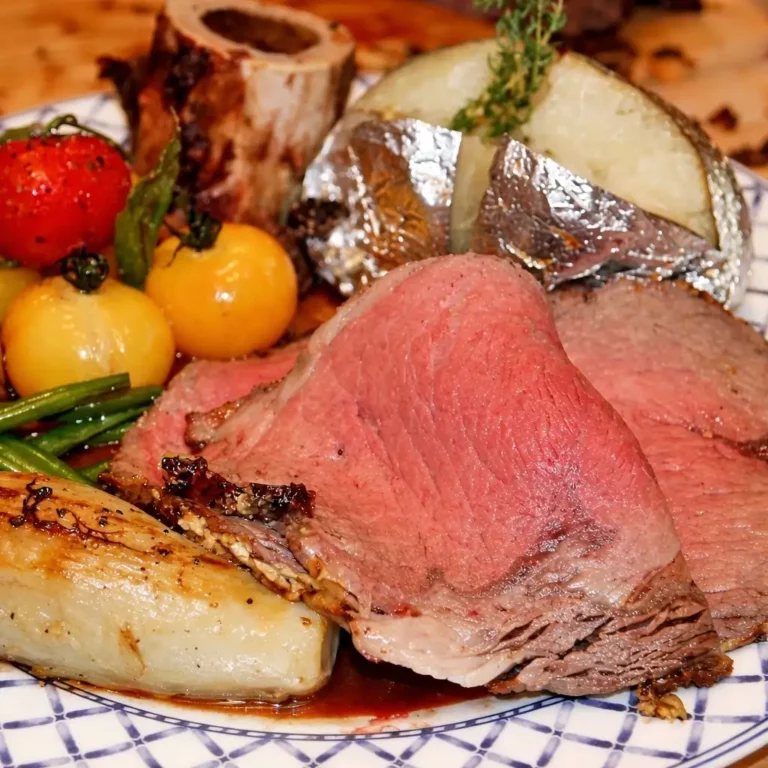
Chateaubriand with Béarnaise Sauce and Buttered Vegetables
When you want a beef recipe that feels elegant without becoming fussy, Chateaubriand is one of the best choices. It is a thick center-cut roast from the tenderloin, cooked as one piece, sliced at the table, and usually paired with a classic French sauce. It is different from a weekday steak dinner because the cut is especially tender, the presentation is more refined, and the whole dish is built around careful cooking rather than a heavy marinade or a long braise.
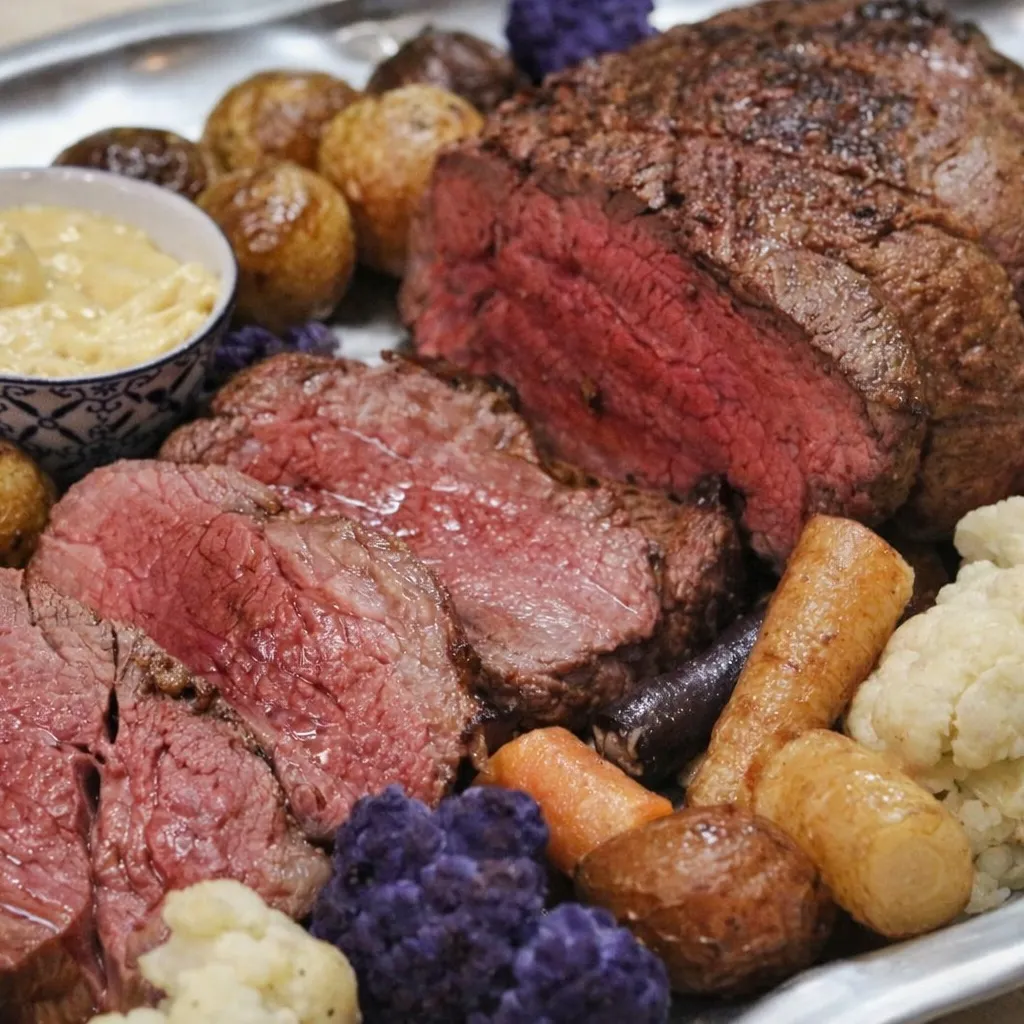
If you enjoy classic beef dishes, this recipe sits in a different lane from a slow braise like classic boeuf bourguignon, a rich sauce-driven dinner like steak with Roquefort sauce, or a bistro-style pan sauce dinner like steak with béarnaise sauce. Chateaubriand is about a whole roast of tenderloin, carved into thick slices, with a polished but very traditional French feel.
What is Chateaubriand?
Chateaubriand is a roast cut from the thick center of the beef tenderloin. Because this part of the animal does very little work, it is exceptionally tender and cooks quickly compared with tougher beef cuts. It is the kind of dish you make when you want the tenderness of filet mignon, but in a format that feels more generous and festive.
The classic pairing is Béarnaise sauce, which brings richness, acidity, and fresh tarragon to a very lean cut of beef. To round out the plate, I like buttered vegetables and simple potatoes rather than anything too heavy or overly sauced.
Why this version works
This recipe keeps the spirit of the original video while tightening up a few points that matter for a good result: proper seasoning, clearer roasting guidance, a short resting period, and a more dependable Béarnaise method. That matters because beef tenderloin is expensive, and once it overcooks, there is no way back.
Tenderloin is naturally protein-rich and fairly lean compared with many other beef cuts, so the dish feels luxurious without relying on a heavy stew or a thick cream sauce. The richness comes mostly from the Béarnaise and buttered vegetables, which means you can control the balance by how generously you serve the sauce.

Ingredients
For the beef
- 1 center-cut beef tenderloin roast, about 3 to 3 1/2 pounds
- Kosher salt
- Freshly ground black pepper
- 1 to 2 tablespoons neutral oil
- Butcher’s twine
For the vegetables
- 1 pound carrots, peeled
- 1 medium cauliflower or romanesco, cut into florets
- 2 tablespoons butter
- Salt, to taste
For the Béarnaise sauce
- 3 egg yolks
- 1 cup unsalted butter
- 2 tablespoons red wine vinegar
- 1 small shallot, finely sliced
- 2 tablespoons fresh tarragon leaves, chopped
- 2 to 3 tarragon stems
- 1 teaspoon cracked black pepper
- Pinch of salt
A few notes before you start
Take the beef out of the fridge about 30 to 45 minutes before cooking so it loses some of its chill. That helps it cook more evenly. Tie the roast at regular intervals so it holds a nice shape in the pan and in the oven. If you have already enjoyed recipes like ribeye steak bordelaise or French peppercorn steak, think of this as an even more classic special-occasion centerpiece.
For the sauce, use fresh tarragon if possible. Béarnaise is one of those French sauces where a small detail changes the whole result, just like in homemade hollandaise sauce or sauce Choron. It does not need to be complicated, but it does need attention.
Step-by-step instructions
1. Prepare the beef
Pat the tenderloin dry with paper towels. Trim off any excess surface fat or silver skin if needed. Tie it every 1 1/2 to 2 inches with butcher’s twine so the roast keeps a uniform shape.
Season the roast generously with salt and pepper on all sides. This cut is thick and mild in flavor, so proper seasoning matters.

2. Prep the vegetables
Bring a large pot of salted water to a boil. Peel the carrots and cut them into large even pieces. Cut the cauliflower or romanesco into florets.
Blanch the carrots first until just tender, then remove them with a spider or slotted spoon. Blanch the cauliflower or romanesco until tender but not mushy. Drain well and set aside. The exact timing depends on size, but you are aiming for vegetables that are almost cooked, because they will be finished in butter later.
If you like simple vegetable sides, this same spirit also works with oven roasted mixed vegetables, but for Chateaubriand I prefer the softer, more classic buttered finish.

3. Sear the roast
Preheat the oven to 265°F.
Heat a large heavy pan over medium-high to high heat. Add the oil. When the pan is hot, place the tenderloin in the pan and sear it on all sides until well browned. Do not rush this step. Color means flavor.
Because this is a thick, expensive cut, you want a good crust before it goes into the oven. The roast should look deeply golden, not pale.
4. Roast gently
Transfer the seared tenderloin to the oven. Roast until the internal temperature reaches 136°F in the center for medium-rare. In most home ovens, this usually takes around 35 to 45 minutes, depending on the thickness of the roast and how warm it was before cooking.
Start checking early with a thermometer. Tenderloin can go from perfect to overcooked faster than a braise or a larger rib roast.
For readers who enjoy beef classics, this is a very different approach from oven braised beef bourguignon or braised beef cheeks with red wine. Chateaubriand is about precision and tenderness, not long slow cooking.

5. Rest the meat
Remove the roast from the oven and let it rest on a board for 10 to 15 minutes. This is essential. The juices settle, the internal temperature evens out, and the slices stay moist.
Do not skip this just because the roast smells amazing.
6. Make the Béarnaise reduction
While the beef rests, place the shallot, tarragon stems, red wine vinegar, and cracked black pepper in a small saucepan. Bring to a simmer and reduce slightly for a minute or two, just until fragrant and lightly concentrated.
Strain the liquid and discard the solids.

7. Build the sabayon
In a heatproof bowl, whisk the egg yolks with the strained reduction. Set the bowl over a saucepan of barely simmering water. Whisk constantly until the yolks become thick, pale, and foamy.
This is the base of the sauce. The mixture should have enough body that the whisk leaves lines for a moment before the surface smooths out again.
8. Add the butter
Melt the butter separately. With the bowl off the heat or over very low gentle heat, slowly drizzle in the melted butter while whisking constantly. Once the sauce thickens and becomes smooth and glossy, stir in the chopped tarragon and a pinch of salt.
The result should coat a spoon. If it becomes too thick, loosen it with a few drops of warm water.
If you enjoy steakhouse-style sauces, you can also explore steak sauce Entrecôte, garlic butter sauce for steak, or creamy mushroom sauce for steak, but Béarnaise is still one of the most classic choices for tenderloin.

9. Finish the vegetables
Melt the butter in a large skillet over medium heat. Add the blanched carrots and cauliflower or romanesco. Toss gently until hot and lightly glazed. Season with salt.
The vegetables should stay colorful and tender, not browned or overworked.
10. Slice and serve
Cut off the twine. Slice the Chateaubriand into thick medallions and arrange them on a platter or directly onto warm plates. Spoon Béarnaise alongside or serve it in a small sauce pot. Add the buttered vegetables around the meat.
For a more complete French-style meal, add a potato side such as Parisian potatoes, pommes parisiennes with bacon, homemade mashed potatoes, or traditional gratin dauphinois.

Substitutions
If you cannot find a center-cut tenderloin roast, you can use a tied whole beef tenderloin section of similar thickness. The key is to keep the roast uniform so it cooks evenly.
If romanesco is unavailable, regular cauliflower works perfectly.
If you do not want Béarnaise, a simpler option is beurre maître d’hôtel or homemade chimichurri, though that will take the dish in a less classic direction.
If you do not have red wine vinegar, white wine vinegar can work, but the flavor will be slightly different.
FAQ
What internal temperature should I aim for?
For medium-rare, pull the roast at about 136°F. The temperature may rise slightly while resting.
Can I make the beef ahead?
You can season and tie the roast ahead of time, but it is best cooked fresh. This dish is at its best when served shortly after resting and slicing.
Can I make the Béarnaise in advance?
It is better made close to serving. Like many egg-and-butter sauces, it is most stable and silky when fresh.
Is this the same as filet mignon?
Not exactly. Filet mignon is usually cut into individual steaks, while Chateaubriand is a larger roast from the same tenderloin area.
What should I serve with it?
Potatoes are the classic choice. Lyonnaise potatoes, crispy air fryer fries, or classic cauliflower gratin all fit well depending on the mood of the meal.
What to serve with Chateaubriand
For sides and complementary recipes, these pair especially well:
- Parisian potatoes
- pommes parisiennes with bacon
- oven roasted mixed vegetables
- traditional gratin dauphinois
- classic cauliflower gratin
- homemade hollandaise sauce
- sauce Choron
- steak with Béarnaise sauce
- ribeye steak bordelaise
- Rossini steak beef tenderloin
For dessert after a dinner like this, keep it classic and elegant with classic French tarte tatin, pear almond tart, or crème brûlée with caramelized top.

Chateaubriand with Béarnaise Sauce and Buttered Vegetables
Ingredients
For the beef
- 1 center-cut beef tenderloin roast about 3 to 3 1/2 lb
- Kosher salt
- Freshly ground black pepper
- 1 to 2 tbsp neutral oil
Butcher’s twine
- For the vegetables
- 1 lb carrots peeled
- 1 medium cauliflower or romanesco cut into florets
- 2 tbsp butter
- Salt to taste
For the Béarnaise sauce
- 3 egg yolks
- 1 cup unsalted butter
- 2 tbsp red wine vinegar
- 1 small shallot finely sliced
- 2 tbsp fresh tarragon leaves chopped
- 2 to 3 tarragon stems
- 1 tsp cracked black pepper
- Pinch of salt
Instructions
- Pat the tenderloin dry, trim if needed, and tie it every 1 1/2 to 2 inches with butcher’s twine. Season generously with salt and pepper.
- Bring a large pot of salted water to a boil. Blanch the carrots and cauliflower or romanesco until just tender. Drain and set aside.
- Preheat the oven to 265°F.
- Heat oil in a large pan over medium-high to high heat. Sear the beef on all sides until deeply browned.
- Transfer the roast to the oven and cook until the center reaches 136°F for medium-rare, about 35 to 45 minutes.
- Rest the beef for 10 to 15 minutes.
- For the sauce, simmer the shallot, tarragon stems, vinegar, and cracked pepper for 1 to 2 minutes. Strain.
- Whisk the egg yolks with the strained reduction over a bowl set above simmering water until thick and foamy.
- Slowly whisk in the melted butter until the sauce is smooth and thick. Stir in chopped tarragon and salt.
- Melt butter in a skillet and reheat the vegetables until glazed and hot.
- Remove the twine, slice the beef into thick medallions, and serve with the vegetables and Béarnaise.
Video
Notes
Substitutions
If you cannot find a center-cut tenderloin roast, you can use a tied whole beef tenderloin section of similar thickness. The key is to keep the roast uniform so it cooks evenly. If romanesco is unavailable, regular cauliflower works perfectly. If you do not want Béarnaise, a simpler option is beurre maître d’hôtel or homemade chimichurri, though that will take the dish in a less classic direction. If you do not have red wine vinegar, white wine vinegar can work, but the flavor will be slightly different.FAQ
What internal temperature should I aim for?
For medium-rare, pull the roast at about 136°F. The temperature may rise slightly while resting.Can I make the beef ahead?
You can season and tie the roast ahead of time, but it is best cooked fresh. This dish is at its best when served shortly after resting and slicing.Can I make the Béarnaise in advance?
It is better made close to serving. Like many egg-and-butter sauces, it is most stable and silky when fresh.Is this the same as filet mignon?
Not exactly. Filet mignon is usually cut into individual steaks, while Chateaubriand is a larger roast from the same tenderloin area.What should I serve with it?
Potatoes are the classic choice. Lyonnaise potatoes, crispy air fryer fries, or classic cauliflower gratin all fit well depending on the mood of the meal.🔗 Useful Links
🛒 Michel Dumas Shop : Explore our kitchen essentials, including aprons and knives.
🌐 Linktree : Access all our important links in one place.
📱 YouTube | Instagram | Facebook | TikTok : Follow us for the latest recipes and culinary tips.