Soft Molasses Cookies with Ginger and Cinnamon
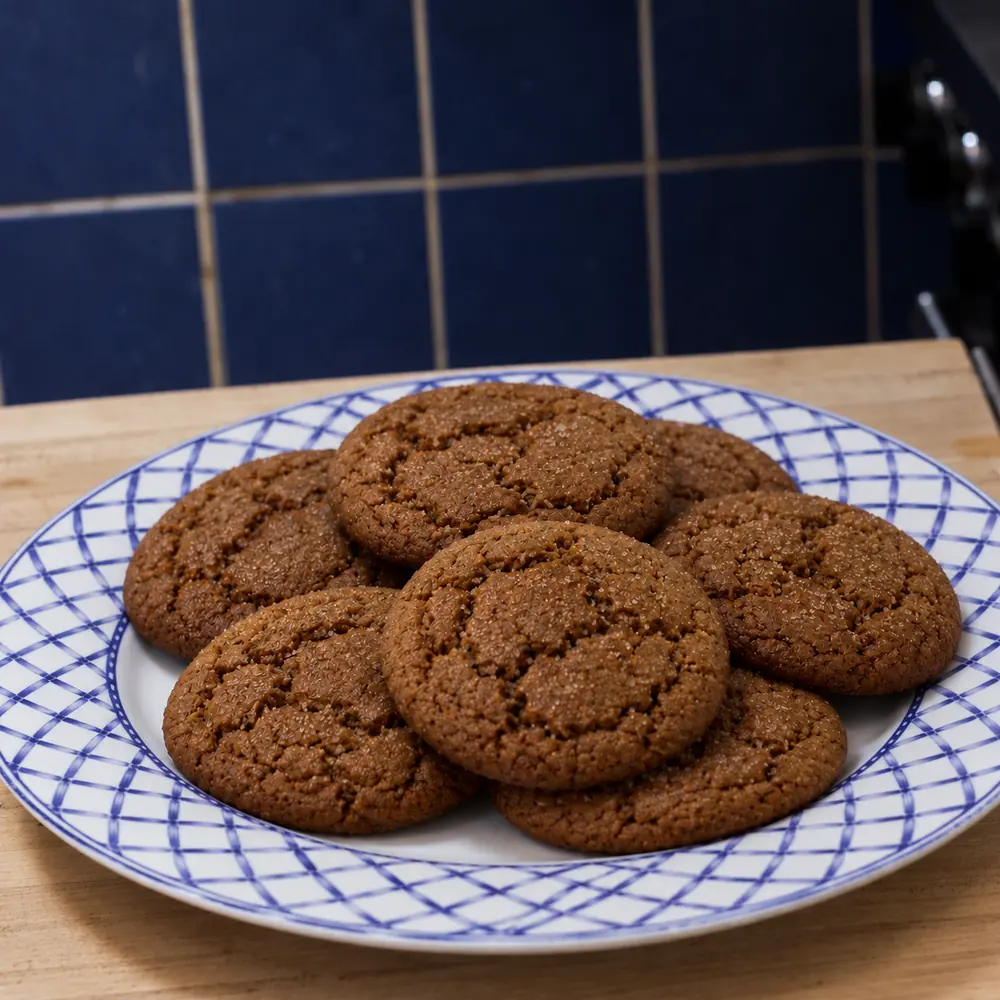
Soft molasses cookies are gently spiced drop cookies with crackled sugar tops, tender middles and a rounded molasses flavor. Chilling the dough and stopping the bake while the centers still look soft keeps them chewy rather than crunchy. They suit a holiday cookie tray, an afternoon coffee or a make-ahead freezer batch.
Why this recipe works
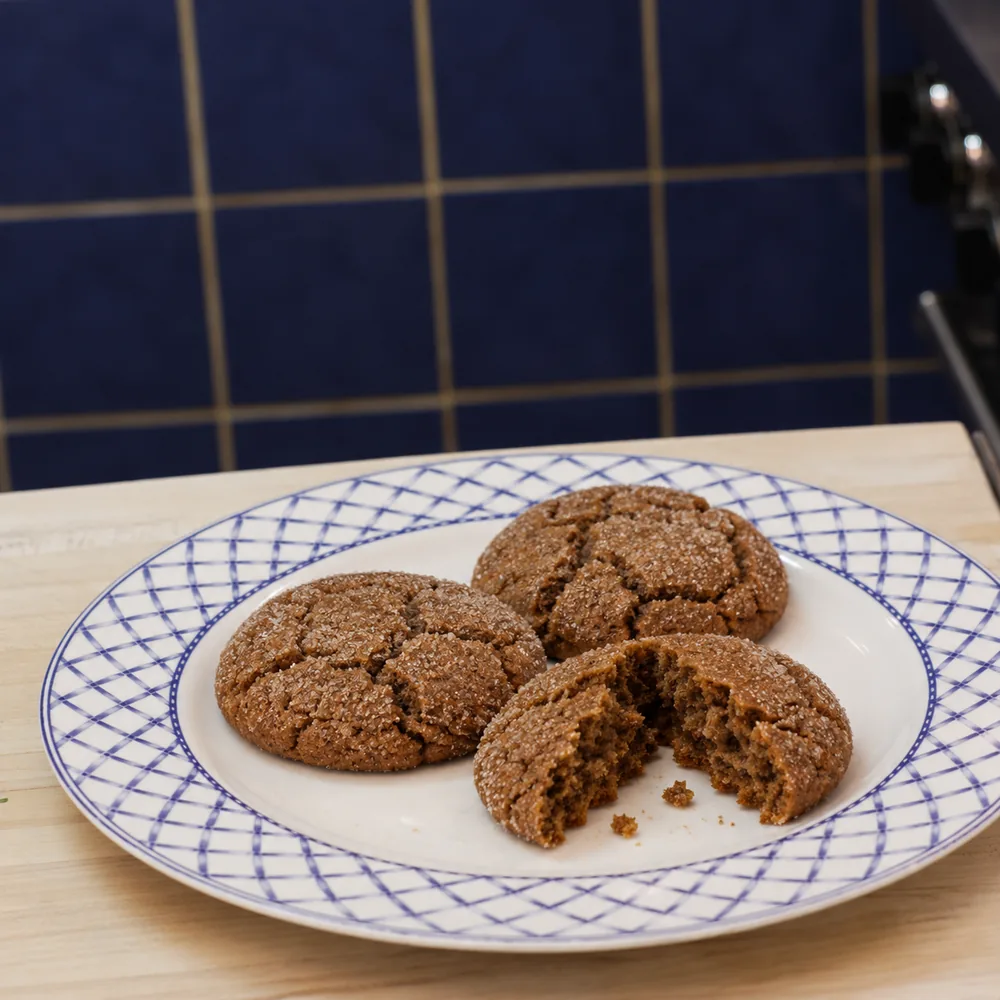
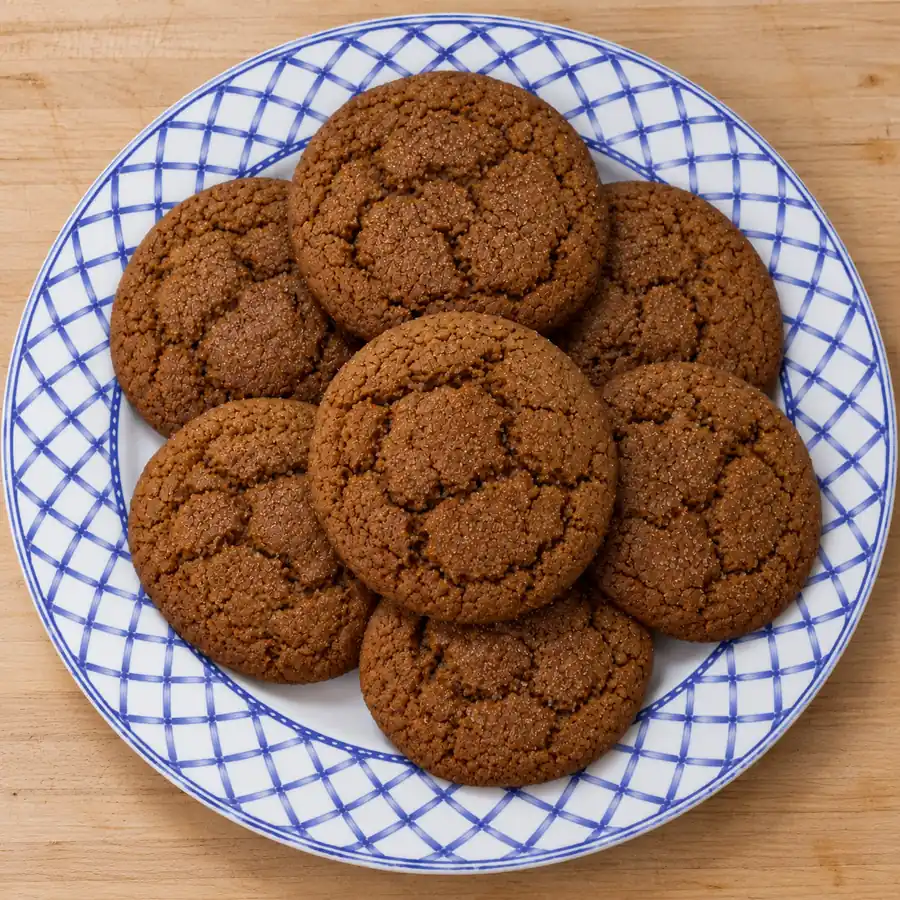
The balance matters more than adding a long list of spices. Molasses brings moisture, brown sugar supports a soft crumb, and ginger gives the first clear note. Cinnamon fills out the flavor while a small pinch of cloves stays in the background. These are soft molasses cookies with ginger and cinnamon, so they should bend slightly after cooling rather than snap like a thin gingersnap. A lightly sugared outside gives a little contrast without turning the whole cookie into a hard shell.
For a cookie tray with several textures, compare these with soft chocolate chip cookies, which keep a soft middle, and maple pecan cookies, which bring maple and nuts. The cinnamon coating in cinnamon snickerdoodle cookies gives another warm-spice direction. If a plain butter-and-sugar base is more useful for the occasion, one bowl sugar cookies is another simple bake to prepare separately. Keep each dough’s own proportions and baking cues rather than combining several recipes into one batch.
Ingredients and what to look for
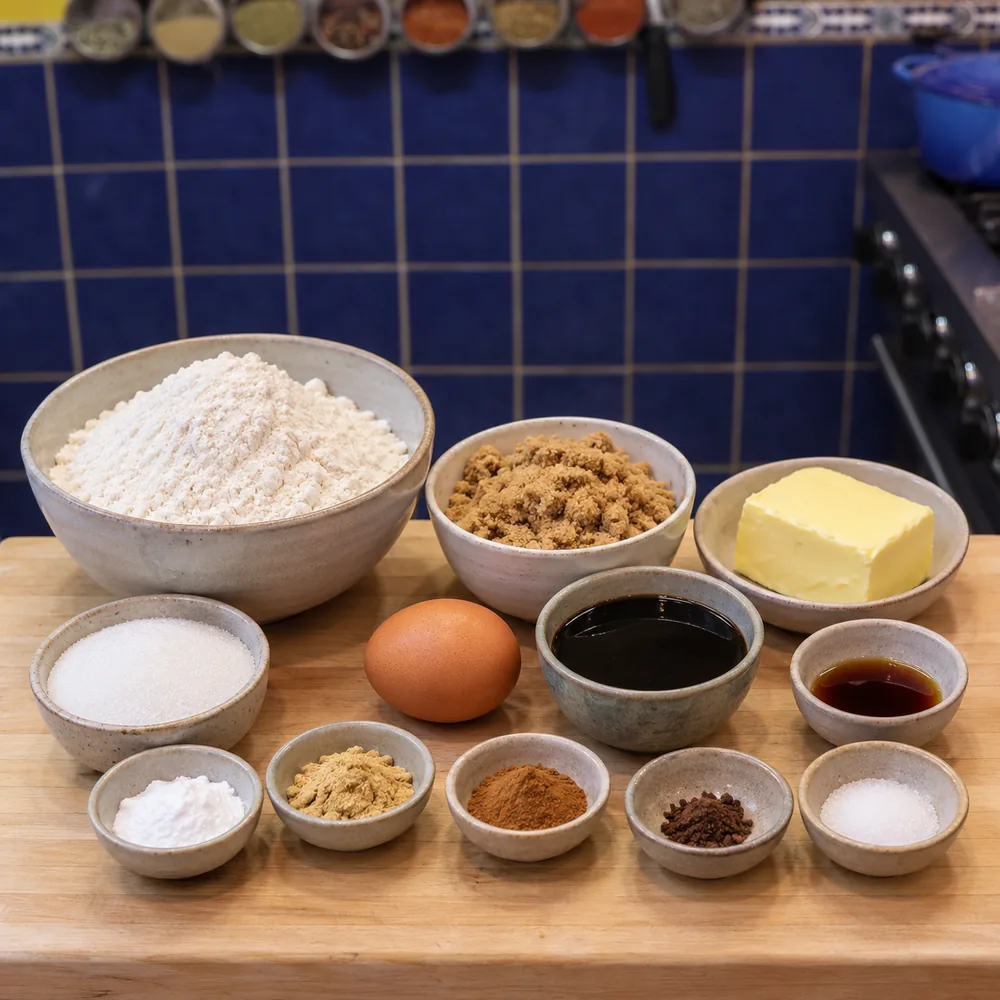
2 cups all-purpose flour, spooned and leveled
1 1/2 tsp baking soda
1 1/2 tsp ground ginger
1 tsp ground cinnamon
1/4 tsp ground cloves
1/4 tsp fine salt
1/2 cup unsalted butter, softened
3/4 cup packed light brown sugar
1 large egg
1/3 cup baking molasses, not blackstrap
1 tsp vanilla extract
1/4 cup granulated sugar, for rolling
Use baking molasses with a pleasant sweet, dark flavor. Blackstrap is much more assertive and can make this quantity taste bitter. Softened butter should accept a fingertip indentation while still holding its shape. Melted butter changes how the dough spreads. Brown sugar is measured packed, but flour is spooned into the cup and leveled. Check that the baking soda is fresh; it helps the dough spread and produces the characteristic cracks as the surface sets.
How to make it
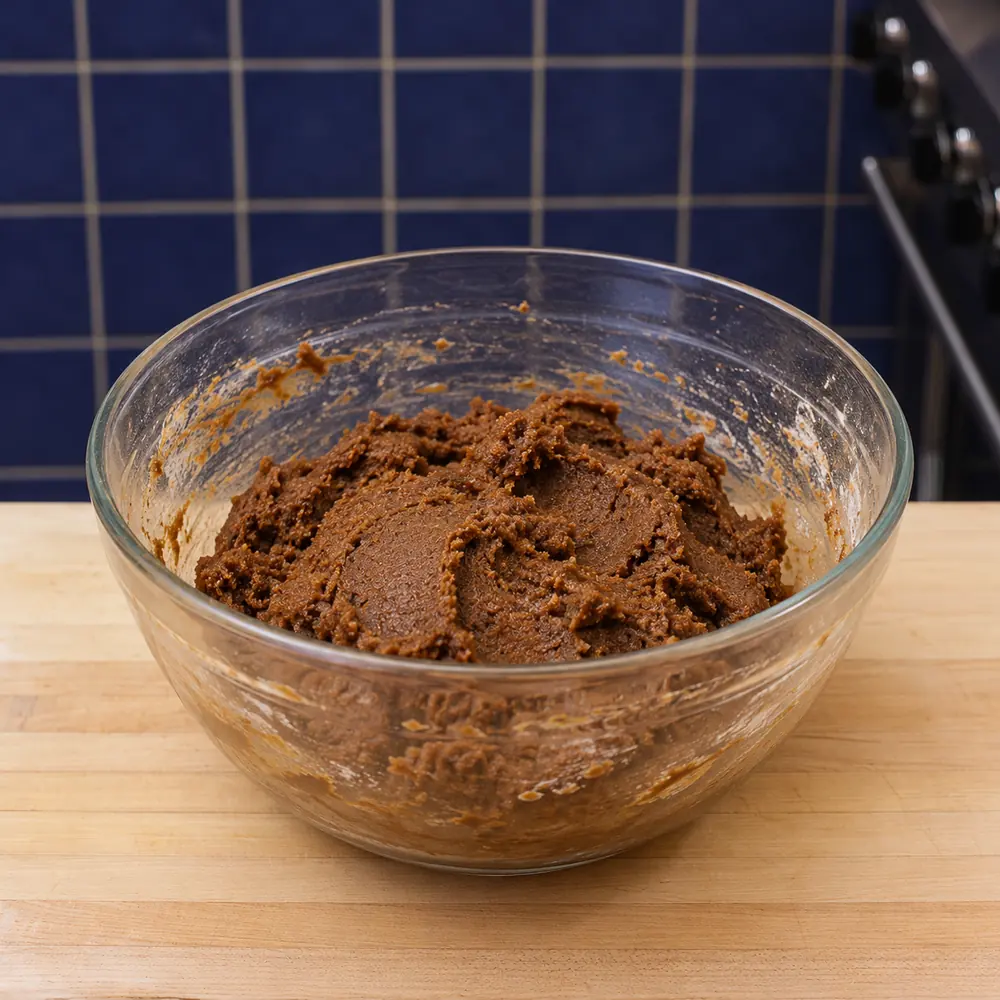
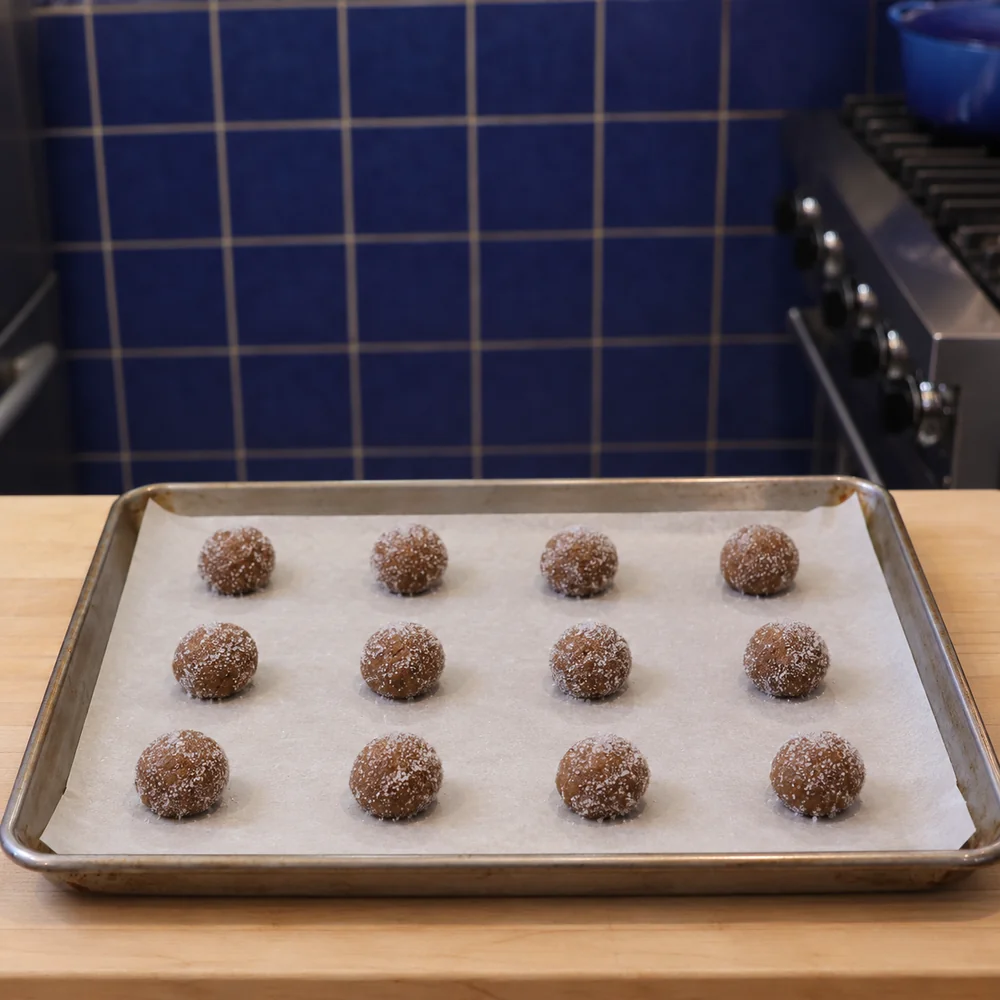
Cream the butter and brown sugar until evenly blended and lighter, then scrape the bottom of the bowl before adding the egg. The molasses can cling to the sides, so scrape again after it goes in. Once the flour mixture is added, stop mixing as soon as the dry streaks disappear. The dough may feel sticky before chilling; that does not automatically mean it needs more flour. After an hour in the refrigerator, portion it into equal balls. Roll each ball in just enough sugar to coat, leaving generous space for spreading.
Step 1
Whisk flour, baking soda, ginger, cinnamon, cloves and salt. Beat softened butter and brown sugar until creamy, then beat in egg, molasses and vanilla. Mix in the dry ingredients just until no flour remains.
Step 2
Cover and refrigerate the dough for 60 minutes. Heat the oven to 350°F and line two baking sheets with parchment. Divide into 24 equal balls and roll lightly in granulated sugar. Space 2 inches apart.
Step 3
Bake one sheet at a time for 10 to 12 minutes, until the edges are set and the centers remain slightly soft. Cool 5 minutes on the sheet, then transfer to a rack.
Practical cooking details
Prepare the trays before portioning so the dough does not sit warming on the counter while you look for parchment. A light metal baking sheet gives a useful baseline; a very dark sheet can brown the bottoms sooner. Keep the rack near the center of the oven and leave space around the pan for heat to circulate. If baking more than one tray, watch for uneven color and rotate only after the cookies have begun to set.
Divide the dough into the stated number of portions before deciding to make unusually large cookies. Larger pieces need a different balance between edge color and center doneness. A small scoop helps, but matching the size by eye also works when you check the whole tray. Keep unused dough cool between batches and let the baking sheet return to room temperature before loading it again. Allow the cookies to finish cooling uncovered before judging the final texture, since warm butter and sugar make every fresh batch feel softer.
Troubleshooting
Flat, greasy cookies usually point to butter that was too warm, dough that lost its chill, or a hot baking sheet. Cool the sheet and refrigerate the remaining dough before the next batch. Thick, dry cookies suggest too much flour or too long a bake. Judge the set edges rather than waiting for a firm middle. A cookie that still appears a little puffed in the oven will settle as it rests on the tray.
Substitutions
For a milder spice profile, reduce the cloves or leave them out; the ginger and cinnamon can remain unchanged. Dark brown sugar makes the flavor a little deeper. Salted butter can replace unsalted butter if the added salt is reduced, although brands vary. Maple syrup is not a direct substitute for molasses here: it changes both the flavor and the moisture balance. Keep the base dough consistent before experimenting with extra spices or coatings.
Frequently asked questions
Can I bake molasses cookies without chilling the dough?
The dough is designed for a 60-minute chill. Skipping it makes portioning harder and increases the chance of thin cookies. If your kitchen is warm, return shaped balls to the refrigerator while the oven finishes heating. Chilling is part of the method, even though it is separate from the active preparation time.
Why are my molasses cookies hard the next day?
They were often baked a little too long or stored before a tight seal was made. Pull them when the edges are set and the centers remain soft, cool fully, and close the container well. Do not leave them uncovered on a rack all afternoon. A crisp edge is fine; a dry center is the sign to watch.
Can I freeze the dough balls?
Yes. Freeze the chilled, portioned balls on a tray, then pack them into a freezer bag for up to two months. Coat in sugar shortly before baking if the surface has become damp. Bake from frozen, allowing a little extra time and watching the edges rather than relying only on the timer.
Storage and make-ahead
Keep cooled cookies in an airtight container at room temperature for about four days. Separate layers with parchment if the tops are delicate. For longer storage, freeze baked cookies for up to two months and thaw them in their closed container. Packing a warm batch traps steam and softens the sugared surface. For gifts, let the cookies cool all the way through before filling tins, and keep them apart from strongly flavored mint treats.
What to serve with it and related recipes
For a larger homemade cookie assortment, peanut butter cookies gives a distinct peanut flavor, while pistachio white chocolate cookies offers a different nut-and-white-chocolate pairing. Add oatmeal maple cookies when you want an oat texture and double chocolate cookies for a deeper cocoa option. The gentle seasonal flavor of pumpkin oatmeal cookies also fits an autumn tray. For a batch with a toasted butter note, prepare brown butter chocolate chip cookies separately. Serve a few of each in small groups rather than packing warm cookies together; their different textures stay clearer when each batch cools and is stored on its own.
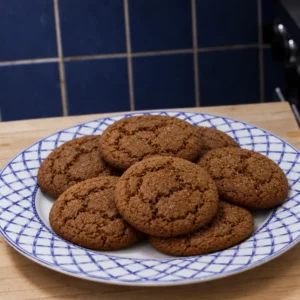
Soft Molasses Cookies with Ginger and Cinnamon
Ingredients
- 2 cups all-purpose flour spooned and leveled
- 1 1/2 tsp baking soda
- 1 1/2 tsp ground ginger
- 1 tsp ground cinnamon
- 1/4 tsp ground cloves
- 1/4 tsp fine salt
- 1/2 cup unsalted butter softened
- 3/4 cup packed light brown sugar
- 1 large egg
- 1/3 cup baking molasses not blackstrap
- 1 tsp vanilla extract
- 1/4 cup granulated sugar for rolling
Instructions
- Whisk flour, baking soda, ginger, cinnamon, cloves and salt. Beat softened butter and brown sugar until creamy, then beat in egg, molasses and vanilla. Mix in the dry ingredients just until no flour remains.
- Cover and refrigerate the dough for 60 minutes. Heat the oven to 350°F and line two baking sheets with parchment. Divide into 24 equal balls and roll lightly in granulated sugar. Space 2 inches apart.
- Bake one sheet at a time for 10 to 12 minutes, until the edges are set and the centers remain slightly soft. Cool 5 minutes on the sheet, then transfer to a rack.