Whipped Shortbread Cookies That Hold Their Shape
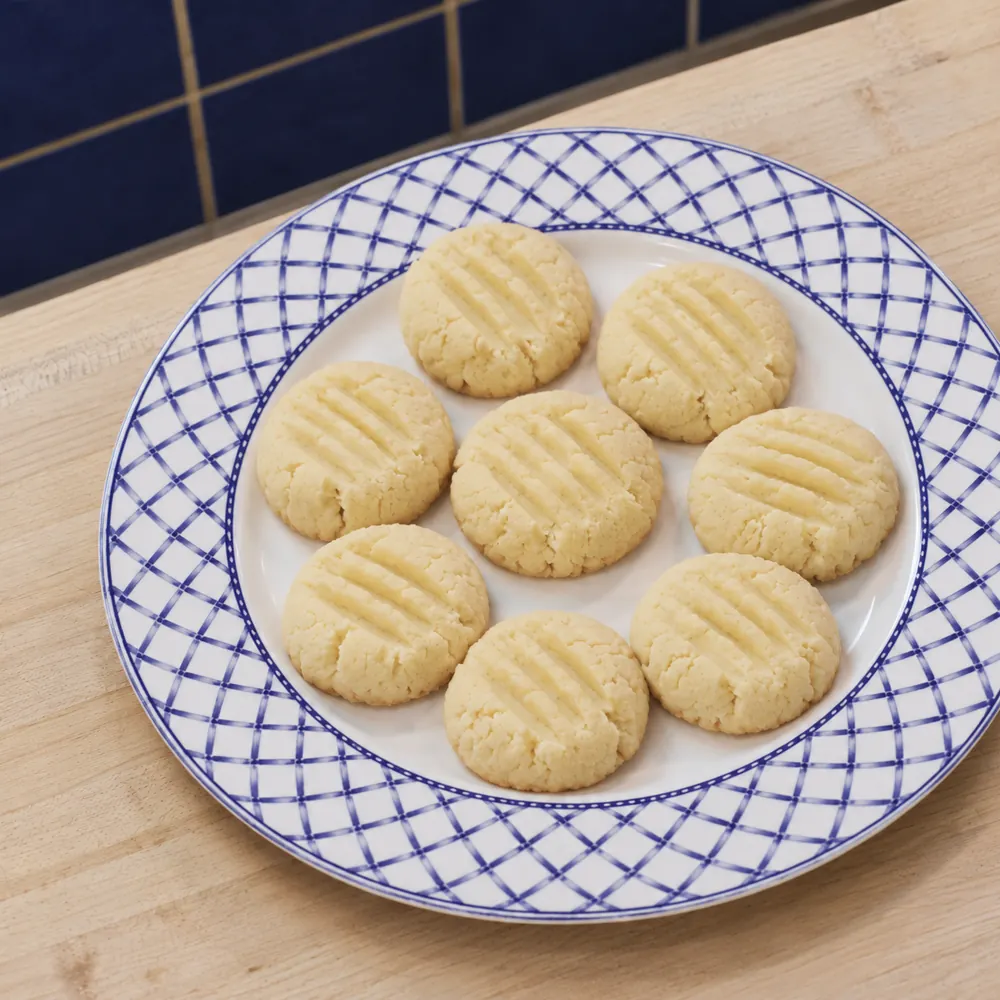
Whipped shortbread cookies are small butter cookies made light by beating butter and powdered sugar before the flour goes in. Cornstarch gives them a delicate, short crumb, while a low oven keeps the tops pale. The important detail is stopping the mixing after the flour is incorporated so the cookies stay tender and hold their fork marks.
Why this recipe works
These whipped shortbread cookies without eggs have a simple vanilla flavor and a texture that breaks softly rather than becoming chewy. Their lightness comes from the whipped butter mixture, not baking powder. The fork marks help the small rounds bake evenly and make the surface easy to judge. Look for a dry top and a barely golden bottom. Deep browning works against the gentle butter flavor and can leave the thin edges tasting toasted before the center is properly set. A hand mixer and a stand mixer can both do the job, but the bowl needs attention either way. Stop and scrape under the beaters, where dense butter can remain while the upper mixture looks fluffy. Measure the beating time after the butter is moving freely, and watch the texture as well as the clock. Once the flour goes in, switch from building volume to protecting the crumb: low speed and a short finish are enough.
For a cookie tray with several textures, compare these with soft chocolate chip cookies, which keep a soft middle, and maple pecan cookies, which bring maple and nuts. The cinnamon coating in cinnamon snickerdoodle cookies gives another warm-spice direction. If a plain butter-and-sugar base is more useful for the occasion, one bowl sugar cookies is another simple bake to prepare separately. Keep each dough’s own proportions and baking cues rather than combining several recipes into one batch.
Ingredients and what to look for
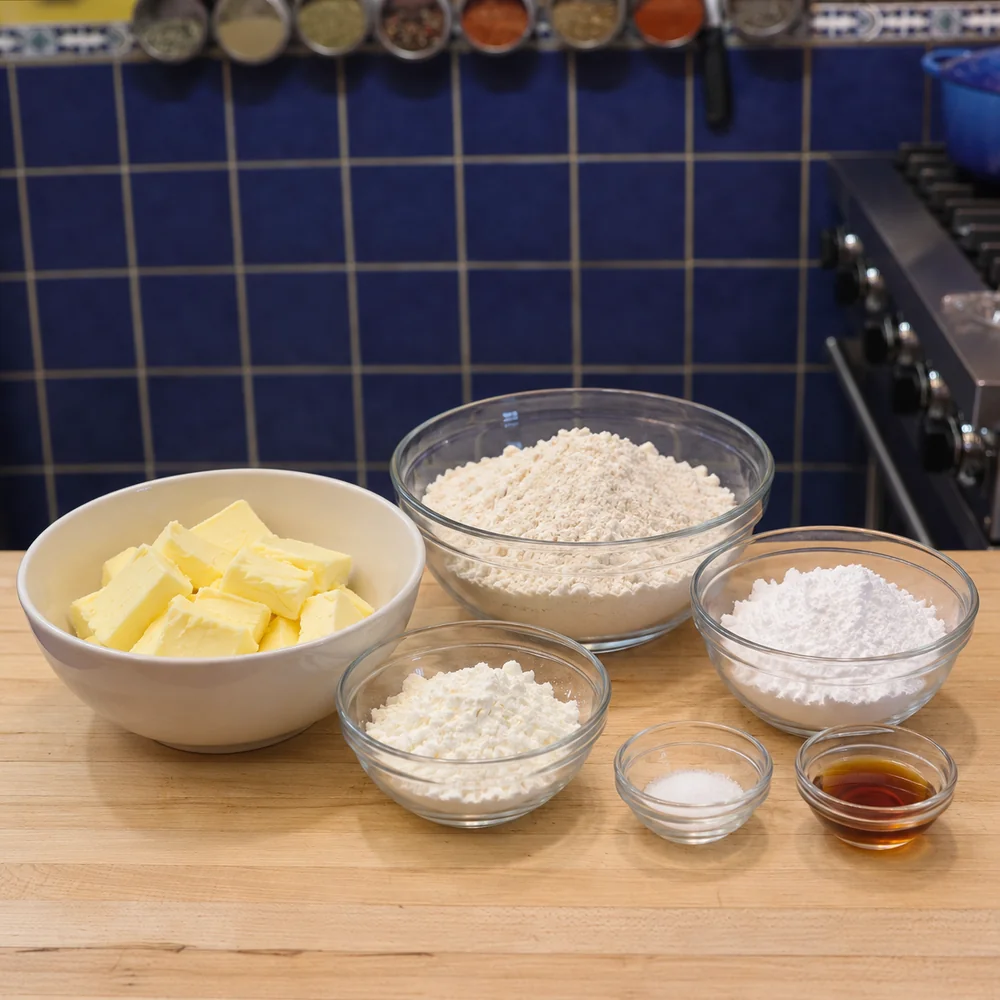
1 cup unsalted butter, softened but not oily
1/2 cup powdered sugar
1 tsp vanilla extract
1 3/4 cups all-purpose flour, spooned and leveled
1/2 cup cornstarch
1/4 tsp fine salt
Butter is the main flavor, so use a brand you enjoy. It should be pliable but not glossy or beginning to melt. Powdered sugar disperses smoothly and contributes less graininess than granulated sugar. Cornstarch replaces part of the flour to soften the crumb; it is not an extra ingredient to add on top of the measured flour. Vanilla rounds out the butter, and the small amount of salt prevents a flat, overly sweet impression.
How to make it
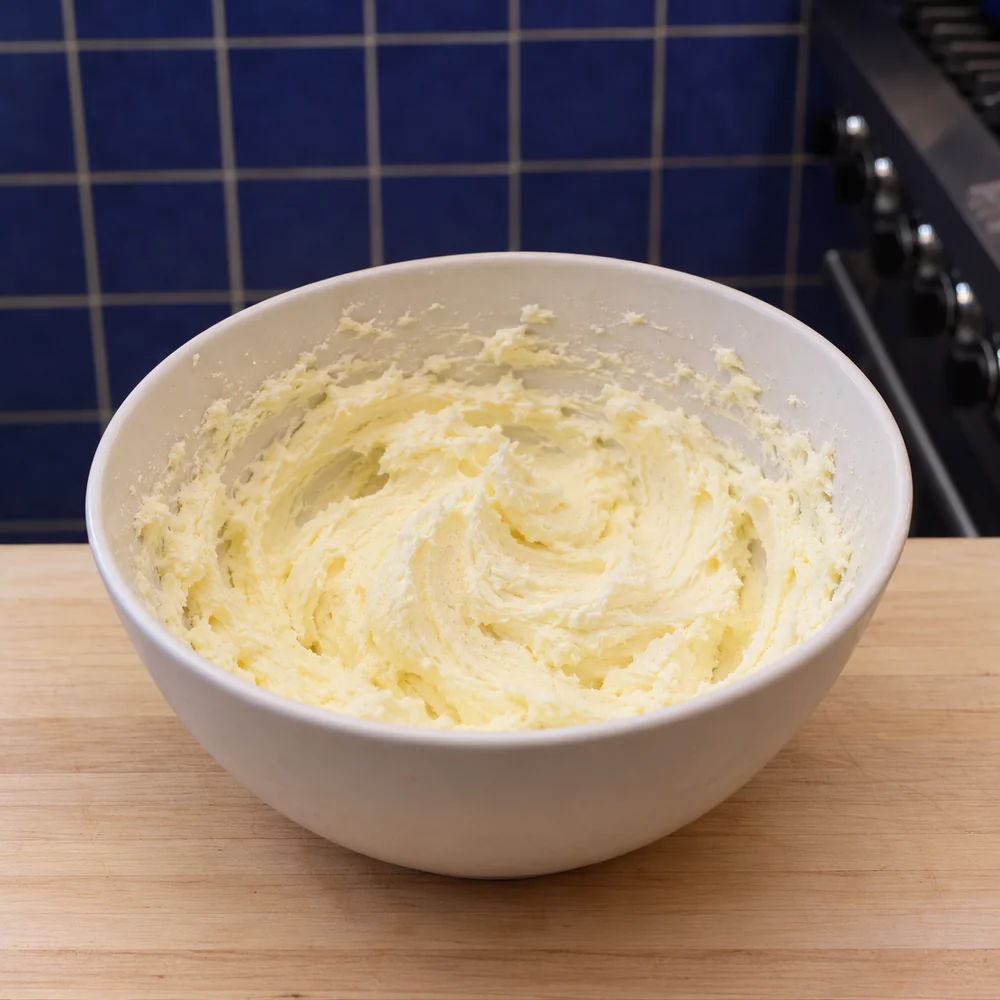
Beat the butter and powdered sugar for the full four to five minutes, scraping the bowl twice. A mixture that remains dense and yellow needs more beating, provided the butter is not getting oily. Whisk the dry ingredients separately so the cornstarch does not stay in pockets. Add them on low speed, then finish any last loose flour with a spatula. Shape small, even rounds rather than large mounds. Press a floured fork gently; deep cuts can split the edges and produce fragile pieces.
Step 1
Heat the oven to 300°F and line two baking sheets with parchment. Beat butter and powdered sugar for 4 to 5 minutes, scraping the bowl, until noticeably pale and fluffy. Beat in vanilla.
Step 2
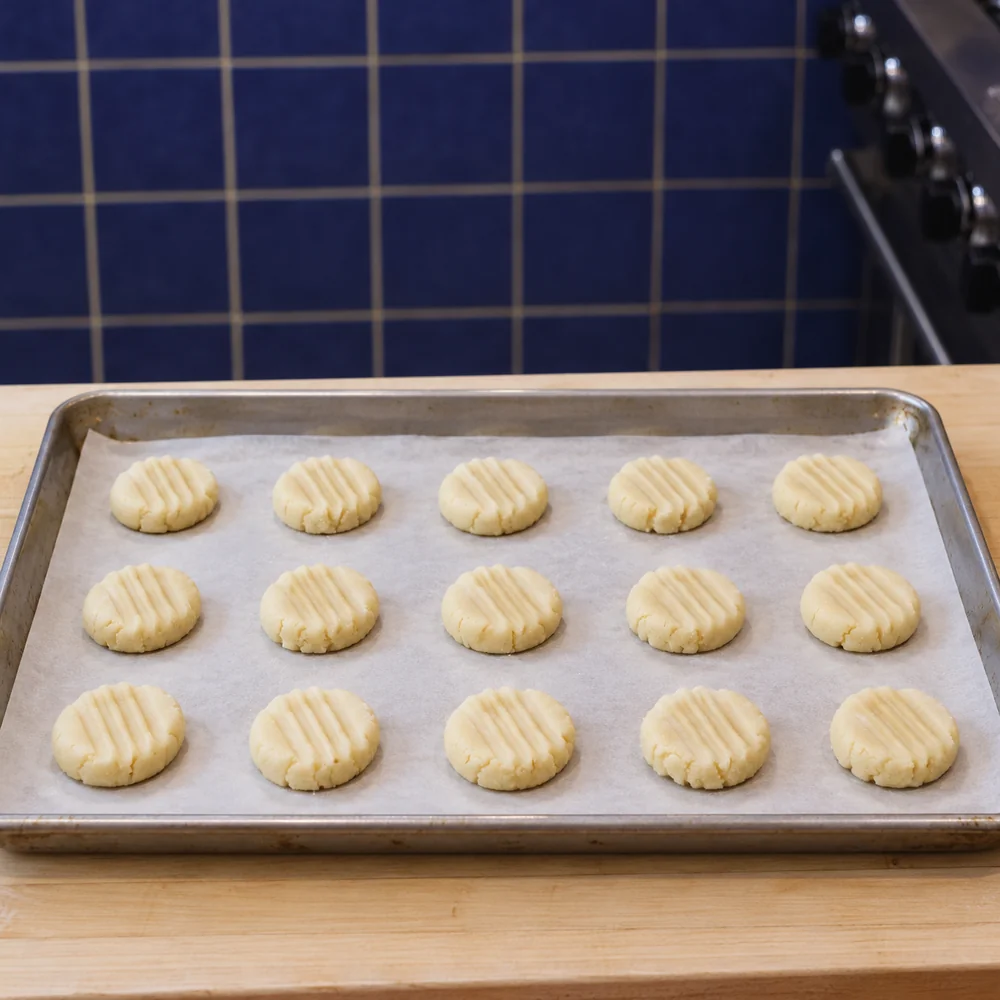
Whisk flour, cornstarch and salt separately. Add to the butter mixture on low speed just until a soft dough forms. Divide into 30 small balls, set 1 1/2 inches apart and gently mark with a floured fork.
Step 3
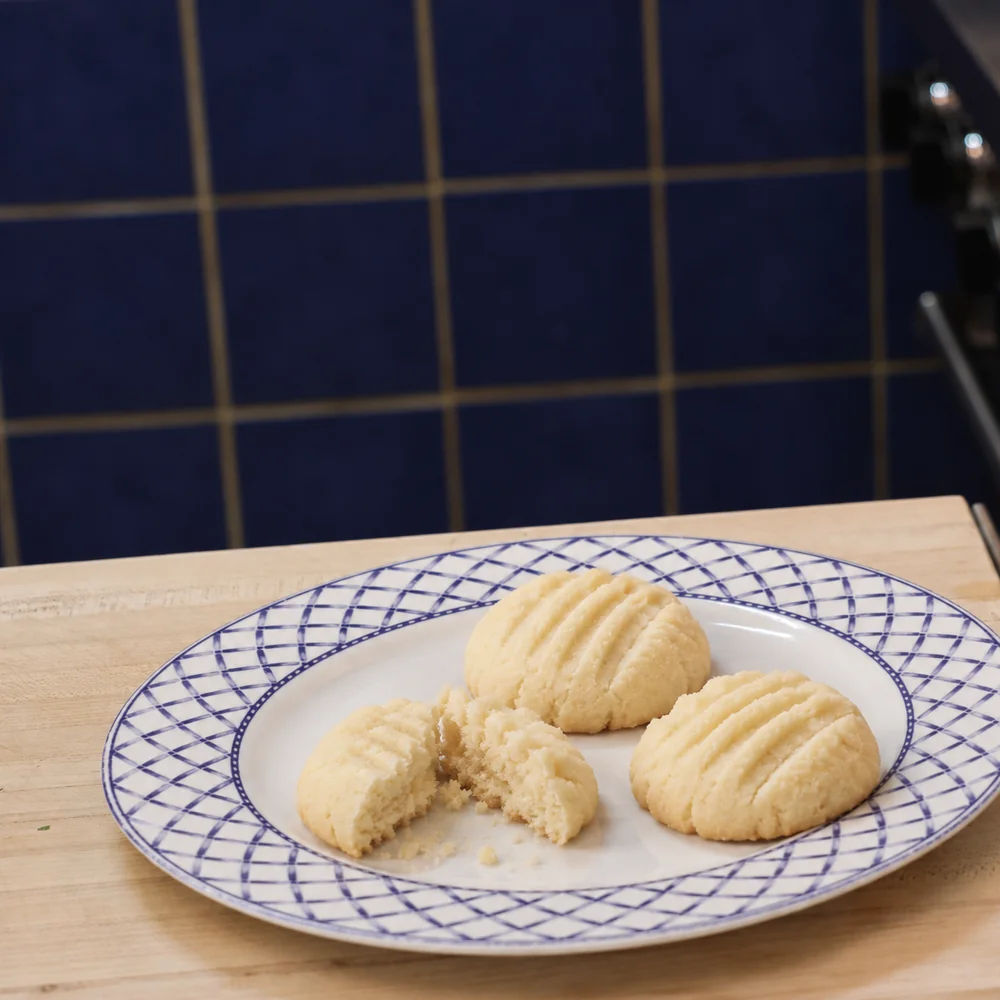
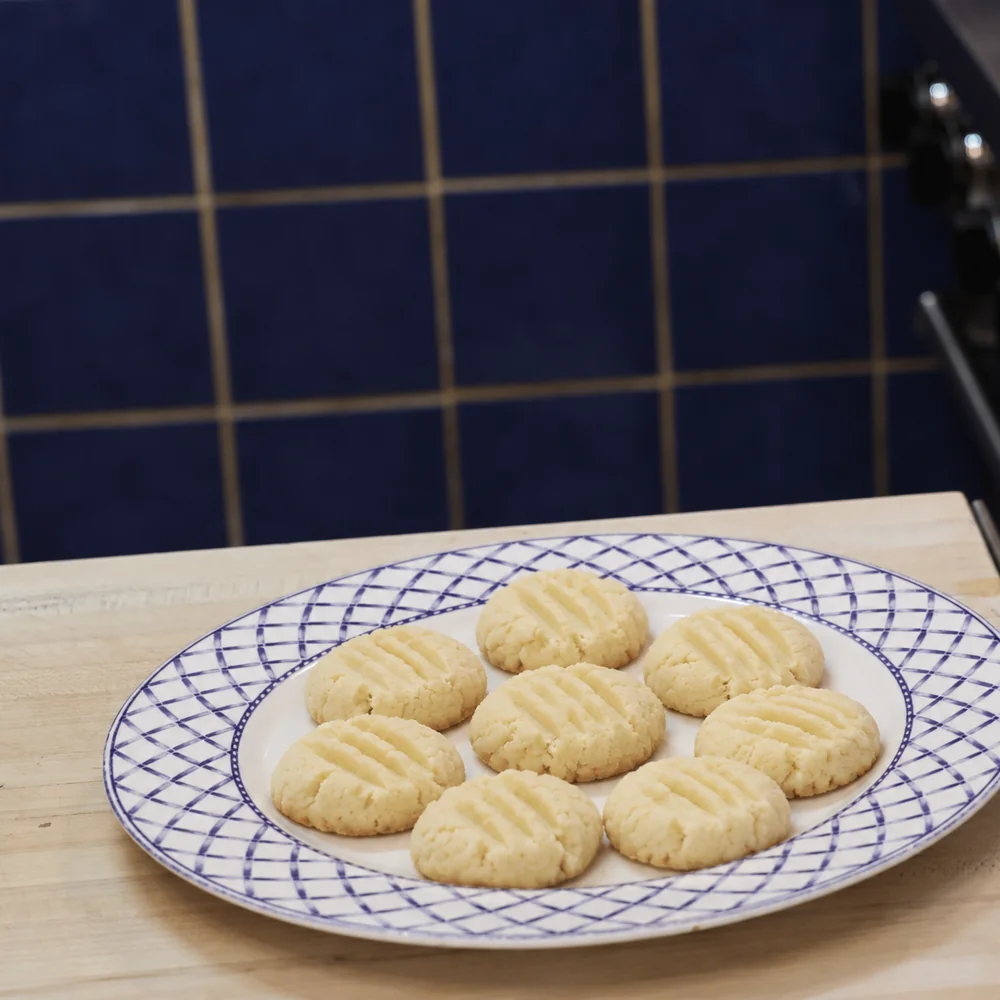
Bake one sheet at a time for 16 to 20 minutes, until the tops are dry and the bottoms barely golden. Cool 10 minutes on the tray before moving carefully to a rack.
Practical cooking details
Prepare the trays before portioning so the dough does not sit warming on the counter while you look for parchment. A light metal baking sheet gives a useful baseline; a very dark sheet can brown the bottoms sooner. Keep the rack near the center of the oven and leave space around the pan for heat to circulate. If baking more than one tray, watch for uneven color and rotate only after the cookies have begun to set.
Divide the dough into the stated number of portions before deciding to make unusually large cookies. Larger pieces need a different balance between edge color and center doneness. A small scoop helps, but matching the size by eye also works when you check the whole tray. Keep unused dough cool between batches and let the baking sheet return to room temperature before loading it again. Allow the cookies to finish cooling uncovered before judging the final texture, since warm butter and sugar make every fresh batch feel softer.
Troubleshooting
If the cookies spread and lose their ridges, the butter or shaped dough was too warm. Chill the tray briefly before baking and check that the oven has reached temperature. If the dough crumbles during shaping, first press a little together with your fingers; it may only need the last flour folded through. Avoid adding liquid immediately. A very dry mixture can result from flour packed into the cup or an inaccurate cornstarch measure.
Substitutions
A little finely grated citrus zest can replace part of the vanilla aroma without changing the liquid balance. Keep the addition modest so the butter remains central. Salted butter may be used with less added salt. Margarine and butter spreads contain different amounts of water, so they are not dependable swaps for a cookie built almost entirely around butter. Granulated sugar also changes the crumb and should not simply replace powdered sugar cup for cup.
Frequently asked questions
Why did my whipped shortbread crumble when I moved it?
Warm shortbread is exceptionally fragile. Give the cookies ten minutes on the baking sheet before lifting them with a thin spatula. Let them finish cooling on a rack before stacking. If they still fall apart when cold, check the flour and cornstarch measurements and make sure the dough was evenly combined.
Do I need to chill whipped shortbread dough?
This formula can be shaped and baked when the butter is soft but cool. If the dough feels greasy, or the room is warm, chill the shaped cookies until they feel firm enough to keep their ridges. The aim is controlled butter temperature, rather than a mandatory long refrigerator rest.
How do I know pale shortbread is baked?
Look for a surface that has lost its wet sheen and edges that feel set. Carefully lift one cookie after a short rest to check the bottom: a light straw color is enough. Waiting for a brown top tends to overbake the small cookies. They become firmer as they cool.
Storage and make-ahead
Store fully cooled cookies in a rigid airtight container for about one week in a cool room. Use parchment between layers and avoid packing the box tightly. Freeze for up to two months if making them further ahead. Thaw in the closed container, then open once they reach room temperature. For a cookie exchange, choose a shallow tin so there is little weight on the lower layer; these are tender butter cookies rather than sturdy travel biscuits.
What to serve with it and related recipes
For a larger homemade cookie assortment, peanut butter cookies gives a distinct peanut flavor, while pistachio white chocolate cookies offers a different nut-and-white-chocolate pairing. Add oatmeal maple cookies when you want an oat texture and double chocolate cookies for a deeper cocoa option. The gentle seasonal flavor of pumpkin oatmeal cookies also fits an autumn tray. For a batch with a toasted butter note, prepare brown butter chocolate chip cookies separately. Serve a few of each in small groups rather than packing warm cookies together; their different textures stay clearer when each batch cools and is stored on its own.
Whipped Shortbread Cookies That Hold Their Shape
Ingredients
- 1 cup unsalted butter softened but not oily
- 1/2 cup powdered sugar
- 1 tsp vanilla extract
- 1 3/4 cups all-purpose flour spooned and leveled
- 1/2 cup cornstarch
- 1/4 tsp fine salt
Instructions
- Heat the oven to 300°F and line two baking sheets with parchment. Beat butter and powdered sugar for 4 to 5 minutes, scraping the bowl, until noticeably pale and fluffy. Beat in vanilla.
- Whisk flour, cornstarch and salt separately. Add to the butter mixture on low speed just until a soft dough forms. Divide into 30 small balls, set 1 1/2 inches apart and gently mark with a floured fork.
- Bake one sheet at a time for 16 to 20 minutes, until the tops are dry and the bottoms barely golden. Cool 10 minutes on the tray before moving carefully to a rack.