Homemade Fresh Pasta Without a Machine: Easy Hand-Rolled Egg Pasta
Fresh pasta is a simple egg dough made with flour, eggs, a little olive oil, and salt, then rolled thin and cut into noodles. This version is made completely by hand, without a pasta machine, so it is rustic, slightly irregular, and very satisfying to cook at home. I make it when I want fresh noodles for garlic butter pasta, tomato sauce, creamy sauces, or a simple parmesan finish.
This recipe is based on my YouTube video for fresh pasta without a machine, with a few adjustments since publication to make the proportions easier to reproduce at home. In the video, I used 600 g of flour and 7 large eggs. That can work, but eggs vary a lot in size, so I now prefer to start with 6 large eggs and add more beaten egg only if the dough feels too dry. The dough should feel firm and smooth, not sticky like bread dough.
The mistake to avoid is adding all the liquid without checking the dough. Fresh pasta is not a cake batter. It should resist a little under your hands. When you press it with your finger, it should bounce back slowly and feel elastic. If it sticks to the table, it needs more flour. If it cracks badly and refuses to come together, it needs a little more beaten egg or a few drops of water.

Why I Make Fresh Pasta This Way
I make it this way because hand-rolled pasta has a different personality than machine-rolled pasta. The noodles are not perfectly even, but that is not a problem. In fact, those small variations help catch sauce, especially something simple like homemade garlic butter or a quick pan sauce.
I prefer to use type 00 flour when I have it because it rolls smoothly and gives a softer bite. If all-purpose flour is what you have, use it. The pasta will still work. It may be a little less delicate, but for hand-rolled noodles, that is not a disaster.
This recipe is different from the creamy pasta dishes on the site because the focus here is the dough itself. If you want a complete saucy dinner, you can use these noodles with creamy mushroom pasta, lemon garlic creamy pasta, or easy creamy tomato pasta. This page is the base recipe, the homemade pasta foundation.
Ingredients You Need
You only need four ingredients for the pasta dough: flour, eggs, olive oil, and salt.
For the most reliable result, measure the flour and then add the eggs gradually. A large egg can vary more than people think, and when you are working with a big batch, that difference matters. Too much egg makes the dough soft and sticky. Too little egg makes it crumbly.
For a 6 to 8 serving batch, use about 4 3/4 cups of type 00 flour, 6 large eggs to start, 1 tablespoon plus 2 teaspoons olive oil, and a small pinch of fine salt. Keep one extra beaten egg nearby. Add only what you need.

At this point, it should look a little messy. That is normal. Pasta dough always looks rough in the first few minutes. The magic happens after kneading and resting.
Step-by-Step Instructions
1. Mix the eggs and oil
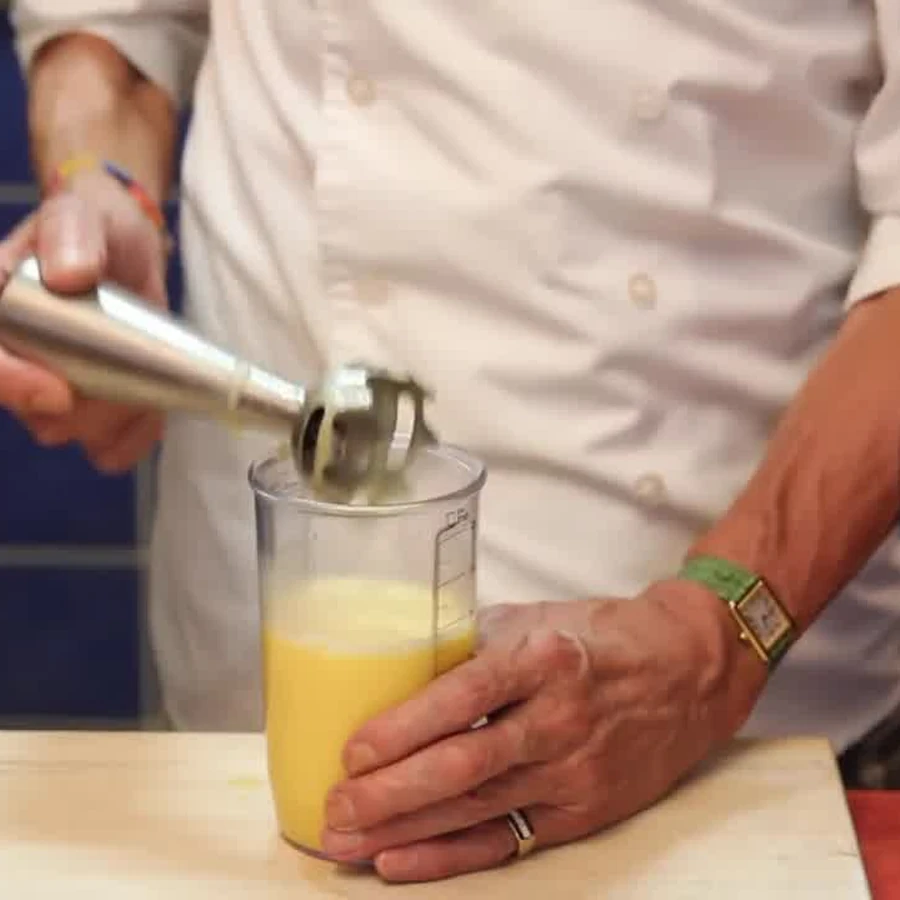
Crack 6 large eggs into a bowl. Add the olive oil and whisk with a fork until the yolks and whites are well combined. Keep one extra egg nearby, beaten separately, in case the dough needs more moisture.
2. Make the flour well
Pour the flour onto a clean work surface or into a very large shallow bowl. Add the salt. Make a wide well in the middle, like a volcano, with enough room to hold the eggs.
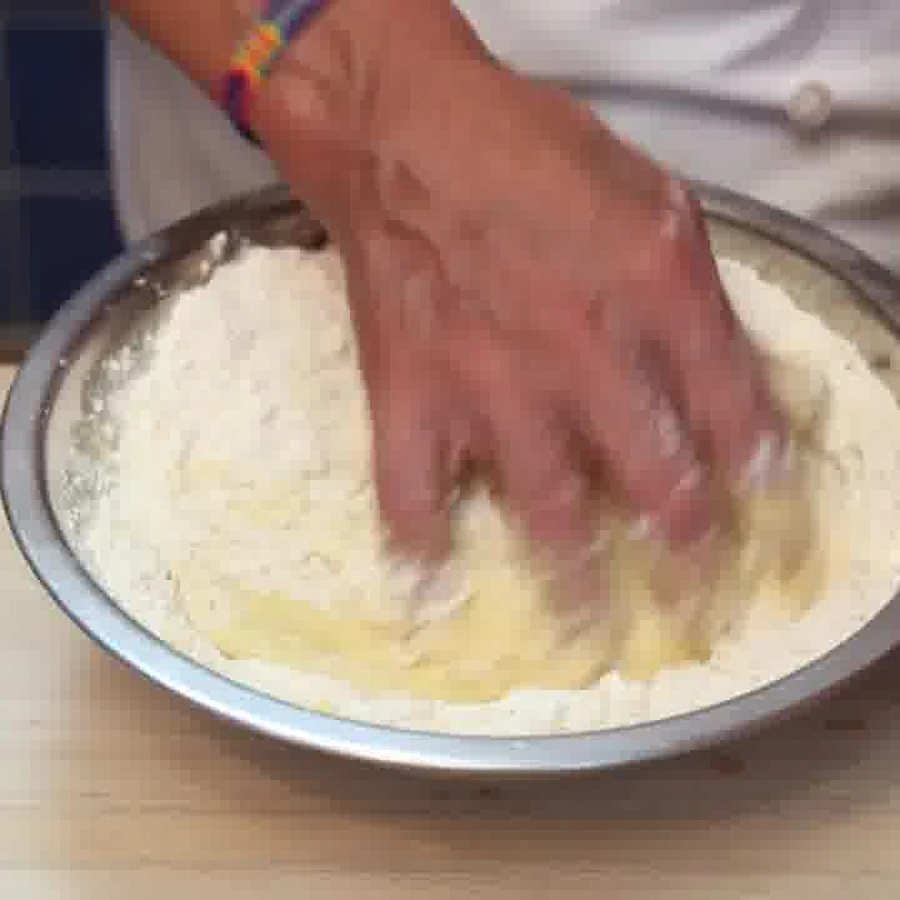
Do not make the walls too thin. If the eggs escape, it is not the end of the world, but it makes the first minute more stressful than necessary.
3. Add the eggs gradually
Pour the egg mixture into the center of the well. Using a fork or your fingers, slowly pull flour from the inside wall into the eggs. Do not collapse the whole mound at once.

What I look for here is a thick paste forming in the middle. Once it becomes too thick to stir, use your hands or a bench scraper to fold the flour into the wet mixture.
4. Bring the dough together
At first, the dough may look dry in some places and sticky in others. Press it together, fold it, scrape the table, and keep going. This stage takes a few minutes.
If there is still a lot of dry flour after 3 or 4 minutes, add a teaspoon or two of beaten egg. Mix again before adding more. The goal is not a wet dough. It should come together as a firm mass.
5. Knead until smooth
Knead the dough for about 8 to 10 minutes. Push it away with the heel of your hand, fold it back, turn it, and repeat.


You know it is ready when the surface looks smoother and the dough feels elastic. It should not be perfectly silky yet, but it should hold together cleanly. If your work surface is covered in sticky paste, dust lightly with flour and continue.
6. Rest the dough
Shape the dough into a ball. Wrap it tightly in plastic wrap or place it in an airtight container. Let it rest at room temperature for 1 hour.
This rest is important. It relaxes the gluten and makes the dough much easier to roll. If you skip it, the dough will fight you and shrink back every time you roll it.
Rolling Pasta Without a Machine
Lightly flour the work surface. Cut the rested dough into 6 to 8 pieces. Work with one piece at a time and keep the remaining dough covered so it does not dry out.
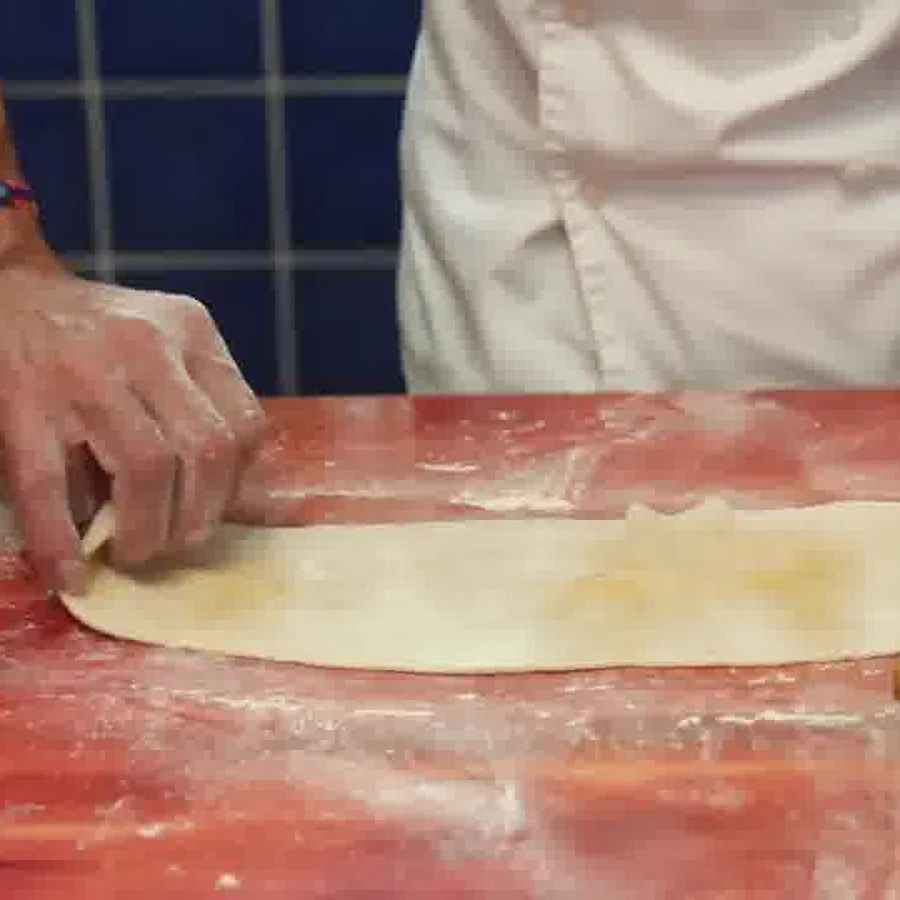
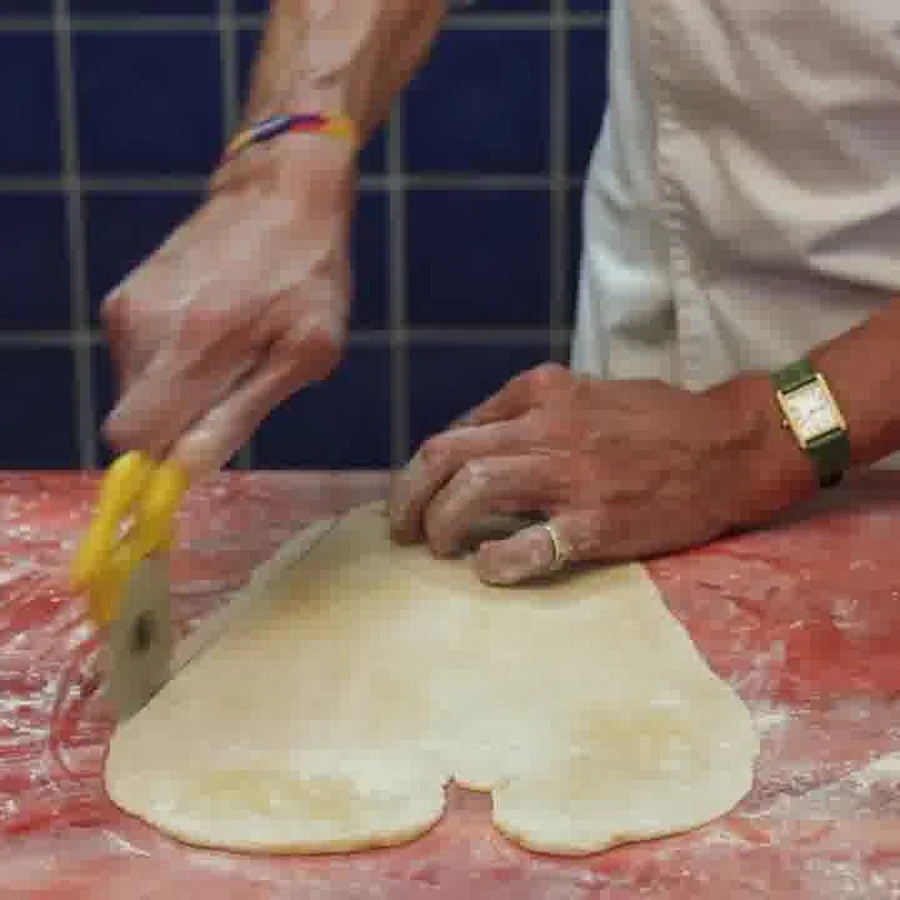
Flatten one piece with your hands, then roll it with a rolling pin. Roll from the center outward, turn the dough often, and dust lightly when needed. Do not bury it in flour. Too much flour makes the finished noodles dry and rough.
For hand-cut noodles, roll the dough until it is thin enough that you can almost see your fingers through it when you lift it. It does not need to be transparent. If it tears, it is too thin or too dry.
Use a knife, pizza wheel, or pastry cutter to cut the sheet into strips. They can be rustic. That is the charm of homemade pasta without a machine.
If you want a simple sauce after cooking, this dough works beautifully with aglio e olio because the sauce is light and lets the texture of the noodles show. For a richer plate, toss them with cacio e pepe or a spoonful of homemade tomato sauce.
Cooking Fresh Pasta
Bring a large pot of water to a full boil. Use about 4 quarts of water for this batch. Salt the water generously. It should taste seasoned, not flat.

Drop the pasta into the boiling water and stir gently so the strands do not stick together. Fresh pasta cooks quickly. Depending on thickness, it usually takes 2 to 4 minutes.
The pasta is ready when it floats, looks slightly puffed, and tastes tender with a little bite. Do not walk away. Fresh pasta goes from perfect to too soft much faster than dried pasta.
Transfer it directly into a pan with sauce, butter, or olive oil. I prefer to finish pasta in the pan because the noodles absorb some of the sauce and everything comes together better.
How to Serve It
For the version from the video, I like finishing the pasta in garlic butter with parmesan and fresh basil. Keep the heat moderate when the pasta hits the pan. If the butter is too hot, it can brown too fast before the noodles are coated.
You can also use this hand-rolled pasta with a sauce from the sauce section, like creamy Dijon sauce for a bistro-style plate, or classic brown sauce if you are serving it beside meat.
For a full pasta night, pair it with something fresh on the side, like homemade Caesar salad or an easy Greek salad. The fresh pasta is rich because of the eggs, so a crisp salad makes the meal feel balanced without making it complicated.
Substitutions
If you do not have type 00 flour, use all-purpose flour. It will still make good pasta, especially for wider hand-cut noodles.
If you want a firmer dough, use 6 eggs and skip the extra egg unless absolutely needed. If you want a richer dough, add one extra yolk instead of a whole extra egg.
Olive oil can be replaced with a neutral oil, but I prefer olive oil because it gives a better feel when rolling by hand. You can also omit the oil, but the dough may feel slightly firmer.
For serving, garlic butter is not the only option. Use olive oil, butter and parmesan, tomato sauce, or a creamy sauce. For more ideas, the homemade pasta recipe guide is a good place to continue.
FAQ
Can I make fresh pasta without a pasta machine?
Yes. A rolling pin works well. The pasta will be more rustic and less perfectly even, but it can still be excellent. Roll in small portions and keep turning the dough so it does not stick.
Is 7 eggs too much for 600 g of flour?
It can be too much, depending on egg size. That is why I prefer starting with 6 large eggs, then adding more beaten egg only if the dough feels dry. The dough should be firm, not sticky.
How long should fresh pasta rest?
One hour at room temperature is ideal for this batch. Wrap it well so the surface does not dry out.
How thin should I roll the dough?
For hand-cut noodles, roll it thin enough that you can almost see your fingers through it. If the pasta is too thick, it will taste heavy and take longer to cook.
How long does fresh pasta cook?
Usually 2 to 4 minutes, depending on thickness. Start tasting after 2 minutes. Fresh pasta cooks much faster than dried pasta.
Can I freeze homemade fresh pasta?
Yes. Dust the cut pasta lightly with flour, shape it into small nests, freeze on a tray, then transfer to a freezer bag. Cook from frozen without thawing.
What to Serve With Fresh Pasta
For a light sauce, toss the noodles with classic aglio e olio or homemade garlic butter.
For a creamy dinner, use the noodles in creamy mushroom pasta or lemon garlic creamy pasta.
For a tomato-based version, serve them with fresh homemade tomato sauce.
For sides, add homemade Caesar salad or easy homemade Greek salad.
For more pasta ideas, browse easy pasta recipes or the ultimate guide to homemade pasta recipes.
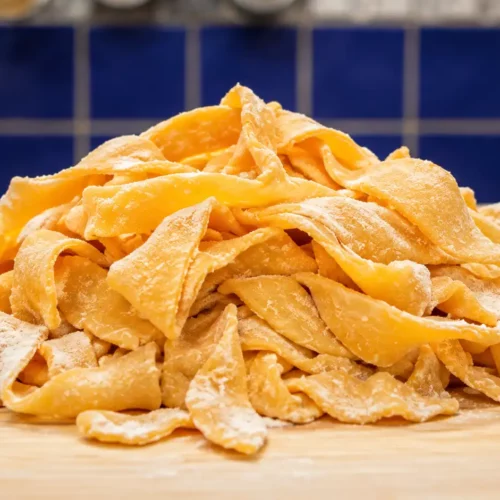
Homemade Fresh Pasta Without a Machine: Easy Hand-Rolled Egg Pasta
Ingrédients
- 4 3/4 cups type 00 flour plus more for dusting.
- 6 large eggs.
- 1 extra large egg beaten, only if needed.
- 1 tablespoon plus 2 teaspoons olive oil.
- 1/3 teaspoon fine salt.
- 4 quarts water for boiling.
- 2 tablespoons fine salt or 2 1/2 tablespoons kosher salt for the cooking water.
- Garlic butter to serve.
- Grated parmesan to serve.
- Fresh basil or parsley to serve.
Instructions
- Crack 6 large eggs into a bowl. Add the olive oil and whisk until smooth.
- Place the flour on a clean work surface or in a large shallow bowl. Mix in the salt and make a wide well in the center.
- Pour the egg mixture into the well. Slowly pull flour into the eggs with a fork or your fingers.
- When the mixture becomes thick, use your hands or a bench scraper to bring the dough together.
- If the dough stays too dry after several minutes, add a little beaten egg, 1 teaspoon at a time. The dough should be firm, not sticky.
- Knead for 8 to 10 minutes, until smoother and elastic.
- Shape into a ball, wrap tightly, and rest at room temperature for 1 hour.
- Cut the dough into 6 to 8 pieces. Keep unused pieces covered.
- Roll one piece at a time on a lightly floured surface until thin enough that you can almost see your fingers through it.
- Cut into noodles with a knife, pizza wheel, or pastry cutter.
- Bring 4 quarts of water to a boil. Add the salt.
- Cook the fresh pasta for 2 to 4 minutes, depending on thickness.
- Transfer directly to a pan with garlic butter or your preferred sauce.
- Serve with parmesan and fresh herbs.
Vidéo
Notes
FAQ
Can I make fresh pasta without a pasta machine?
Yes. A rolling pin works well. The pasta will be more rustic and less perfectly even, but it can still be excellent. Roll in small portions and keep turning the dough so it does not stick.Is 7 eggs too much for 600 g of flour?
It can be too much, depending on egg size. That is why I prefer starting with 6 large eggs, then adding more beaten egg only if the dough feels dry. The dough should be firm, not sticky.How long should fresh pasta rest?
One hour at room temperature is ideal for this batch. Wrap it well so the surface does not dry out.How thin should I roll the dough?
For hand-cut noodles, roll it thin enough that you can almost see your fingers through it. If the pasta is too thick, it will taste heavy and take longer to cook.How long does fresh pasta cook?
Usually 2 to 4 minutes, depending on thickness. Start tasting after 2 minutes. Fresh pasta cooks much faster than dried pasta.Can I freeze homemade fresh pasta?
Yes. Dust the cut pasta lightly with flour, shape it into small nests, freeze on a tray, then transfer to a freezer bag. Cook from frozen without thawing.🔗 Useful Links
🛒 Michel Dumas Shop : Explore our kitchen essentials, including aprons and knives.
🌐 Linktree : Access all our important links in one place.
📱 YouTube | Instagram | Facebook | TikTok : Follow us for the latest recipes and culinary tips.