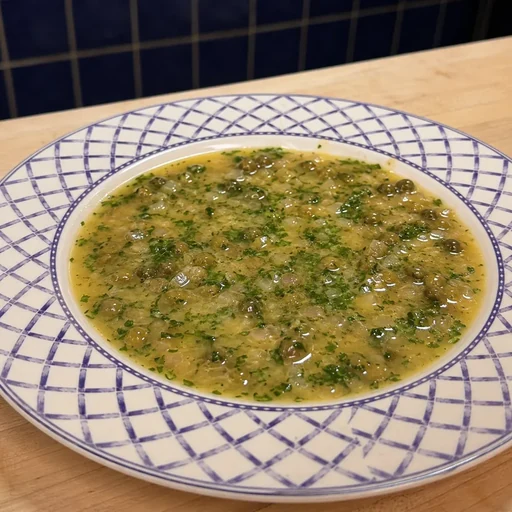
Belgian Endive Salad with Sun-Dried Tomato Dressing
This Belgian endive salad pairs crisp, gently bitter leaves with a red dressing made from sun-dried tomatoes, lemon, basil, garlic and olive oil. It is a quick, no-cook side dish with plenty of savoury flavour. Blend the sauce first, then dress the sliced endive just before serving so it stays crunchy.
This is a raw endive salad coated in a blended sun-dried tomato vinaigrette, rather than a cooked tomato sauce or a creamy mayonnaise dressing. The recipe is based on my video, with tomato quantity and dressing usage clarified since publication. The important jug measurement refers to the complete dressing mixture, not to the oil alone.
{VIDEO}
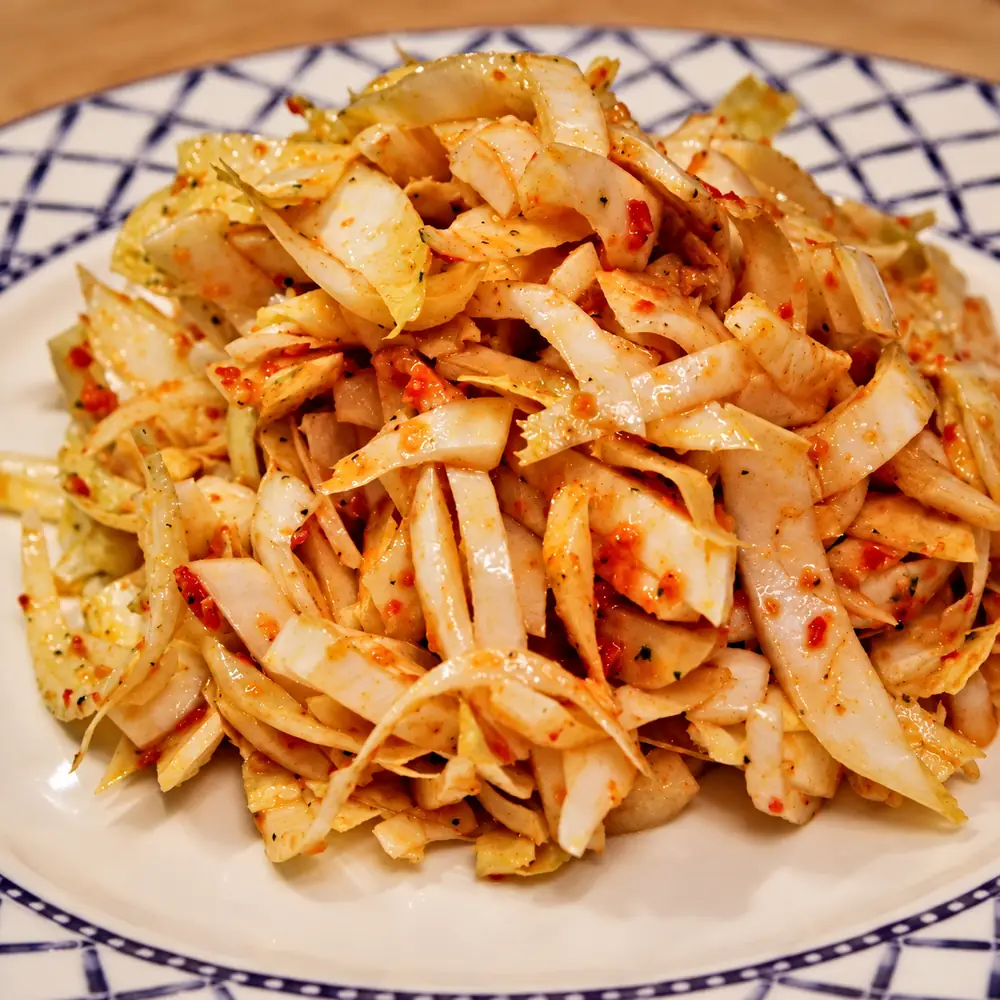
A crunchy endive salad with a different dressing
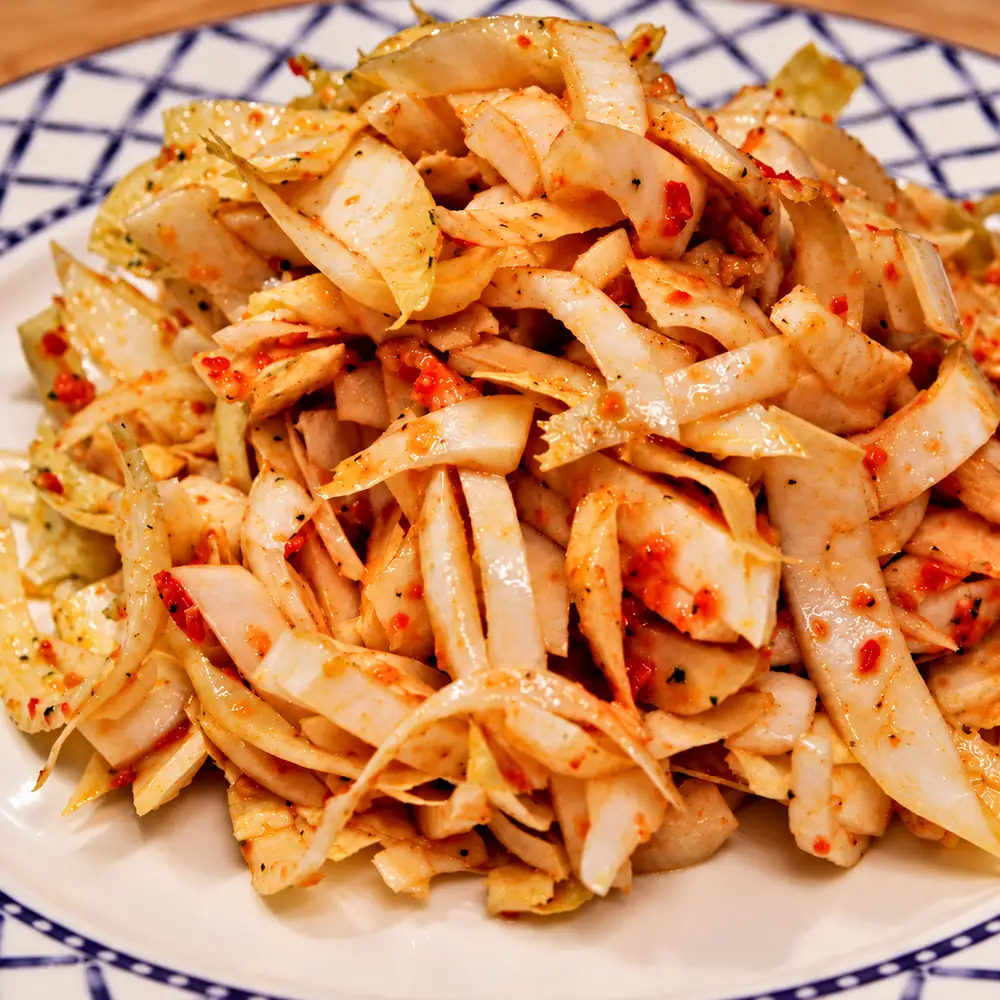
Belgian endive brings a firm bite and a little bitterness. Sun-dried tomatoes bring concentrated tomato flavour, lemon adds acidity, and olive oil rounds out the sauce. A small amount of garlic and one large basil leaf are enough for this version. I want the dressing to cling lightly to the cut leaves, with visible red flecks, rather than collect in a deep pool underneath.
If you prefer a more familiar dressing, classic vinaigrette and quick mustard vinaigrette explain other approaches. They are alternatives for another salad, not additions to this tomato sauce. This recipe needs no ketchup, mayonnaise, cheese or sugar to reproduce the filmed dish.
Does the recipe work, and what needs clarification?
The method is sound: chop the flavourings, combine them with lemon and oil, blend, then toss with endive. The video uses four endives, a half garlic clove, one basil leaf and about 3 tablespoons plus 1 teaspoon of lemon juice. It brings the whole jug mixture to about 1½ cups before blending. Reading that final mark as a measure of olive oil alone would make a substantially larger, oilier batch.
The amount of sun-dried tomato is not weighed in the video. I standardize it here at 1½ ounces so the sauce has a repeatable tomato base. The oil amount depends on the space occupied by the tomato mixture in the jug; about 1 cup plus 1 tablespoon is a useful allowance, but the final mixture mark is the controlling measurement. Salt depends on the tomatoes, so start cautiously and taste.
The other missing instruction is how much sauce to put on the salad. A batch of dressing is not a requirement to use every drop. Begin with ¼ cup, toss, then add more only as needed. The ingredient list intentionally makes extra sauce. This technical assessment supports the method and identifies likely problems; it is not a claim that the standardized written recipe has been newly kitchen-tested.
Ingredients and buying notes
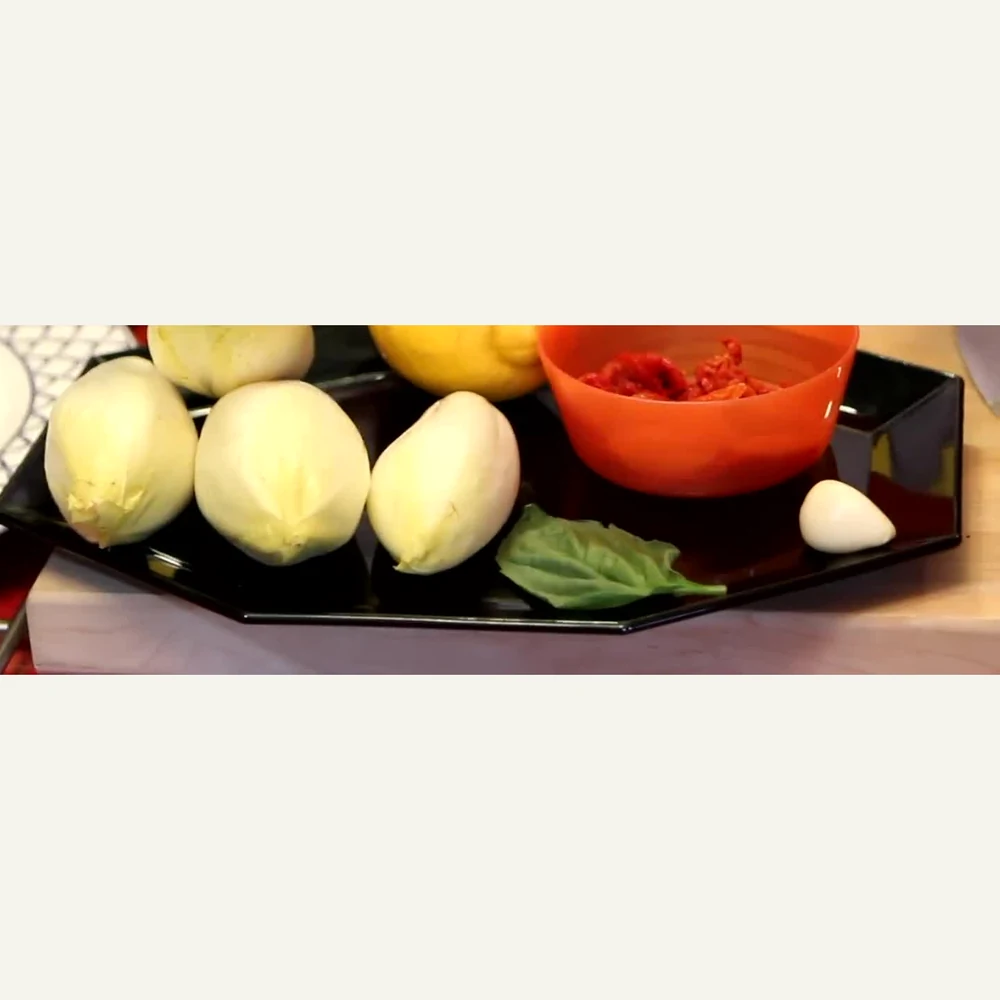
4 medium Belgian endives
1½ oz soft sun-dried tomatoes, finely chopped
3 tbsp plus 1 tsp fresh lemon juice, strained
½ garlic clove, crushed and finely chopped
1 large fresh basil leaf, finely sliced
About 1 cup plus 1 tbsp mild olive oil, adjusted to bring the complete unblended mixture to 1½ cups
¼–½ tsp fine salt, to taste
½ tsp freshly ground black pepper, or to taste
Choose endives with tightly closed pale leaves and firm bases. Remove any bruised outer leaves. A compact head gives neater slices than a loose or damaged one. The tomatoes should be pliable enough to chop. If using tomatoes packed in oil, drain them thoroughly. If they are very leathery and dry, soften briefly in warm water and drain well before weighing the usable softened tomatoes for this version.
A mild olive oil keeps the tomato flavour clear. A very bitter oil combined with endive can make the overall salad harsher. The sauce gets its colour from sun-dried tomatoes, not from paprika or colouring. For another recipe using the same concentrated ingredient, see tuna pasta salad with sun-dried tomatoes or fusilli salad with sun-dried tomatoes.
How to make the endive salad
1. Prepare the lemon base
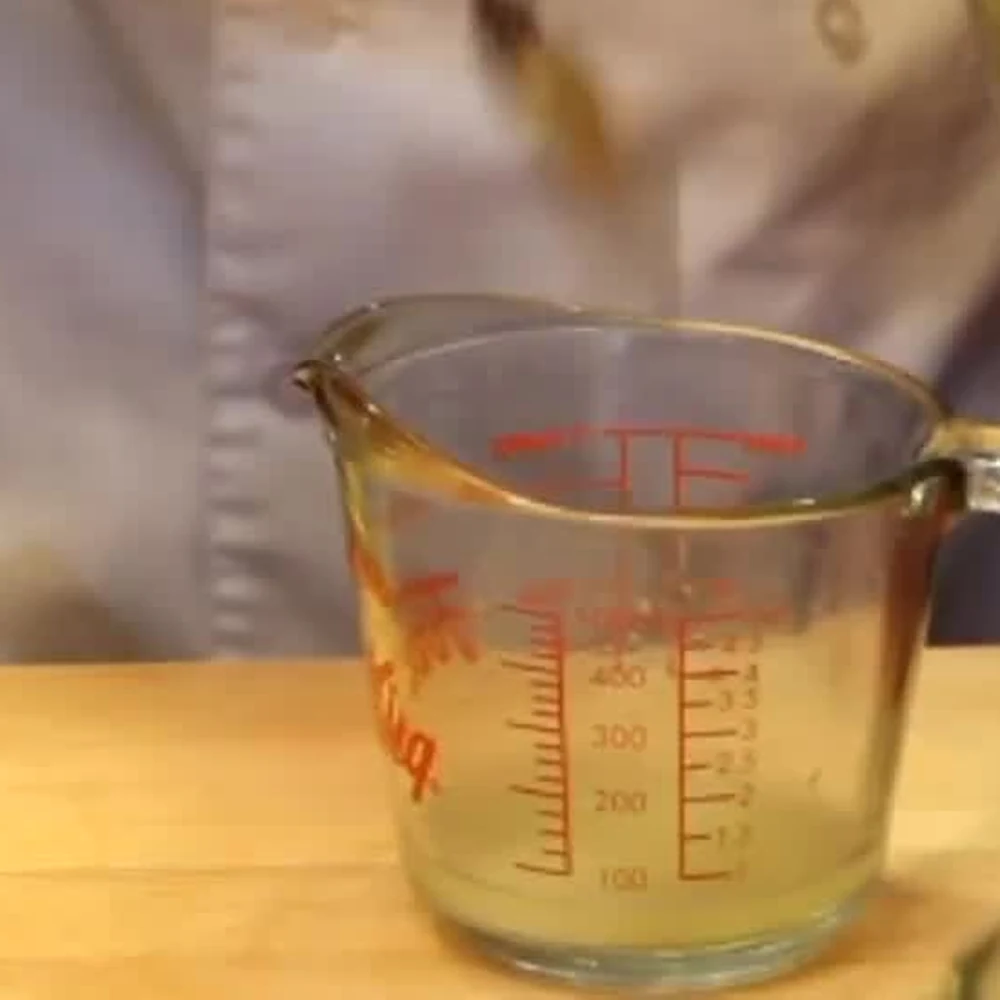
Squeeze and strain the lemon juice into a marked jug suitable for an immersion blender. Measure 3 tablespoons plus 1 teaspoon rather than relying on the size of a lemon. Add ¼ teaspoon of salt and the pepper. Stir briefly. The tomato mixture may bring additional salt, so leave the remaining salt for adjustment after blending.
2. Chop the garlic, basil and tomatoes
Crush the half garlic clove and chop it finely. Slice the basil leaf into thin ribbons. Chop the sun-dried tomatoes first into strips and then into small pieces. Put everything in the lemon mixture. Finely chopping the tomatoes helps the blender make an even sauce, particularly if their skins are tough. The flavourings should be dispersed throughout the sauce, not sit in large chewy lumps.
3. Add oil and blend the red dressing
Pour in olive oil until the complete unblended contents reach about the 1½-cup mark. This includes the lemon, tomatoes and other ingredients already in the jug. Immerse the blender head fully, blend from the bottom, then move it gently within the mixture until the sauce looks evenly red-orange. Keep the blade covered to limit splashing. Stop when the tomatoes are finely broken down and the oil is incorporated.
Taste with a small piece of endive. Add the remaining salt only if needed. The sauce should be rich, tangy and savoury. It can retain tiny tomato flecks; a completely seedless purée is unnecessary. If the dressing separates while standing, stir or blend briefly again before using it.
4. Slice the endive
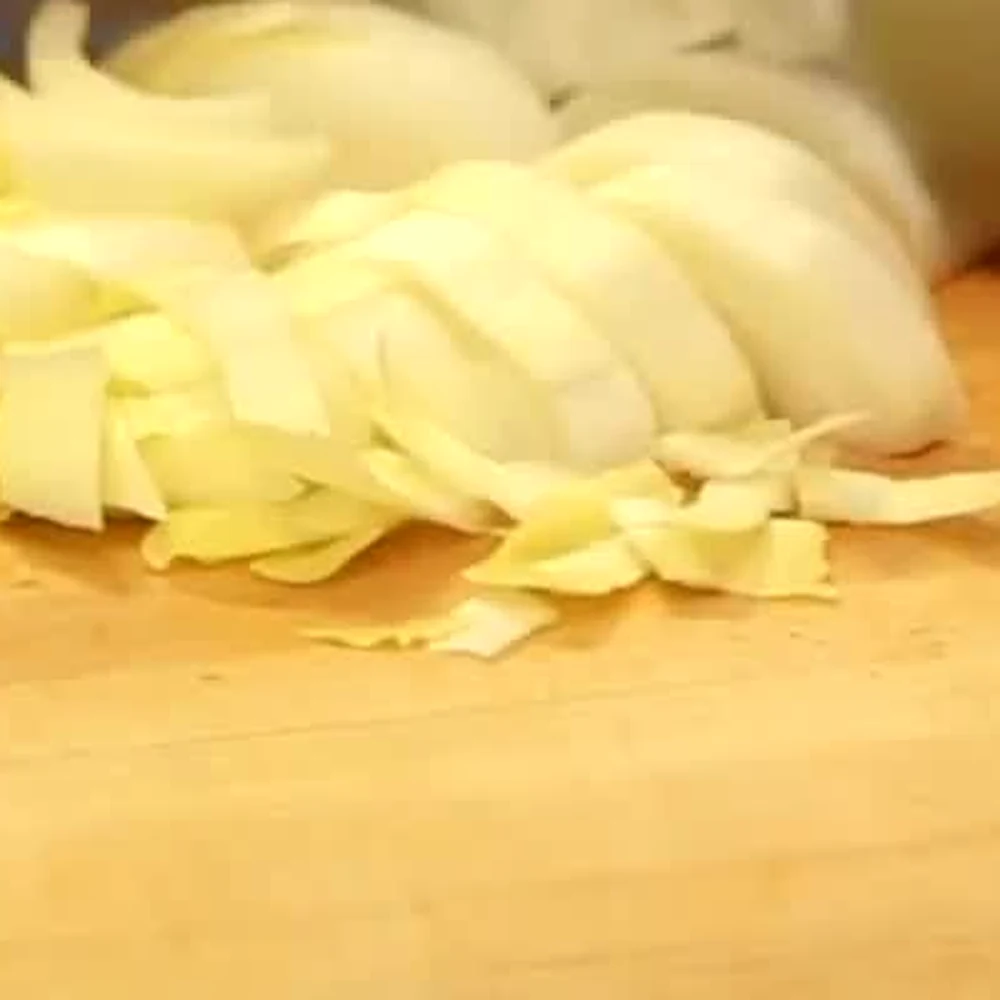
Wash the endives as needed and dry them thoroughly. Trim the dry root ends, halve the heads lengthwise, and remove a small wedge of the dense core if it tastes particularly bitter. Do not cut away so much base that you waste the usable leaves. Slice crosswise on a slight diagonal into strips about ¼ inch wide and put them in a roomy bowl.
Drying matters here: trapped water dilutes the red dressing and can collect at the bottom. Cut shortly before serving when practical. For a salad that combines endive with a milder lettuce, try romaine and endive green salad. For another chicory flavour, crunchy red chicory salad offers a different leaf and colour.
5. Dress gradually and serve
Add ¼ cup of the prepared sauce and toss gently from the bottom so the strips are coated evenly. Add a tablespoon at a time if there are still dry patches. Around ⅓ cup may be enough for four medium heads, but their size varies. Stop when the salad is glossy and lightly coated. Keep the unused dressing separate. Arrange on plates without compressing the leaves and serve promptly.
Common mistakes and easy checks
If the sauce tastes mostly of oil, first check whether you measured the oil instead of the complete jug contents. Extra lemon can sharpen an existing sauce, but a large excess of oil also dilutes the tomato flavour. Correct the balance in a small portion of dressing before changing the entire batch. For a simpler citrus comparison, lemon vinaigrette shows how acidity changes a salad dressing.
If the tomatoes remain tough, additional blending alone may not solve the problem. Start with pliable tomatoes and chop them well. If the salad tastes too bitter, taste the dressing and a plain endive piece separately. That identifies whether the bitterness comes from the vegetable, the oil, or both. Do not automatically add sugar: a milder oil and a balanced amount of sauce often make more sense.
Serving ideas and related salads
Serve this as four side portions or divide into two larger salad portions. soft and crispy focaccia is a good accompaniment for the tomato dressing. For a table with several vegetable sides, homemade Greek salad brings tomatoes and cucumber, while grated carrot salad with mustard vinaigrette offers another crisp texture. Keep each salad’s dressing separate.
The collection of easy salad recipes includes more options for lunches and side dishes. Endive alone with dressing is not a protein-rich main course. If you want a fuller meal, serve it alongside your chosen main rather than presenting this small side salad as a complete dinner.
Substitutions
Red Belgian endive can replace white endive, with a colour change. Radicchio also works as a clearly identified variation, but its bitterness and leaf texture differ. A milder crunchy lettuce is possible if you dislike endive, although the finished dish will no longer have the same chicory character.
Use drained oil-packed sun-dried tomatoes or softened dry tomatoes. Fresh tomatoes are not an equal replacement: they contain much more water and less concentrated flavour, so the sauce proportions need redesigning. Omit the half garlic clove for a gentler version. Keep the basil modest; a large handful would move this toward a herb dressing.
Frequently asked questions
Does the sauce contain mayonnaise?
No. Its creamy-looking appearance comes from blending olive oil, lemon and tomato solids. There are no eggs or dairy ingredients in the original preparation.
Can I make it ahead?
Make the dressing separately, cover and refrigerate it, and stir before using. Keep washed endives dry and chilled. Slice and dress close to serving for the best crunch, and use prepared components promptly.
Should I pour the whole batch onto the four endives?
No. Add enough to coat, starting with ¼ cup. The full batch is about 1½ cups, so you should normally have sauce left. More sauce is an option at the table, not an obligation in the mixing bowl.
Can I skip the blender?
You can mince the tomatoes very finely and whisk the mixture, but the texture will be more rustic and may separate more readily. A narrow immersion-blender jug makes the filmed style easier to reproduce.
Belgian Endive Salad with Sun-Dried Tomato Dressing
Ingredients
- 4 medium Belgian endives
- 1½ oz soft sun-dried tomatoes finely chopped
- 3 tbsp plus 1 tsp fresh lemon juice strained
- ½ garlic clove crushed and finely chopped
- 1 large fresh basil leaf finely sliced
- About 1 cup plus 1 tbsp mild olive oil adjusted to bring the complete unblended mixture to 1½ cups
- ¼ –½ tsp fine salt to taste
- ½ tsp freshly ground black pepper or to taste
Instructions
- Measure strained lemon juice into a blender-safe marked jug. Add ¼ tsp salt and the pepper.
- Crush and chop garlic, slice basil and finely chop the pliable sun-dried tomatoes. Add them to the jug.
- Add olive oil until the whole unblended mixture reaches about 1½ cups. Blend smooth with the blade submerged. Taste with endive and add remaining salt only if needed.
- Wash and thoroughly dry endives. Trim root ends, halve lengthwise, remove a small bitter core wedge if desired, and slice into ¼-inch diagonal strips.
- Toss with ¼ cup dressing. Add more by the tablespoon only until lightly coated, usually about ⅓ cup total. Reserve unused sauce separately.
- Plate without compressing and serve promptly.