Easy Hibachi Sauce Recipe (Japanese Steakhouse Style)
This creamy hibachi sauce is the pale pink, slightly sweet dipping sauce often served with steak, chicken, shrimp, vegetables, and fried rice at Japanese-style steakhouses in Canada and the United States. I make it with mayonnaise, ketchup, rice vinegar, melted butter, and a restrained amount of seasoning so it stays creamy and tangy instead of becoming too sweet or tasting strongly of ketchup.
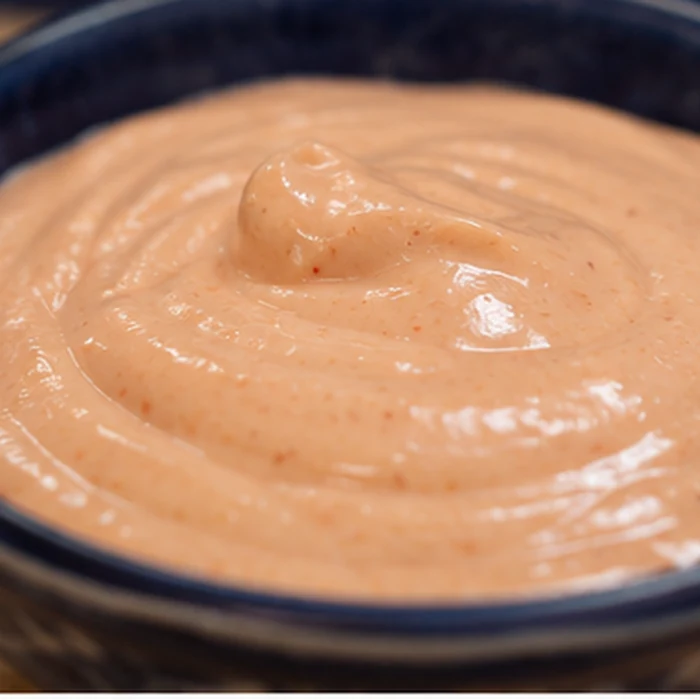
This recipe is based on the version from my YouTube cooking, with a few adjustments since publication. The main thing to watch is the consistency. It should slowly fall from a spoon and spread easily over hot meat or rice, not sit in a heavy mound like straight mayonnaise.

What Makes This Hibachi Sauce Different
Hibachi sauce is a Japanese-American steakhouse-style condiment, often referred to as yum yum sauce. It is usually mayonnaise-based, lightly tomato-flavoured, mildly sweet, and much less spicy than many other creamy dipping sauces. I use it when I want something cool and creamy beside grilled meat, seafood, fried rice, or vegetables.
The balance matters more than the number of ingredients. Too much ketchup turns it into burger sauce. Too much sugar makes it cloying beside savoury meat. Too much vinegar thins the mayonnaise and leaves a sharp finish.
I make it this way because mayonnaise should remain the dominant flavour and texture. Ketchup gives the sauce its familiar colour and a little sweetness, while rice vinegar adds acidity without overwhelming everything else.
If you like making sauces from scratch, you can start with my easy homemade mayonnaise instead of store-bought mayonnaise. For something with more heat, my quick spicy mayo goes in a different direction and is intentionally hotter.
Ingredients You Need
Mayonnaise: This is the base, so use a mayonnaise you already enjoy. A full-fat mayonnaise gives the smoothest texture.
Ketchup: Only a small amount is needed. It provides colour, sweetness, tomato flavour, and some acidity.
Unsalted butter: Melt it and let it cool slightly before adding it. The butter rounds out the acidity and gives the finished sauce a richer steakhouse-style flavour.
Rice vinegar: I prefer rice vinegar here because it is softer than standard white vinegar. It brightens the sauce without making it aggressively sour.
Granulated sugar: A teaspoon is enough to round out the vinegar and tomato. This should not taste like a sweet dressing.
Paprika: Paprika deepens the pink-orange colour and adds mild pepper flavour. Sweet paprika works particularly well.
Garlic powder: Powder disperses evenly through the cold sauce and gives a more consistent flavour than pieces of raw garlic.
Onion powder: Just a small amount adds savoury depth without changing the texture.
Water: Add it gradually at the end. Depending on the mayonnaise, you may need one or two tablespoons.
You will notice that I do not load this sauce with hot sauce or cayenne. That is intentional. If I want a distinctly spicy creamy sauce, I would rather make Cajun mayo or a dedicated spicy mayo and keep this one mild.
Step-by-Step Instructions
1. Build the mayonnaise base
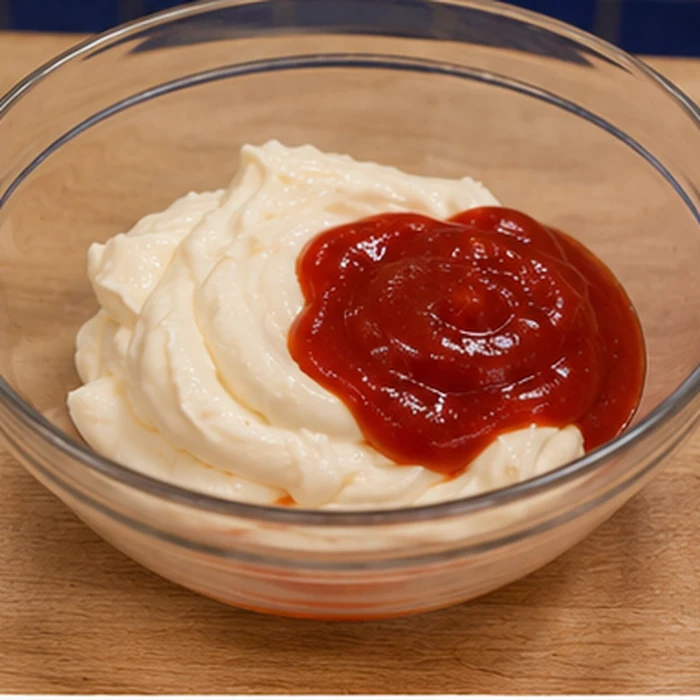
Put the mayonnaise and ketchup into a medium bowl. Whisk until the ketchup is completely incorporated and there are no darker streaks left.
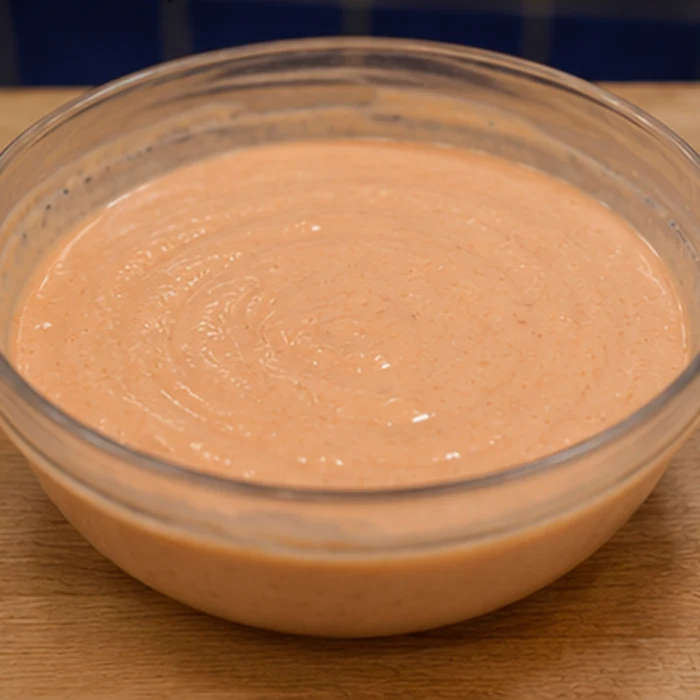
What I look for here is an even pale salmon-pink colour. If the mixture already looks bright red or orange, there is probably too much ketchup.
2. Add the melted butter and vinegar
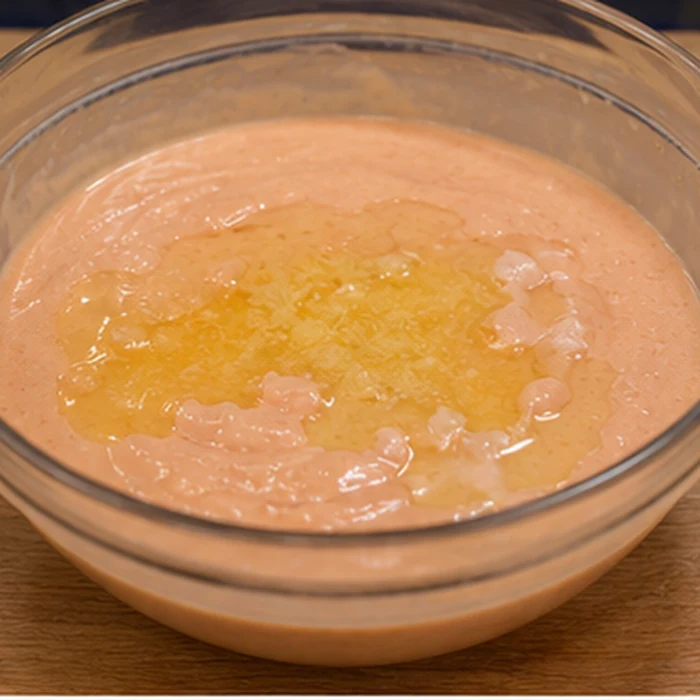
Melt the butter, then let it cool for a minute or two. It can still be liquid, but it should not be piping hot.
Whisk the butter into the mayonnaise mixture, followed by the rice vinegar. Add them gradually rather than dumping everything in at once.
The mistake to avoid is pouring very hot butter directly into cold mayonnaise. You are not trying to cook anything, and excessive heat can make the texture look greasy instead of smooth.
3. Season the sauce
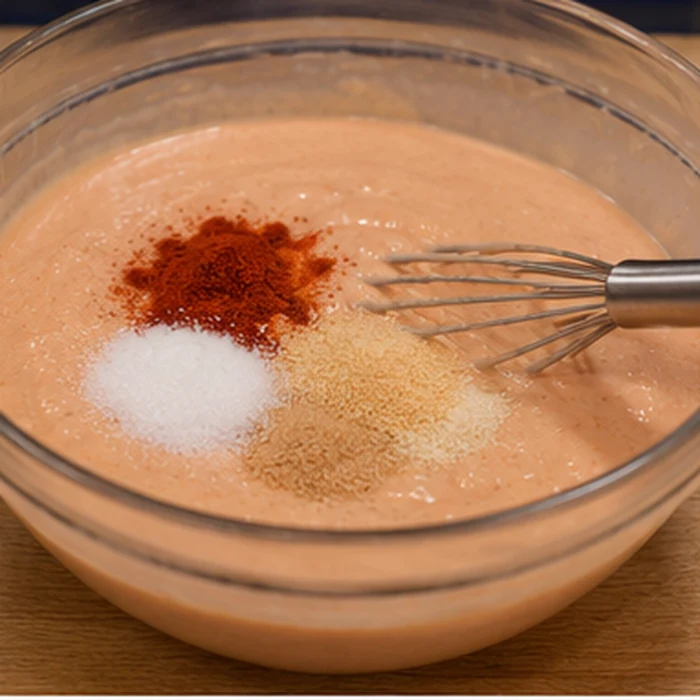
Add the sugar, paprika, garlic powder, and onion powder. Whisk thoroughly, scraping around the bottom and sides of the bowl.
Taste it before adding anything else. You should first notice creamy mayonnaise, then a mild sweet-tangy flavour, followed by the garlic and paprika.
This is also where this sauce separates itself from my 2-minute garlic mayo and garlic aioli. Those sauces put garlic at the centre. Here, garlic stays in the background.
4. Adjust the consistency
Whisk in one tablespoon of water. Check the consistency before adding the second tablespoon.
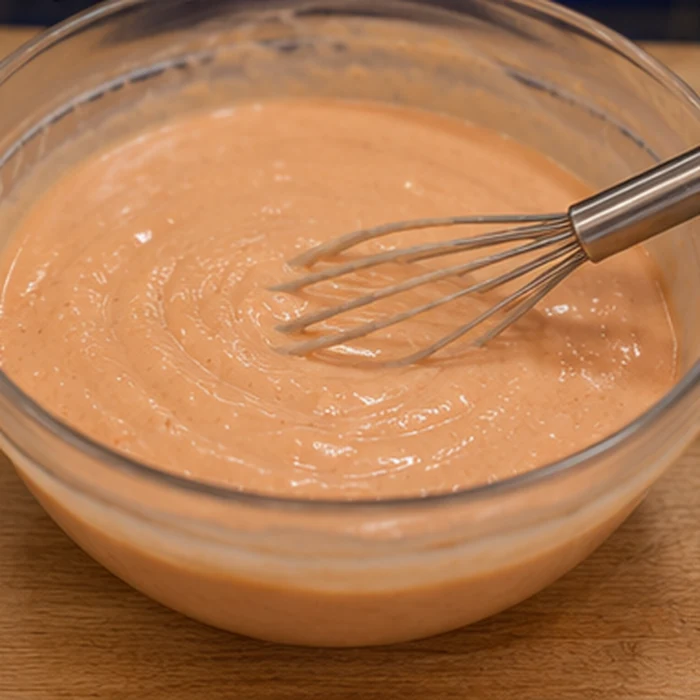
You know it is ready when the sauce flows slowly from the whisk and settles back into itself after a few seconds. It should be loose enough for dipping and drizzling but still thick enough to cling to a piece of steak or shrimp.
Taste once more. If your mayonnaise was particularly tangy, you may not need any additional vinegar. If the sauce tastes slightly flat, a few extra drops of rice vinegar can sharpen it.
Cover the bowl and refrigerate the sauce for at least 30 minutes if you have time. The sauce can be eaten immediately, but resting allows the dried garlic, onion, and paprika to hydrate and the flavours to settle together.
How to Serve Hibachi Sauce
The obvious pairing is grilled or seared meat. Spoon a little beside steak, chicken, pork, or shrimp rather than covering the food completely.
It also works very well with fried rice. Try it beside my homemade chicken fried rice or Uncle Roger-style fried rice. You get hot, savoury rice against a cool, creamy sauce, which is really where this style of condiment makes sense.
For another rice option, my Cantonese-style fried rice gives you plenty of savoury flavours for the sauce to work against.
Beef is another good pairing. I would serve a small bowl beside Asian-style beef and onions or use it as a dipping sauce with beef and cheese yakitori.
With seafood, keep the portion modest. A tablespoon or two beside shrimp is usually enough. It would also work as a creamy contrast with shrimp stir-fried noodles.
Because this is a mayonnaise-based sauce, it is richer than soy-based or vinegar-based dipping sauces. A small serving goes a long way, especially when the rest of the meal includes meat, rice, and vegetables.
Common Mistakes to Avoid
Using too much ketchup: Hibachi sauce should be creamy first and tomato-flavoured second. If ketchup dominates, the flavour starts moving toward burger sauce.
Adding too much water immediately: Mayonnaise brands vary quite a bit in thickness. Add one tablespoon, whisk, then decide whether it actually needs another.
Using hot melted butter: Let the butter cool slightly before mixing it into the mayonnaise.
Over-seasoning before the sauce rests: Garlic powder and onion powder become more noticeable after they hydrate. If you keep adding seasoning immediately, the rested sauce can become much stronger than expected.
Skipping the final taste: Mayonnaise and ketchup already contain salt, sugar, and acidity. Taste the sauce before trying to correct any of those elements.
Substitutions
If you do not have rice vinegar, apple cider vinegar can work, but begin with slightly less because its flavour is more pronounced.
You can use homemade mayonnaise in place of prepared mayonnaise. If your homemade version is particularly loose, you may need little or no water at the end.
For a slightly sweeter Canadian variation, a small amount of maple syrup can replace the granulated sugar. Keep it restrained so the sauce does not turn into a maple mayo. If that is the flavour you actually want, my 2-minute maple mayo sauce is a better fit.
Smoked paprika can replace sweet paprika if you want a faint smoky background, although classic steakhouse-style hibachi sauce is generally mild.
For additional heat, add a small pinch of cayenne or a few drops of hot sauce. I would add it gradually. Once the sauce becomes noticeably spicy, it begins overlapping with other mayo-based dipping sauces rather than keeping its mild hibachi character.
FAQ
Is hibachi sauce the same as yum yum sauce?
In North American Japanese-style steakhouses, the names are often used for very similar creamy pink sauces. Recipes vary from restaurant to restaurant, but mayonnaise, a small amount of tomato, mild seasoning, sweetness, and acidity are common elements.
Does hibachi sauce need to be cooked?
No. This version is a cold sauce. The only ingredient that needs heating is the butter so it can be melted before mixing.
Why is my hibachi sauce too thick?
Different brands of mayonnaise have different consistencies. Whisk in cold water one teaspoon at a time until the sauce slowly pours from a spoon.
Why does my sauce taste too much like ketchup?
The ketchup-to-mayonnaise ratio is probably too high. Add more mayonnaise in small amounts until the sauce tastes creamy first, with tomato remaining in the background.
Can I make it ahead?
Yes. This is actually a useful sauce to prepare ahead because the dried seasonings have time to hydrate in the refrigerator. Keep it covered and refrigerated.
How long does homemade hibachi sauce keep?
When prepared with commercial mayonnaise and handled cleanly, I prefer to keep it refrigerated in a sealed container and use it within about five days. If you use homemade mayonnaise, follow the shorter storage time appropriate for that mayonnaise.
Can I make hibachi sauce spicy?
Yes. Add cayenne or hot sauce a little at a time. If you want a sauce where spice is the main point rather than an optional accent, try the spicy mayo version instead.
Suggested Posts
If you are putting together a steakhouse-style or Asian-inspired dinner, these recipes fit naturally around the sauce:
Easy shrimp stir-fried noodles
For more homemade condiments, try classic homemade mayonnaise, quick garlic aioli, or Cajun mayo.
Easy Hibachi Sauce Recipe (Japanese Steakhouse Style)
Ingredients
- 1 cup mayonnaise
- 2 tablespoons ketchup
- 1 tablespoon unsalted butter melted and slightly cooled
- 1 tablespoon rice vinegar
- 1 teaspoon granulated sugar
- 1 teaspoon sweet paprika
- 1/2 teaspoon garlic powder
- 1/4 teaspoon onion powder
- 1 to 2 tablespoons cold water
Instructions
- Whisk the mayonnaise and ketchup until completely smooth and evenly coloured.
- Gradually whisk in the melted butter and rice vinegar.
- Add the sugar, paprika, garlic powder, and onion powder and whisk thoroughly.
- Add 1 tablespoon cold water and whisk. Add more water only if needed to reach a creamy dipping consistency.
- Taste and adjust the consistency or acidity as needed.
- Cover and refrigerate for 30 minutes before serving for the best flavour.