Easy Immersion Blender Garlic Aioli (2-Minute Method)
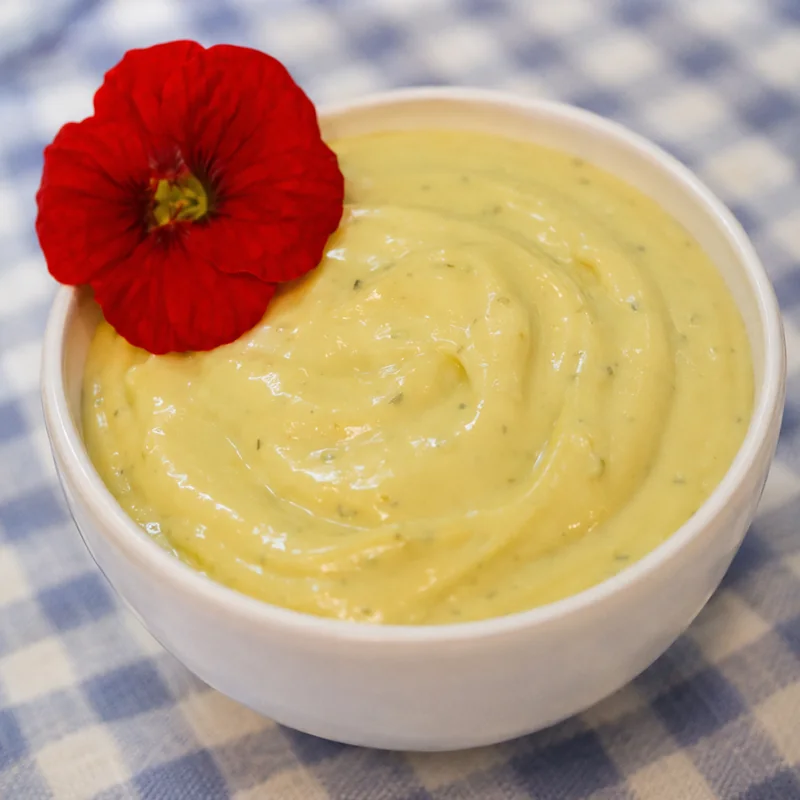
This immersion blender garlic aioli is thick, smooth, and ready in about 10 minutes, with a sharper garlic flavour than ordinary mayonnaise. The extra egg yolk makes the 1 2/3 cups of oil more forgiving to emulsify, while Dijon mustard and red wine vinegar keep the sauce balanced. The mistake to avoid is lifting the blender too soon. Keep it planted at the bottom until a pale, creamy layer climbs around the blade, then raise it slowly.
This recipe is based on my original YouTube video, with a few adjustments since publication. The video method works, but I now use measured seasoning, two garlic cloves, and an extra yolk to make the result more consistent for home cooks using different egg sizes and immersion blenders.
This is a mayonnaise-style aioli made with egg, garlic, mustard, vinegar, and neutral oil. It is not the traditional Provençal version made primarily by pounding garlic and oil together. I make this quick version when I need a thick dip for fries, seafood, vegetables, sandwiches, burgers, or grilled meat.
{VIDEO}
What Makes This Garlic Aioli Different
The original video uses a very direct immersion blender technique. Everything goes into a tall container, the blender starts at the bottom, and the sauce emulsifies as the blender is raised. It is fast, but the shape of the container and the movement of the blender matter just as much as the ingredients.
This updated formula keeps the generous 1 2/3 cups of oil from the video. I add an extra egg yolk because it gives the emulsion more support and makes the sauce richer without thinning it. This is especially useful when eggs vary in size or when the blender head does not fit tightly inside the container.
I also use two garlic cloves rather than one. One clove can disappear in a batch this large, especially after the sauce is spread through a burger or served with strongly seasoned food. Two medium cloves give a clear garlic flavour without becoming harsh. The garlic will continue to develop as the sauce rests, so taste it again before adding more.
This recipe is thicker and more garlicky than a basic homemade mayonnaise. It is also more structured than my lighter quick garlic mayo, which is better when you want a softer sandwich spread.
Ingredients You Need
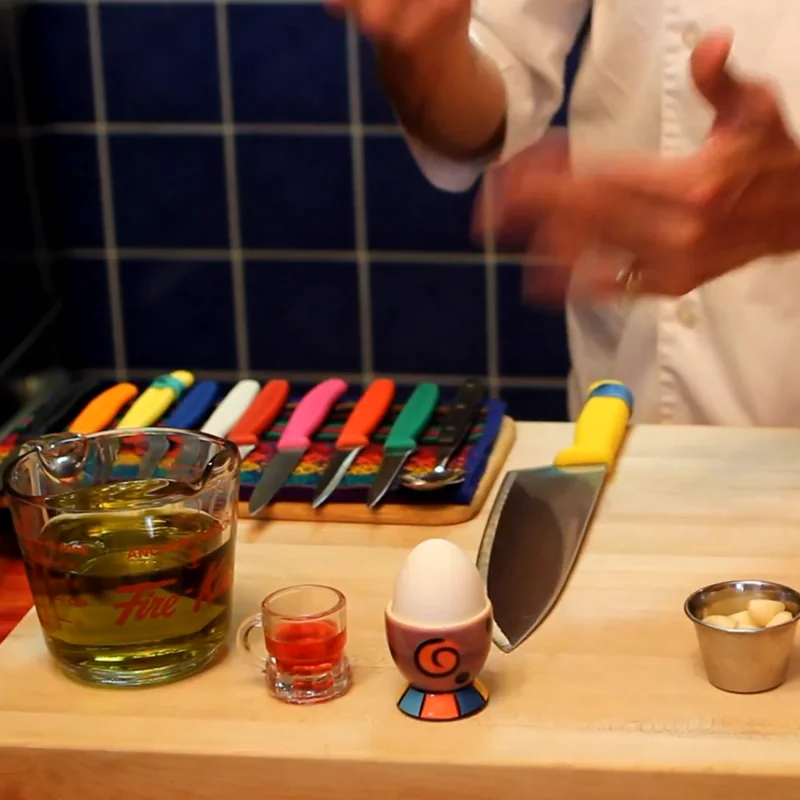
Use one large egg and one additional yolk. Pasteurized eggs are the safest choice because the sauce is not cooked. The whole egg provides moisture and structure, while the additional yolk helps hold the large quantity of oil in a stable emulsion.
Two medium garlic cloves provide enough flavour for the full batch. Cut each clove in half and remove the green germ when present. The germ is edible, but it can taste stronger and more bitter, particularly in older garlic. For more garlic preparation tips, see my guide to mincing and handling fresh garlic.
Dijon mustard helps with both flavour and emulsification. Two teaspoons are enough to support the sauce without making mustard the dominant taste.
Red wine vinegar gives the aioli a clean acidity and matches the ingredient used in the original video. The vinegar should brighten the sauce, not make it taste sharply sour. One tablespoon is a good starting point.
A tablespoon of cold water gives the blender a little more liquid to circulate at the beginning. It also prevents the finished aioli from becoming uncomfortably stiff.
For the oil, use a neutral variety such as canola, sunflower, grapeseed, or a mild vegetable oil. Canola oil is a practical choice in both Canada and the United States because it has a neutral flavour and is widely available. Strong extra virgin olive oil can become bitter when processed aggressively with an immersion blender.
Fine salt dissolves more evenly than coarse salt. A small amount of black pepper rounds out the garlic and mustard, but it should remain in the background.
Step-by-Step Instructions
1. Prepare the Garlic
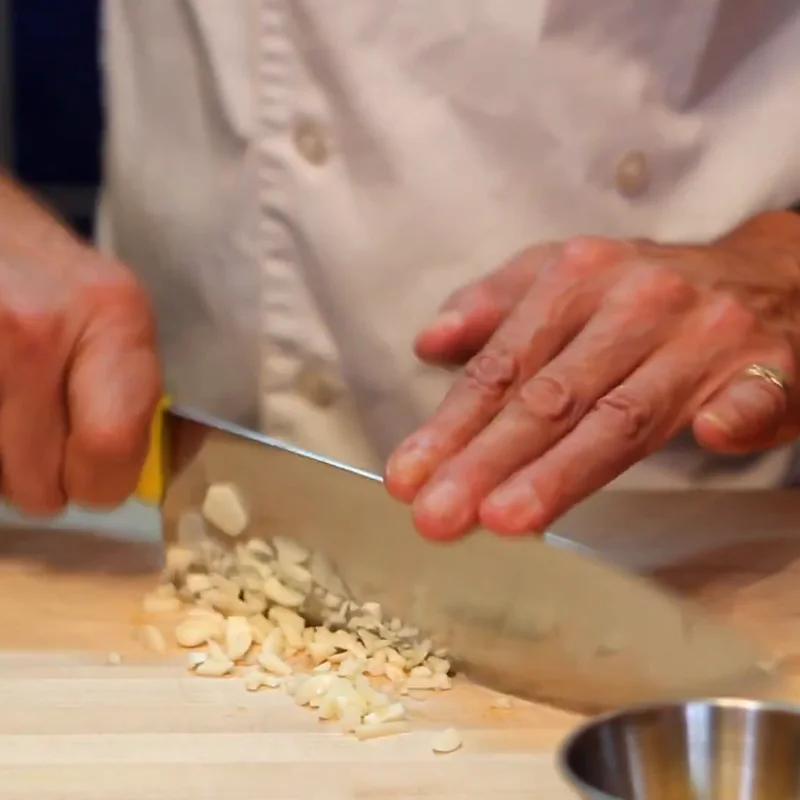
Peel the garlic cloves and cut them in half lengthwise. Remove the green germ from the centre if there is one, then roughly chop the garlic.
Place the garlic in a tall, narrow blending container. The container should be only slightly wider than the head of your immersion blender. A wide bowl will allow the oil to move away from the blade before the emulsion has time to form.
2. Add the Base Ingredients
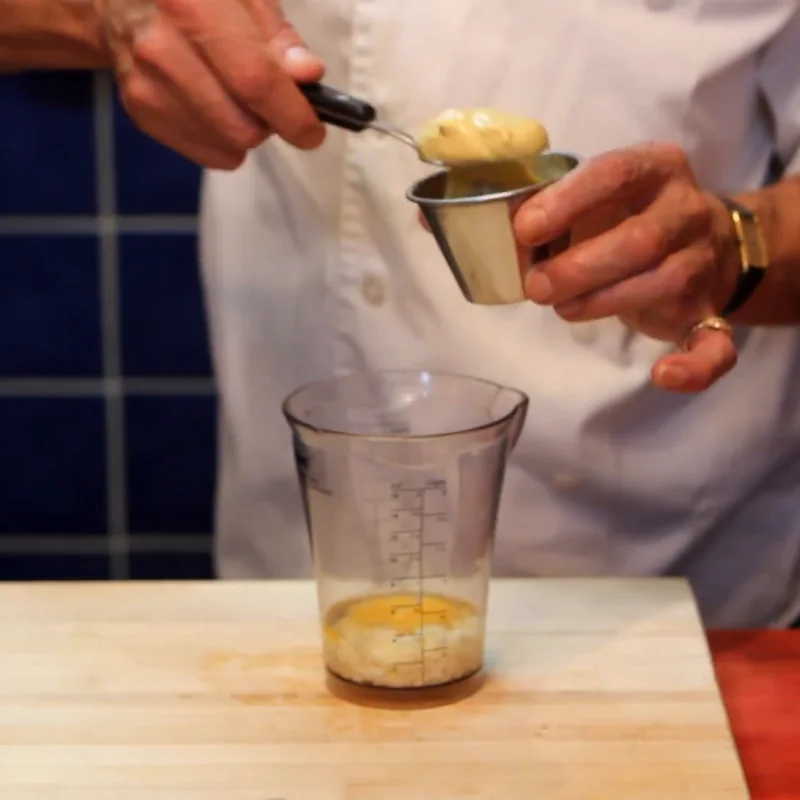
Add the whole egg, additional yolk, Dijon mustard, red wine vinegar, cold water, salt, and black pepper to the container.
Pour the oil over the other ingredients. Let everything settle for about 20 seconds. The egg and garlic should remain close to the bottom, with most of the oil floating above them.
I prefer to add the oil all at once for this method. It is faster than pouring it in gradually, but only when the blender begins completely at the bottom.
3. Start the Emulsion Without Moving the Blender
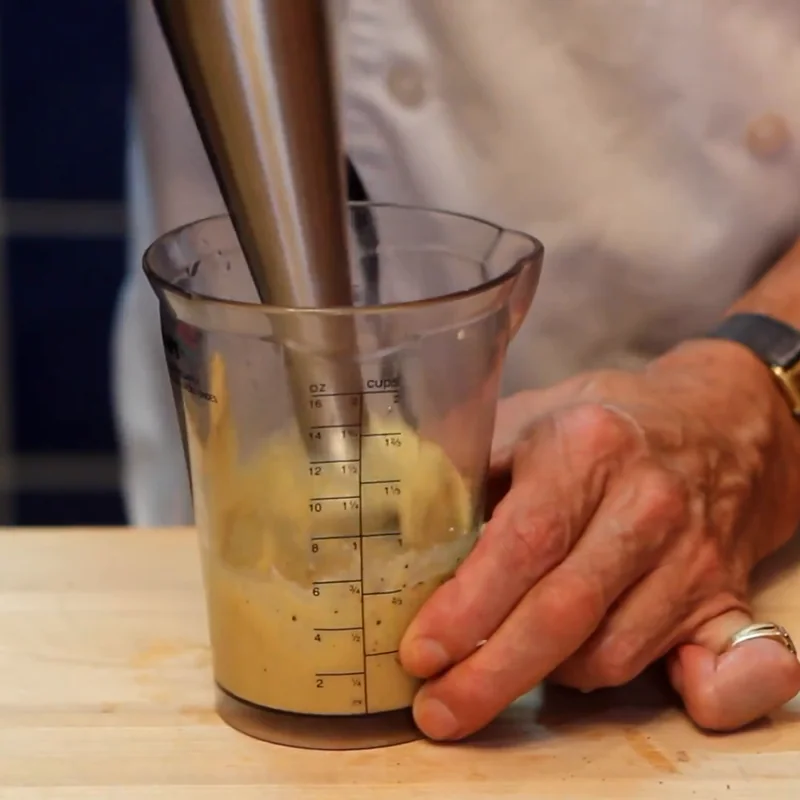
Lower the immersion blender until its head is resting flat against the bottom of the container. Make sure the egg and yolk are trapped beneath or directly around the blade guard.
Turn the blender on at high speed and keep it completely still. Do not pulse it and do not lift it yet.
Within several seconds, a thick, pale layer should form around the blade. What I look for here is a creamy white column rising from the bottom while a clear layer of oil remains above it. That separation is normal at this stage.
4. Raise the Blender Slowly
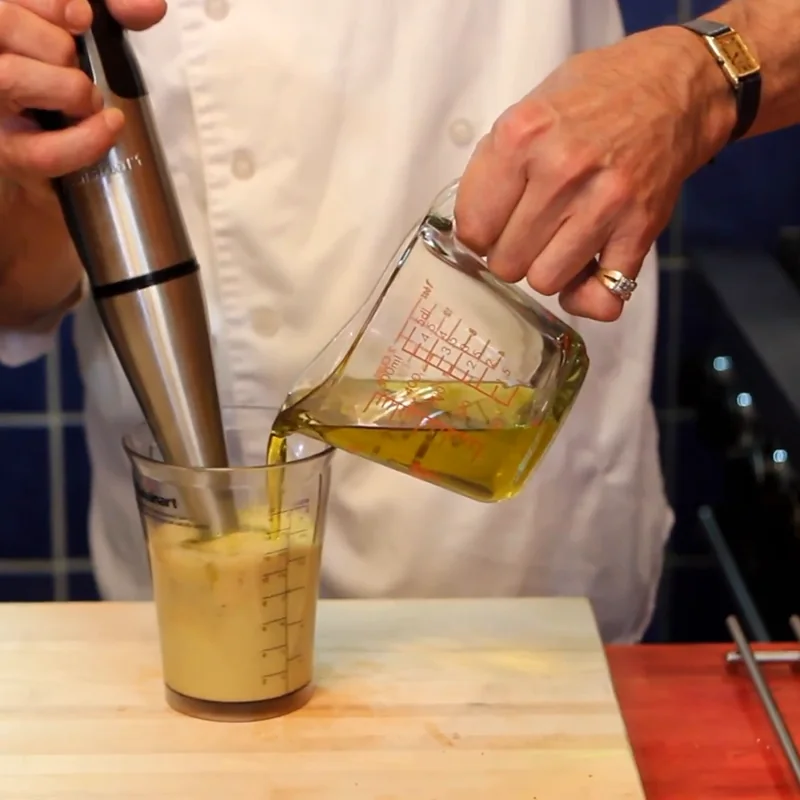
Once the bottom third of the container looks fully emulsified, begin lifting the blender very slowly. Move it only enough to pull a small amount of oil into the creamy mixture.
Continue raising the blender over several seconds. Near the top, tilt it slightly to catch any remaining pockets of oil.
The sound of the blender will change as the sauce thickens. It will become lower and heavier, and the aioli will stop moving like a liquid. At this point, it should hold soft ridges when the blender passes through it.
5. Adjust the Final Texture
Taste the sauce. Add a little more salt, pepper, or vinegar only if needed.
If the aioli is thicker than you want, blend in cold water one teaspoon at a time. Do not pour in several tablespoons at once. A small amount of water can loosen it quickly.
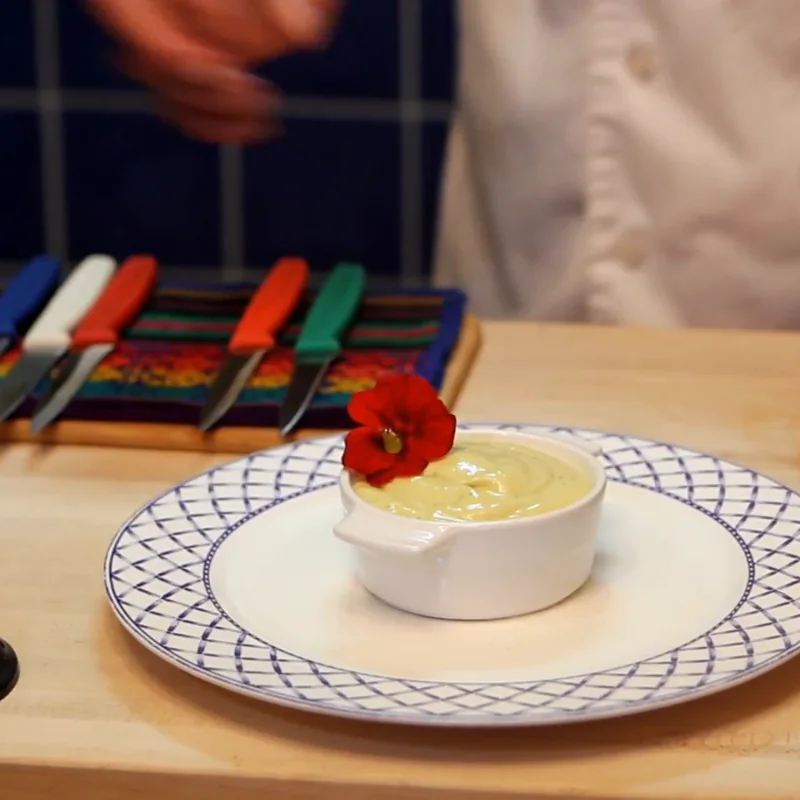
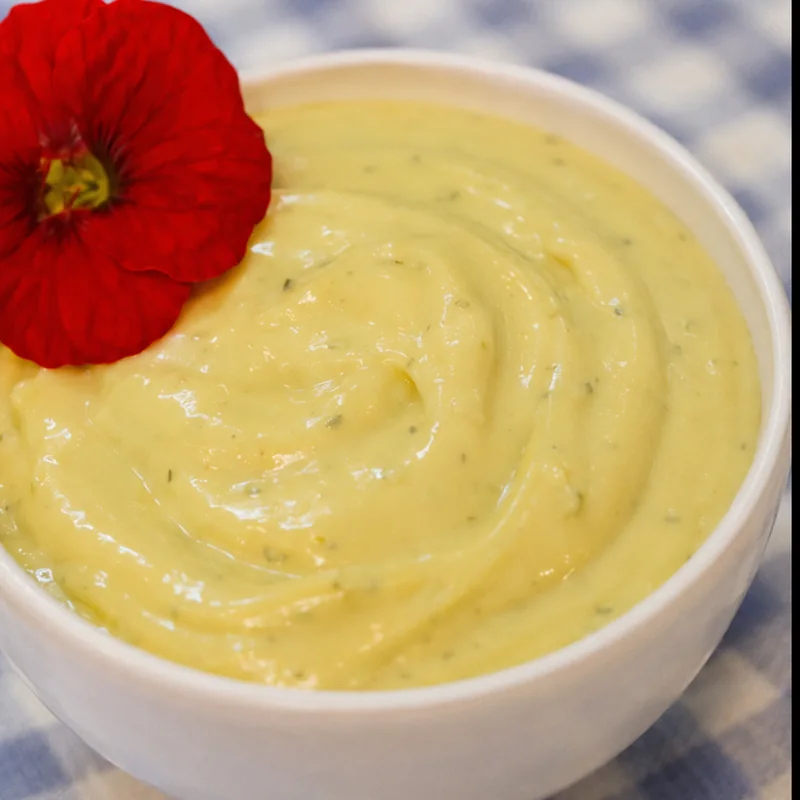
You know it is ready when the sauce looks glossy, holds onto a spoon, and does not show any loose oil around the edges. Transfer it to a clean container and refrigerate it before serving if you prefer a colder, firmer dip.
Texture and Flavour Cues
A properly emulsified aioli should be thick but not greasy. When you drag a spoon through it, the channel should stay visible for a moment before slowly closing.
The flavour should begin with garlic and mild acidity, followed by the richness of the egg and oil. If the first taste is mostly oil, add another small splash of vinegar and a pinch of salt. Acidity and seasoning help the other flavours register more clearly.
Freshly blended garlic can taste sharp. After 30 minutes in the refrigerator, the flavour becomes more evenly distributed. It may also become stronger overnight, so resist adding several extra cloves before the sauce has rested.
Mistakes to Avoid
The most common mistake is using a container that is too wide. The blender needs to pull the egg, mustard, garlic, and oil together in a concentrated space. If the ingredients spread across the bottom of a mixing bowl, the blade may simply stir the oil without creating an emulsion.
The second mistake is lifting the blender immediately. Wait until the pale base is visibly thick before moving it. Raising the blade too soon can mix a large volume of oil into an emulsion that has not formed yet.
Do not use a strongly flavoured or bitter oil unless that taste is intentional. A powerful extra virgin olive oil can overwhelm the garlic and may develop a bitter edge during blending.
Finally, do not keep blending for several minutes after the oil has disappeared. Stop once the sauce is smooth. Excess blending creates unnecessary heat and can make the aioli feel heavier.
How to Serve Garlic Aioli
This sauce is excellent with crisp homemade French fries or a batch of air fryer fries. The acidity cuts through the fried potatoes, while the garlic gives them enough flavour that they need little more than salt.
It also works well beside a crispy blooming onion, fried zucchini, roasted potatoes, or a platter of raw carrots, cucumber, peppers, and radishes.
For seafood, spoon a small amount beside baked shrimp, fish cakes, crab cakes, or garlic butter shrimp. It is also a useful sauce for fish sandwiches and homemade salmon burgers.
On sandwiches, use a thinner layer because the sauce is rich. It pairs particularly well with a garlic butter steak sandwich or chilled seafood rolls such as lobster rolls with garlic butter.
Storage and Food Safety
Store the aioli in a clean, airtight container in the refrigerator. Use it within two to three days.
Because the egg remains uncooked, pasteurized eggs or pasteurized egg products are the safest option. Keep the sauce refrigerated until serving, and do not leave it sitting at room temperature for an extended period.
Freezing is not recommended. The emulsion may separate as it thaws, leaving the sauce watery in some areas and oily in others.
Substitutions
Lemon juice can replace the red wine vinegar in the same quantity. Lemon gives the sauce a fresher flavour that works especially well with fish and shrimp, while red wine vinegar produces a slightly rounder, more savoury result.
White wine vinegar or cider vinegar can also be used. Avoid very dark balsamic vinegar because it changes both the colour and sweetness of the sauce.
For a milder garlic flavour, use one large clove. For a stronger result, use three cloves, but remember that raw garlic becomes more noticeable as it rests.
Canola, sunflower, grapeseed, avocado, or neutral vegetable oil will all work. Mild olive oil can replace part of the neutral oil, but I would not use a full 1 2/3 cups of assertive extra virgin olive oil.
For a lighter, tangier dip that does not rely on a large quantity of oil, consider a garlic and herb cottage cheese dip or a fresh homemade tzatziki. These are different sauces with different textures, not direct one-for-one substitutions.
FAQ
Is this traditional aioli?
No. Traditional Provençal aioli is based primarily on garlic and oil and may be prepared without whole egg or mustard. This is a quick mayonnaise-style garlic aioli designed for an immersion blender.
Can one egg emulsify 1 2/3 cups of oil?
It can, particularly with the immersion blender method shown in the original video. This adjusted version includes an additional yolk to give home cooks a little more margin for differences in egg size, blender shape, and container width.
Why did my aioli stay liquid?
The container may have been too wide, the blender may not have started directly over the egg, or the blender may have been lifted before the bottom layer emulsified.
To rescue it, place a fresh egg yolk in a clean narrow container. Begin blending the yolk, then slowly add the broken mixture as though it were oil. Add it gradually until the sauce thickens.
Can I make it without Dijon mustard?
Yes, but the flavour will be less rounded and the emulsion will have slightly less support. If omitting the mustard, keep the extra egg yolk and follow the blending technique carefully.
Can I use only olive oil?
You can, but strong extra virgin olive oil may taste bitter after high-speed blending. A better approach is to use mostly neutral oil and replace a small portion with mild olive oil.
How can I make the sauce thinner?
Blend in cold water one teaspoon at a time. For a brighter sauce, use a small amount of lemon juice or vinegar instead, but taste after each addition so it does not become too acidic.
What is the difference between this and tartare sauce?
This aioli is based on garlic, egg, oil, mustard, and vinegar. Homemade tartare sauce usually includes chopped pickles, capers, herbs, or other savoury additions and is especially associated with fried fish.
How much should I serve per person?
About two tablespoons is a generous serving for fries, vegetables, seafood, or a sandwich. The sauce is rich, so a small amount usually provides enough flavour.
Suggested Posts
Try this sauce with crispy fried sole and tarragon mayo for a full fish dinner with two different mayonnaise-style sauces.
Explore more pairings in my guide to fish and chips dinner ideas.
Learn the classic method for making smooth homemade mayonnaise.
For another fresh dipping sauce, make cool cucumber tzatziki.
Serve the aioli with crispy homemade fries or air fryer fries.
Browse more ideas in my collection of essential homemade sauces and condiments.
Easy Immersion Blender Garlic Aioli (2-Minute Method)
Ingredients
- 1 large pasteurized egg
- 1 pasteurized egg yolk
- 2 medium garlic cloves peeled and germ removed
- 2 teaspoons Dijon mustard
- 1 tablespoon red wine vinegar
- 1 tablespoon cold water
- 1/2 teaspoon fine salt
- 1/4 teaspoon ground black pepper
- 1 2/3 cups neutral oil such as canola or sunflower oil
Instructions
- Place the garlic in a tall, narrow container that is only slightly wider than the immersion blender head.
- Add the whole egg, egg yolk, Dijon mustard, vinegar, cold water, salt, and pepper.
- Pour the oil over the ingredients and allow everything to settle for 20 seconds.
- Place the immersion blender flat against the bottom of the container, directly over the egg.
- Blend without moving until a thick, pale emulsion forms around the blade.
- Raise the blender very slowly to incorporate the remaining oil.
- Tilt the blender near the top to capture any loose oil, then stop blending when the sauce is smooth.
- Taste and adjust the salt, pepper, or vinegar.
- Thin with cold water, one teaspoon at a time, if needed.
- Refrigerate in a clean airtight container and consume within two to three days.