Small-Batch Mulled Wine with Orange and Cinnamon
Orange zest, fresh juice and a whole cinnamon stick give this small batch of red wine its citrus-and-spice character. The sugar softens the acidity, while four turns of black pepper add a quiet bite. Heat it gently, then strain when the cinnamon tastes balanced: hard boiling and a long soak with the peel can make the drink taste harsher than it needs to.
Vin chaud is red wine warmed with fruit, sugar and spices, then served hot in small cups. This version keeps the flavour focused on orange and cinnamon, without a long list of cloves, star anise or added spirits. It is a cold-weather drink for adults, equally suited to a holiday gathering or a quiet evening.
This recipe is based on my YouTube video, with a few adjustments since publication to clarify the wine quantity, gentle heating and straining. The original sugar, cinnamon and pepper amounts remain, with tasting cues so the strength of the cinnamon does not take over.
{VIDEO}
A short infusion with a clear purpose
I make it this way because the coloured part of the orange peel gives fragrance, while the juice contributes fruit and acidity. They do different jobs. Keeping most of the white pith out of the zest helps the orange taste fresh rather than bitter.
The cinnamon stays whole so it can be removed cleanly. A dusting of ground spice would leave a different texture. What I look for is the smell of warm orange first, with cinnamon following behind it, rather than the sensation of drinking liquid cinnamon.
This is a drink, not a syrup. Unlike a red wine reduction sauce, it should not be cooked down until thick. If you want a dessert built around spiced wine, pears poached in red wine use that flavour in a different way.
The five ingredients
Measure 2 cups plus 2 tablespoons dry red wine. This is a small batch intended for four modest servings. Choose a wine you enjoy drinking, preferably fruity and not aggressively tannic or heavily oaked. An expensive bottle is unnecessary, but spices will not improve a wine you already find unpleasant.
Use one medium orange for both zest and juice. Wash and dry it before zesting. The amount of juice naturally varies with the fruit; this recipe does not require adding bottled juice to reach an invented fixed volume.
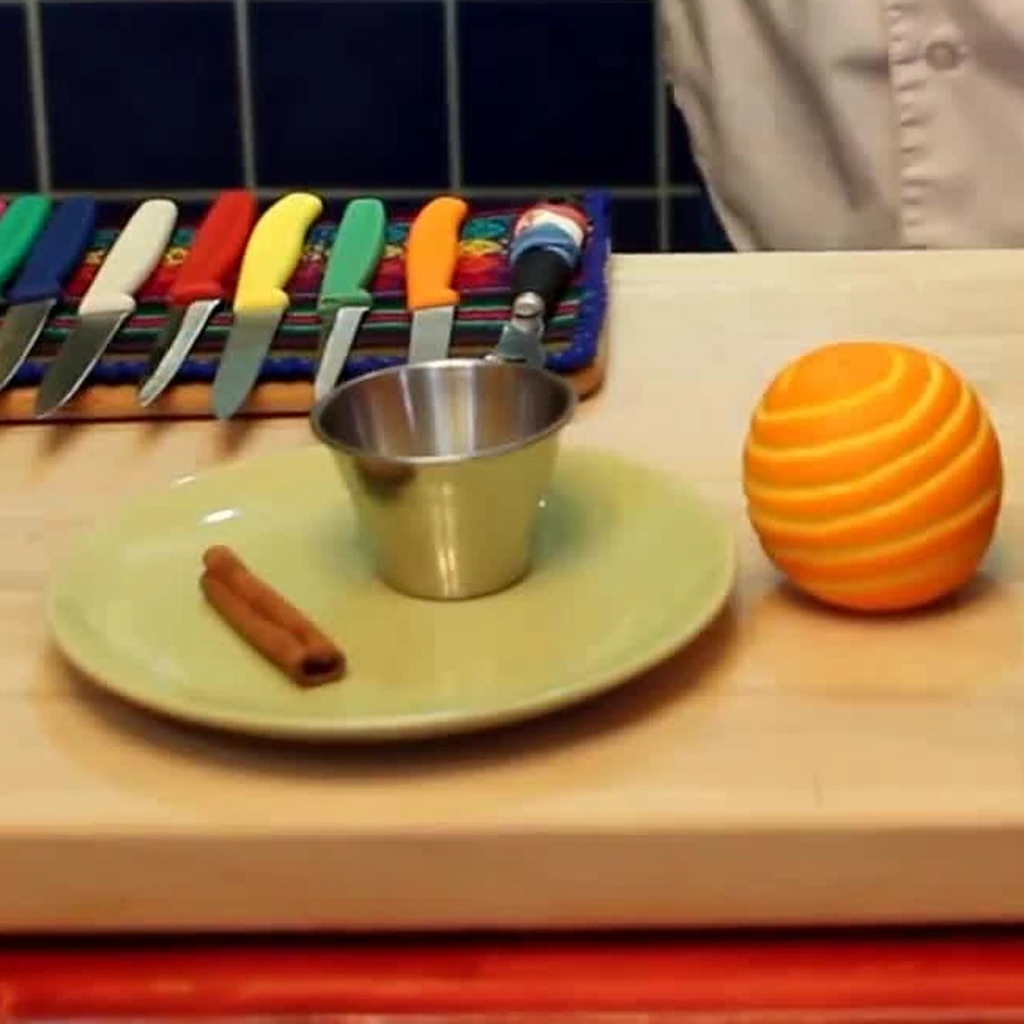
The video measures a cinnamon stick weighing about 0.28 ounce and 1.4 ounces granulated sugar, approximately 3 tablespoons plus ½ teaspoon. Weighing is more repeatable than guessing a generous spoonful. Add four turns of a black pepper mill, as shown in the video.
The cinnamon amount is assertive for this batch. Stick thickness, variety and freshness all affect how quickly it flavours the wine. Keep the original amount, but taste early and remove the stick when the flavour is where you want it. Do not substitute the same weight of ground cinnamon.
Use a small stainless-steel or enamel-lined saucepan and a fine sieve. If using a copper saucepan, it needs an intact lining suitable for acidic food. The outside colour alone does not establish what the wine touches inside.
Prepare, warm and strain
1. Zest and juice the orange
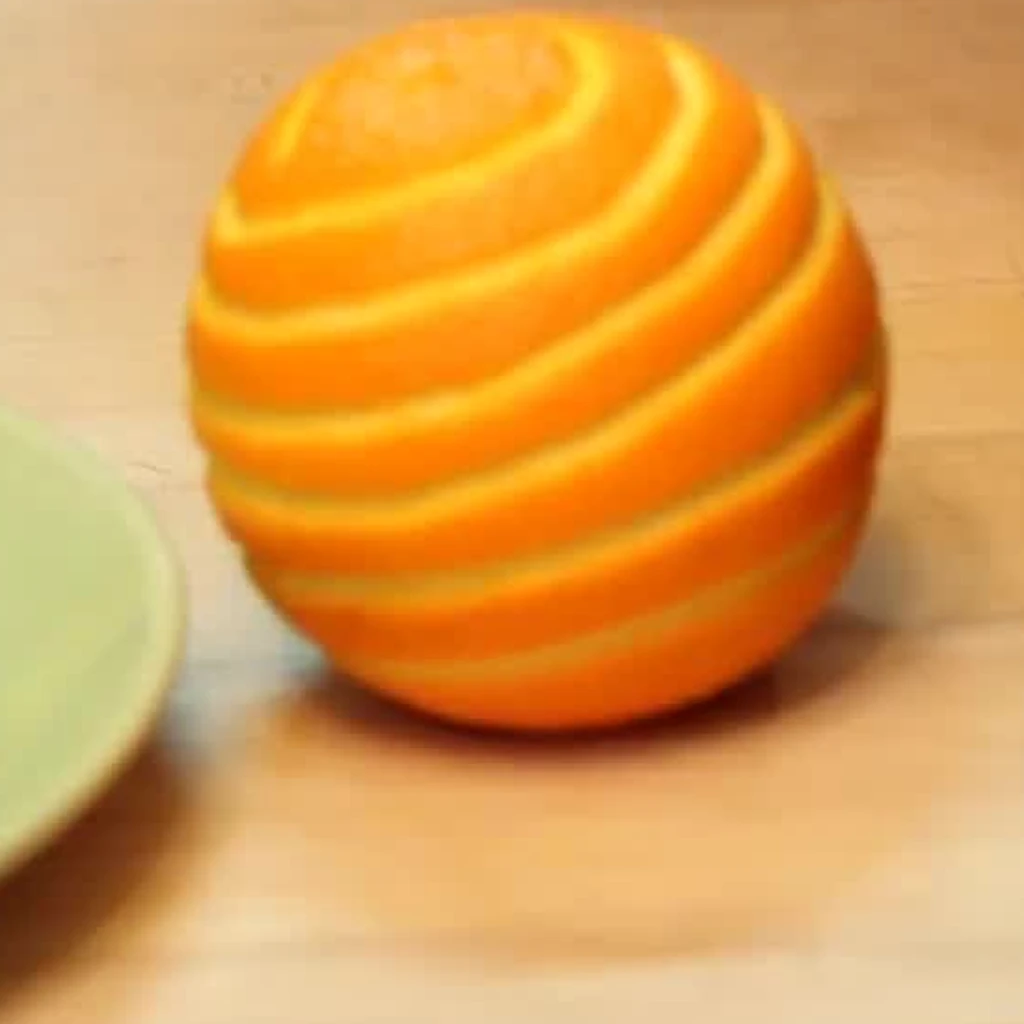
Remove thin strips of coloured zest with a channel knife or vegetable peeler. If a strip has a thick white underside, trim that part away. There is no need to reproduce the video’s very long decorative ribbon for the infusion to work.
Cut the orange in half and squeeze it. Remove the seeds. Put the zest, cinnamon stick and sugar into the cold saucepan, then add the juice and measured wine before turning on the heat. This keeps the sugar and dry peel from catching on an empty hot pan.
2. Warm gently and taste the cinnamon
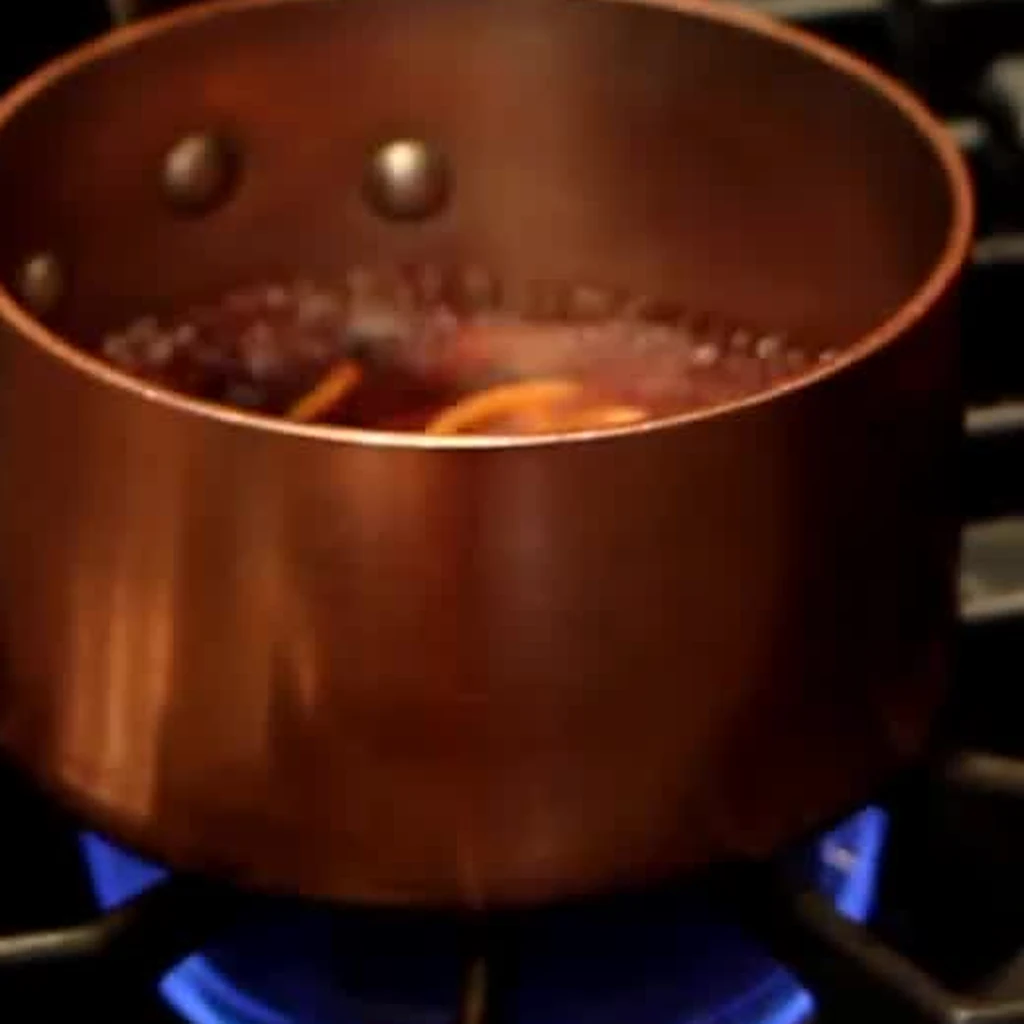
Add four turns of black pepper. Warm over low to medium-low heat, stirring until the sugar dissolves. Aim for a steaming drink, roughly 160–175°F, rather than a rolling boil. With a thermometer, measure the liquid without touching the bottom of the pan.
Once hot, let it infuse gently for about 5 minutes, tasting a cooled spoonful sooner if your cinnamon is especially fragrant. Allow roughly 10 minutes for the heating and infusion together, depending on the saucepan and burner.
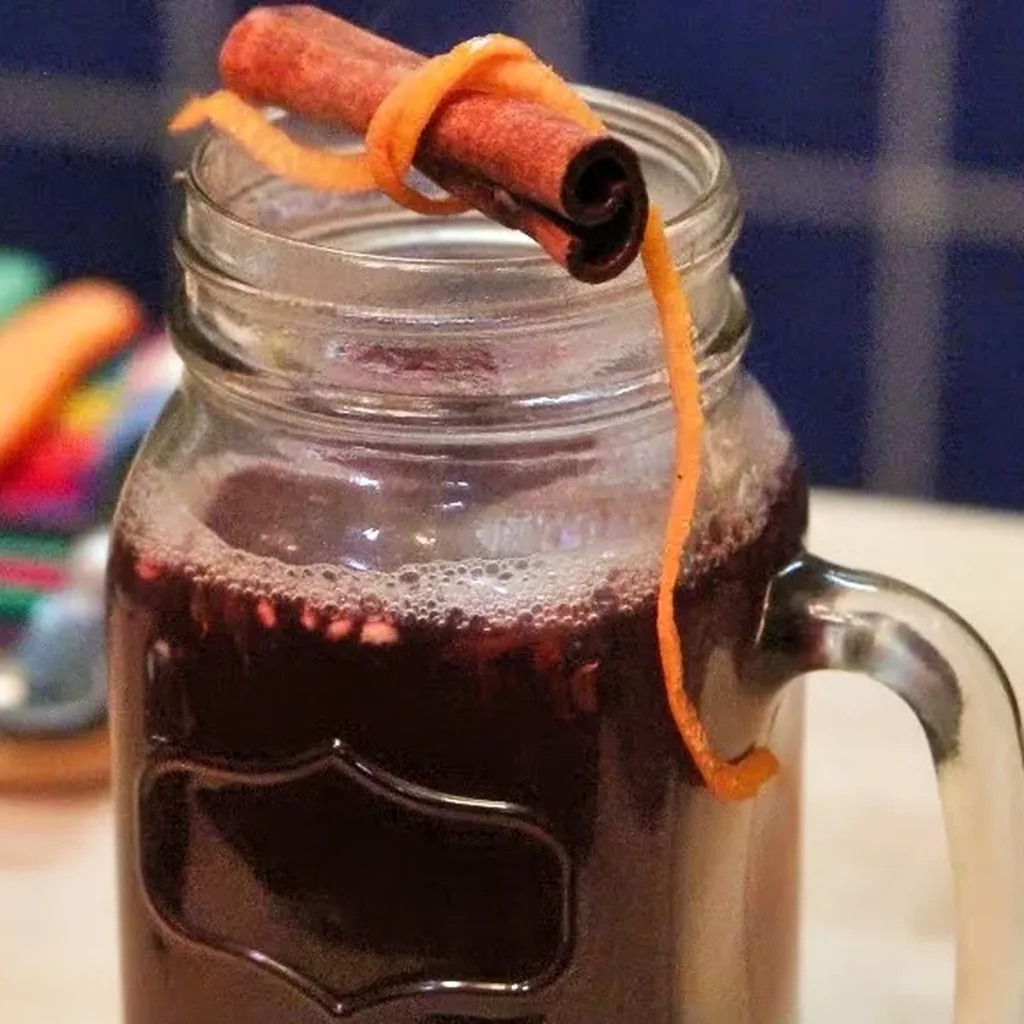
The video brings the mixture briefly to a boil and skims the surface. The written method uses gentler heat to keep more of the fresh aroma. A little foam from fresh orange juice is not a sign that the recipe has failed; skim it if you prefer a cleaner surface.
If the cinnamon is strong enough before the rest of the drink is ready, take it out. The same applies to the peel. Leaving both in the pan for an hour while you wait for guests can change the balance considerably.
3. Strain and serve in small cups
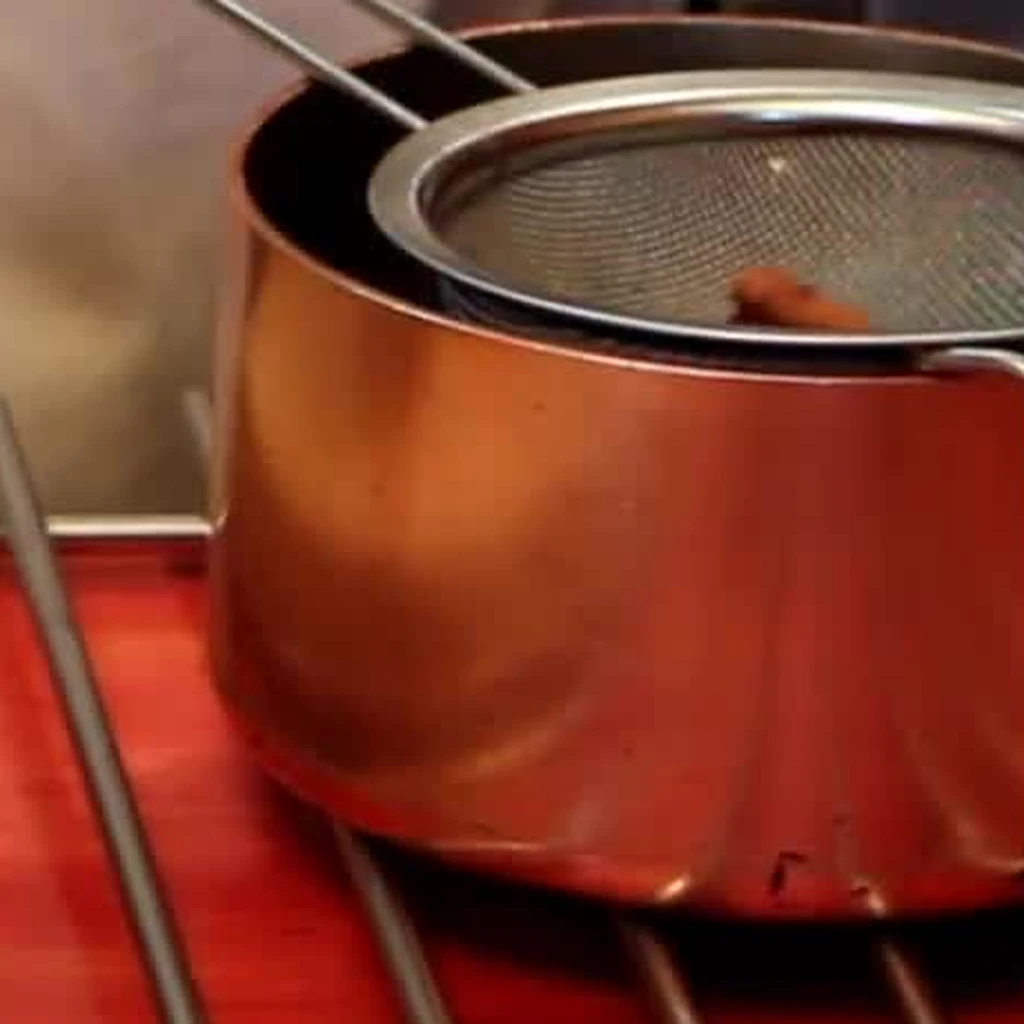
Remove the saucepan from the heat. Pour through a fine sieve into a heat-safe jug, then divide among four small heat-safe cups or mugs. Let the liquid drain through without squeezing the peel against the mesh.
Taste before serving. The drink should still be fluid, with the wine, orange and cinnamon all noticeable. If you prefer it sweeter, dissolve a little extra sugar while it is warm. More sugar can soften a sharp impression, but it does not remove bitterness from over-infused pith.
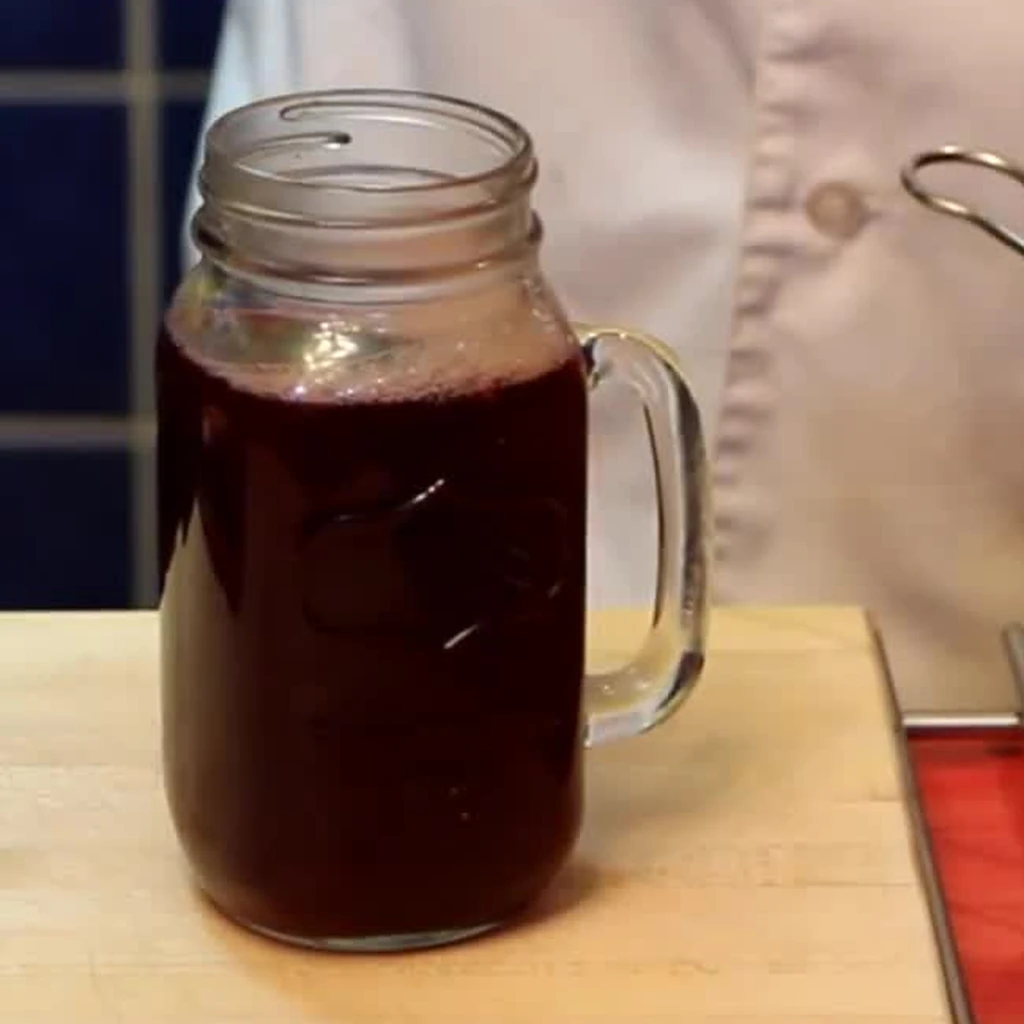
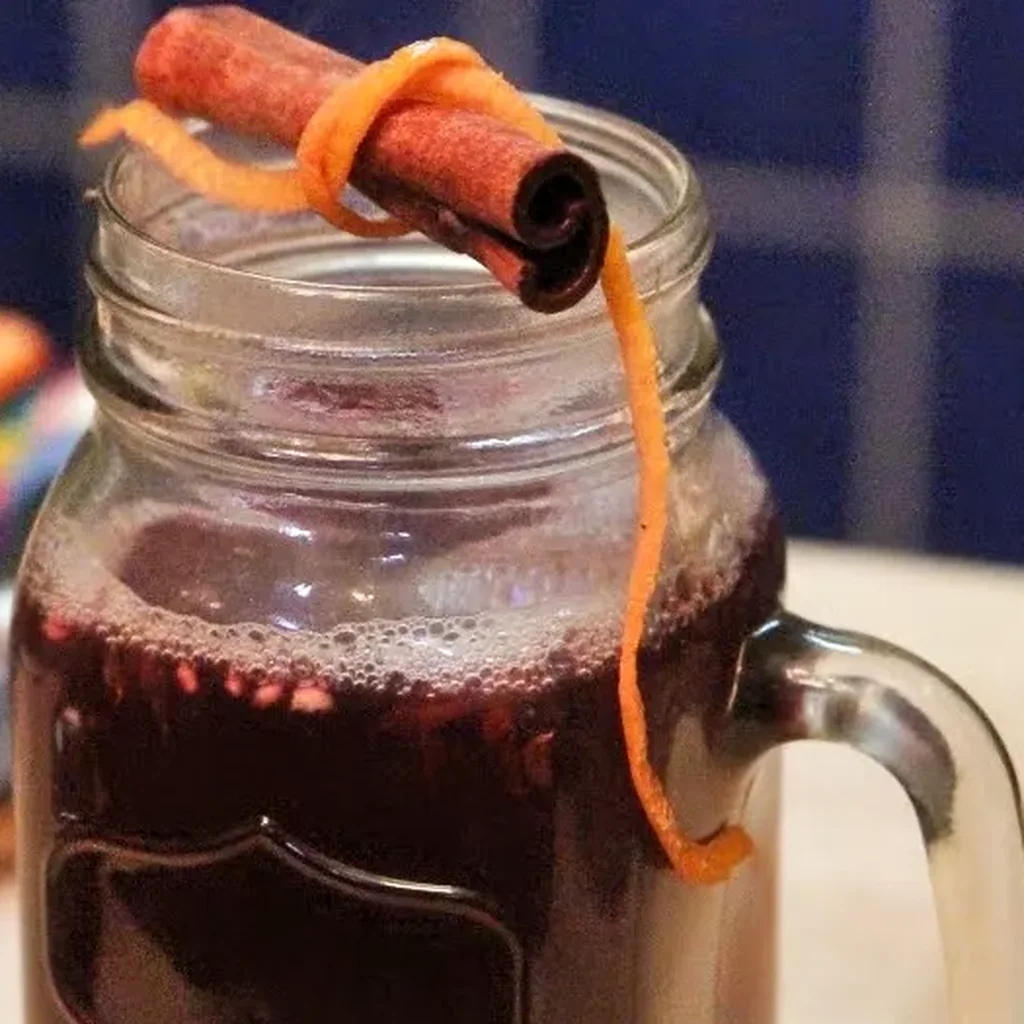
The large mug in the video is the presentation vessel, not a suggested individual portion. A small orange twist is enough for decoration. Serve cinnamon on the rim only if you want that garnish; keep it out of the liquid once the infusion is balanced.
Adjustments and substitutions
For a less sweet drink, start with 0.9 ounce sugar, about 2 tablespoons, and add more after tasting. That is a variation; the video’s measured amount is 1.4 ounces. Sweet wine needs a different sugar adjustment than the dry red wine used for this version.
Keep whole cinnamon if possible. If you use a thinner stick, follow the aroma and taste instead of automatically adding several more. A smaller strip of orange zest can replace the long decorative ribbon, provided it is mostly coloured peel.
For an alcohol-free variation, use a red wine explicitly labelled 0.0% alcohol. Sweetened red grape juice gives another, fruitier drink; omit the added sugar initially and taste. Neither variation has exactly the same balance as the original wine recipe.
For other warm drinks, almond hot chocolate gives a creamy, nutty option. There is also white chocolate hot chocolate for a sweeter cup, or banana hot chocolate if you want fruit in a cocoa-based drink.
Questions about the finished drink
Why does it taste bitter?
Check the amount of white pith, how long the peel and cinnamon stayed in the pan, and the wine itself. Strain sooner next time. Do not keep boiling it in an attempt to make the bitter taste disappear.
Does heating remove all the alcohol?
No. This short heating method does not make ordinary wine alcohol-free. Treat the finished drink as alcoholic; the remaining strength depends on the wine and how it was heated, and cannot be established from appearance.
Can I make it ahead?
Strain first, cool promptly and refrigerate within 2 hours in a clean container at 40°F or below. Use within 2 to 3 days. Reheat only the amount needed, gently, without a prolonged boil. Do not leave the peel and cinnamon soaking through storage.
How much does the recipe make?
About 2½ cups before significant evaporation, enough for four small servings of roughly 5 fluid ounces. Orange size and heating change the final volume. Nutrition also varies with the wine and alcohol retained; this is a sweetened alcoholic drink, not a health tonic.
Something small alongside
A slice of honey spice bread suits the citrus and cinnamon. Keep the portion modest, or choose simple sugar cookies if you want less competing spice.
Apple cinnamon bread and cinnamon sugar cookies continue the warm-spice theme. For a more citrus-led pairing, offer cranberry orange muffins. On a savoury appetizer table, a few crisp cheese straws are enough alongside the small cups.
Small-Batch Mulled Wine with Orange and Cinnamon
Ingredients
- 2 cups plus 2 tablespoons dry red wine
- 1 medium orange washed, zest and juice
- 1.4 oz granulated sugar about 3 tablespoons plus ½ teaspoon
- 1 whole cinnamon stick about 0.28 oz
- 4 turns freshly ground black pepper
Instructions
- Wash and dry the orange. Remove thin strips of coloured zest, trimming away thick white pith. Halve and juice the orange; discard seeds.
- Combine zest, cinnamon stick, sugar, orange juice and measured wine in a cold stainless-steel or enamel-lined saucepan. Add four turns of black pepper.
- Warm over low to medium-low heat, stirring to dissolve sugar. Keep around 160–175°F rather than boiling hard. Once hot, infuse about 5 minutes, tasting early and removing the cinnamon when balanced; allow roughly 10 minutes for heating and infusion together.
- Remove from heat and strain through a fine sieve into a heat-safe jug without pressing the peel. Taste and adjust sweetness if desired. Divide among four small heat-safe cups and serve, with a small orange twist if desired.