Easy Homemade Vegetable Stock Recipe for Soups and Sauces
Homemade vegetable stock is one of those quiet recipes that makes the rest of the kitchen better. It is not complicated, but the small details matter: clean leeks, cold water at the start, a gentle simmer, and a good balance of vegetables so the stock tastes fresh instead of bitter or flat.
This recipe is based on my YouTube video, with a few adjustments since publication. In the video, I use about 2 kg of cleaned vegetables with cold water, thyme, and basil. For the blog version, I am clarifying the water quantity, the yield, and the cooking time so the recipe is easier to reproduce at home. The mistake to avoid is boiling the stock too hard. What I look for here is a light simmer, a clean smell of vegetables and herbs, and a broth that stays clear enough to use in soups, sauces, rice, pasta, and braised dishes.
Vegetable stock is a simple cooking base made by simmering vegetables and herbs in water, then straining the liquid. This version is different from a long roasted stock because it stays light, clean, and quick. I make it when I want a homemade base for soup without using meat, bones, or store-bought cubes.
What Makes This Recipe Different
I make it this way because a good stock should help the final dish without taking over. Carrots bring sweetness, onions give depth, celery adds that classic kitchen aroma, and leeks round everything out. Thyme gives structure. Basil is not the most traditional stock herb, but it appears in the video and gives a fresh note when used carefully.
The important adjustment is the yield. With about 4 1/2 pounds of vegetables and 17 cups of water, you should expect roughly 12 to 14 cups of finished stock after a gentle simmer and straining. If you want only 8 cups of stronger bouillon, strain it first, then reduce the liquid afterward. Do not try to reduce it aggressively while the vegetables are still in the pot.
This is lighter than my homemade chicken bouillon cubes, which are more concentrated and built for quick seasoning. This vegetable version is more flexible. It works in a pot of minestrone with pasta and beans, a creamy soup, a pan sauce, or even cooking rice when you want a little more flavor than plain water.
Ingredients You Need
You need cleaned vegetables, cold water, and a few herbs. Nothing complicated. The only thing I insist on is washing the leeks very well. Leeks hold sand between the layers, and even a small amount will ruin a clear stock.
For the vegetables, I like a balanced mix: carrots, leeks, celery, and onions. If you use too many carrots, the stock becomes sweet. Too much celery can make it strong and slightly bitter. Too many onions can make it dark and heavy. A balanced pot gives you a clean vegetable stock that can go in many directions.
Use cold water because the flavor extracts more gradually. It is the same idea as many classic stocks: start cold, bring it up slowly, then simmer gently.

Step-by-Step Instructions
Prepare the Vegetables
Wash everything first. Trim the carrots, split the leeks lengthwise, and rinse between the layers. Cut the onions, celery, leeks, and carrots into large pieces. Do not chop them too small. Small pieces break down faster and can make the stock cloudy.

Place the vegetables in a large stock pot. The pot should be big enough so the water can circulate around the vegetables without overflowing once it comes to a boil.
Add the Herbs and Water
Add the thyme and basil to the pot. If you want a more classic stock, you can also add a bay leaf, a few parsley stems, or a few black peppercorns.
Pour in the cold water. The vegetables should be well covered. If a few pieces float at the top, that is normal.

Bring to a Boil, Then Simmer
Set the pot over high heat until the water comes to a boil. As soon as it boils, reduce the heat. You want a gentle simmer, not a rolling boil.
At this point, it should look calm. A few bubbles should rise here and there. If the pot is jumping and the vegetables are being thrown around, the heat is too high.

Simmer for 30 to 45 minutes. Thirty minutes gives a light, fresh vegetable broth. Forty-five minutes gives a little more depth. I would not cook this for hours because vegetable stock can lose its fresh taste and become dull.
Strain the Stock
Turn off the heat and strain the stock through a fine sieve or colander. Do not press the vegetables too hard if you want a clearer result. Pressing extracts more liquid, but it also pushes vegetable pulp into the stock.
You know it is ready when the liquid smells sweet, herbal, and clean. It should taste mild on its own because this stock is unsalted. That is intentional.

Cool and Store
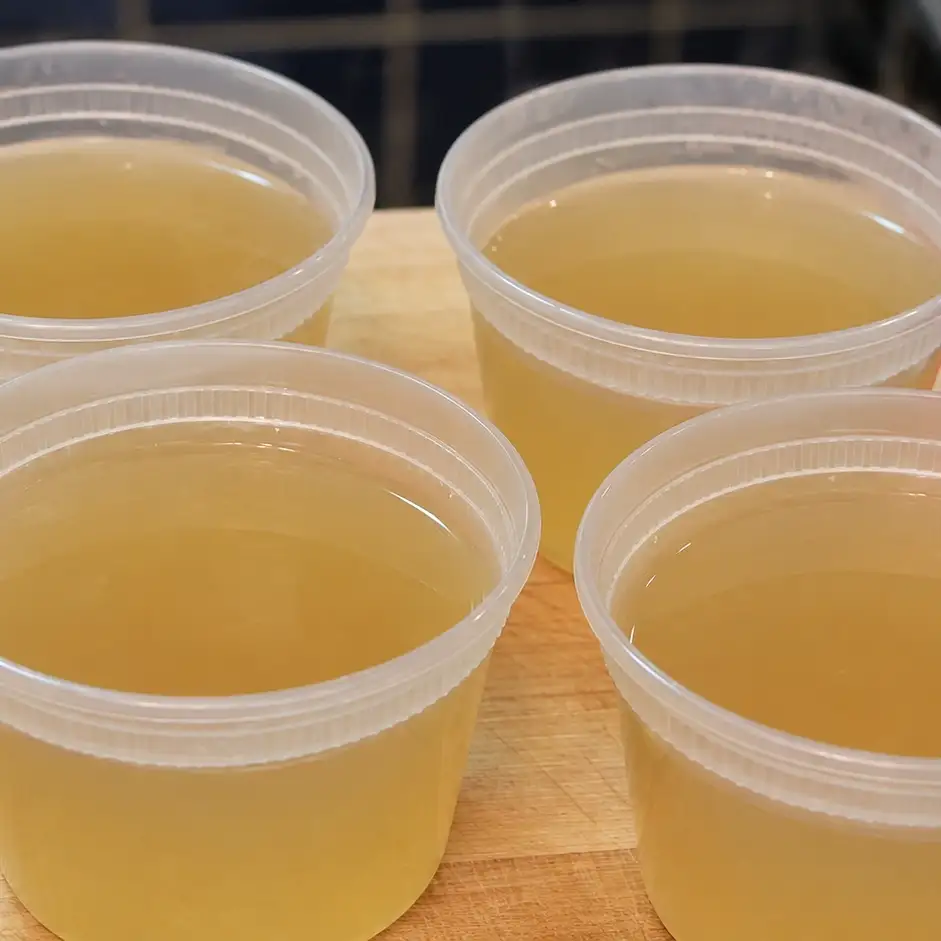
Let the stock cool, then transfer it to containers. I prefer storing it in smaller portions because it is easier to use later. One or two cup containers are practical for sauces, rice, risotto, and small soups.
You can refrigerate it for a few days or freeze it for longer storage. If freezing, leave a little space at the top of the container because liquid expands.

How to Use This Stock
This stock is useful anywhere you would normally add water but want a little more flavor. It is excellent in soup, especially vegetable soups and creamy soups. Try it in easy broccoli soup, where the stock helps the broccoli taste fuller without making the soup heavy.
It also works well in broccoli cheddar soup, cold creamy mushroom soup, and even seafood-style recipes like New England clam chowder when you want a lighter base.
Outside of soup, use it to loosen a pan sauce, cook grains, or add moisture to a casserole. A splash can help a creamy pasta like mushroom pasta without adding more cream. It can also replace part of the liquid in creamy tomato gnocchi when you want the sauce to stay smooth but not too thick.
Substitutions
You can use vegetable trimmings, but choose them carefully. Good scraps include carrot ends, leek greens, celery leaves, onion pieces, parsley stems, and mushroom stems. They should be clean and fresh. Stock is not a place to save spoiled vegetables.
Avoid strong cruciferous vegetables like broccoli, cabbage, cauliflower, and Brussels sprouts. They can make the stock sulfurous and bitter. Beetroot will turn the stock red and earthy. Too many potato peels can make it cloudy.
If you do not have basil, use parsley instead. If you do not have thyme, use a bay leaf and parsley stems. If you want a deeper color, you can leave the onion skins on, as long as they are clean, but I usually keep this version lighter.
For a richer cooking base, use homemade chicken bouillon cubes instead. For a meatless base, keep this vegetable stock unsalted and season the final dish later.

FAQ
Should vegetable stock be salted?
I prefer to leave it unsalted. Stock often gets reduced later in soups, sauces, and braises. If you salt it at the beginning, the final dish can become too salty. Season the recipe where you use the stock instead.
Why start with cold water?
Cold water helps extract flavor gradually. It gives the vegetables time to release their taste before the liquid gets too hot. It is a small detail, but it helps make the stock cleaner.
Can I simmer it longer than 45 minutes?
You can, but I would not go much longer than one hour. Vegetable stock does not need the same long cooking time as meat stock. After too long, the flavor can become tired or slightly bitter.
Can I freeze this vegetable stock?
Yes. Cool it completely, then freeze it in containers. I like freezing it in small portions so I can use a cup or two at a time.
Can I use this in place of chicken stock?
Yes, especially in soups, sauces, and vegetable dishes. It will be lighter and less rich than chicken stock, but that can be exactly what you want. It works nicely in recipes like vegetarian vegetable quiche or leek and ham gratin when you need moisture without making the dish too heavy.
Why is my stock cloudy?
It was probably boiled too hard, or the vegetables were cut too small or pressed too much during straining. Cloudy stock is still usable, especially in soups, but for a clearer result, simmer gently and strain without pressing.
Suggested Posts
Use this stock in minestrone with pasta and beans for a simple vegetable-based meal.
For a creamy soup, try it with easy broccoli soup or broccoli cheddar soup.
For a richer homemade base, make chicken bouillon cubes and keep them in the freezer.
For pasta and saucy dishes, a splash of this stock works well in garlic butter chicken pasta or creamy mushroom pasta.
For dinner ideas where a little stock helps the sauce, try Dutch oven pot roast or lemon butter baked cod.

Easy Homemade Vegetable Stock Recipe for Soups and Sauces
Ingredients
- 4 1/2 lb mixed vegetables carrots, leeks, celery, and onions
- 17 cups cold water
- 1 small bunch fresh thyme
- 1/2 cup fresh basil leaves or a few basil sprigs
- 1 bay leaf optional
- 6 black peppercorns optional
- 1/2 cup parsley stems optional
Instructions
- Wash all vegetables well, especially the leeks.
- Cut the carrots, leeks, celery, and onions into large pieces.
- Place the vegetables in a large stock pot.
- Add the thyme, basil, and any optional herbs or peppercorns.
- Pour in the cold water.
- Bring to a boil over high heat.
- Reduce the heat immediately and simmer gently for 30 to 45 minutes.
- Strain the stock through a fine sieve or colander without pressing too hard.
- Let the stock cool completely.
- Refrigerate for a few days or freeze in smaller portions.