Easy Homemade Chocolate Sauce for Ice Cream in 10 Minutes
This easy homemade chocolate sauce uses dark chocolate and whole milk to make a smooth, pourable topping without heavy cream. I make it this way because the milk keeps the sauce lighter, but the mistake to avoid is boiling it, which can make the chocolate look grainy or separated. What I look for is a glossy sauce that falls from the spoon in a continuous ribbon and slowly disappears back into the surface.
This recipe is based on my YouTube video, with a few adjustments since publication. The original sauce was prepared gently in a saucepan while the other ice cream toppings cooked, but the proportions and heating order are clarified here so the result is easier to reproduce.
Chocolate sauce is a warm or chilled dessert topping made by combining melted chocolate with enough liquid to keep it fluid. This version is thinner and lighter than a traditional cream ganache, making it especially useful for ice cream, crepes, brownies, puddings and fruit-based desserts.
{VIDEO}
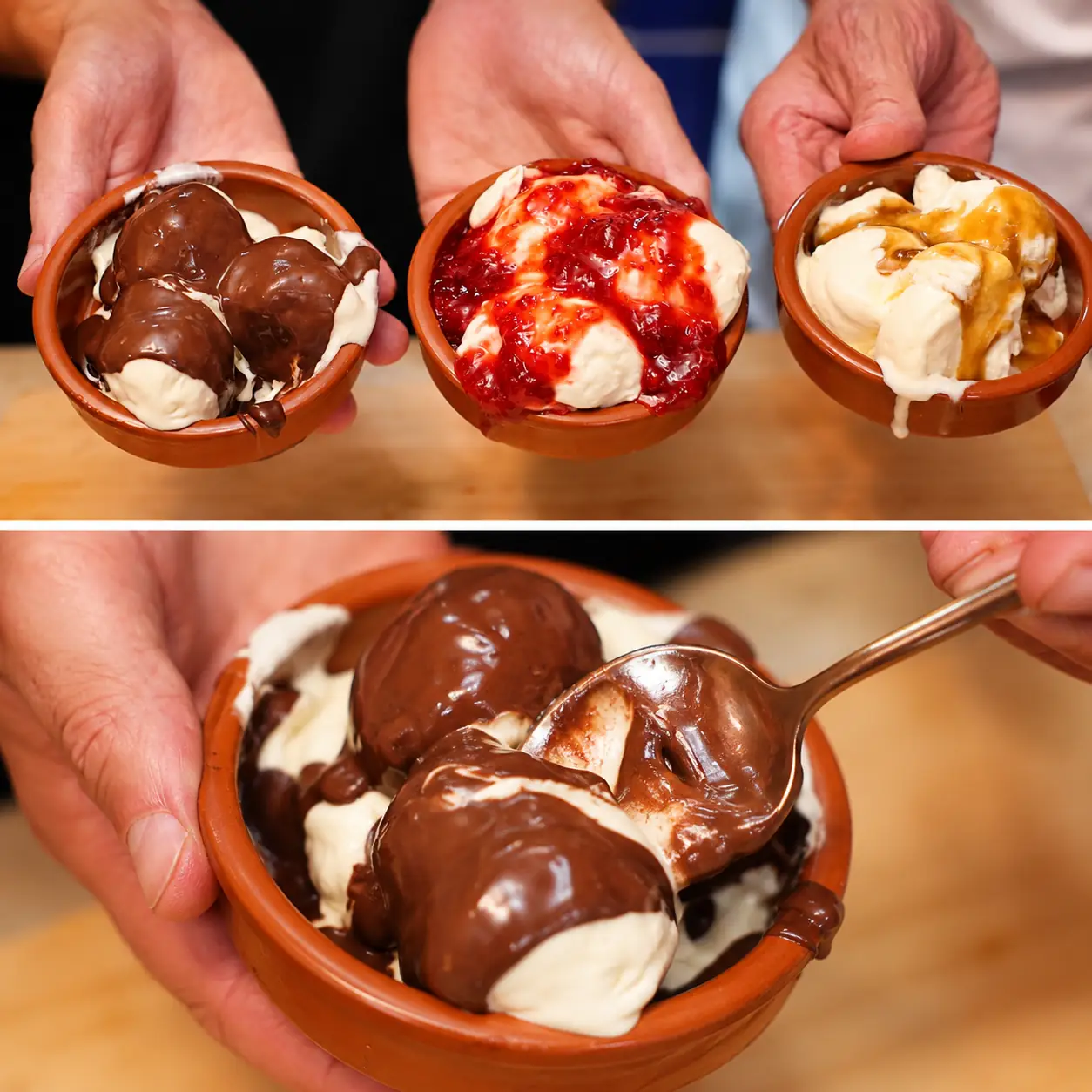
What Makes This Chocolate Sauce Different
Many chocolate sauces rely on heavy cream, corn syrup, cocoa powder, butter or several types of sugar. This one stays close to the simple idea shown in the video: dark chocolate, milk and vanilla.
Using milk instead of cream gives the sauce a cleaner chocolate flavour and a less heavy finish. It still tastes rich because chocolate already contains cocoa butter, but it does not coat the mouth quite as much as a thick ganache. That makes it a good match for a creamy dessert such as no-churn dark chocolate ice cream, where a heavy cream-based topping could become too rich.
This sauce is also different from the hazelnut ganache used with my chocolate and fruit crepes. That ganache is meant to be thicker and more substantial. This recipe is a quick pouring sauce that runs naturally over a scoop of ice cream and settles into the crevices without becoming a firm chocolate shell.
The proportions matter. Too little milk produces a thick paste once the chocolate cools. Too much milk gives you a weak sauce that slides off the dessert. A half cup of milk for 3 1/2 ounces of dark chocolate gives a practical middle ground: fluid while warm, spoonable at room temperature and thicker after refrigeration.
Ingredients You Need
Dark chocolate provides the flavour and structure. Choose a chocolate you enjoy eating on its own, ideally somewhere around 55 to 70 percent cocoa. A sweeter dark chocolate makes a softer, more family-friendly topping. A very high-percentage chocolate will taste more bitter and may produce a slightly firmer sauce.
Whole milk loosens the melted chocolate and creates the sauce consistency. I prefer whole milk because its small amount of fat helps the mixture feel smoother than it would with skim milk. The recipe does not need heavy cream.
Vanilla extract rounds out the chocolate flavour. It should stay in the background rather than making the sauce taste strongly of vanilla.
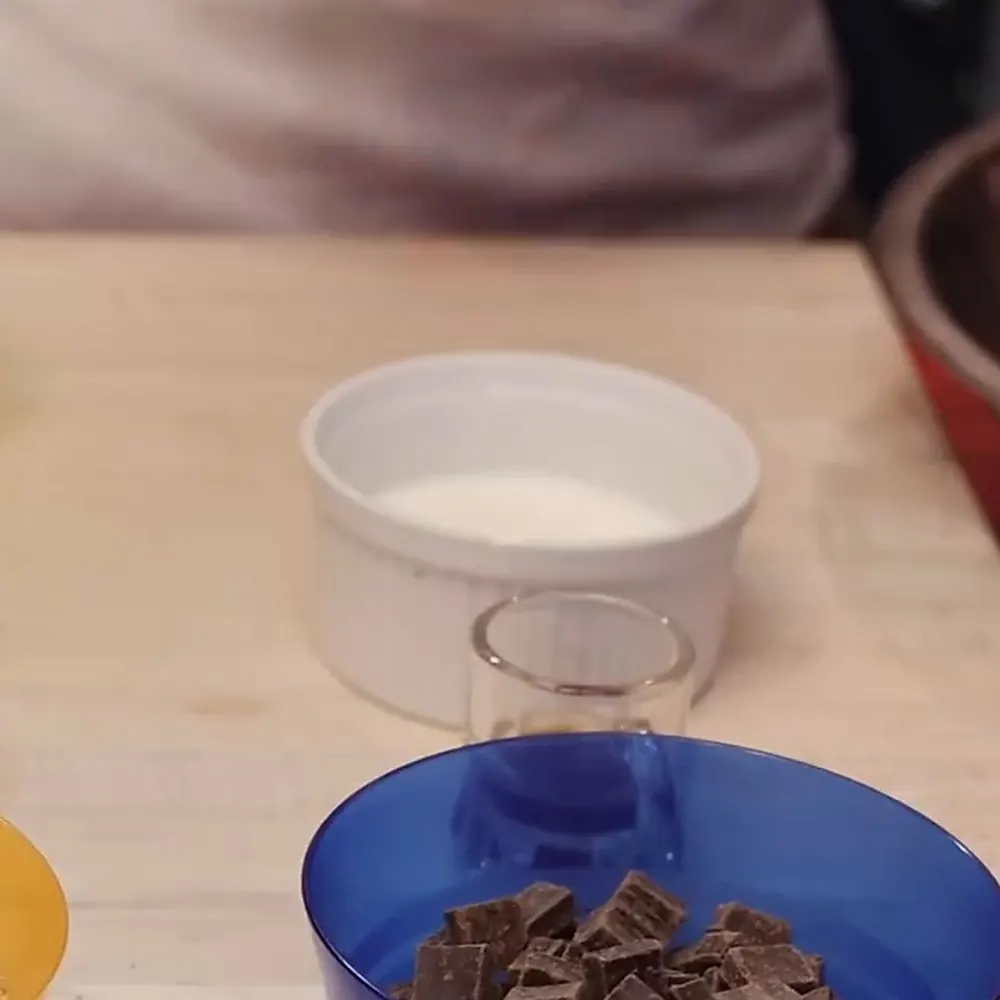
Before You Start
Chop the chocolate into small, fairly even pieces. Large chunks melt slowly, which encourages people to leave the pan over the heat too long. Smaller pieces soften quickly and emulsify into the milk with less risk of scorching.
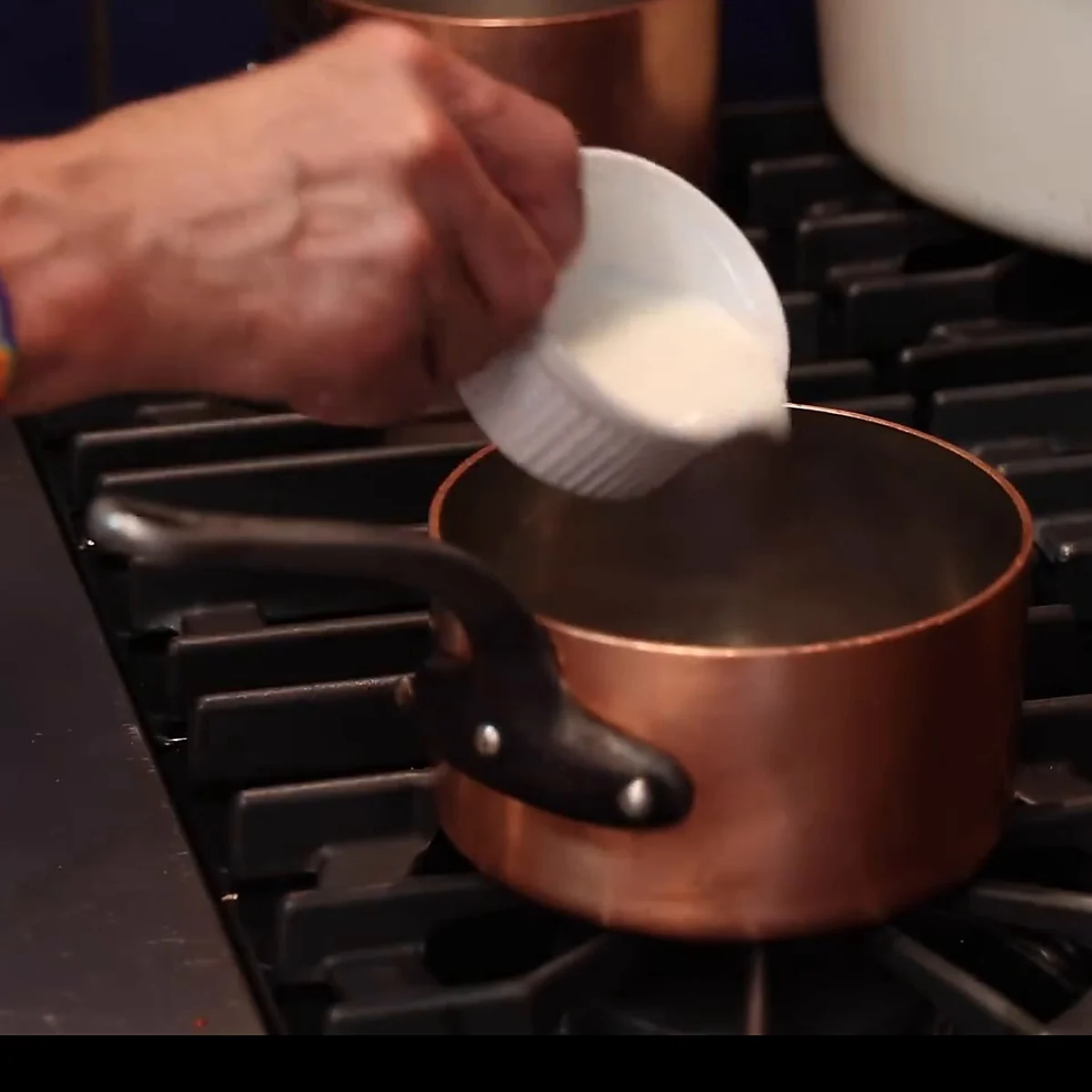
Use a small, heavy-bottomed saucepan if possible. A pan that is much larger than necessary spreads the milk into a shallow layer that heats very quickly around the edges. A small saucepan gives you more control.
Keep the heat low. Chocolate does not need aggressive heat to melt. The milk should become hot and steamy, but it should not reach a rolling boil.
Step-by-Step Instructions
1. Warm the milk gently
Pour the whole milk into a small saucepan and set it over low heat. Heat it until it is steaming and small bubbles begin to appear around the edge of the pan.
Do not let it boil. If the milk begins rising rapidly or forming a skin immediately, the heat is too high. Pull the pan away from the burner for a few seconds.
2. Add the chocolate
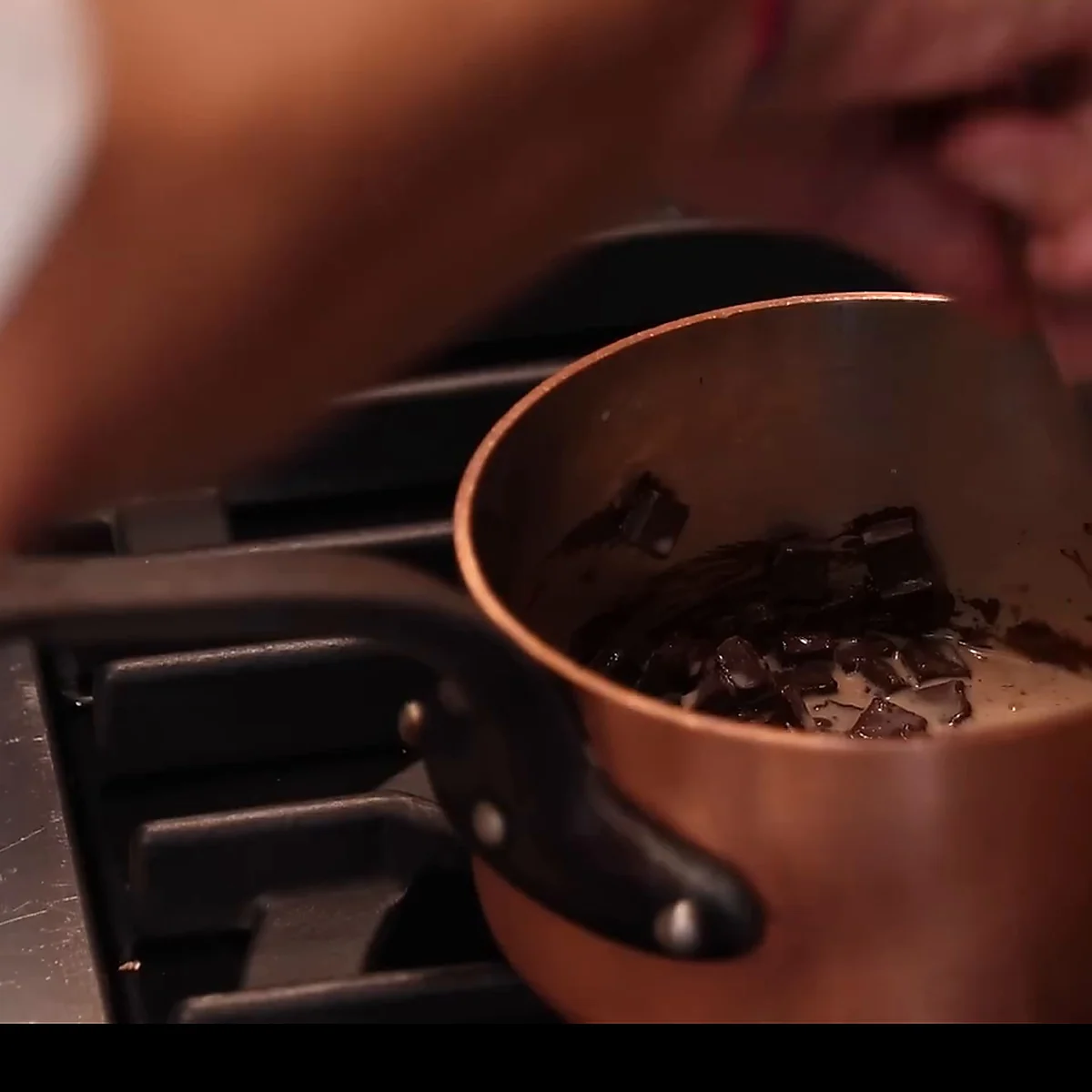
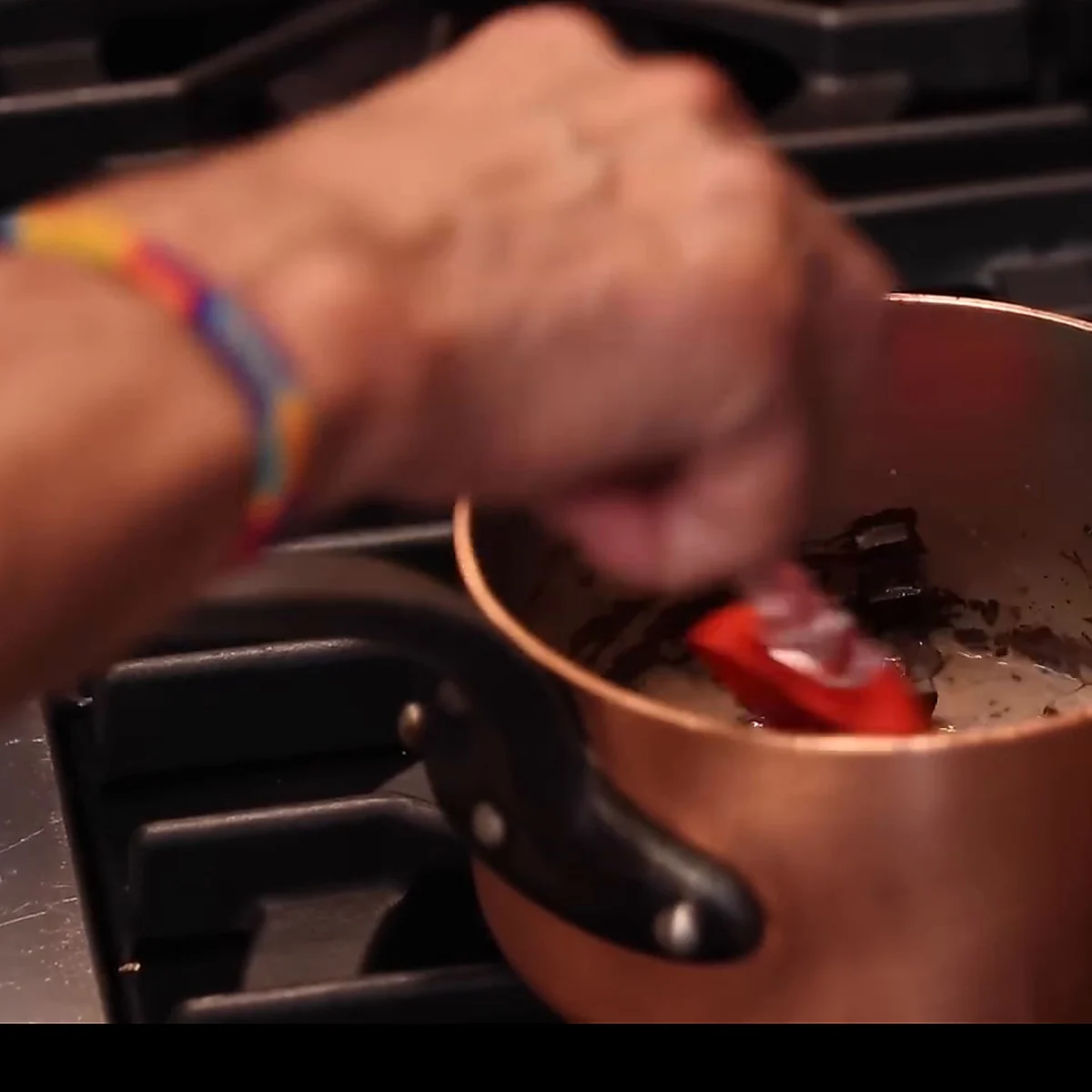
Remove the saucepan from the heat and add the finely chopped dark chocolate. Let it sit in the hot milk for about 30 seconds before stirring. This brief pause softens the chocolate and makes it easier to combine without overworking the mixture.
Begin stirring slowly in the centre with a silicone spatula or small whisk. At first, the liquid may look streaky, with pale milk and dark melted chocolate moving separately. Continue stirring in small circles.
As the emulsion forms, the colour will become even and the sauce will turn glossy. Scrape along the bottom and into the corners of the saucepan so no chocolate remains stuck there.
3. Finish with vanilla
Stir in the vanilla extract once the chocolate and milk are smooth. If a few small pieces of chocolate remain, return the saucepan to the lowest heat for 10 to 20 seconds while stirring constantly.
The mistake to avoid is leaving the sauce unattended over direct heat. Chocolate can scorch against the bottom before the surface gives any obvious warning.
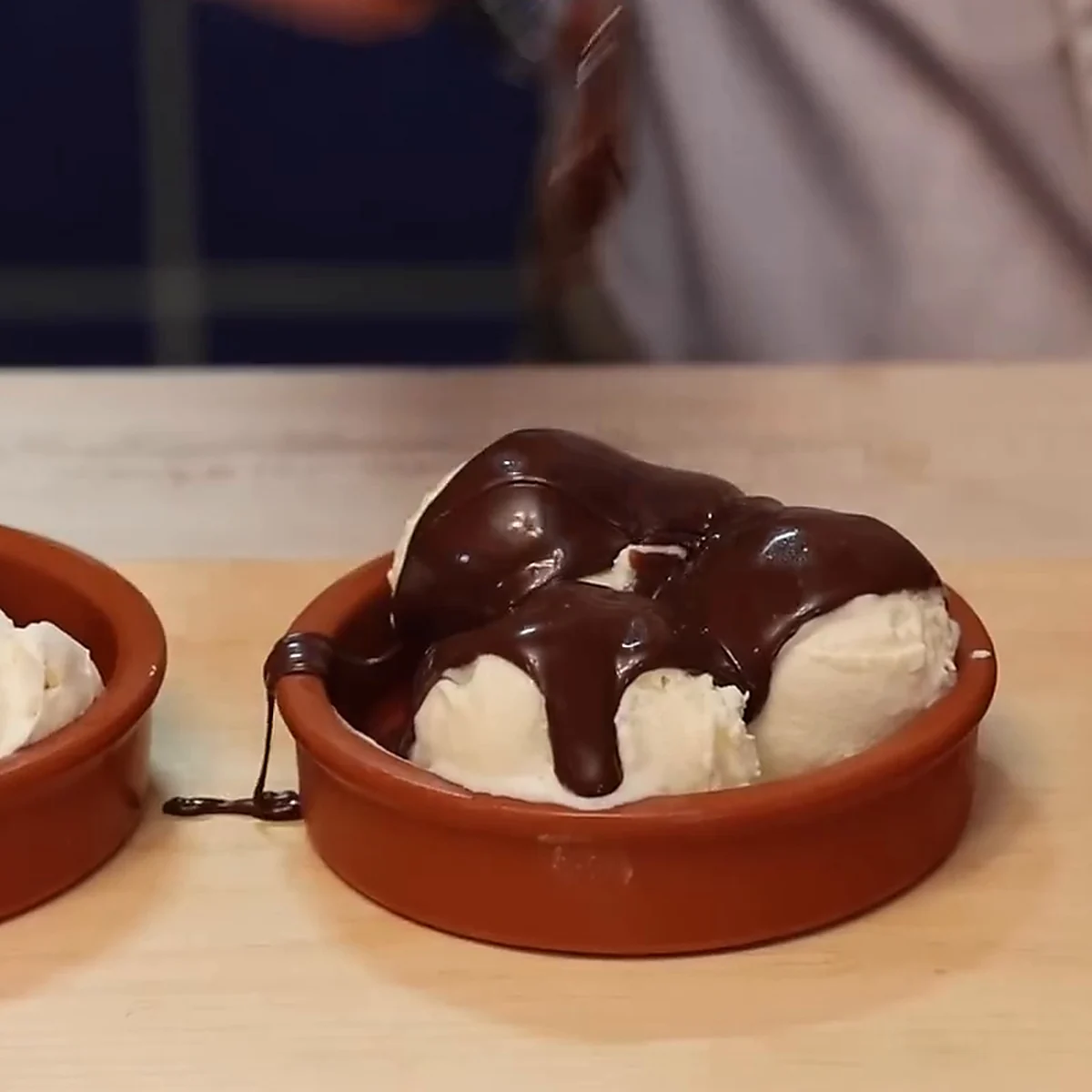
You know the sauce is ready when it coats the back of a spoon in a thin, shiny layer. Draw a finger through the sauce on the spoon. The line should remain visible for a moment, while the sauce around it stays soft and fluid.
4. Let the sauce settle
Remove the sauce from the heat and let it stand for 3 to 5 minutes before serving. It will thicken slightly as the temperature drops.
For ice cream, I prefer the sauce warm rather than piping hot. Very hot sauce immediately melts the surface of the ice cream and can leave a thin puddle in the bottom of the bowl. Warm sauce flows nicely while keeping the scoops intact long enough to serve.
Adjusting the Consistency
Chocolate sauce changes texture with temperature. It will be most fluid straight from the saucepan, slightly thicker at room temperature and considerably firmer after refrigeration.
If it is too thick, whisk in warm milk one teaspoon at a time. Add only a small amount between each stir. A tablespoon poured in all at once can move the sauce from thick to watery surprisingly quickly.
If the sauce seems too thin while it is still very hot, wait before changing the recipe. Chocolate thickens as it cools. Give it several minutes, then check the texture again.
If it remains thin after cooling, warm it gently and add a little more finely chopped chocolate. Stir until completely smooth.
Common Mistakes to Avoid
Do not boil the milk with the chocolate in the pan. Excess heat can make the cocoa butter separate, leaving an oily surface and a grainy texture underneath.
Do not add cold milk to a thick, partially melted chocolate mixture. A sudden temperature change can make the chocolate tighten. Warm any extra milk before using it to thin the sauce.
Do not judge the final consistency while the sauce is at its hottest. It should look slightly looser in the pan than you want it to look on the dessert.
Do not use chocolate chips unless necessary. Many chips contain stabilizers designed to help them hold their shape during baking. They can still work, but a chopped chocolate bar usually melts into a smoother sauce.
Ways to Serve It
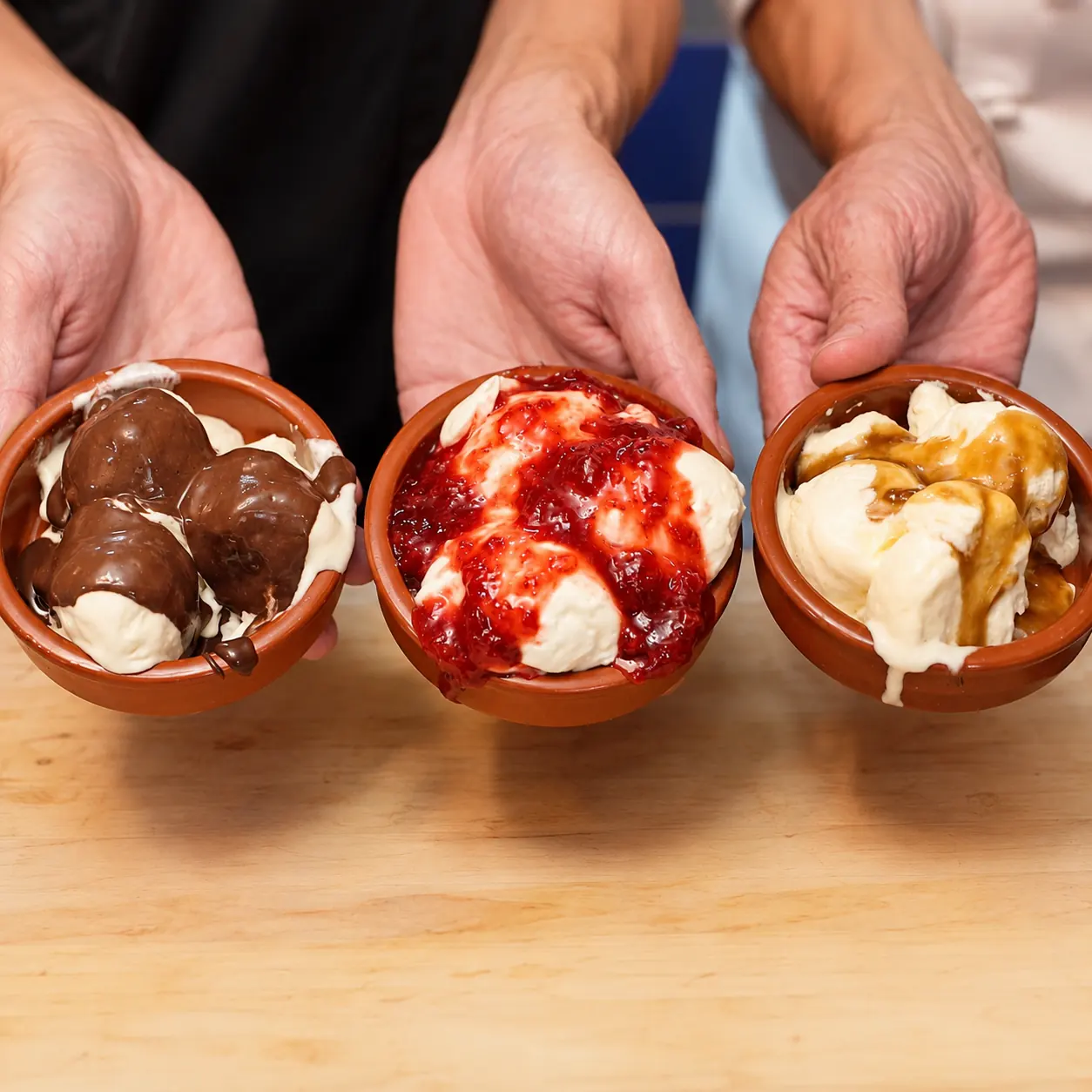
The obvious choice is vanilla ice cream, but the sauce works with almost any frozen dessert. Its dark flavour is especially useful with fruit. Try it over homemade strawberry sorbet or fresh mango sorbet for a hot-and-cold dessert with a little acidity.
For a warm dessert, spoon it over a skillet cookie served straight from the pan or drizzle it over ultra-fudgy cocoa brownies. Use a smaller amount on chocolate desserts so the sauce adds moisture without covering their flavour.
It also turns a basic batch of quick homemade crepes into a complete dessert. Add sliced bananas, strawberries or toasted nuts, then finish with a narrow ribbon of warm sauce.
A spoonful is enough to add contrast to creamy French rice pudding or traditional crème caramel. These desserts are already soft and creamy, so serve the chocolate sauce lightly rather than flooding the plate.
Storage and Reheating
Let the sauce cool, transfer it to a clean airtight container and refrigerate it for up to five days. It will become thick in the refrigerator. That is normal and does not mean the sauce has failed.
Reheat it in a small saucepan over low heat, stirring often. You can also microwave it in short intervals, stirring after each one. Add a teaspoon or two of warm milk if needed to restore the original pouring consistency.
Avoid repeated cycles of heating and cooling the full batch. Reheat only the amount you plan to serve.
This is still a rich dessert sauce, even though milk makes it lighter than a cream ganache. A small spoonful usually gives enough chocolate flavour without overwhelming the dessert underneath.
Substitutions
Semi-sweet chocolate can replace dark chocolate for a sweeter and slightly softer sauce. Milk chocolate is also possible, but reduce the milk by a few tablespoons at first because milk chocolate contains more sugar and milk solids and usually produces a looser mixture.
Two-percent milk can replace whole milk, although the sauce may feel a little less rounded. Skim milk is not the best choice because it gives the sauce less body.
A plain dairy-free milk can be used, but the result depends on the product. Oat milk generally gives more body than almond milk. Use an unsweetened version so the final sweetness still comes mainly from the chocolate.
Vanilla can be omitted without affecting the structure. A very small amount of orange zest or instant espresso powder can complement the chocolate, but either one changes the flavour profile and should be used sparingly.
FAQ
Why did my chocolate sauce become grainy?
The most likely cause is excessive heat. Remove the pan from the burner and stir in a small spoonful of warm milk. Stir slowly from the centre until the mixture begins to look smooth again.
Can I make the sauce with cocoa powder?
Not with the same proportions or method. Cocoa powder does not contain the same amount of cocoa butter as solid chocolate, so it requires a different balance of sugar, liquid and usually butter or another fat.
Does the sauce harden on ice cream?
It firms slightly when it touches cold ice cream, but it does not become a crisp shell. The milk keeps it softer than a topping made mostly from chocolate and coconut oil.
Can I prepare it ahead?
Yes. Refrigerate it in an airtight container and reheat only the portion you need. Stir in a little warm milk if it has become too thick.
What type of chocolate is best?
A dark chocolate between 55 and 70 percent cocoa gives the most balanced result. Chocolate above 80 percent will make a more bitter, intense sauce and may require a little more milk.
Can I double the recipe?
Yes. Use a saucepan large enough to stir comfortably and keep the heat low. A larger quantity takes longer to warm, but the visual signs remain the same: no boiling, no oily separation and a smooth ribbon from the spoon.
Suggested Posts
For another chocolate dessert, make homemade chocolate profiteroles and use the sauce as the warm finishing element.
Serve a small drizzle with homemade Oreo-style cookies and vanilla ice cream for a simple plated dessert.
Pair the sauce with a warm slice of raspberry clafoutis when you want chocolate and tart fruit together.
Use it as an optional garnish beside fresh strawberry tiramisu, keeping the chocolate light so the strawberry flavour remains clear.
For a dessert built specifically around warm chocolate sauce and frozen filling, try the classic chocolate profiteroles.
Easy Homemade Chocolate Sauce for Ice Cream in 10 Minutes
Ingredients
- 3 1/2 ounces dark chocolate finely chopped
- 1/2 cup whole milk
- 1/2 teaspoon vanilla extract
Instructions
- Heat the milk in a small saucepan over low heat until steaming, without letting it boil.
- Remove the pan from the heat, add the chopped chocolate and let it stand for 30 seconds.
- Stir slowly from the centre until the sauce is completely smooth and glossy.
- Stir in the vanilla extract.
- Return the pan to very low heat for a few seconds only if unmelted chocolate remains.
- Let the sauce cool for 3 to 5 minutes before serving.