Easy Tarragon Mayonnaise with an Immersion Blender
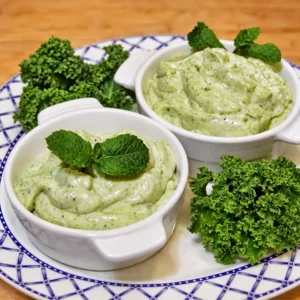
Tarragon mayonnaise is a cold, creamy sauce made with a whole egg, Dijon mustard, red wine vinegar, neutral oil, and fresh tarragon. An immersion blender chops the herb into fine green flecks while building a thick emulsion. Serve a small spoonful with fish, potatoes, seafood, or a steak sandwich when you want a fresh anise note in a rich condiment.
This recipe follows my YouTube video, with a pasteurized egg and measured seasonings for the written version. I keep the video’s generous oil quantity, about 1⅔ cups, added gradually to the blended base. The important detail is the order: blend the egg, mustard, vinegar, and tarragon first, then pour the oil in a thin stream while the blender runs.
{VIDEO}
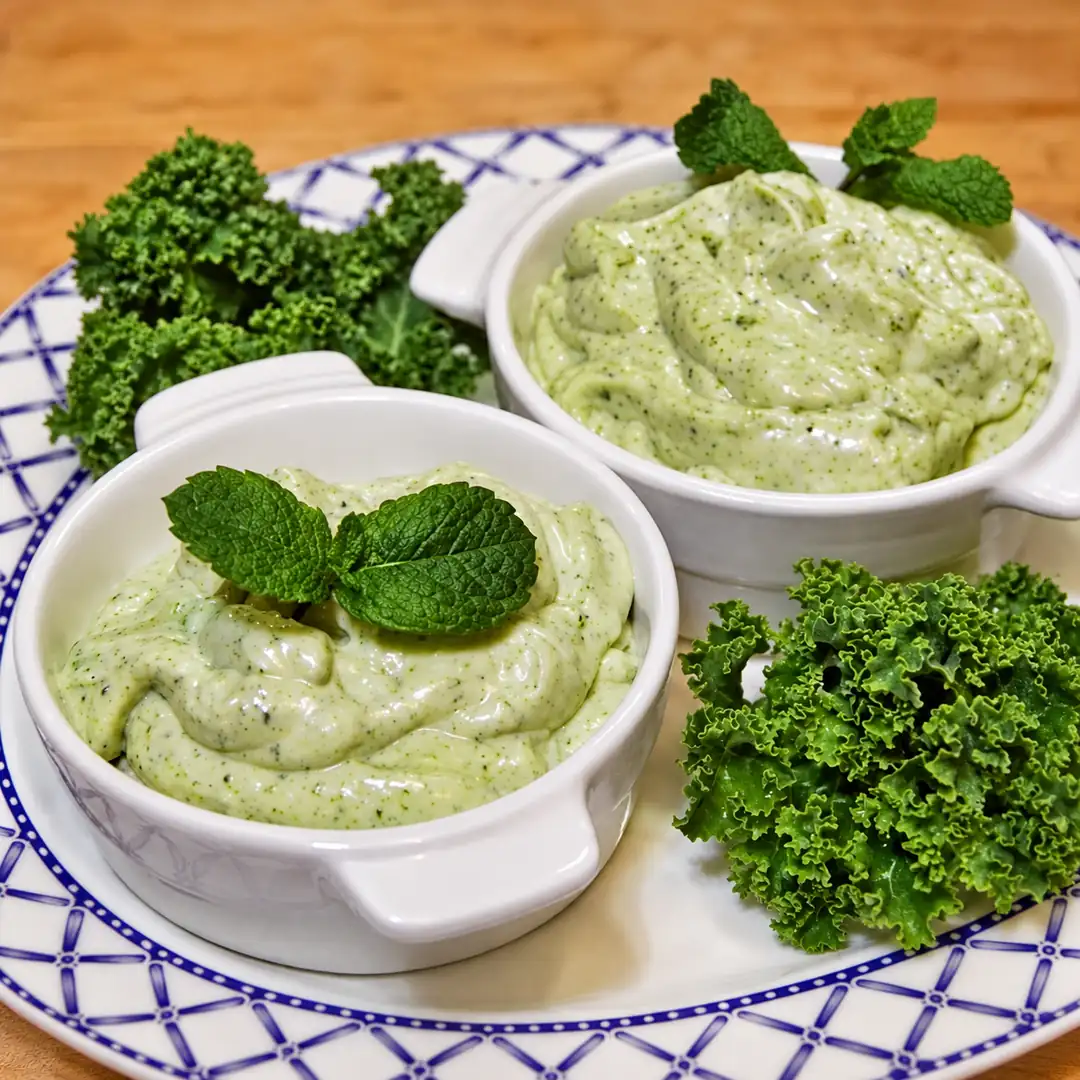
A cold herb mayonnaise for fish and sandwiches
In the video, I introduce this sauce as a practical alternative when I am not making homemade hollandaise sauce. It is a cold mayonnaise, with neutral oil and a whole egg. Classic warm butter sauces, including the one served in steak with classic béarnaise sauce, need a different method. Tarragon supplies a familiar bistro aroma here without changing the mayonnaise into a cooked sauce.
The same emulsion principle appears in my whole-egg homemade mayonnaise. This version puts fresh tarragon into the base before the oil, so the herb is finely blended throughout. Its pale green color depends on the leaves and how finely they are processed; a natural herb mayonnaise does not need added coloring.
Ingredients and the ratio that matters
For one batch, use 1 large pasteurized whole egg, 1 tablespoon Dijon mustard, 1 teaspoon red wine vinegar, ¼ oz fresh tarragon leaves, ¼ teaspoon fine salt, ⅛ teaspoon black pepper, and 1⅔ cups neutral oil. Canola, sunflower, or grapeseed oil keeps the herb flavor clear. The written herb weight and small seasoning measurements standardize quantities that the video adds by eye.
The video describes roughly ⅓ cup plus 1 tablespoon of seasoned egg-and-herb base before the oil is added. That is the combined base volume, including egg, mustard, vinegar, and tarragon. Use the measured ingredients below without topping the beaker up to a line. The finished batch is roughly 2 cups, portioned here as sixteen 2-tablespoon servings.
The oil quantity is substantial for one egg, but the yolk and mustard can support it when it is incorporated steadily. This produces a firm sauce. Pouring too much oil before the emulsion starts is the main way to turn the mixture thin and oily. A narrow, tall beaker also helps the blender work through the small initial base.
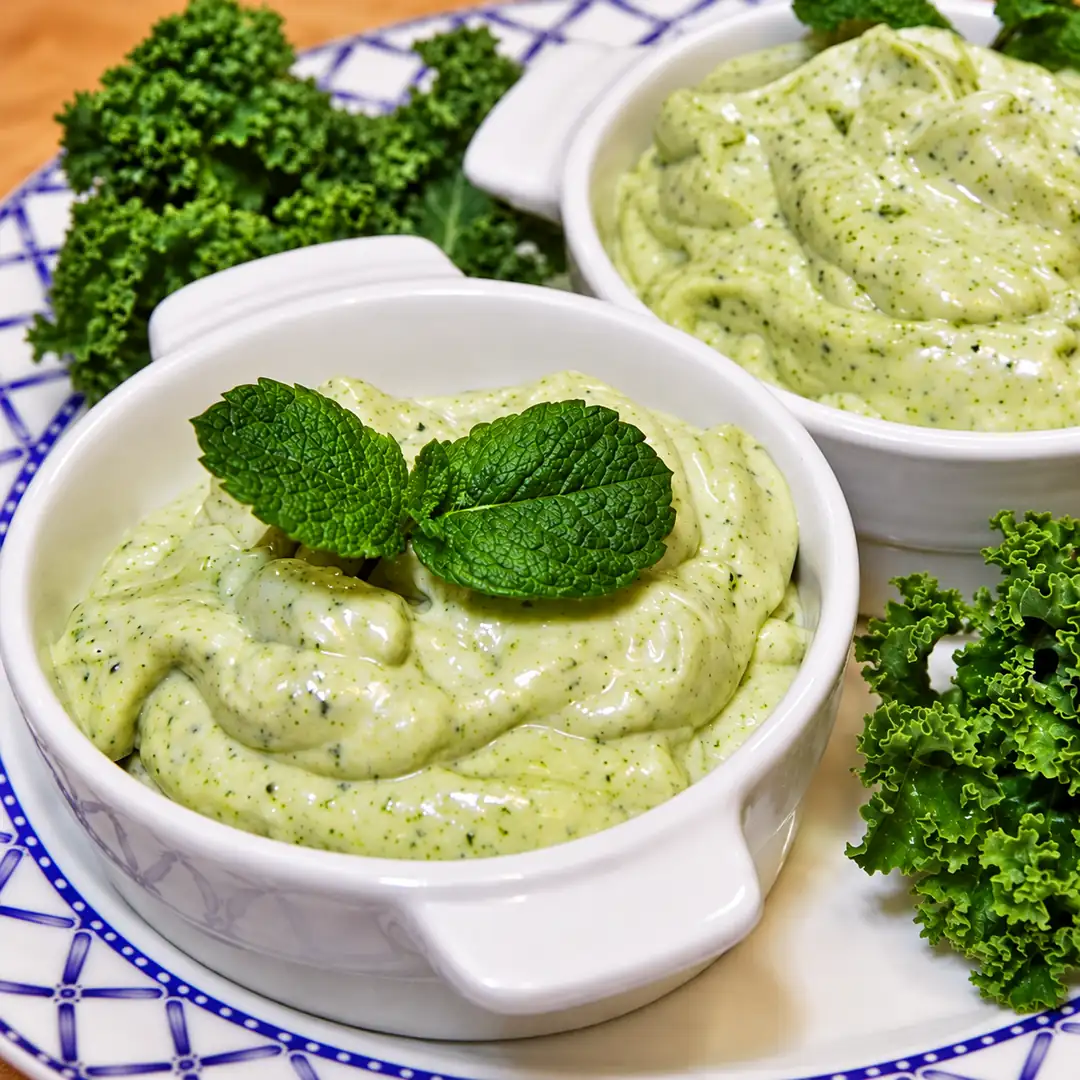
Wash the tarragon and dry it well. Pull the leaves from the stems and weigh only the leaves. Tough stems can leave woody fibers in the sauce. The mint leaves placed on the finished ramekins in the video are a personal decoration; mint is not part of the blended mayonnaise.
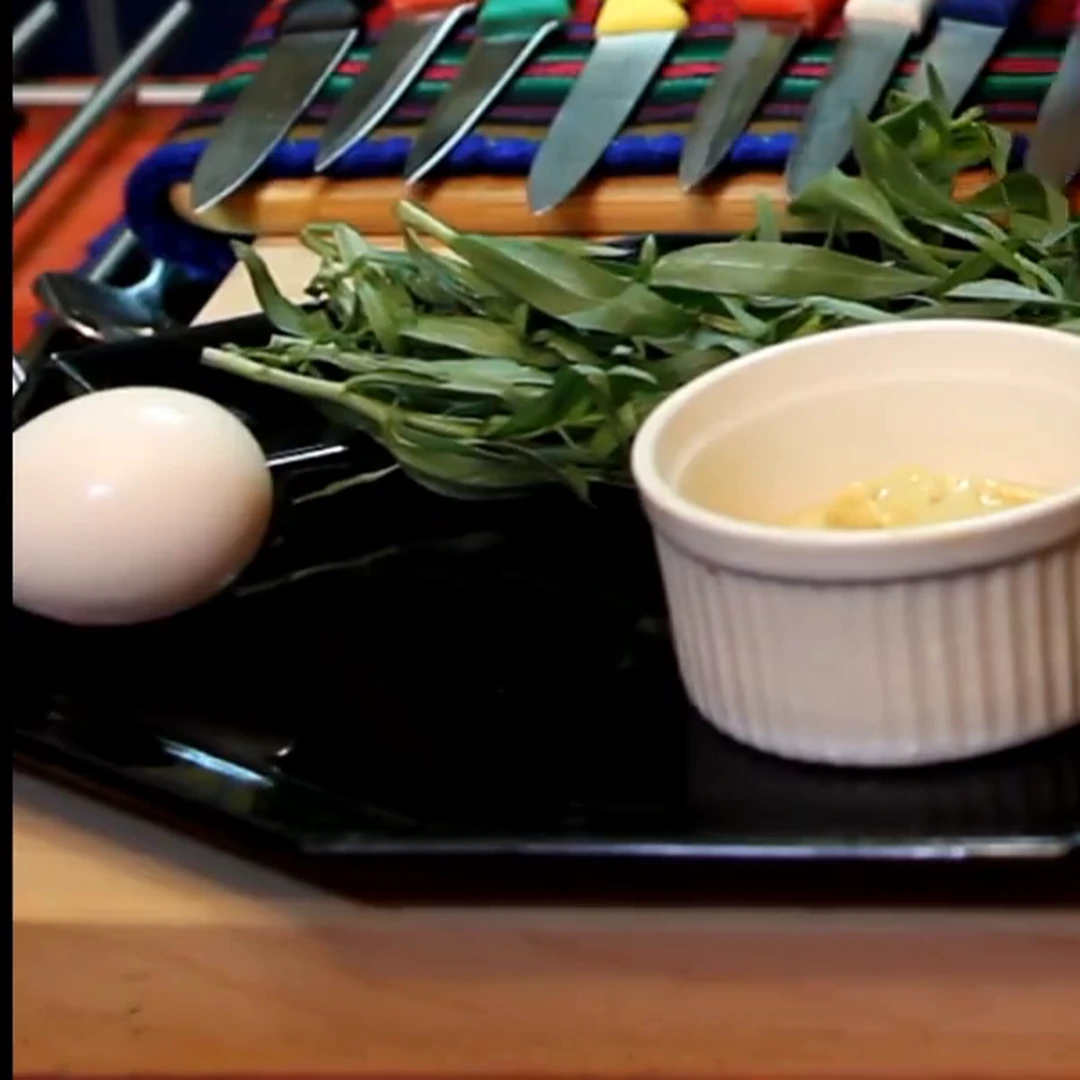
Step-by-step instructions
1. Prepare the seasoned egg base
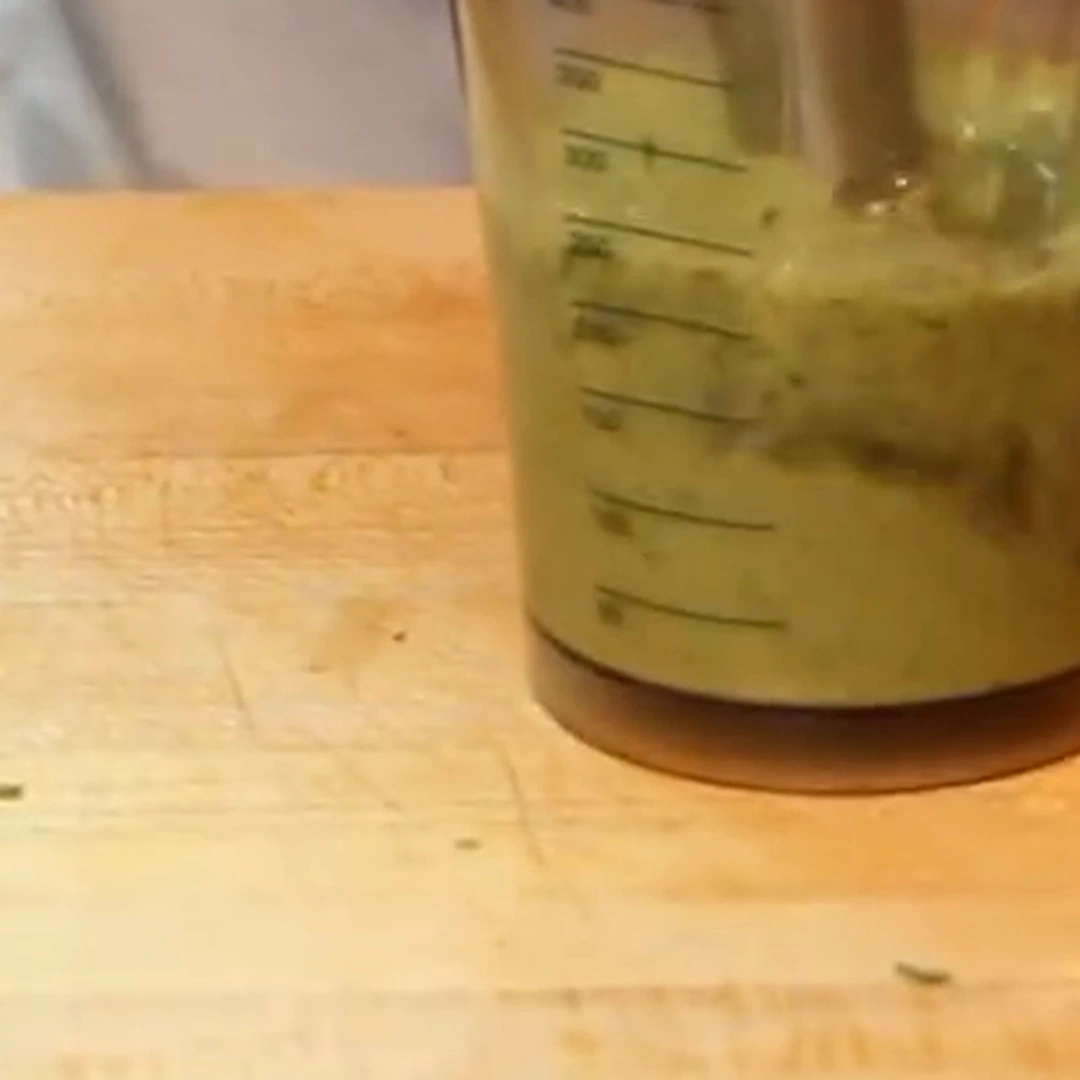
Use a clean, tall container just wide enough for the immersion blender head, with enough capacity for the entire batch and space above it. Crack the whole pasteurized egg into the container. Add Dijon mustard, red wine vinegar, salt, and pepper. Measure the oil separately so you can control how much goes in.
Use the whole egg, including its white, as the video does. A bowl that is much wider than the blender makes the shallow starting mixture harder to process. Set the beaker on a stable surface and keep the motor body clear of the liquid according to the appliance’s instructions.
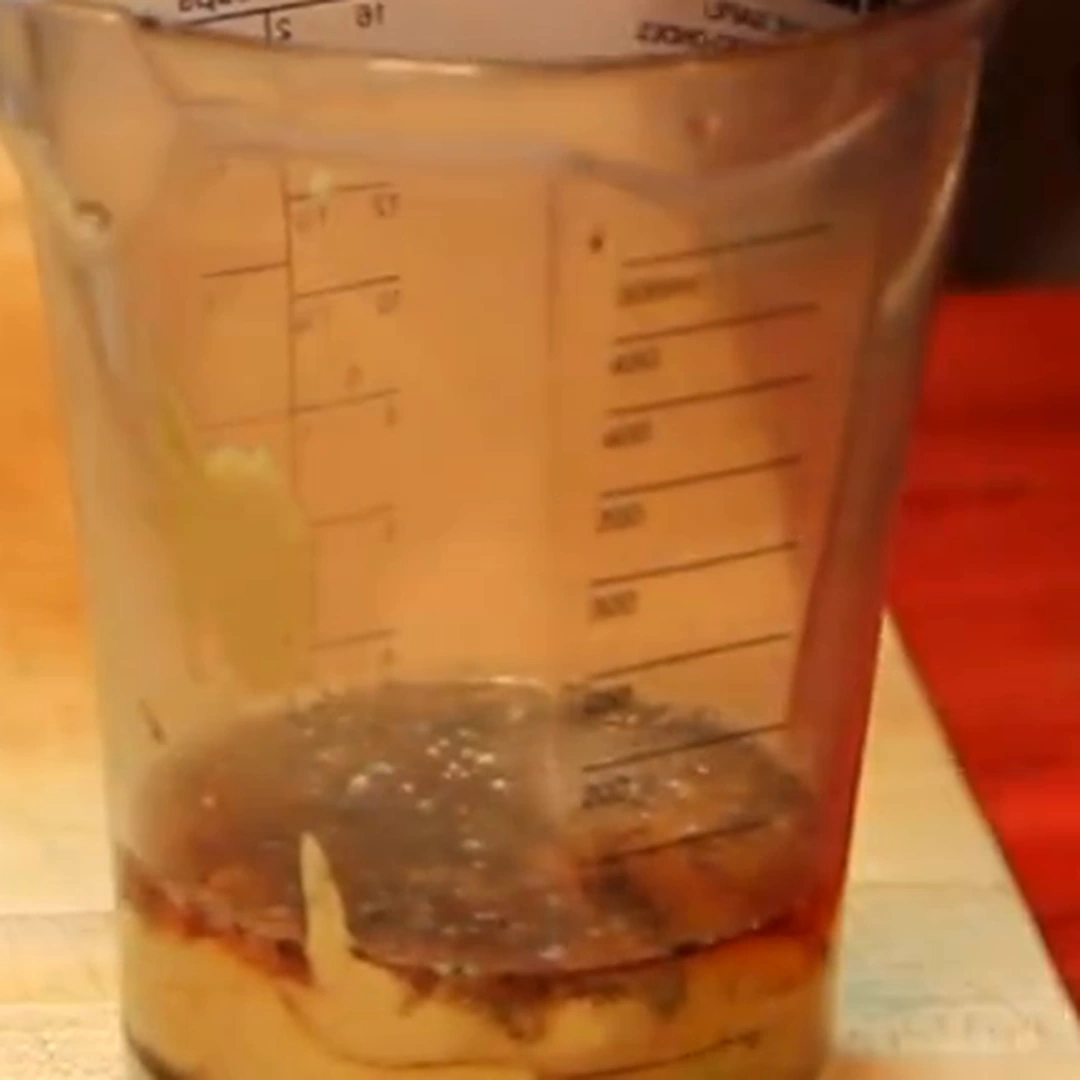
2. Strip and roughly chop the tarragon
Remove the leaves from the tougher stems. Chop them roughly and add them to the seasoned egg mixture. Fine knife work is unnecessary because the blender will reduce them further. Dry leaves are easier to measure and contribute less stray rinse water to the base.
Place the blender head in the mixture and blend briefly, about 5 to 10 seconds, until the egg and mustard are combined and the tarragon is distributed in small flecks. The base will still be fluid at this point; the mayonnaise thickens as oil is incorporated.
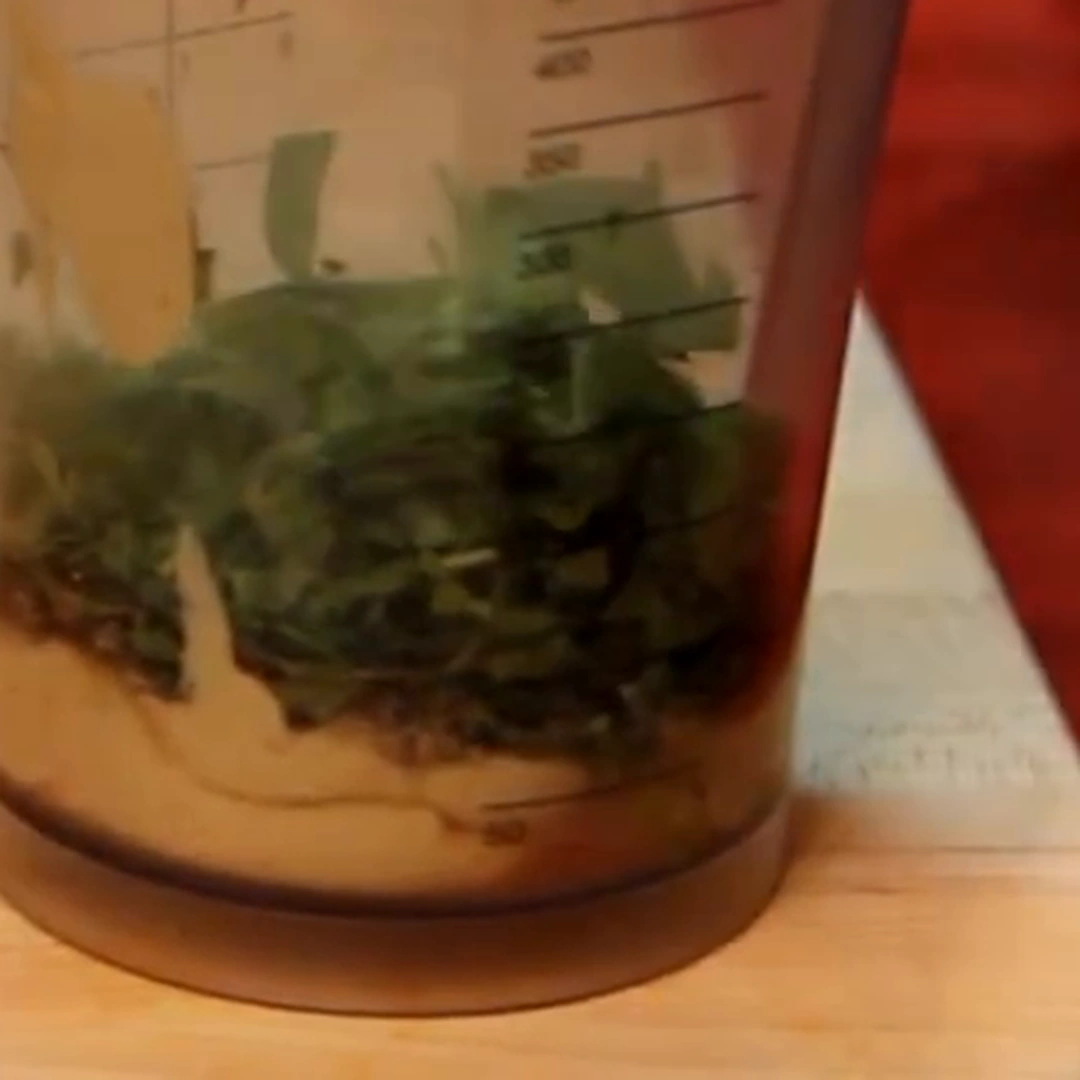
3. Add the oil slowly while blending
With the blender running and its head immersed near the bottom, start pouring the oil in a very thin stream. Let each addition disappear into the mixture. As it becomes creamy and thicker, continue with a steady small stream. Move the blender gently through the sauce while keeping its head submerged, rather than pumping it above the surface.
Work through the measured oil, pausing the pour if you see an oily layer accumulating. Keep blending gently until that layer incorporates before continuing. The goal is a glossy, cohesive sauce that holds soft ridges on a spoon. A longer blend is not automatically better; stop once the oil is incorporated and the texture is even.
4. Taste, portion, and refrigerate
Turn off and unplug the blender before scraping sauce from its head. Taste with a clean spoon. Adjust the salt and pepper. If you want a brighter finish, stir in another teaspoon of red wine vinegar and taste again; the video uses only a small splash, so the written starting amount is deliberately modest.
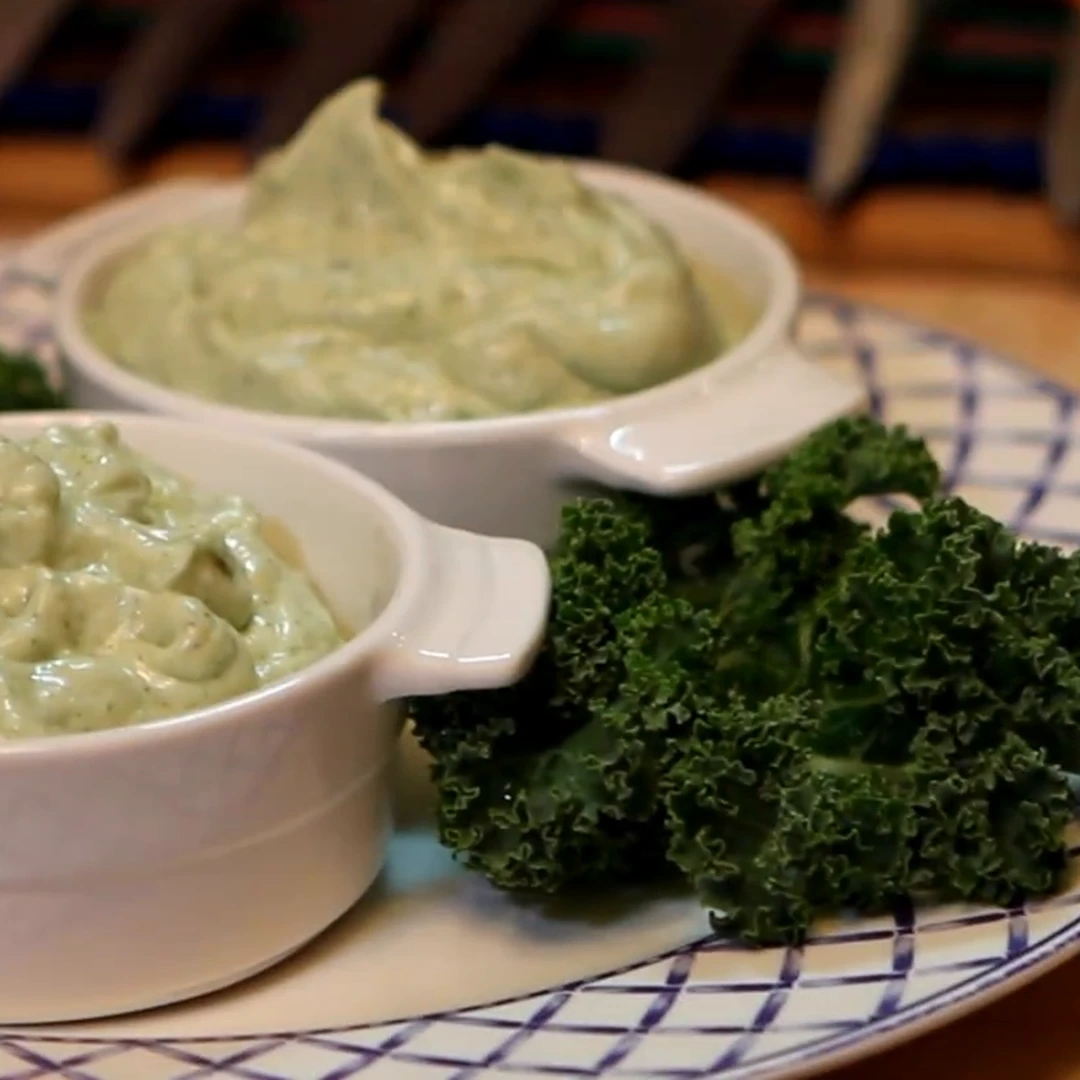
Transfer to clean ramekins or a covered container and refrigerate promptly. The video serves two small dishes from the batch. Extra mint leaves and surrounding parsley belong to the presentation, so the mayonnaise itself is complete before any decoration goes on.
Does this mayonnaise work?
Yes. The egg yolk provides emulsifiers, the mustard helps stabilize the mixture, and blending divides the oil into fine droplets. The video shows a thick result using its higher oil quantity. The useful corrections for a reproducible written recipe are measured small ingredients, a controlled pour, a suitable container, and clear egg handling.
The sauce can taste too mild or heavy if the oil overwhelms the seasoning. Taste after the emulsion is complete and adjust vinegar gradually. Fresh tarragon is important to this version; extra mustard, garlic, or chili would produce a different flavor. For other cold sauces, homemade tartar sauce, creamy homemade ranch dressing, and spicy Sriracha mayonnaise are separate recipes to try on another day.
How to rescue a broken emulsion
If the mixture is thin with visible oil droplets or a separate oil layer, stop adding oil. In a fresh narrow container, blend one new pasteurized egg yolk with 1 teaspoon Dijon mustard. Incorporate a small spoonful of the broken mixture, then add the rest very gradually while blending. The new yolk is a rescue ingredient, not part of the original batch list.
A mayonnaise that is already smooth but too thick needs a different adjustment: stir in cold water 1 teaspoon at a time, just until spoonable. Adding water to a broken, oily sauce does not reliably repair it. If the emulsion is smooth but slightly soft, chill it before deciding it needs more oil.
Substitutions
White wine vinegar can replace red wine vinegar at the same starting amount. Lemon juice is another option, though the flavor changes. Dried tarragon has a different aroma and texture; if fresh is unavailable, start with 1 teaspoon dried and let the sauce rest briefly in the refrigerator before tasting. Fresh leaves remain the closest match to the video.
Dijon is the most consistent mustard for this method. Whole-grain mustard leaves a different texture. Extra-virgin olive oil has a much stronger flavor and can dominate the delicate herb, so a neutral oil is preferable here. Replacing the egg with milk or aquafaba requires a separately developed recipe rather than the same quantities.
Storage and serving ideas
This is an uncooked egg sauce. Use a commercially pasteurized egg, keep the mayonnaise covered at 40°F or colder, and prepare it for same-day service or use within 24 hours. Vinegar and mustard provide flavor and help the emulsion; this home recipe is not a validated preservation process. Freezing is poor for texture because the sauce can separate.
Serve alongside crispy double-fried Belgian fries, or use a modest spoonful in homemade salmon burgers as an alternative condiment. The herb profile also works with the sandwich in steak panini with cold tarragon sauce. For a cold seafood platter, serve it separately alongside the shrimp from shrimp cocktail with Dijon mayonnaise, keeping the sauce chilled until needed.
For a leafy side, romaine and endive salad with creamy herb dressing offers another creamy-herb approach. If you want a thinner oil-and-vinegar dressing for greens, use classic homemade vinaigrette instead of diluting this rich condiment into a large bowl of dressing.
FAQ
Can I use only an egg yolk?
The video uses a whole egg. A yolk-only version has less liquid and needs a different balance for this blender method, especially with the full oil quantity. Follow the whole-egg version for the closest result.
Why is my mayonnaise still liquid?
The container may be too wide, or oil may have entered faster than the base could incorporate it. Check for visible oil separation and use the rescue method above if needed. Longer blending alone may not repair a broken sauce.
Is this a cold béarnaise?
It shares tarragon’s aroma, but it is mayonnaise made with oil and a whole egg. Classic béarnaise is a warm butter sauce with a different preparation. Use the mayonnaise as a cold condiment.
Can I halve the recipe?
Yes. Beat the pasteurized egg and use half of it, then halve every other ingredient. The initial base still needs to reach the blender blades in a narrow container. If it does not, use a compatible smaller blender head or make the full batch; reducing only the oil changes the texture.
Easy Tarragon Mayonnaise with an Immersion Blender
Ingredients
- 1 large commercially pasteurized whole egg
- 1 tablespoon Dijon mustard
- 1 teaspoon red wine vinegar plus up to 1 more teaspoon to taste
- ¼ oz fresh tarragon leaves stems removed, washed and dried
- ¼ teaspoon fine salt plus more to taste
- ⅛ teaspoon freshly ground black pepper plus more to taste
- 1⅔ cups neutral oil such as canola, sunflower, or grapeseed
Instructions
- Put the whole egg, Dijon, vinegar, salt, and pepper into a clean tall, narrow blender beaker. Measure the oil separately.
- Roughly chop the dry tarragon leaves and add them. Blend the base for 5 to 10 seconds.
- While blending with the head immersed, add oil in a very thin stream. Continue gradually as the sauce thickens. Pause pouring if oil accumulates, then continue once incorporated. Stop when smooth and glossy.
- Switch off and unplug the blender. Taste and adjust seasoning and vinegar. Transfer to clean covered containers, refrigerate promptly, and use within 24 hours.