Homemade Garlic Butter Pasta with Parmesan
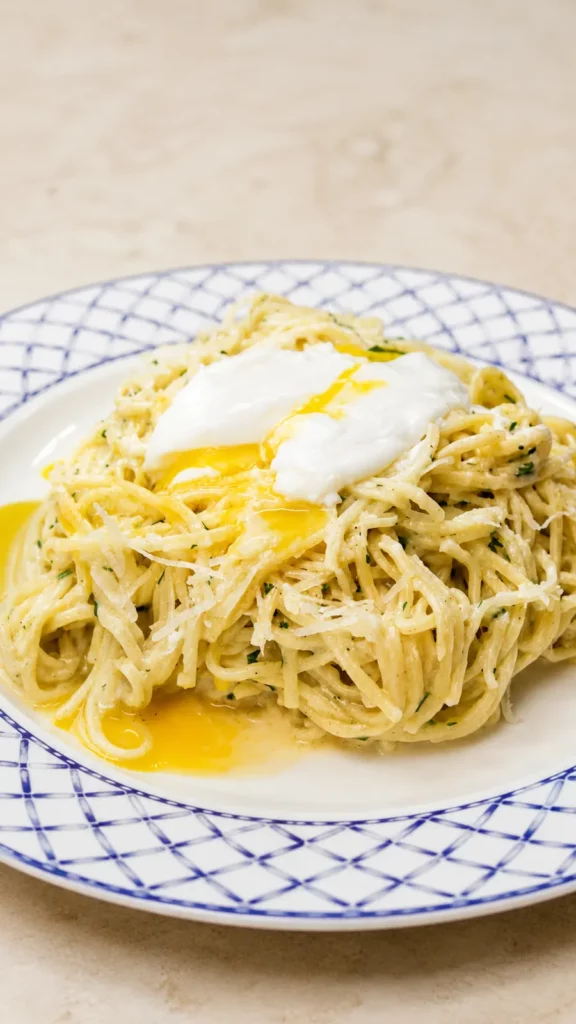
Homemade garlic butter pasta is a quick spaghetti dish made by melting garlic herb butter into a glossy sauce with pasta water, black pepper, and parmesan. What makes this version different is that the garlic butter starts with homemade butter, made from whipping cream, so the sauce has a rich dairy flavor without turning into a heavy cream sauce.
This recipe is based on my YouTube video, with a few adjustments since publication to make the proportions clearer for home kitchens. I make it this way because homemade garlic butter gives the pasta a deeper, fresher flavor than simply tossing noodles with oil and garlic. The mistake to avoid is adding too much butter or cooking the garlic too hard. What I look for here is a shiny coating on the spaghetti, not a puddle of melted fat at the bottom of the pan.
This is not the same as aglio e olio, which is based on olive oil, garlic, and pasta water. It is also lighter and more direct than a creamy pasta like creamy lemon garlic chicken or creamy mushroom pasta. Here, the flavor comes from butter, garlic, parsley, parmesan, and the starch from the pasta water. Simple, but it needs the right balance.
What Makes This Garlic Butter Pasta Work
The sauce works because of three things: garlic butter, starchy pasta water, and finely grated parmesan.
Butter alone will melt and coat the noodles, but it can feel greasy if there is no water to help it emulsify. Pasta water brings starch into the pan, and that starch helps the butter turn into a light sauce. Parmesan adds salt, body, and a little sharpness.
I prefer to finish the spaghetti directly in the pan because the sauce clings better that way. When the pasta is almost cooked, it still has enough structure to absorb flavor without getting mushy. You know it is going well when the noodles look glossy and move together in the pan, almost like they are lightly lacquered.
This recipe also gives you a full batch of homemade garlic butter, not just enough for one dinner. One litre of cream makes roughly 1 1/2 to 2 cups of butter once separated and drained. For the pasta, you only need a few tablespoons. The rest can go in the fridge or freezer for steak, shrimp, potatoes, bread, or vegetables. It is especially good with garlic butter shrimp or spooned over steak with maître d’hôtel butter.
Ingredients
For the homemade garlic butter
1 quart 35% whipping cream or heavy cream
1/2 teaspoon fine salt
4 to 6 garlic cloves, finely minced
1/3 to 1/2 cup fresh parsley, finely chopped

For the pasta
14 ounces spaghetti
5 quarts water
3 tablespoons kosher salt, for the pasta water
4 to 5 tablespoons homemade garlic butter
1/3 to 1/2 cup reserved pasta water, added gradually
1/2 to 3/4 cup finely grated parmesan
Black pepper, to taste
Extra parsley, for serving
Step-by-Step Instructions
1. Make the butter from cream
Pour the whipping cream into the bowl of a stand mixer. Add the salt. Start mixing with the whisk attachment on medium speed.
At first, the cream will look like whipped cream. Keep going. After several more minutes, it will start to look grainy. Then it will separate into yellow butter solids and a thin liquid, which is buttermilk.


At this point, it should look slightly broken and messy. That is exactly what you want. The butter will clump around the whisk and the liquid will splash a little in the bowl.
The total time is usually 10 to 15 minutes, depending on the cream and the mixer.
2. Drain and wash the butter
Place a fine strainer over a bowl and pour in the mixture. Save the buttermilk if you want to use it later for pancakes, biscuits, fried chicken, or baking.

Press the butter with a spatula to remove as much liquid as possible. For better storage, rinse or knead the butter in very cold water, changing the water until it runs mostly clear. This step matters because leftover buttermilk can make homemade butter spoil faster.
Press again until the butter feels firm and no longer weeps much liquid.
3. Add garlic and parsley
Finely mince the garlic. Do not leave big chunks because raw garlic in butter can taste harsh if one piece lands directly on the tongue.
Chop the parsley finely. Add the garlic and parsley to the drained butter and mix until evenly combined.

You can do this in the mixer for a few seconds, or by hand with a spatula. I prefer a quick mix, not a long beating, because the butter already has the texture we need.

Taste a tiny bit. It should be salty enough to season the butter, but not as salty as the final pasta. The parmesan and pasta water will add more salt later.

4. Cook the spaghetti
Bring the water to a strong boil. Add the salt, then add the spaghetti.
Cook the pasta about 1 minute less than the package instructions. The pasta should still have a little bite because it will finish in the pan.
Before draining, scoop out at least 1 cup of pasta water. You may not need all of it, but it is better to have extra.
If you like pasta recipes with a similar finishing technique, the same pasta-water logic is used in dishes like easy cacio e pepe and lemon pasta. The sauce is not built with cream. It is built by movement, starch, fat, and heat.
5. Melt the garlic butter gently
Place a large skillet over medium-low heat. Add 4 to 5 tablespoons of garlic butter.
Let it melt slowly. The garlic should smell warm and fragrant, not toasted or bitter. If the butter is sizzling hard, lower the heat.
The mistake to avoid is browning the garlic too much before the pasta goes in. Golden butter can be nice in other recipes, but burnt garlic will take over the whole plate.


Add 1/3 cup of pasta water and swirl the pan. The butter and water will look separated at first, then start to come together.
6. Toss the pasta in the sauce
Add the drained spaghetti directly to the skillet. Toss and turn the pasta until it is well coated.
Add black pepper. Add a little more pasta water if the pan looks dry. The sauce should slide over the noodles, not sit in a greasy layer.

Sprinkle in the parmesan gradually, tossing as you go. Do not dump all the cheese in at once or it can clump. Lower the heat if needed.
You know it is ready when the spaghetti looks shiny, the parmesan has melted into the sauce, and there is just enough coating to cling to the noodles. If the pasta starts sticking, add another splash of water. If it looks watery, keep tossing for 20 to 30 seconds.
7. Serve right away
Twirl the pasta into warm bowls. Add a little more parmesan, black pepper, and parsley.
This is best eaten immediately. Butter-based pasta loses its shine as it sits, so do not wait too long before serving.

For a fuller meal, serve it beside oven-baked salmon or crispy chicken tenders. For something more casual, add homemade garlic bread and a simple salad.

Substitutions
Store-bought butter
You can skip the homemade butter and use unsalted butter. For one batch of pasta, mix:
5 tablespoons softened butter
1 to 2 garlic cloves, finely minced
2 tablespoons chopped parsley
Pinch of salt
This makes the recipe much faster. It will still be good, just less “from scratch” than the video version.
Salted butter
Salted butter works, but reduce the salt in the garlic butter and taste before adding more parmesan. Some salted butters are mild, others are very salty.
Parmesan alternatives
Pecorino Romano gives a sharper, saltier result. Use a little less. Grana Padano is softer and milder. Pre-grated parmesan is not ideal because it does not melt as smoothly.
Pasta shapes
Spaghetti is the best choice because it catches the glossy butter sauce well. Linguine also works. Short pasta is okay, but the dish feels less elegant and the sauce may settle more in the bowl.
Herbs
Parsley is classic with garlic butter. Chives, basil, or a little thyme can work, but keep the amount modest so the garlic stays in front.
Health and Nutrition Context
This is a rich comfort-food pasta, not a light salad bowl. The good news is that it does not need cream in the final sauce, and the garlic butter is used in a controlled amount. The heavier part is the butter and parmesan, so portion size matters.

For a balanced plate, I like serving it with fish, chicken, or a vegetable side. Roasted mixed vegetables work well because they bring sweetness and color without fighting the garlic.
How This Recipe Is Different From Similar Recipes
This garlic butter spaghetti is built around homemade compound butter. It is buttery and aromatic, but not creamy.
For a classic olive oil pasta, make aglio e olio.
For a cheese and pepper pasta, make cacio e pepe.
For a richer cream-based dish, try creamy mozzarella parmesan pasta.
For a tomato-based pasta, easy creamy tomato pasta is a better match.
For a full pasta collection, browse homemade pasta recipes.
That separation matters. This recipe should rank and read as a garlic butter pasta, not as another creamy pasta or olive oil pasta.
FAQ
Can I make the garlic butter ahead of time?
Yes. Keep it in an airtight container in the fridge for up to 1 week for best quality, or freeze it for 3 to 6 months. If you washed and drained the homemade butter well, it keeps better.
Can I use the entire batch of garlic butter for one pasta recipe?
No. One quart of cream makes much more butter than you need for 14 ounces of spaghetti. Use only 4 to 5 tablespoons for the pasta and save the rest.
Why did my sauce look greasy?
Usually, there was not enough pasta water, the heat was too high, or the butter was not tossed long enough with the spaghetti. Add pasta water gradually and keep the pasta moving.
Why did my garlic taste bitter?
The garlic probably cooked too hard before the pasta was added. Melt the butter gently and avoid browning the garlic.
Can I add cream?
You can, but then it becomes a different dish. This recipe is meant to be glossy and buttery, not creamy. For a creamier pasta, creamy mushroom pasta is a better direction.
Can I make it without parmesan?
Yes, but the sauce will be thinner and less savory. Add a little extra salt and finish with parsley and black pepper.
What to Serve With Garlic Butter Pasta
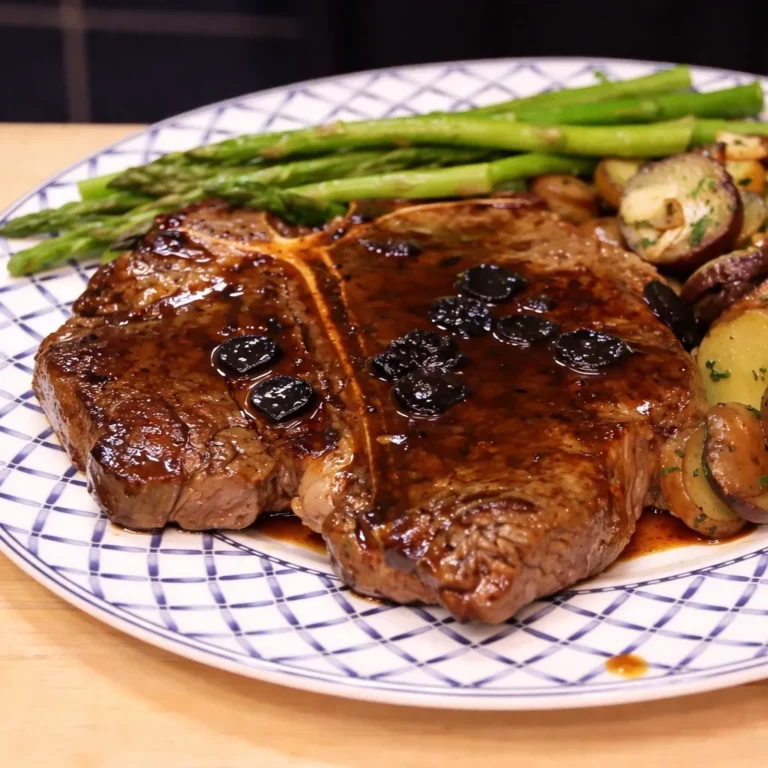
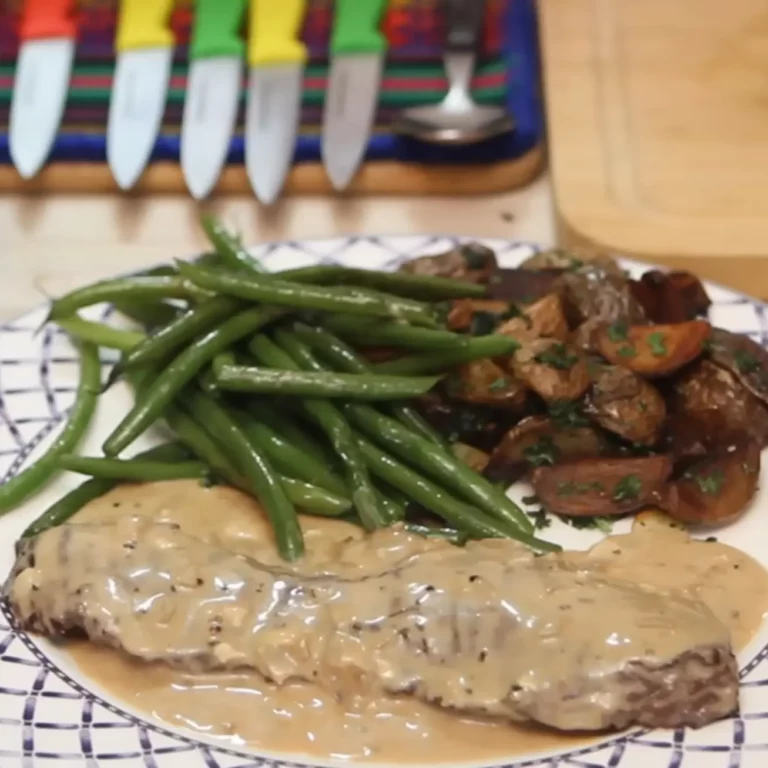
For a simple dinner, serve this pasta with lemon butter baked cod or pan-seared salmon. If you want a bistro-style meal, add steak with shallot sauce and keep the pasta portions smaller.
For sides, air fryer garlic bread makes sense if you want something generous, while roasted vegetables keep the plate a little fresher.

For more pasta ideas, try weeknight pasta dinners or 30-minute pasta dinners.

Homemade Garlic Butter Pasta with Parmesan
Ingredients
- For the homemade garlic butter
- 1 quart 35% whipping cream or heavy cream
- 1/2 teaspoon fine salt
- 4 to 6 garlic cloves finely minced
- 1/3 to 1/2 cup fresh parsley finely chopped
- For the pasta
- 14 ounces spaghetti
- 5 quarts water
- 3 tablespoons kosher salt for the pasta water
- 4 to 5 tablespoons homemade garlic butter
- 1/3 to 1/2 cup reserved pasta water added gradually
- 1/2 to 3/4 cup finely grated parmesan
- Black pepper to taste
- Extra parsley for serving
Instructions
- Pour the cream into the bowl of a stand mixer. Add the salt and whisk on medium speed until the cream turns into whipped cream, then separates into butter solids and buttermilk, about 10 to 15 minutes.
- Strain the butter from the buttermilk. Press well with a spatula. For better storage, rinse or knead the butter in very cold water until the water runs mostly clear, then press out the liquid again.
- Mix the butter with the minced garlic and chopped parsley. Reserve about 4 to 5 tablespoons for the pasta and refrigerate or freeze the rest.
- Bring 5 quarts of water to a boil. Add the kosher salt and cook the spaghetti about 1 minute less than the package instructions. Reserve at least 1 cup of pasta water before draining.
- In a large skillet over medium-low heat, melt 4 to 5 tablespoons garlic butter. Add 1/3 cup pasta water and swirl the pan.
- Add the spaghetti and toss well. Add black pepper, then sprinkle in the parmesan gradually while tossing. Add more pasta water as needed until the sauce looks glossy and coats the noodles.
Video
Notes
FAQ
Can I make the garlic butter ahead of time?
Yes. Keep it in an airtight container in the fridge for up to 1 week for best quality, or freeze it for 3 to 6 months. If you washed and drained the homemade butter well, it keeps better.Can I use the entire batch of garlic butter for one pasta recipe?
No. One quart of cream makes much more butter than you need for 14 ounces of spaghetti. Use only 4 to 5 tablespoons for the pasta and save the rest.Why did my sauce look greasy?
Usually, there was not enough pasta water, the heat was too high, or the butter was not tossed long enough with the spaghetti. Add pasta water gradually and keep the pasta moving.Why did my garlic taste bitter?
The garlic probably cooked too hard before the pasta was added. Melt the butter gently and avoid browning the garlic.Can I add cream?
You can, but then it becomes a different dish. This recipe is meant to be glossy and buttery, not creamy. For a creamier pasta, creamy mushroom pasta is a better direction.Can I make it without parmesan?
Yes, but the sauce will be thinner and less savory. Add a little extra salt and finish with parsley and black pepper.🔗 Useful Links
🛒 Michel Dumas Shop : Explore our kitchen essentials, including aprons and knives.
🌐 Linktree : Access all our important links in one place.
📱 YouTube | Instagram | Facebook | TikTok : Follow us for the latest recipes and culinary tips.