Gochujang Mayo (Better Than Sriracha Mayo): Creamy, Spicy, Sweet & Fast
Gochujang mayo is the kind of sauce that makes people stop mid-bite and ask what you put in it. It’s creamy like a classic mayo-based dip, but it has that unmistakable Korean flavor: deep chili warmth, a little sweetness, a gentle fermented tang, and just enough savory punch to make simple foods taste “finished.” If you’ve ever made spicy mayo and felt like it was missing something—gochujang is usually the missing piece.
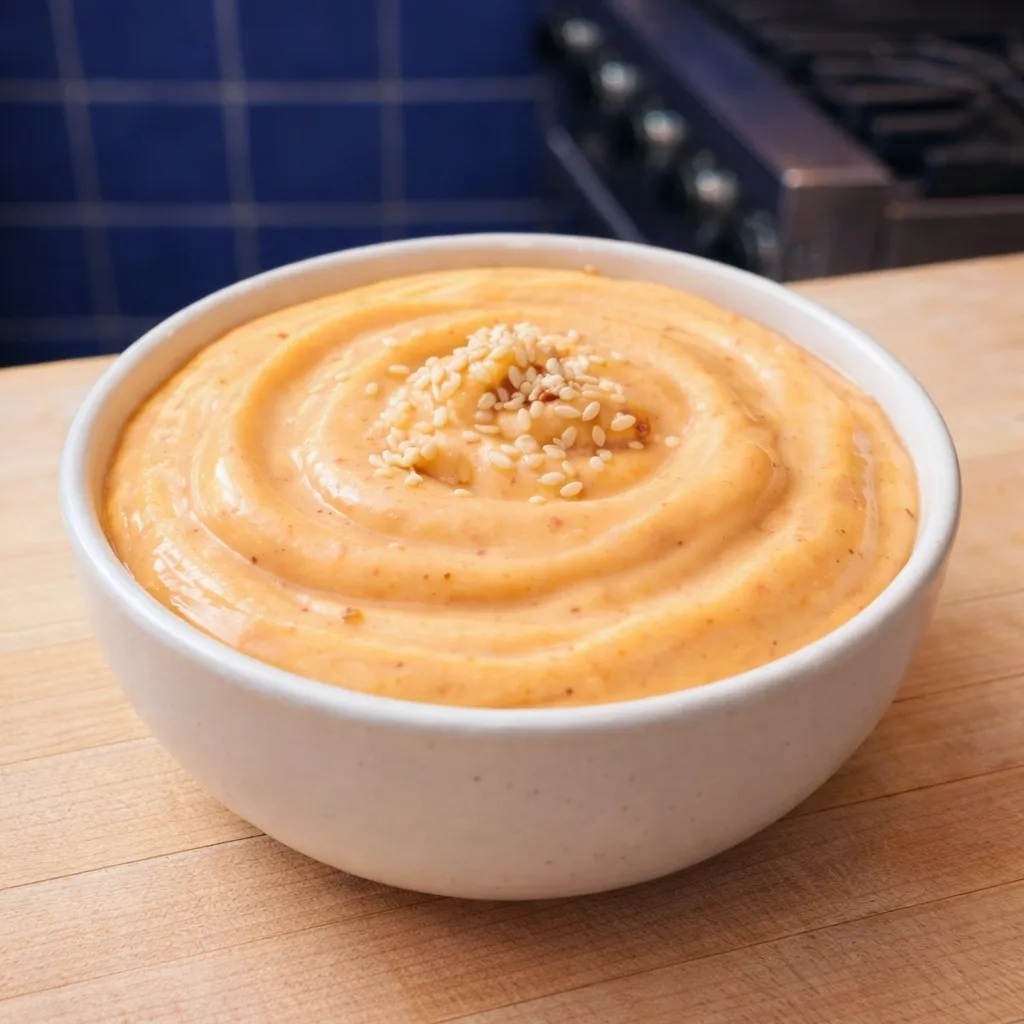
In Canada and the USA, gochujang is now easy to find in most grocery stores and Asian markets. But because brands vary a lot in heat, sweetness, and salt, the biggest mistake is going too heavy right away. Too much paste can make the sauce feel salty, thick, or overly intense, especially if you’re mixing it straight into mayo without balancing acidity and sweetness.
This recipe is built like the Cajun mayo: measured, controlled, and adjustable. It starts with a solid mayo base (homemade or store-bought), then adds gochujang in a tested ratio, a small amount of acid for brightness, and an optional touch of honey or maple syrup to round out the heat. A short rest time helps the flavors meld so it tastes restaurant-smooth instead of sharp.

If you want a homemade mayo base, start with my failproof homemade mayonnaise. And if you’re building a full Korean-style meal, pair this sauce with crispy chicken—especially my homemade Korean fried chicken—or serve it next to something crunchy like fries or fish.
What Gochujang Mayo Tastes Like (And How to Control It)
A great gochujang mayo should be:
- Creamy first
- then sweet-spicy
- with a light fermented tang
- and a clean finish that doesn’t feel overly salty
This version works because:
- the gochujang amount is balanced for common North American brands
- acidity is added in a bounded range so it stays bright, not sour
- sweetness is optional but recommended to create that “Korean street food” balance
- a short rest makes it taste more cohesive

Gochujang Mayo Ingredients (Imperial Only)
- 1/2 cup mayonnaise (homemade or store-bought)
- 1 1/2 tablespoons gochujang paste (start here; adjust after resting)
- 2 teaspoons rice vinegar (or 1 1/2 teaspoons lemon juice)
- 1 teaspoon soy sauce (optional, but adds depth)
- 1 teaspoon honey or maple syrup (recommended for balance)
- 1 teaspoon toasted sesame oil (optional, for aroma)
- 1 small garlic clove, finely grated (or 1/4 teaspoon garlic powder), optional
Optional add-ins (choose one):
- 1 teaspoon lime juice for extra brightness
- 1–2 teaspoons water to thin (if you want a drizzle sauce)
- 1/2 teaspoon gochugaru (Korean chili flakes) for more heat without extra salt

How to Make Gochujang Mayo (Smooth, Balanced, Restaurant-Style)
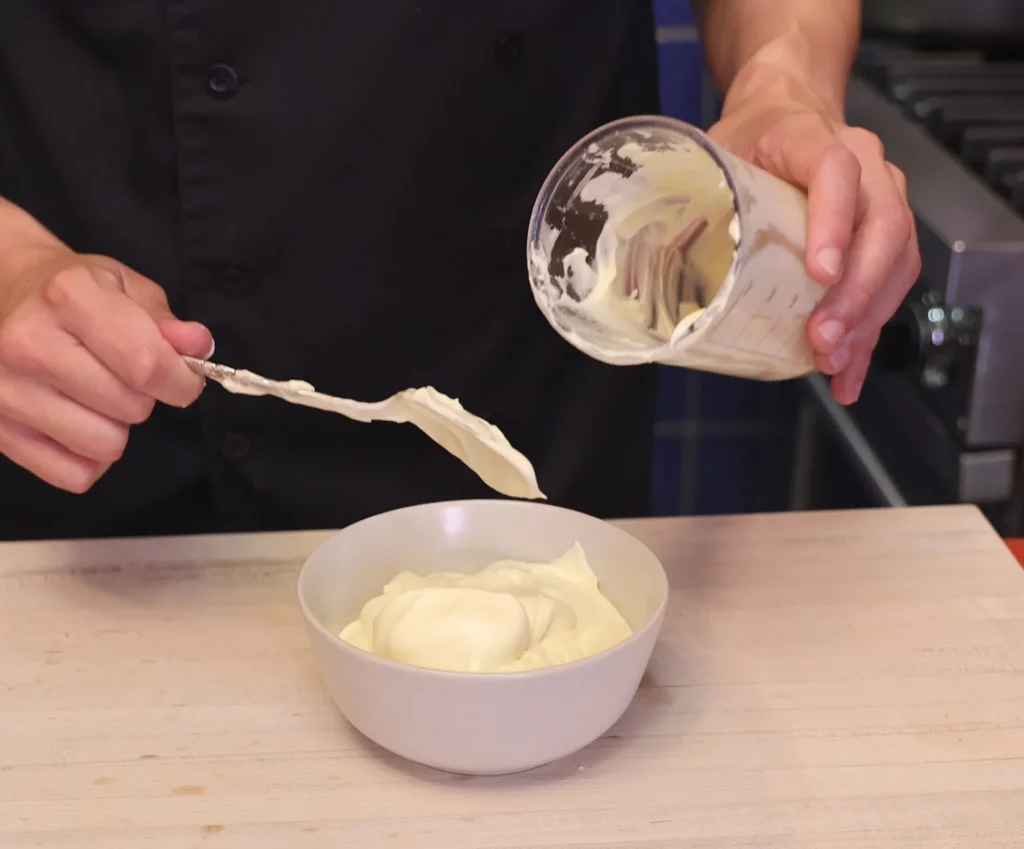
- Start with the base. Add mayonnaise to a bowl and whisk briefly to loosen.
- Mix in gochujang. Add gochujang and whisk until completely smooth. Take your time—gochujang is thick and needs a good mix to avoid streaks.
- Add acid. Stir in rice vinegar (or lemon juice). This brightens the sauce so it doesn’t taste heavy.
- Balance with sweetness. Add honey or maple syrup. This is the key move that makes gochujang taste rounded and “finished.”
- Optional depth. Add soy sauce for savory depth and sesame oil for aroma.
- Optional garlic. Add a small grated clove (or garlic powder) if you want it more punchy.
- Rest. Let it sit for 10 minutes so the flavors blend.
- Taste and adjust.
- Want more heat? Add 1/2 teaspoon gochujang at a time.
- Want more tang? Add 1/2 teaspoon vinegar at a time.
- Too thick? Add 1–2 teaspoons water to loosen.
- Too salty? Add 1–2 tablespoons mayo and a tiny drizzle of honey.
Texture + Consistency (Dip vs Drizzle)
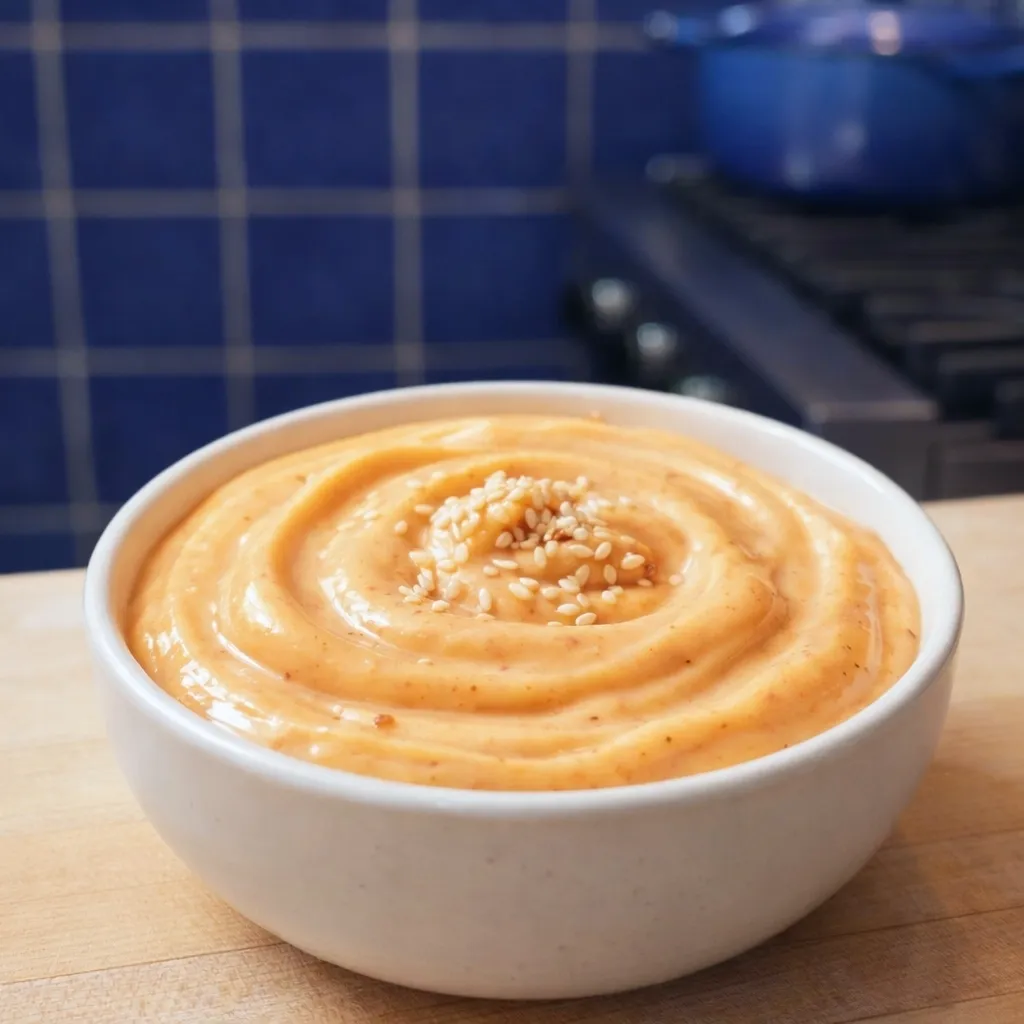
Gochujang mayo can be a dip, burger spread, or drizzle sauce depending on thickness.
- For dipping fries or chicken: keep it thick (no extra water).
- For sushi bowls or salads: thin with 1–2 teaspoons water.
- For sandwiches: thick is best so it doesn’t slide out.
Heat Level Guide (Because Brands Vary)
For 1/2 cup mayo:
- Mild: 1 tablespoon gochujang
- Medium (recommended): 1 1/2 tablespoons
- Hot: 2 tablespoons
If your gochujang is very salty, don’t increase the paste too much—boost heat with gochugaru or a tiny pinch of cayenne instead.

Substitutions
Mayonnaise:
- Use store-bought for speed, or make your own with my homemade mayonnaise recipe.
Rice vinegar:
- Swap for apple cider vinegar (start with less) or lemon/lime juice.
Soy sauce:
- Optional. If using, keep it small because it adds salt quickly. You can substitute tamari or coconut aminos.
Sesame oil:
- Optional but recommended for that Korean aroma. If you don’t have it, skip it.
Garlic:
- Fresh grated garlic is best; garlic powder is a good shortcut.
Storage
Store in an airtight container in the fridge:
- Best flavor and texture in 3–4 days
- Still good up to 5–7 days depending on the mayo base used
FAQ
Is gochujang mayo the same as sriracha mayo?
No. Sriracha is sharper and more vinegar-forward. Gochujang is deeper, slightly sweet, and fermented, so the sauce tastes more complex.
Can I make it without soy sauce?
Yes. Soy sauce adds depth but also salt. If your gochujang is already salty, skip soy sauce entirely.
Why does my gochujang mayo taste too salty?
Brand variation + added soy sauce are the usual causes. Fix by adding more mayo and a small amount of honey to rebalance.
Can I use this for sushi or poke bowls?
Yes. Thin with 1–2 teaspoons water so it drizzles cleanly.
Do I need to rest the sauce?
It’s optional but recommended. Ten minutes makes the sauce taste smoother and more cohesive.
What pairs best with gochujang mayo?
Crispy chicken, fries, burgers, roasted vegetables, rice bowls, and shrimp.
What to Serve With Gochujang Mayo (Suggested Posts)
- Homemade Korean fried chicken
- Crispy homemade chicken tenders
- Spicy fried chicken tenders
- Ultra-crispy beer battered fish and chips
- Homemade Big Mac sauce
- Homemade ranch dressing
- Creamy mozzarella parmesan pasta
- Fusilli pasta salad with sun-dried tomatoes
- Farfalle pasta salad
- Eggplant Parmigiana
Gochujang Mayo (Better Than Sriracha Mayo): Creamy, Spicy, Sweet & Fast
Ingredients
- 1/2 cup mayonnaise
- 1 1/2 tablespoons gochujang
- 2 teaspoons rice vinegar or 1 1/2 teaspoons lemon juice
- 1 teaspoon honey or maple syrup
- 1 teaspoon soy sauce optional
- 1 teaspoon toasted sesame oil optional
- 1 small garlic clove grated (optional)
Instructions
- Whisk mayonnaise and gochujang until smooth.
- Stir in vinegar (or lemon juice) and honey/maple syrup.
- Optional: add soy sauce, sesame oil, and garlic.
- Rest 10 minutes. Taste and adjust (more gochujang for heat, more vinegar for tang, a splash of water to thin).
Video
Notes
FAQ
Is gochujang mayo the same as sriracha mayo?
No. Sriracha is sharper and more vinegar-forward. Gochujang is deeper, slightly sweet, and fermented, so the sauce tastes more complex.Can I make it without soy sauce?
Yes. Soy sauce adds depth but also salt. If your gochujang is already salty, skip soy sauce entirely.Why does my gochujang mayo taste too salty?
Brand variation + added soy sauce are the usual causes. Fix by adding more mayo and a small amount of honey to rebalance.Can I use this for sushi or poke bowls?
Yes. Thin with 1–2 teaspoons water so it drizzles cleanly.Do I need to rest the sauce?
It’s optional but recommended. Ten minutes makes the sauce taste smoother and more cohesive.What pairs best with gochujang mayo?
Crispy chicken, fries, burgers, roasted vegetables, rice bowls, and shrimp.Useful Links
🛒 Michel Dumas Shop : Explore our kitchen essentials, including aprons and knives.
🌐 Linktree : Access all our important links in one place.
📱 YouTube | Instagram | Facebook | TikTok : Follow us for the latest recipes and culinary tips.