Easy Frog Legs Provençale with Garlic, Parsley and Lemon
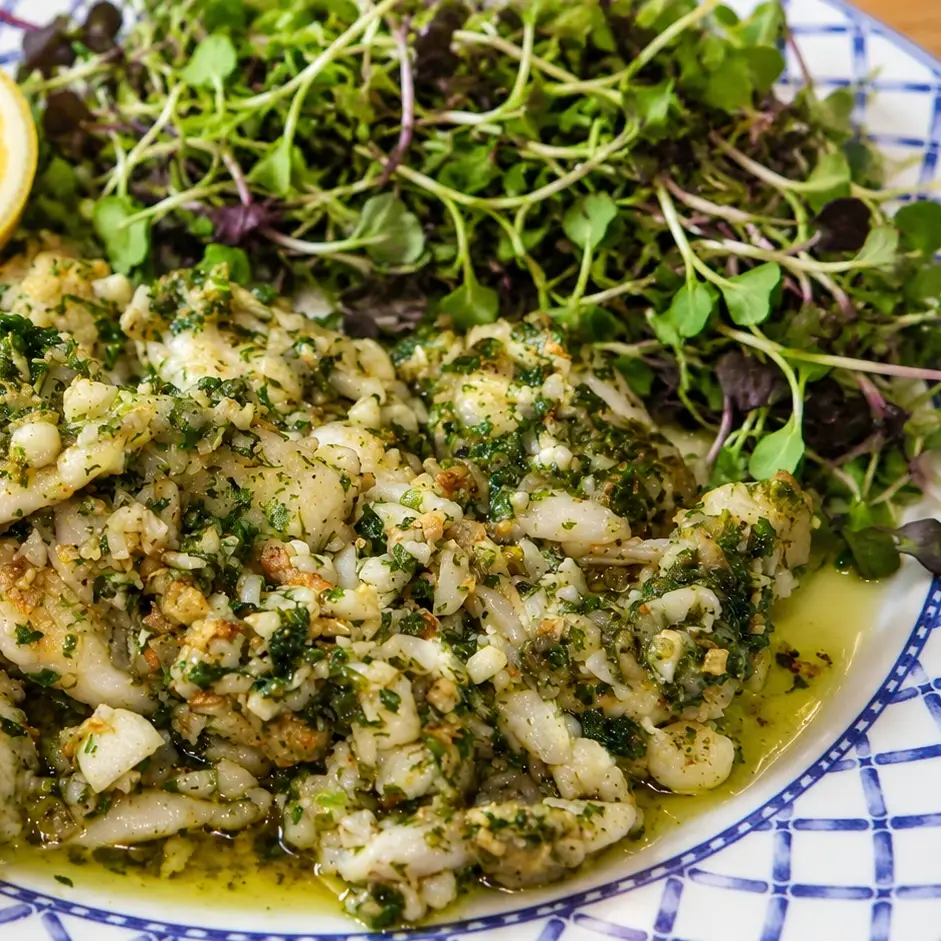
Frog legs Provençale are tender frog legs quickly pan-fried with a light flour coating, then finished with butter, garlic, parsley and lemon. The style is simple, fast and very French: delicate meat, a little crispness from the pan, and a bright persillade that makes the whole plate smell incredible.
This recipe is based on my YouTube video, with a few adjustments since publication to make it easier to reproduce at home. I make it this way because frog legs are delicate: they need a hot pan, a short cooking time, and the garlic added near the end so it perfumes the butter without burning.
What Makes This Recipe Different
This is not a deep-fried frog legs recipe, and it is not a heavy cream sauce recipe. It is closer to a bistro-style sauté: the frog legs are lightly coated in seasoned flour, cooked quickly in hot oil, then finished with butter, garlic, parsley and lemon.

It is also different from seafood recipes like crispy fried calamari or beer-battered fish and chips because the goal here is not a thick crunchy batter. Frog legs have a very fine texture, so I prefer a thin flour coating that protects the meat without covering the flavour.
This is a good recipe for a weekend appetizer, a French-style dinner, a special holiday starter, or any time of year when you want something quick but a little more refined than the usual chicken or seafood dish.
Ingredients You’ll Need
You only need a few ingredients, but the technique matters.
Use about 1 1/3 lb of frog legs for 2 generous portions or 4 appetizer portions. A short milk soak helps soften the flavour and gives the flour something to cling to, but the frog legs must be drained and dried well before cooking.
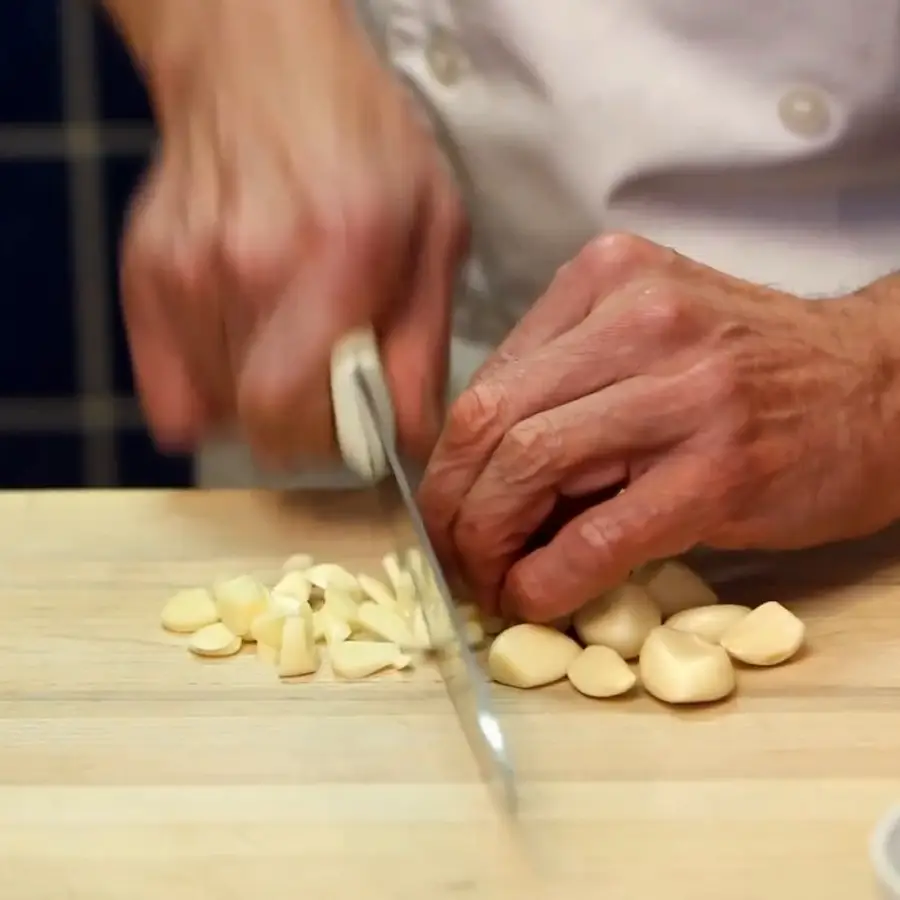
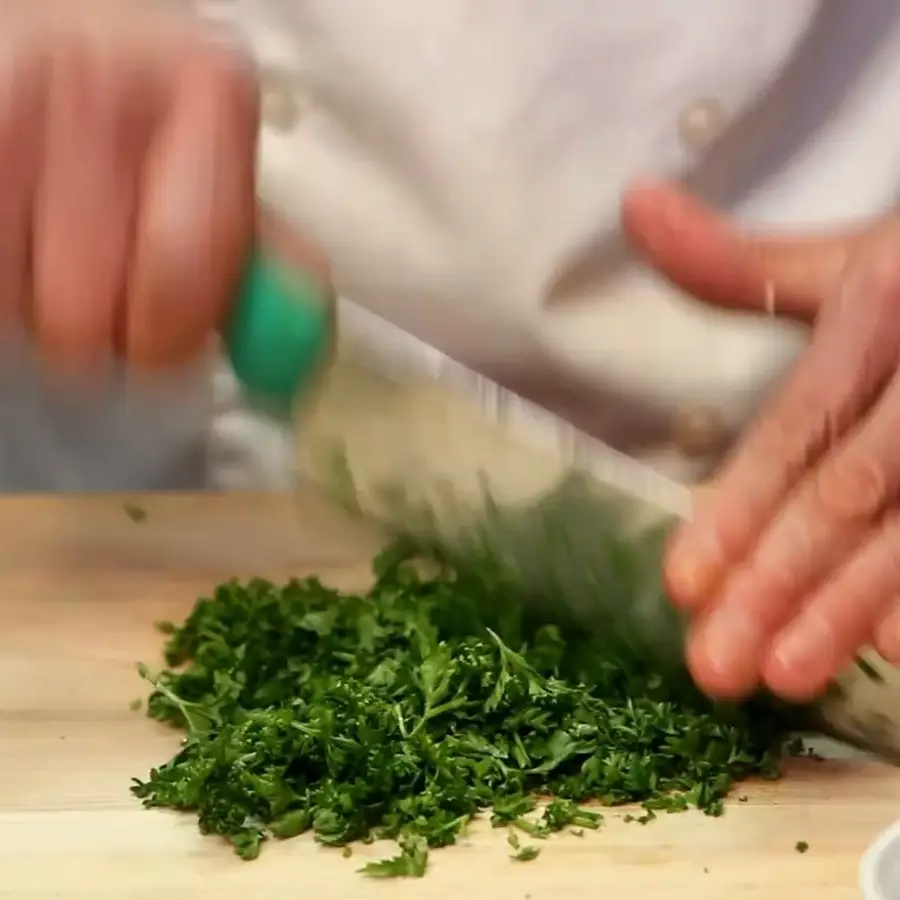
The persillade is the classic combination of garlic and parsley. I prefer to chop both by hand because the texture stays clean and fresh. If the garlic is crushed into a paste, it can burn faster in the hot butter.
For another recipe built around garlic, butter and lemon, the same flavour family works beautifully in garlic butter shrimp, but the cooking method is different because shrimp cook even faster and do not need flour.
Step-by-Step Instructions
1. Prepare the garlic and parsley
Peel 3 garlic cloves and chop them finely. Do not add the garlic to the pan yet. Garlic burns quickly, especially in a hot skillet, so it stays reserved until the end of the cooking.
Wash and dry a small bunch of parsley, then chop it finely. You want enough parsley to coat the frog legs with freshness, but not so much that it becomes grassy. About 1/3 cup chopped parsley is perfect.
2. Soak the frog legs briefly
Place the frog legs in a bowl and cover them with 1 cup of milk. Let them sit for 10 to 15 minutes.
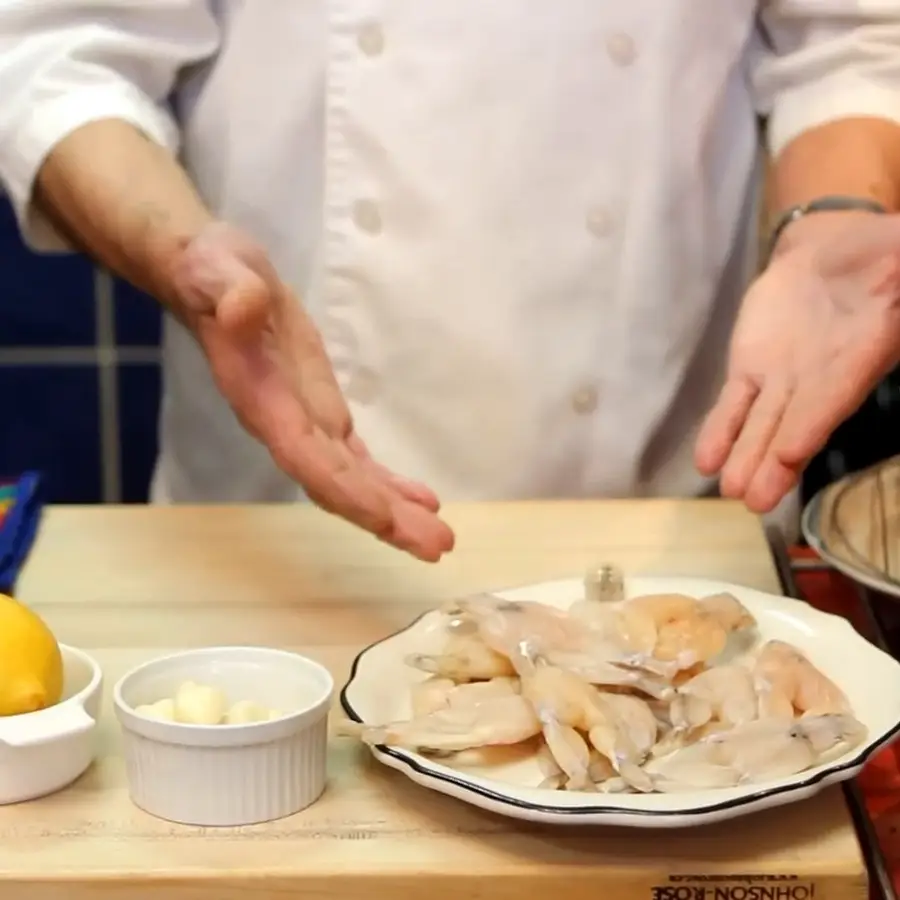
This is not a long marinade. I prefer a short soak because frog legs are delicate and can become watery if left too long. The milk softens the flavour and helps prepare the surface for the flour.
Drain the frog legs well, then pat them very dry with paper towels. This step is important. If the frog legs are too wet, the flour becomes pasty and the legs will steam instead of browning.
3. Season the flour
In a shallow dish, mix 3/4 cup all-purpose flour with 1 teaspoon fine salt and 1/4 teaspoon black pepper.
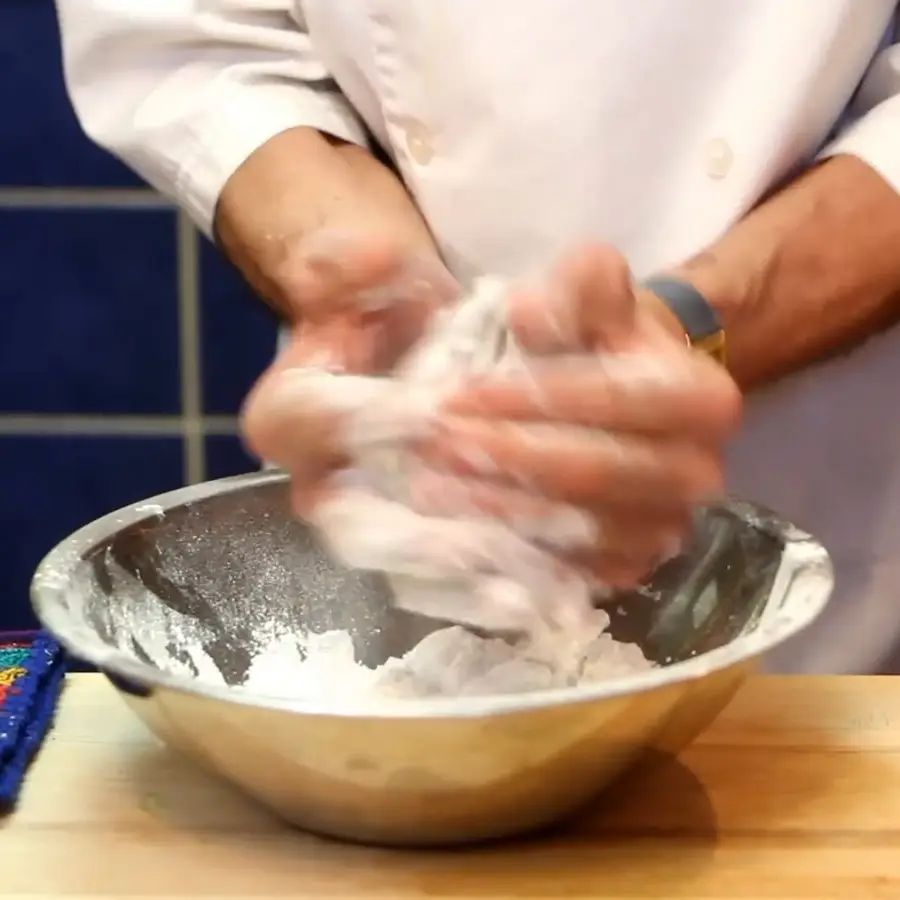
Seasoning the flour is better than only seasoning at the end. Frog legs have a mild flavour, so the coating needs to taste good on its own. This also gives a more even result.
Coat the frog legs lightly in the seasoned flour. Shake off the excess. You do not want a thick crust. A thin layer is enough to help the outside brown and keep the inside tender.
4. Heat the pan properly
Place a large skillet over medium-high to high heat. Add 3 to 4 tablespoons of neutral oil. The oil should be hot and shimmering before the frog legs go in.

Do not overcrowd the pan. If the skillet is too full, the frog legs release moisture and steam. Cook in batches if needed. A little space between each piece gives you better browning and a cleaner texture.
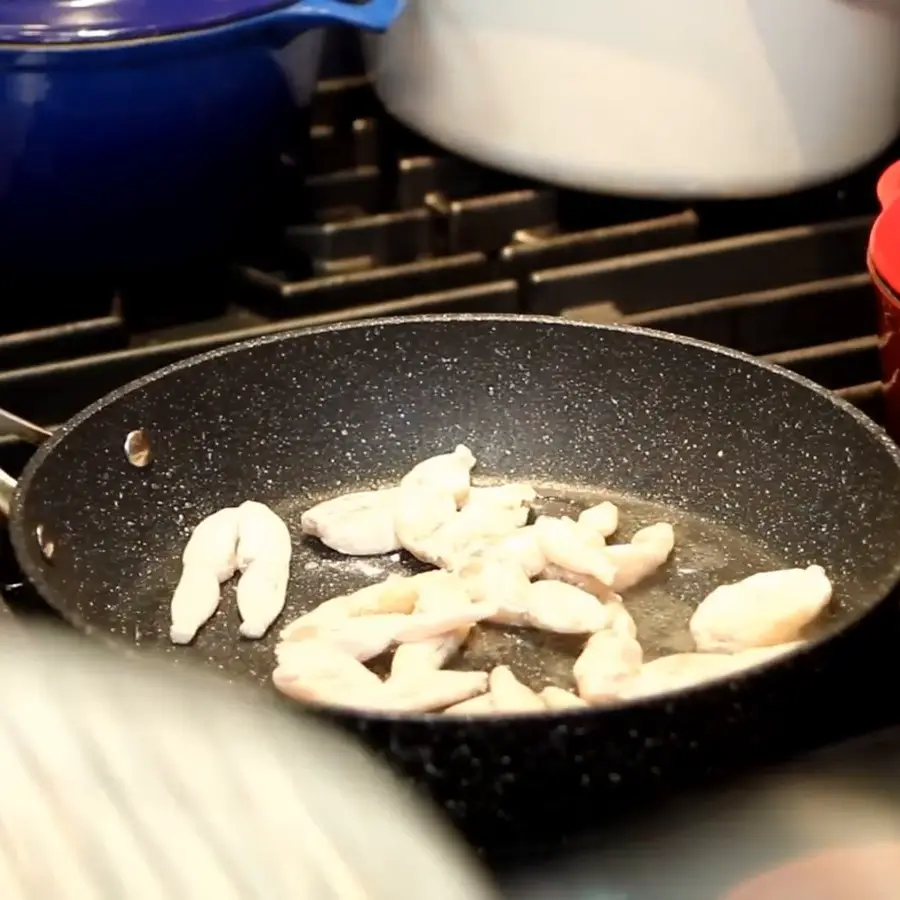
This is the same principle as cooking many delicate seafood recipes: high enough heat to colour quickly, but not so long that the flesh dries out. If you enjoy light, fast seafood cooking, Mediterranean octopus salad is another good example of how texture depends on timing.
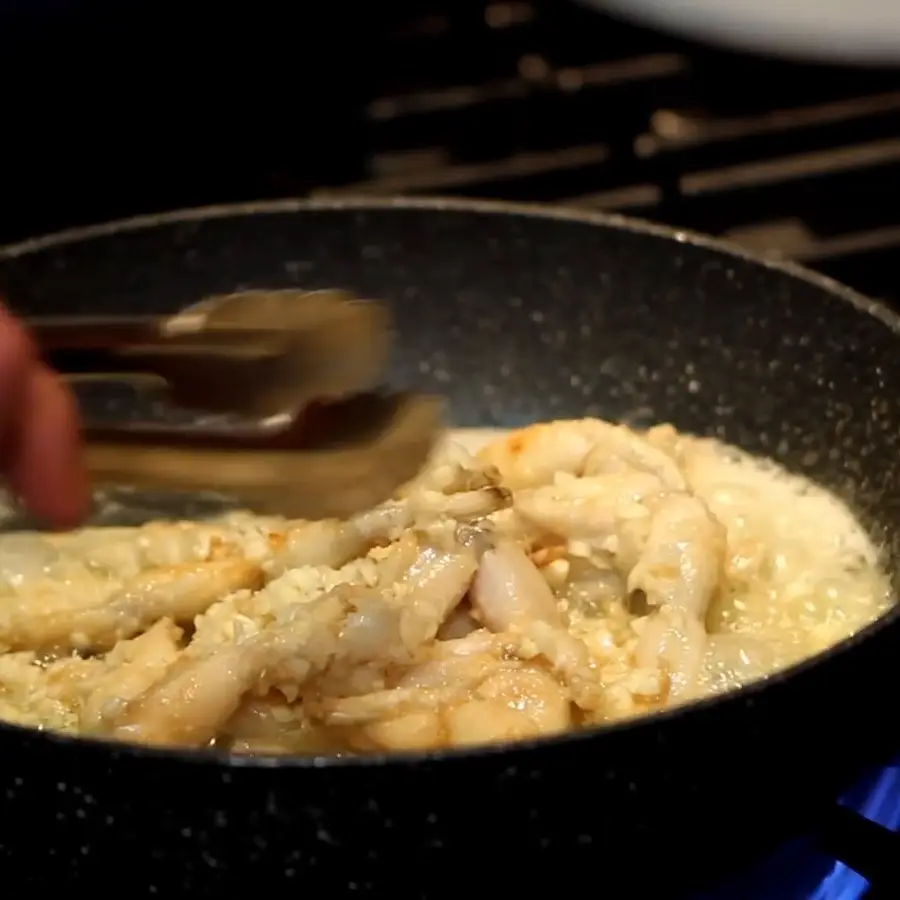
5. Cook the frog legs quickly
Add the floured frog legs to the hot pan. Cook for about 2 minutes on the first side, until lightly golden. Turn them gently and cook for about 2 minutes on the second side.
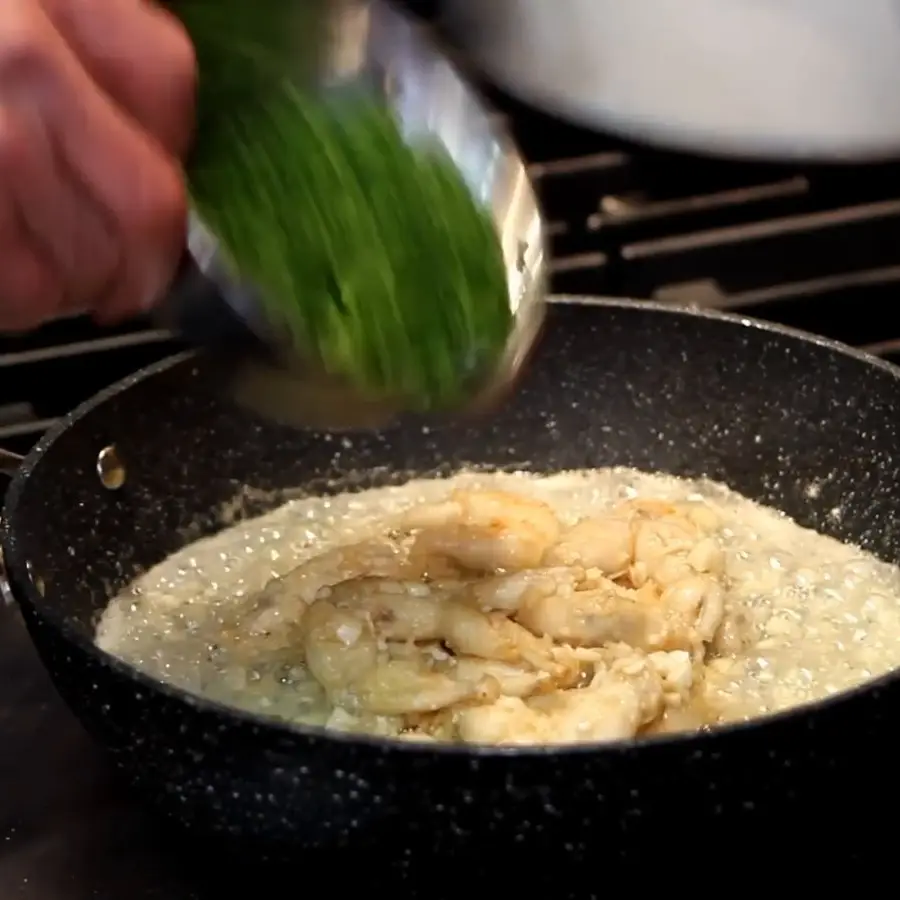
The meat should turn opaque and pull away from the bone easily. Frog legs do not need a long cooking time. If overcooked, they become dry and lose their delicate texture.
Once the frog legs are almost cooked, lower the heat slightly.
6. Finish with butter, garlic, parsley and lemon
Add 3 tablespoons of unsalted butter to the pan. Let it melt and foam around the frog legs.
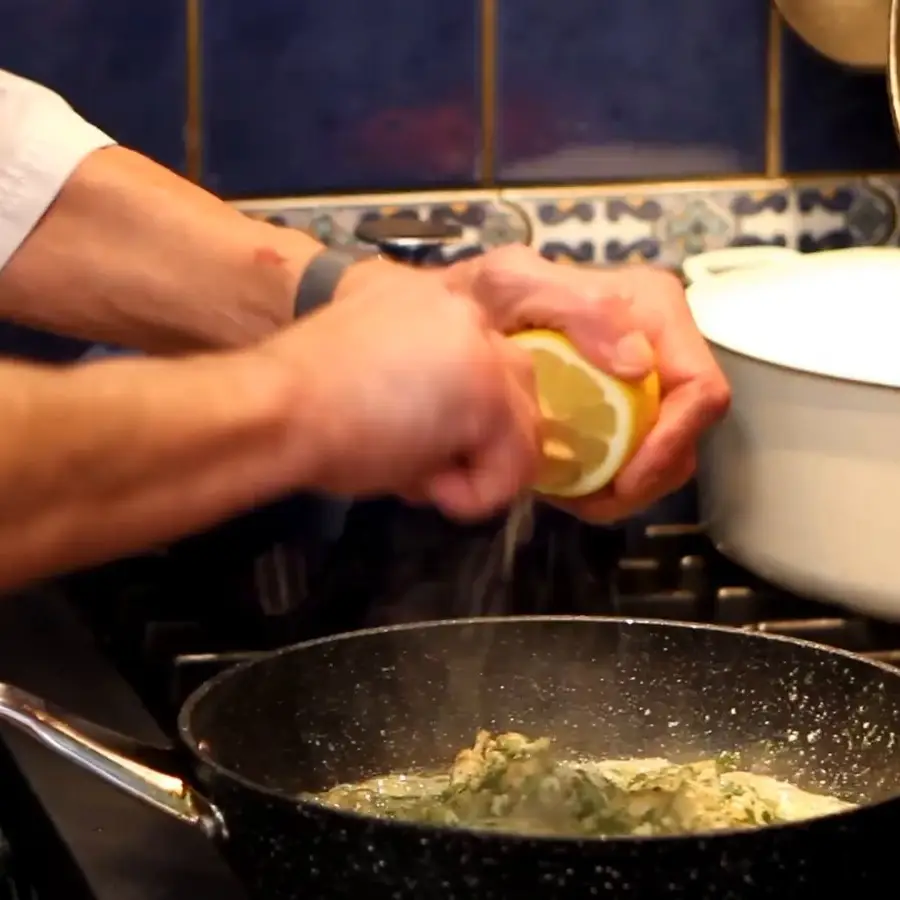
Add the chopped garlic and parsley. Toss gently for 30 to 60 seconds, just until the garlic smells good and the parsley coats the frog legs. Do not let the garlic turn dark.
Finish with 1 tablespoon of fresh lemon juice. I prefer adding the lemon at the end because it keeps the flavour bright and does not soften the coating too much.
Taste and adjust with a small pinch of salt or pepper if needed.
7. Serve immediately
Serve the frog legs right away, while they are hot, buttery and fragrant. Add lemon wedges on the side and a few young greens or radish sprouts if you want a simple garnish.
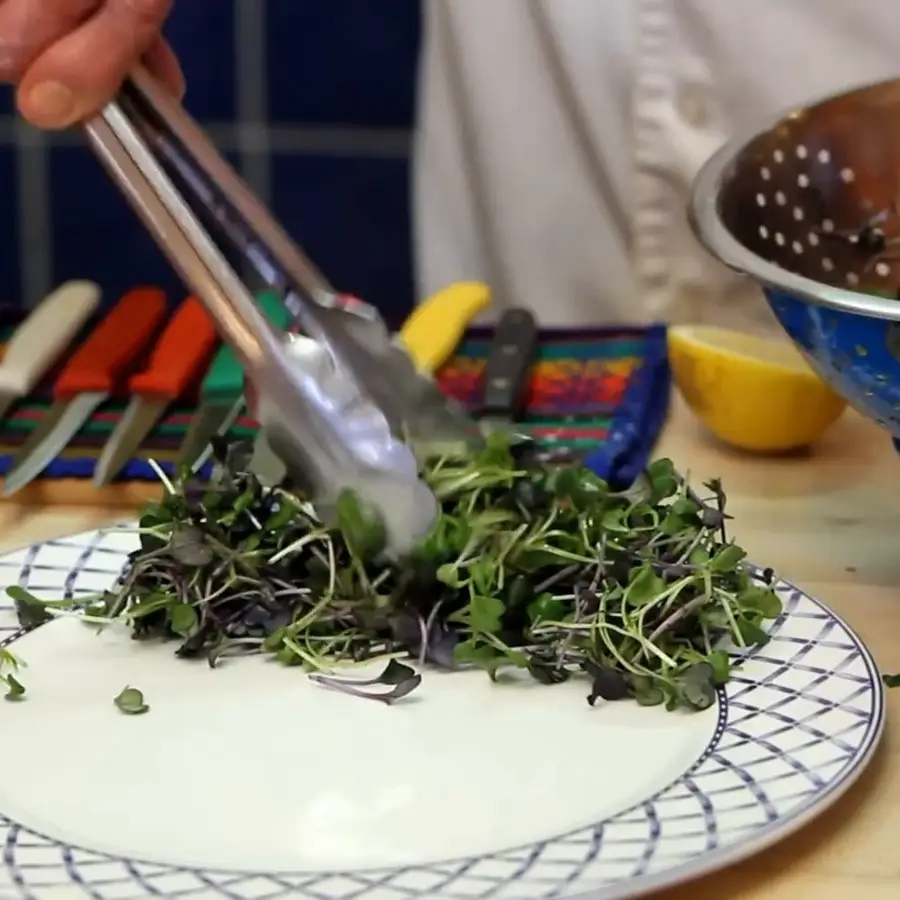
This is not a dish to make far in advance. Frog legs are best when they come straight from the pan to the plate.
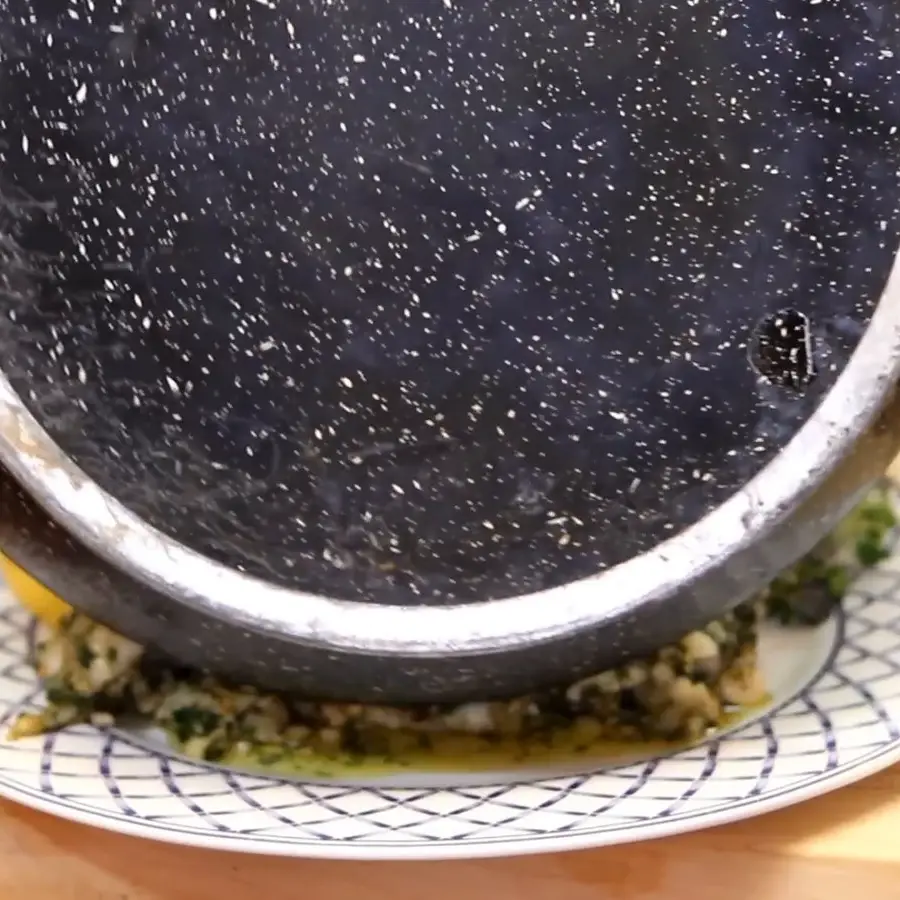
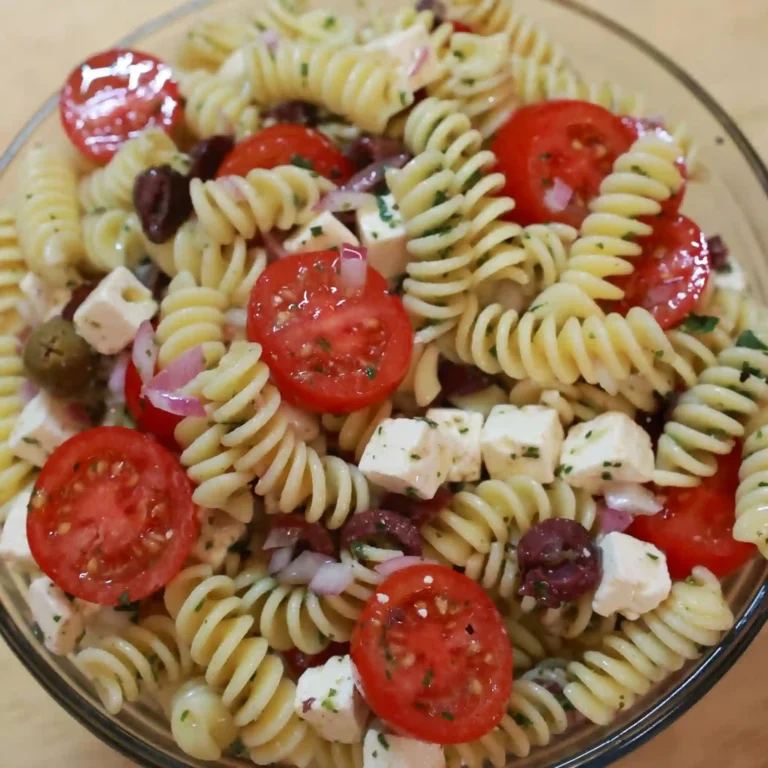
For a classic French-style plate, serve them with Parisian potatoes or a small Greek salad for something fresh and crisp.
Tips for the Best Frog Legs Provençale
The first key is dryness. After the milk soak, the frog legs must be patted dry before flouring. Moisture is the enemy of browning.
The second key is heat. The pan should be hot enough to brown the flour quickly. If the oil is not hot enough, the coating absorbs oil and becomes soft.
The third key is timing. Frog legs cook quickly. Once they are golden and the flesh is opaque, move on to the butter and persillade.
The fourth key is garlic control. Garlic should never go into the pan at the beginning. In this recipe, it is a finishing ingredient, not a base ingredient.
The final key is serving. Frog legs are small and delicate, so serve them immediately. They lose their charm if they sit too long.
Substitutions and Variations
If you do not have frog legs, this exact method can work with small pieces of chicken tenders, but the cooking time will be longer. The result will be a different dish, more like a quick garlic parsley chicken, not traditional frog legs.
If you want a slightly lighter finish, use less butter and add a little extra lemon juice at the end. Do not remove all the butter, though, because butter carries the garlic and parsley flavour.
If you want a crispier coating, replace a few tablespoons of flour with cornstarch. Keep the coating thin.
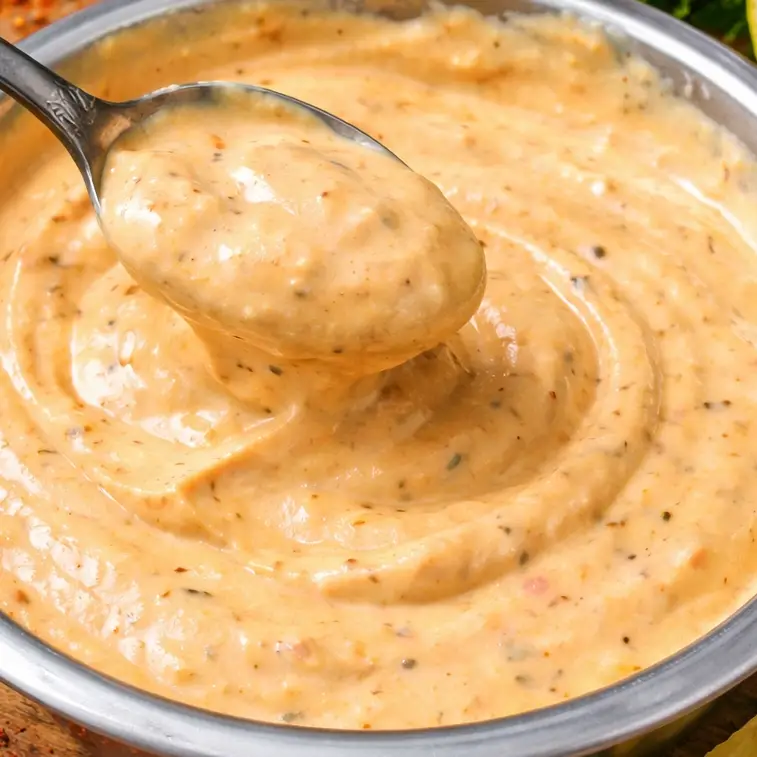
If you want a dipping sauce on the side, a small spoonful of homemade tartar sauce works well, especially if you are serving the frog legs as an appetizer. You can also start from homemade mayonnaise and add lemon, chopped herbs and a little garlic for a quick sauce.
If you want a full French bistro meal, serve this as a starter before classic coquilles Saint-Jacques or another seafood dish.
Nutrition Context
Frog legs are naturally lean and protein-rich, so the dish does not need a heavy sauce. The richness comes mostly from the butter used at the end, while the lemon and parsley keep the finish fresh.
This recipe can feel elegant without being heavy, especially if served with salad or vegetables. For a heartier plate, potatoes are the best match.
FAQ
Do frog legs taste like chicken?
They are often compared to chicken, but the texture is finer and more delicate. The flavour is mild, slightly sweet, and works very well with garlic, parsley, butter and lemon.
Do I have to soak frog legs in milk?
I recommend a short 10 to 15 minute soak. It helps soften the flavour and prepares the surface for flouring. Do not soak them for hours because they can become watery.
Can I use frozen frog legs?
Yes. Thaw them completely in the refrigerator, drain them well, then pat them very dry before soaking and flouring.
How do I know when frog legs are cooked?
The flesh should be opaque, tender, and pull away from the bone easily. The cooking is fast, usually about 4 to 5 minutes total.
Can I make this recipe ahead of time?
No, not really. You can chop the garlic and parsley ahead, but the frog legs should be cooked and served immediately.
Can I use olive oil instead of neutral oil?
You can use light olive oil, but I prefer neutral oil for the sear because it handles higher heat better. The butter added at the end gives the flavour.
What should I serve with frog legs?
For potatoes, crispy air fryer roasted potatoes are easy and fast, while traditional gratin dauphinois makes the meal richer and more classic.
What to Serve With Frog Legs Provençale
For an elegant French-style plate, serve these frog legs with classic Parisian potatoes. They are crisp, buttery and perfect with garlic parsley butter.
For a lighter dinner, add a fresh Greek salad on the side. The vegetables and acidity balance the butter nicely.
For a more comforting meal, traditional gratin dauphinois gives you a creamy potato side that feels very French.
For a seafood appetizer spread, serve these frog legs before crispy fried calamari or with homemade tartar sauce on the table.
For more sauce ideas, browse homemade sauces and condiments and choose something bright, creamy or lemony depending on the meal.
Frog Legs Provençale with Garlic, Parsley and Lemon
Ingredients
- 1 1/3 lb frog legs
- 1 cup milk
- 3/4 cup all-purpose flour
- 1 tsp fine salt
- 1/4 tsp black pepper
- 3 to 4 tbsp neutral oil
- 3 tbsp unsalted butter
- 3 garlic cloves finely chopped
- 1/3 cup fresh parsley finely chopped
- 1 tbsp fresh lemon juice
- Lemon wedges for serving
- Young greens or radish sprouts optional for garnish
Instructions
- Chop the garlic and parsley finely, then reserve separately.
- Place the frog legs in a bowl with the milk and soak for 10 to 15 minutes.
- Drain the frog legs and pat them very dry with paper towels.
- Mix the flour, salt and pepper in a shallow dish.
- Coat the frog legs lightly in the seasoned flour, then shake off the excess.
- Heat a large skillet over medium-high to high heat with the neutral oil.
- Add the frog legs without overcrowding the pan. Cook in batches if needed.
- Cook for about 2 minutes per side, until lightly golden and almost cooked through.
- Lower the heat slightly, then add the butter.
- Add the garlic and parsley. Toss gently for 30 to 60 seconds, just until fragrant.
- Finish with the lemon juice, then adjust seasoning if needed.
- Serve immediately with lemon wedges and optional young greens.
Video
Notes
FAQ
Do frog legs taste like chicken?
They are often compared to chicken, but the texture is finer and more delicate. The flavour is mild, slightly sweet, and works very well with garlic, parsley, butter and lemon.Do I have to soak frog legs in milk?
I recommend a short 10 to 15 minute soak. It helps soften the flavour and prepares the surface for flouring. Do not soak them for hours because they can become watery.Can I use frozen frog legs?
Yes. Thaw them completely in the refrigerator, drain them well, then pat them very dry before soaking and flouring.How do I know when frog legs are cooked?
The flesh should be opaque, tender, and pull away from the bone easily. The cooking is fast, usually about 4 to 5 minutes total.Can I make this recipe ahead of time?
No, not really. You can chop the garlic and parsley ahead, but the frog legs should be cooked and served immediately.Can I use olive oil instead of neutral oil?
You can use light olive oil, but I prefer neutral oil for the sear because it handles higher heat better. The butter added at the end gives the flavour.What should I serve with frog legs?
For potatoes, crispy air fryer roasted potatoes are easy and fast, while traditional gratin dauphinois makes the meal richer and more classic.🔗 Useful Links
🛒 Michel Dumas Shop : Explore our kitchen essentials, including aprons and knives.
🌐 Linktree : Access all our important links in one place.
📱 YouTube | Instagram | Facebook | TikTok : Follow us for the latest recipes and culinary tips.