Easy Raclette Patty Melt with Cognac-Style Sauce
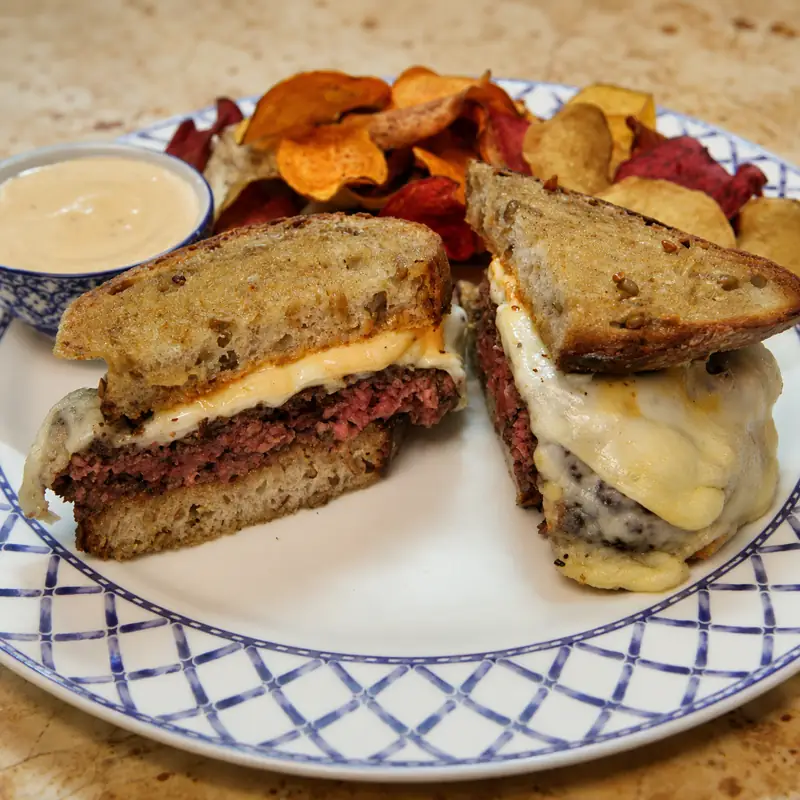
This raclette patty melt combines freshly ground beef, toasted country bread, melted cheese, and a creamy cognac-style sauce. It works because the patties are kept thin enough to brown properly without drying out, while the raclette melts directly over the hot meat. The mistake to avoid is pressing the patties repeatedly in the pan, which squeezes out their juices and leaves the beef firm.
A patty melt sits somewhere between a burger and a grilled cheese sandwich. This version is based on my YouTube video, with a few adjustments since publication to make the quantities clearer, produce six practical portions, and make the cold sauce suitable for a wider audience with alcohol-free cognac-style cooking flavour.
{VIDEO}
What Makes This Recipe Different
The beef in the original video is Black Angus bavette, also known as beef flap meat or sirloin flap. Instead of buying regular ground beef, I pass the steak through a meat grinder twice. The second pass gives the patties a finer, more even texture while keeping the strong beef flavour that makes bavette so useful.
I make six patties from two pounds of meat. This is a more practical portion than dividing the meat into two or three very thick patties. Each one remains large enough to cover a slice of country bread, but thin enough to cook evenly before the exterior becomes too dark.
This is not a traditional diner patty melt with rye bread, Swiss cheese, and caramelized onions. It is closer to a French-inspired steak sandwich, using rustic bread and raclette. For another version built around similar ingredients, try my steak sandwich with raclette and Cajun mayonnaise.
The sauce is also unusual. Ketchup and Dijon mustard give it the familiar character of cocktail sauce, while alcohol-free cognac-style cooking flavour adds a deeper fruit and oak note. A small amount of peanut oil rounds it out and gives it a smoother texture.
Ingredients You Need
Beef bavette: Look for beef flap meat or sirloin flap with visible marbling. Bavette has plenty of flavour, but a completely lean piece can produce dry patties.
Gluten-free breadcrumbs: These are used primarily to push the final pieces of meat through the grinder. They also absorb a little moisture, but they are not the main binder. Beef patties do not require egg or a large quantity of breadcrumbs.
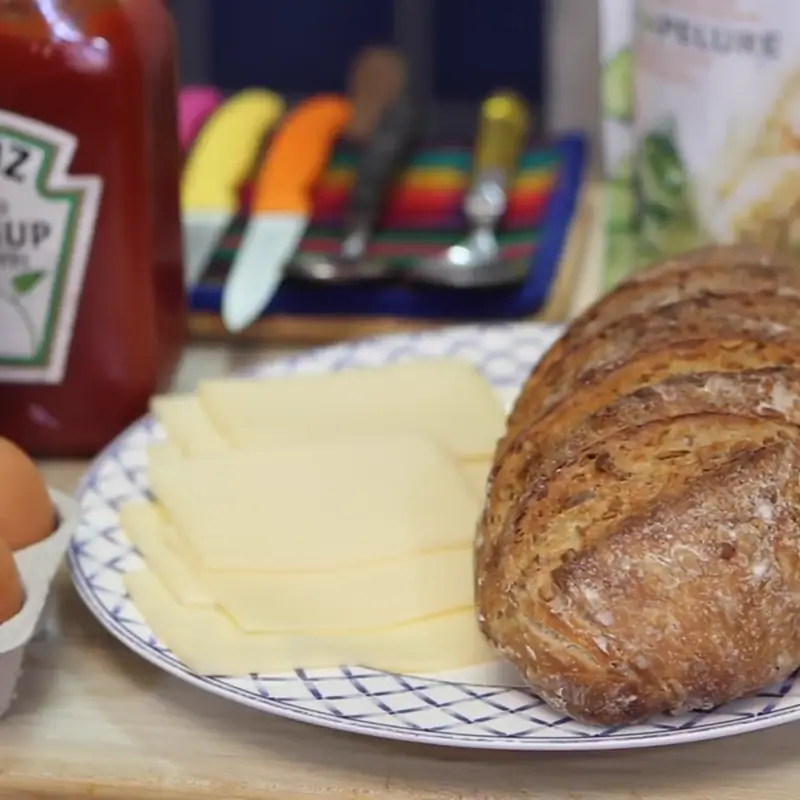
Country bread: Choose a firm loaf that can support the meat and melted cheese. The slices should be approximately half an inch thick. Very soft sandwich bread may collapse under the filling.
Raclette cheese: Raclette melts smoothly and has enough character to stand up to the beef. Twelve medium slices, approximately two per sandwich, provide good coverage.
Ketchup and Dijon mustard: These form the base of the dipping sauce. Dijon gives the mixture enough sharpness to keep the ketchup from tasting overly sweet.
Alcohol-free cognac-style cooking flavour: Products vary in concentration, so check the label before measuring. It should provide a background note without making the sauce taste artificial.
Peanut oil: Peanut oil is used both in the sauce and for searing. Another neutral, high-heat cooking oil can be used if needed.
Butter: A thin layer helps the bread brown evenly. Too much butter can make the finished sandwich greasy once the raclette begins to melt.
Step-by-Step Instructions
1. Prepare the sauce
Place the ketchup, Dijon mustard, alcohol-free cognac-style cooking flavour, and peanut oil in a narrow container. Blend with an immersion blender until smooth and lightly thickened.
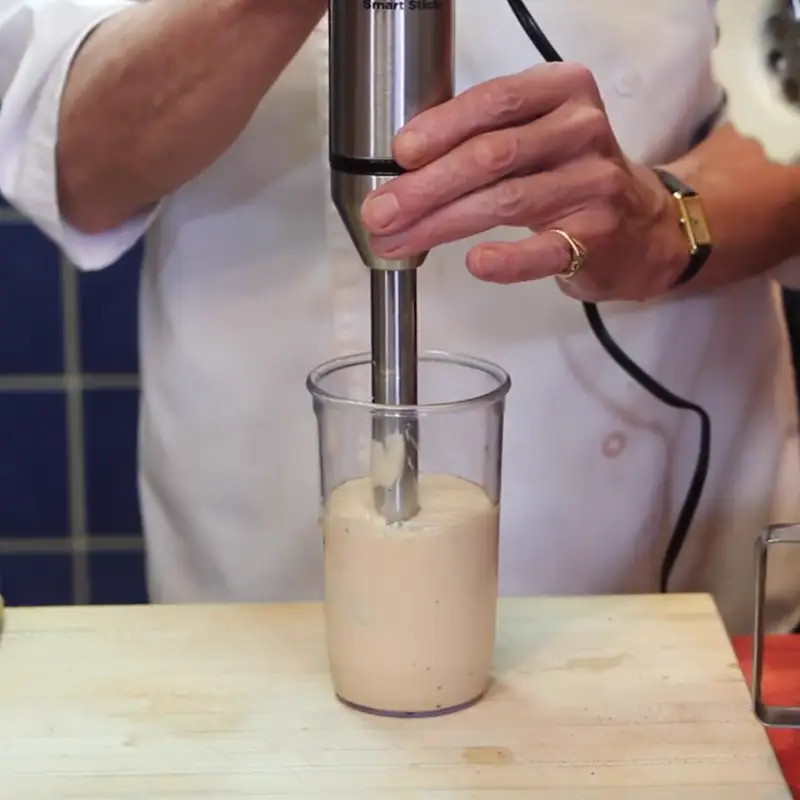
Ketchup and mustard both help the oil remain suspended, but this is not meant to become a stiff mayonnaise. What I look for here is a glossy sauce that coats a spoon without leaving a visible pool of oil around the edges. Taste it before adding salt because ketchup and mustard are already seasoned. Refrigerate the sauce while preparing the sandwiches.
2. Grind the bavette
Trim away any tough silver skin, then cut the beef into strips narrow enough to fit inside the grinder. Keep the meat cold while working. Warm meat smears against the grinder plate instead of coming through in clean strands.
Pass the beef through the grinder twice. After the final pieces, add two tablespoons of gluten-free breadcrumbs to help push out the meat remaining inside the machine. Collect everything in the same bowl.
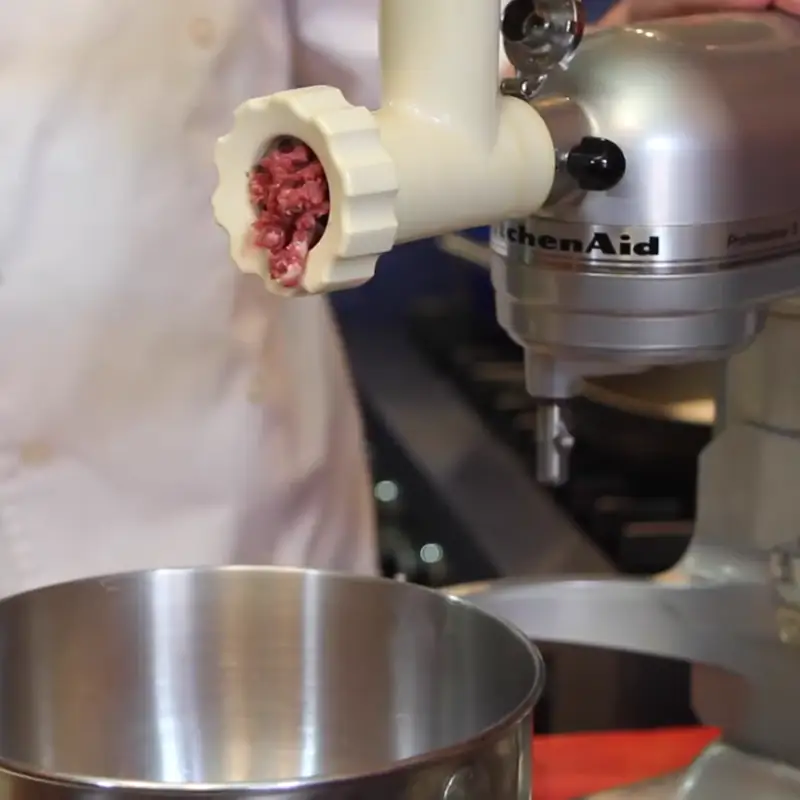
If you do not own a grinder, ask a butcher to grind the bavette or substitute good-quality ground beef. My homemade burger recipe collection has more ideas for working with different patties and toppings.
3. Shape the patties
Divide the mixture into six equal portions. Shape each portion into a thin patty slightly larger than the bread because the beef will contract as it cooks. Handle it gently and stop once it holds together.
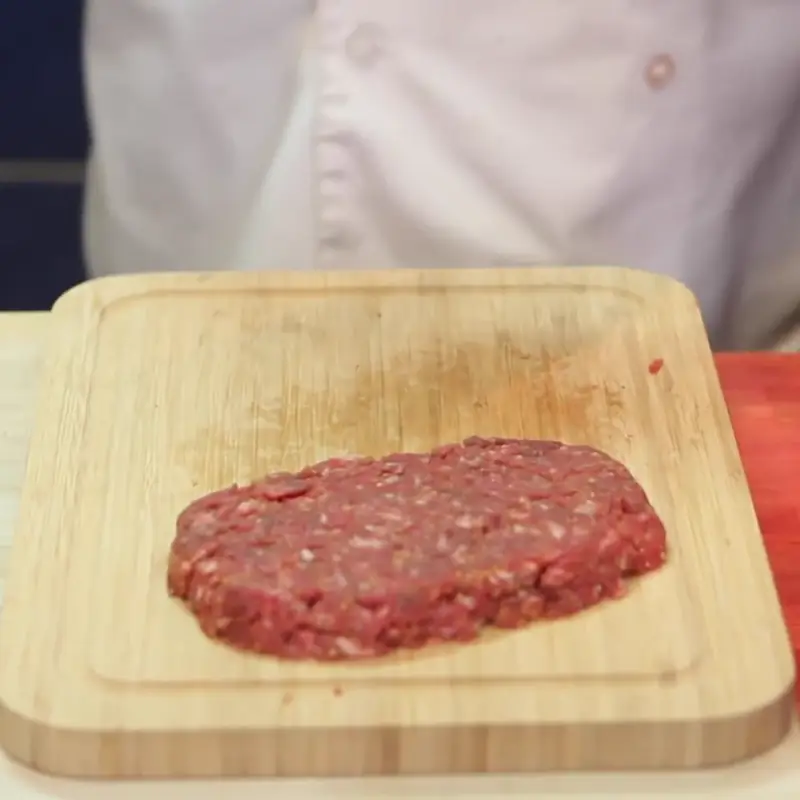
Press a shallow indentation into the centre to reduce swelling. Refrigerate the patties for about 10 minutes while slicing the bread and cheese. Do not mix the salt into the meat well in advance. It can dissolve some of the meat proteins and give the patties a tight, springy texture.
4. Prepare the bread
Cut twelve slices of country bread, making pairs that are similar in size. Spread a very thin layer of softened butter over one side of every slice.
Toast the buttered sides in a skillet over medium heat until golden. The bread should feel crisp at the surface but remain slightly tender inside. Transfer it to a rack or board with the toasted sides facing upward.

For a sharper sandwich, a spoonful of homemade pickled red onions can be added during assembly. They are not part of the video version, but they cut through the richness of the raclette nicely.
5. Cook the patties and melt the cheese
Heat a heavy skillet over medium-high heat. Brush it with a thin layer of peanut oil. Season the patties with salt and black pepper immediately before placing them in the hot pan.
Cook in batches so the pan does not become crowded. Leave each patty undisturbed until the underside is deeply browned and releases without tearing. Turn it once, then place two slices of raclette on top.

Reduce the heat slightly and continue cooking until the cheese has softened over the edges and the beef reaches an internal temperature of 160°F (71°C). Freshly grinding meat does not remove the food-safety risks associated with ground beef, so internal temperature is a more dependable guide than colour.
6. Assemble the sandwiches
Spread the sauce over the unbuttered sides of the toasted bread. Set one cheese-covered patty on each of six slices, then close the sandwiches with the remaining bread.

Return each assembled sandwich to the skillet briefly if the bread has cooled or the cheese needs a little more time. Use medium heat and turn once. You know it is ready when the bread sounds crisp against the spatula and the raclette is soft enough to hold the filling in place.
Cut the sandwiches in half and serve with extra sauce on the side.

What to Serve With a Patty Melt
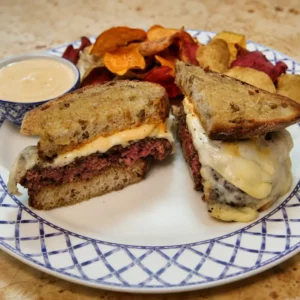
The video serves the sandwich with colourful potato chips and additional dipping sauce. You can make that part from scratch with my homemade potato chip recipe.
For a classic burger-and-fries plate, serve it with crispy McDonald’s-style fries. Homemade onion rings are another good choice, especially when you want something substantial.
A cold side balances the richness better. Try a creamy dill pickle potato salad or a crunchy cabbage and carrot salad. The sandwich itself is protein-rich and quite hearty, so a small salad is often enough beside it.
Substitutions
Ground beef containing approximately 15 to 20 percent fat can replace the freshly ground bavette. It will usually produce a softer, juicier patty, although the flavour will be less steak-like.
Swiss, Gruyère, aged cheddar, or provolone can replace raclette. Gruyère gives the closest Alpine cheese character, while cheddar makes the sandwich taste more like a familiar cheeseburger. My Juicy Lucy burger is a useful alternative when you would rather put the cheese inside the patty.
Sourdough, rye bread, or thick white sandwich bread can replace country bread. Keep the slices sturdy enough to hold the meat without becoming soggy.
For a nut-free version, replace peanut oil with avocado, sunflower, or another neutral high-heat oil. The alcohol-free cognac-style flavour may also be omitted. Add a small dash of Worcestershire sauce for savoury depth, or simply keep the sauce as a ketchup and Dijon mixture.

FAQ
Is a patty melt the same as a hamburger?
Not quite. A hamburger is normally served on a bun, while a patty melt uses sliced bread and is grilled more like a cheese sandwich. Traditional versions often include onions and Swiss cheese. This recipe uses country bread, raclette, and a creamy dipping sauce.
Can I use store-bought ground beef?
Yes. Choose ground beef with enough fat to stay moist during cooking. Form the patties gently and avoid pressing them after they enter the pan. For a thinner, more heavily browned option, see my double smash burger with cheddar and caramelized onions.
Why did my patties turn out dry?
The meat may have been too lean, packed too firmly, or cooked in patties that were too thick. High heat can brown the surface quickly, but a thick centre needs much longer to reach a safe temperature. Six thin patties are more dependable than two or three oversized ones.
Can I prepare the sauce ahead of time?
Yes. Keep it covered in the refrigerator and stir it before serving. If a little oil separates, whisk or blend the sauce again briefly.
Can I make the sandwiches ahead?
The sauce and raw patties can be prepared ahead and refrigerated separately, but the sandwiches are best cooked and assembled shortly before serving. Once assembled, moisture from the sauce and meat gradually softens the toast.
How should leftovers be stored?
Refrigerate the cooked patties, bread, cheese, and sauce in separate airtight containers. Reheat the meat thoroughly, then assemble it with freshly toasted bread. Storing a completed sandwich works, but the bread will lose much of its crispness.
Suggested Posts
For more meals in the same family, browse my homemade sandwich and wrap recipes. The garlic butter steak sandwich keeps the focus on beef without using a ground patty, while the easy cheesesteak with aged cheddar is a good option when you prefer sliced steak.
Easy Raclette Patty Melt with Cognac-Style Sauce
Ingredients
- 2 pounds beef bavette or beef flap meat
- 2 tablespoons gluten-free breadcrumbs
- 12 thick slices country bread
- 12 slices raclette cheese
- 2 tablespoons softened butter
- 1 tablespoon peanut oil for cooking
- 1 1/2 teaspoons kosher salt
- 1 teaspoon ground black pepper
- 1/2 cup ketchup
- 2 tablespoons Dijon mustard
- 1 tablespoon alcohol-free cognac-style cooking flavour or according to label
- 2 tablespoons peanut oil for the sauce
Instructions
- Blend the ketchup, Dijon mustard, alcohol-free cognac-style cooking flavour, and two tablespoons of peanut oil until smooth. Refrigerate.
- Trim and cut the cold bavette into strips. Pass it through a meat grinder twice, followed by the breadcrumbs.
- Divide the meat into six portions and shape thin patties slightly larger than the bread. Refrigerate for 10 minutes.
- Butter one side of each bread slice and toast in a skillet over medium heat until golden.
- Heat one tablespoon of peanut oil in a heavy skillet over medium-high heat. Season the patties immediately before cooking.
- Brown the patties without pressing them, then turn once and top each with two slices of raclette.
- Cook until the cheese melts and the beef reaches 160°F internally.
- Spread sauce over the unbuttered sides of the bread. Add the patties and close the sandwiches.
- Return the sandwiches to the skillet briefly if needed, turning once, then serve with extra sauce.