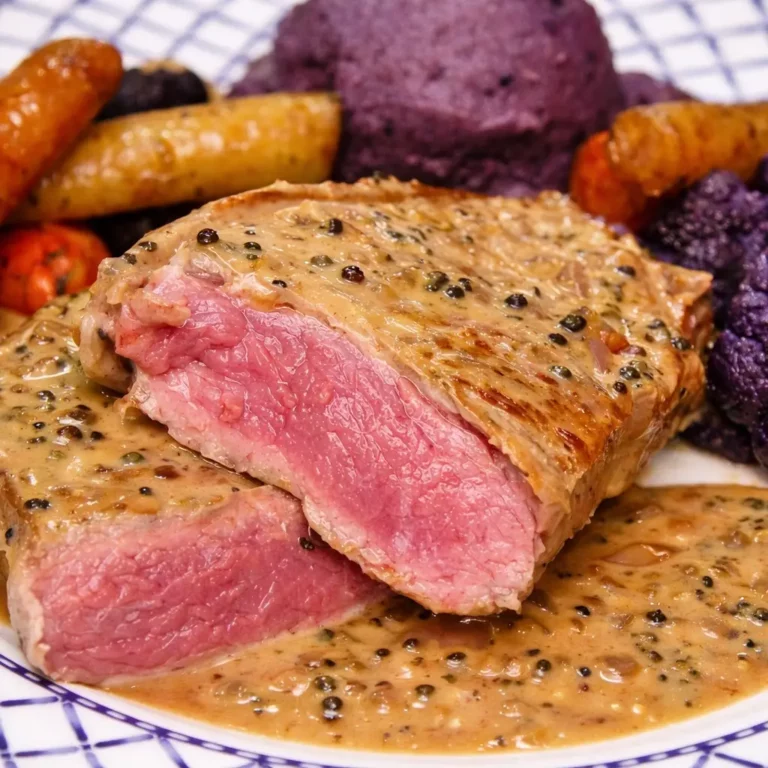
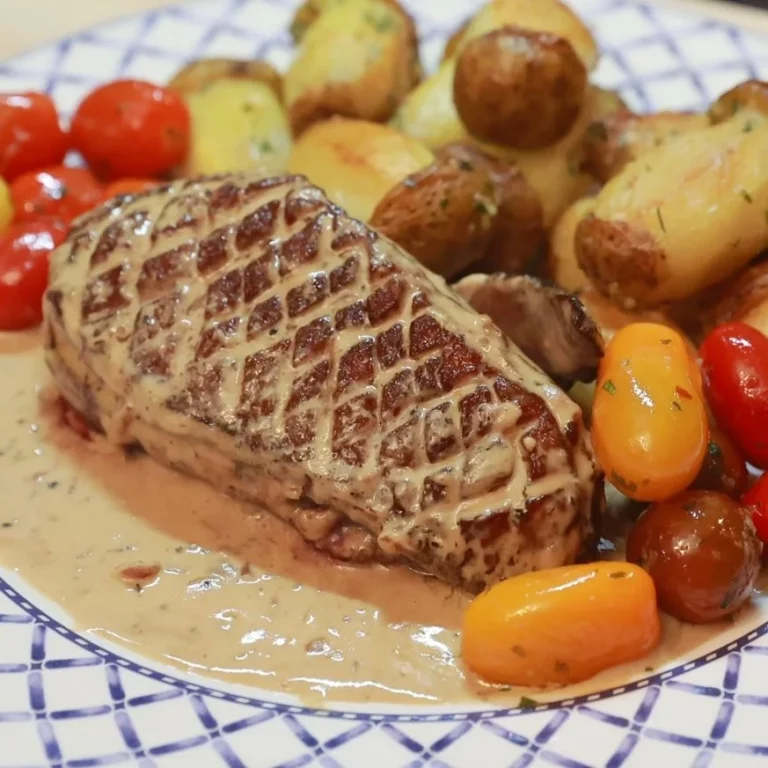
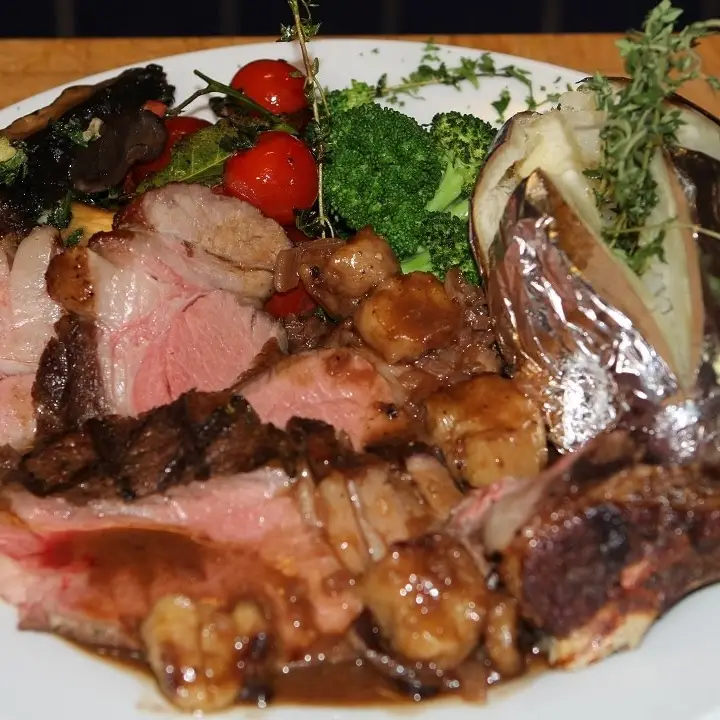
Côte de Boeuf with Bone Marrow & Bordelaise Sauce (Oven-Finished Steakhouse Style)
A côte de boeuf is a thick, bone-in rib steak that’s first seared for deep browning, then finished gently in the oven for a precise, juicy interior. What makes this version different is the bone marrow served alongside and a bordelaise-style red wine sauce built from veal stock and reduction. This is the kind of dish you make when you want a true steakhouse plate at home—without needing a grill.
This recipe is based on my YouTube video, with a few adjustments since publication to make the timings, sauce ratios, and doneness targets more consistent for home kitchens.
When to make this (and how it fits year-round)
This isn’t a holiday-only dish. It works any time you can get a good cut of rib steak: winter when you want something bold and comforting, summer when you don’t feel like firing up the grill, or any weekend when you want a “special dinner” that still feels doable. The oven-finish method keeps it reliable year-round, even in Canadian winters when grilling isn’t fun.
If you’re looking for something faster and weeknight-style, this isn’t that. For a quick beef dinner, a high-heat stir-fry like crispy black pepper beef (30-minute) is a better match. This côte de boeuf is about precision and restaurant-style structure: sear, slow finish, rest, sauce, carve.

Key idea: temperature beats time
A thick rib steak can’t be timed the same way every time because thickness, starting temperature, and oven accuracy vary. A probe thermometer makes this easy. You can still do it without one, but the best results come from targeting internal temperature.
Targets (final after resting):
- Rare: 122–124°F
- Medium-rare: 127–131°F (my pick for this dish)
- Medium: 136–140°F
Because the steak carries over while resting, you’ll pull it a bit earlier.

Ingredients overview (what matters most)
The dish has three pillars:
- A great rib steak (bone-in if possible)
- A real reduction sauce (red wine + veal stock)
- Simple sides that don’t fight the steak
If you want a totally different steak vibe—more herb-forward and buttery—go for steak with warm herb butter emulsion or the variation steak sauce entrecote herb butter emulsion. This bordelaise version is darker, richer, more classic bistro.

Step-by-step instructions (clear + repeatable)
1) Prep the marrow bones (optional but recommended)
If you have time, soak marrow bones in cold water in the fridge for a few hours (or overnight), changing the water once. This helps the marrow taste cleaner. Pat dry before roasting.
Quick version: skip soaking, but roast gently and serve immediately.
2) Start the potatoes first (simple steakhouse style)
Wrap whole russet or Yukon Gold potatoes in foil and bake until tender. A baked potato is classic here and keeps your attention on the steak and sauce. If you want a different potato side, homemade mashed potatoes also works perfectly with bordelaise.
Oven note: If you’re already using the oven, potatoes are the easiest “set it and forget it” side.
3) Build flavor for the bordelaise (fast aromatic base)
In a saucepan, add a small splash of olive oil, then sauté diced onion and carrot until lightly browned. Add thyme and a bay leaf. This base isn’t meant to become a chunky sauce—its job is to enrich the stock and help the reduction taste deep, not just “winey.”
4) Sear the côte de boeuf hard (this is where the flavor lives)

Bring the steak closer to room temperature for 30–45 minutes if possible (not mandatory, but helpful for even cooking). Pat dry very well. Season generously with kosher salt and black pepper.
Heat a heavy pan until very hot, add a thin film of oil, then sear the steak on all sides. You want a strong brown crust. Rotate often; don’t just sear two sides and hope for the best. For thick bone-in cuts, I like to also “kiss” the fat cap and edges so you don’t end up with pale sides.
If you love classic French steak sauces, this is the same foundational sear you’d use for steak with béarnaise sauce or French green peppercorn steak. Different sauces, same rule: hard sear first.

5) Finish gently in the oven (low and slow = control)
Transfer the steak to a rack over a baking sheet (or a pan that can go in the oven). Insert a probe thermometer into the center, avoiding bone and fat pockets.
Oven finish temperature: 230°F (low oven)
Cook until the internal temperature hits:
- Pull at 118–120°F for rare final
- Pull at 122–125°F for medium-rare final
- Pull at 130°F for medium final
Cover loosely with foil and rest 12–15 minutes.

6) Roast the marrow bones (so they don’t melt out)
While the steak finishes, roast marrow bones on a small tray at 450°F for about 12–15 minutes (depending on size). The marrow should be soft but not fully liquefied. If your oven is already set low for the steak, you can roast marrow earlier, then keep warm briefly—but it’s best served right after roasting.

7) Make the bordelaise sauce (proper reduction, proper texture)
In a small saucepan, sweat finely chopped shallots in butter until translucent. Add red wine and reduce until nearly dry—this is critical. If you don’t reduce enough, the sauce stays acidic and thin.
Add veal stock (or reduced veal stock), then simmer until the sauce coats the back of a spoon. Strain if you want a cleaner look. If you need thickening, use a tiny amount of beurre manié—this is a classic fix, and the technique is explained in beurre manié (how to thicken sauces).
To finish, whisk in a small knob of cold butter for shine and roundness. Taste and season at the end.
If you want another benchmark for this style of sauce, compare it to my ribeye steak bordelaise. Same family, same goal: glossy, savory, balanced.

8) Carve the steak correctly (this matters)
Remove any twine if used. Slice on a slight diagonal, cutting against the grain as much as the rib structure allows. For presentation, plate the slices and keep the bone nearby. Spoon sauce around (not drowning the crust), then add marrow on the side.
How to keep the plate balanced
This is a rich, protein-forward dish. To keep it from feeling heavy, pair it with a lighter vegetable side. Two easy options:
- oven roasted mixed vegetables for a simple, year-round side
- A classic fries plate if you want steak-frites energy, using authentic Belgian fries (frites)
If you want a bistro-style sandwich spin another day, the same carving and slicing logic carries over to an excellent steak sandwich (hearty and fail-proof).

Substitutions (what you can swap safely)
Côte de boeuf (bone-in rib steak):
- Substitute with a thick ribeye or strip steak. If you switch to a thinner steak, reduce oven time and rely even more on temperature.
Veal stock:
- Best is real veal stock. If you can’t get it, use a high-quality beef stock and reduce longer. The flavor won’t be identical, but it will still be good.
Red wine:
- Use a dry red wine you’d actually drink. Avoid sweet reds. If it tastes harsh in the glass, it will taste harsh reduced.
Bone marrow:
- Optional. The dish still works without it. You can keep the sauce and steak focus.
Alternative sauce directions:
If you want something different than bordelaise, these are other steakhouse directions:
- Creamy: creamy mushroom sauce for steak
- Peppery bistro: steak au poivre (easy recipe)
- Herb-fresh: homemade chimichurri sauce
Each of these has a different intent, so you’re not overlapping flavor profiles or competing with the “red wine reduction” identity of bordelaise.
FAQ
Do I need a thermometer?
It’s the best way to guarantee doneness. With thick cuts like côte de boeuf, temperature is more reliable than timing.
Why reduce the wine “almost dry”?
That step removes raw alcohol and concentrates flavor. If you skip it, the sauce can taste sharp and underdeveloped.
Can I make the sauce ahead?
Yes. Reduce and strain the sauce earlier, then rewarm gently and mount with butter right before serving.
How do I keep the crust from softening?
Rest loosely tented, not tightly wrapped. And don’t pour sauce directly on top of the crust—spoon it around.
Is bone marrow safe to eat?
Yes when cooked properly. Serve hot, and don’t leave it sitting at room temperature for long.
What if my sauce is too thin?
Reduce longer. If you’re already short on time, whisk in a very small amount of beurre manié and simmer briefly.
What if my sauce is too salty?
Add a small splash of water or unsalted stock, then re-reduce lightly to restore consistency.
Suggested posts (what to serve with)
- homemade mashed potatoes
- authentic Belgian fries (frites)
- oven roasted mixed vegetables
- ribeye steak bordelaise
- steak with béarnaise sauce
- French green peppercorn steak
- steak au poivre (easy recipe)
- creamy mushroom sauce for steak
- steak with warm herb butter emulsion
- steak sandwich (hearty and fail-proof)

Côte de Boeuf with Bone Marrow & Bordelaise Sauce (Oven-Finished Steakhouse Style)
Ingredients
Steak & marrow
- 1 bone-in rib steak côte de boeuf, about 2 to 2½ lb
- 2 to 4 marrow bones
- 1 tbsp neutral oil or light olive oil
- 1½ tsp kosher salt plus more to taste
- 1 tsp black pepper
Bordelaise-style sauce
- 2 tbsp unsalted butter plus 1 tbsp cold butter to finish
- 2 shallots finely chopped
- 1 cup dry red wine
- 2 cups veal stock preferably unsalted
- 1 small carrot diced
- ½ small onion diced
- 2 sprigs thyme
- 1 bay leaf
- Optional: 1 to 2 tsp beurre manié to thicken if needed
- Salt and pepper to taste
Instructions
- Optional soak marrow bones in cold water for a few hours; pat dry.
- Sear the steak: Pat dry, season with salt and pepper. Heat a heavy pan until very hot, add oil, and sear steak on all sides until deeply browned.
- Oven-finish the steak: Move steak to a rack over a sheet. Insert thermometer. Roast at 230°F until internal temp reaches 122–125°F for medium-rare pull (or your target).
- Rest: Tent loosely with foil and rest 12–15 minutes.
- Roast marrow: Roast bones at 450°F for 12–15 minutes, until marrow is soft but not fully melted.
- Start sauce base: In a saucepan, sauté carrot and onion in a small bit of butter or oil until lightly browned. Add thyme and bay leaf.
- Reduce wine: In another small saucepan, melt 2 tbsp butter, sweat shallots, add red wine, and reduce almost dry.
- Finish sauce: Add veal stock and the aromatic base. Simmer until sauce coats the back of a spoon. Strain if desired. Thicken with a small amount of beurre manié only if needed. Whisk in 1 tbsp cold butter for shine. Season to taste.
- Carve & serve: Slice steak, plate with marrow bones, spoon bordelaise sauce around the steak, and serve immediately.
Video
Notes
Substitutions (what you can swap safely)
Côte de boeuf (bone-in rib steak):- Substitute with a thick ribeye or strip steak. If you switch to a thinner steak, reduce oven time and rely even more on temperature.
- Best is real veal stock. If you can’t get it, use a high-quality beef stock and reduce longer. The flavor won’t be identical, but it will still be good.
- Use a dry red wine you’d actually drink. Avoid sweet reds. If it tastes harsh in the glass, it will taste harsh reduced.
- Optional. The dish still works without it. You can keep the sauce and steak focus.
If you want something different than bordelaise, these are other steakhouse directions:
- Creamy: creamy mushroom sauce for steak
- Peppery bistro: steak au poivre (easy recipe)
- Herb-fresh: homemade chimichurri sauce
FAQ
Do I need a thermometer?It’s the best way to guarantee doneness. With thick cuts like côte de boeuf, temperature is more reliable than timing. Why reduce the wine “almost dry”?
That step removes raw alcohol and concentrates flavor. If you skip it, the sauce can taste sharp and underdeveloped. Can I make the sauce ahead?
Yes. Reduce and strain the sauce earlier, then rewarm gently and mount with butter right before serving. How do I keep the crust from softening?
Rest loosely tented, not tightly wrapped. And don’t pour sauce directly on top of the crust—spoon it around. Is bone marrow safe to eat?
Yes when cooked properly. Serve hot, and don’t leave it sitting at room temperature for long. What if my sauce is too thin?
Reduce longer. If you’re already short on time, whisk in a very small amount of beurre manié and simmer briefly. What if my sauce is too salty?
Add a small splash of water or unsalted stock, then re-reduce lightly to restore consistency.
Useful Links
🛒 Michel Dumas Shop : Explore our kitchen essentials, including aprons and knives.
🌐 Linktree : Access all our important links in one place.
📱 YouTube | Instagram | Facebook | TikTok : Follow us for the latest recipes and culinary tips.