Bone-In Ribeye Steak Bordelaise with Red Wine and Marrow – Restaurant Style at Home
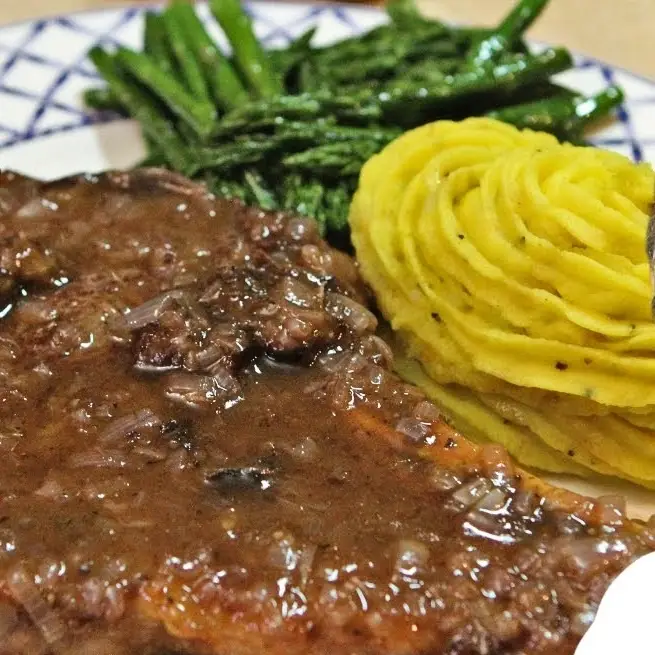
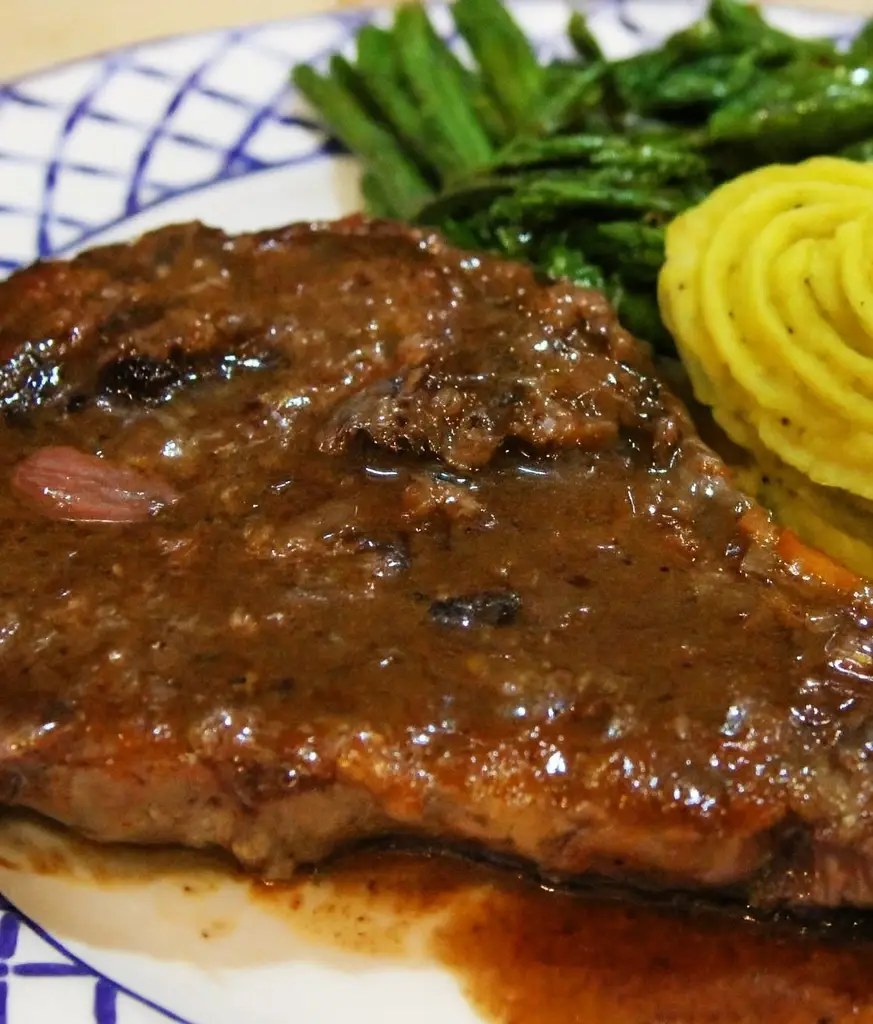
A thick bone-in steak seared in a hot pan, topped with a glossy red wine bone marrow sauce, served alongside creamy mashed potatoes and buttery asparagus – this is classic French steakhouse food you can make at home in Canada or the US.
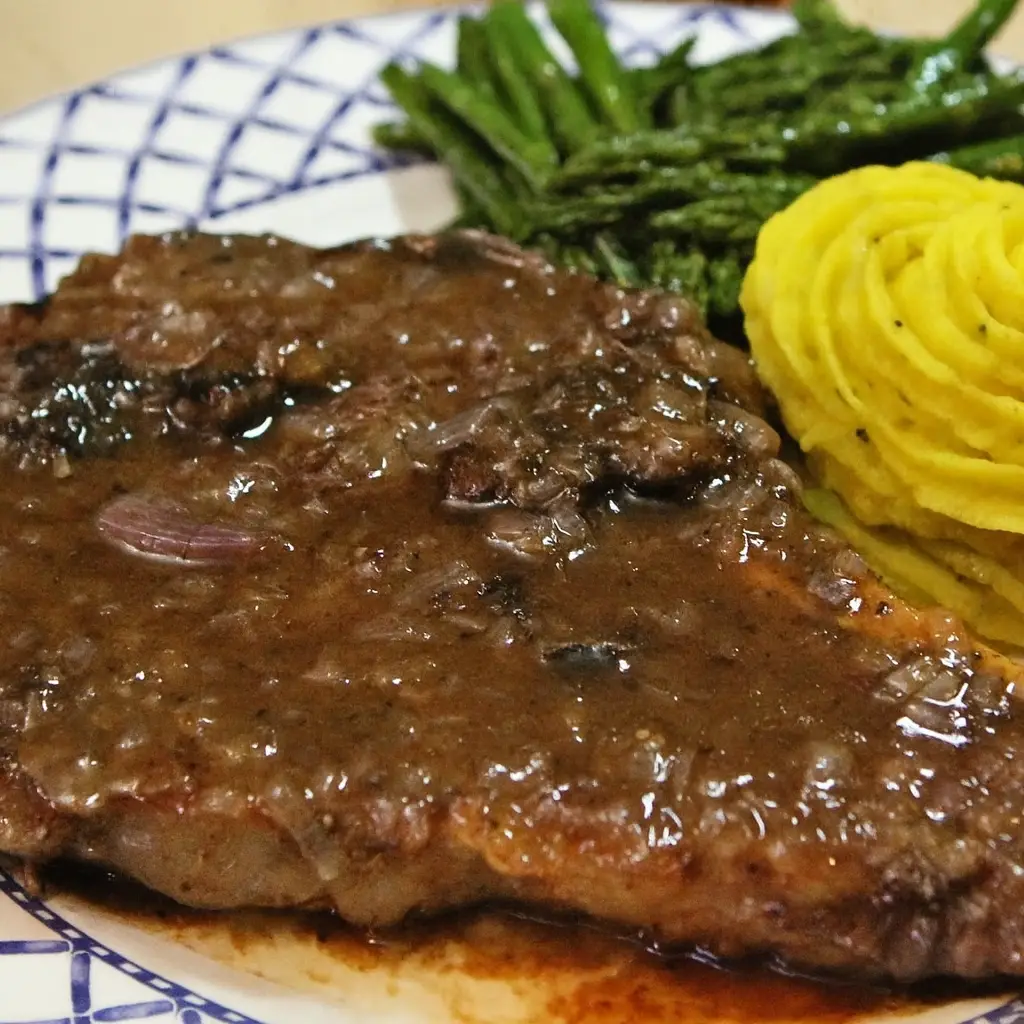
This written recipe is based on my YouTube video “Steak sauce bordelaise”, but I’ve updated a few things here: clearer quantities, more precise timings, and a simplified step order so it’s easier to follow on a busy weeknight or for a special weekend dinner.
Bordelaise sauce is all about layers of flavour:
- a dry red wine reduced with shallots,
- a rich beef stock or demi-glace,
- roasted bone marrow for silkiness and depth,
- cold butter whisked in at the end.
If you enjoy steak recipes like my steak with peppercorn sauce or my creamy mushroom sauce for steak, this French red wine bone marrow sauce will quickly become a favourite.
Why you’ll love this steak bordelaise recipe
- True French restaurant flavour at home: roasted marrow bones, real demi-glace and proper reduction give you an authentic bistro-style sauce.
- Clear, tested proportions: unlike the original video, everything is weighed and measured for consistency.
- Full steak dinner in one recipe: protein, sauce, potatoes and vegetables all planned out.
- Perfect for date night or guests: impressive on the plate, but much of the work (bones, base, mash) can be done ahead.
- Easy to adapt: use rib steak, striploin, New York strip or even hanger steak depending on what you find at your local butcher in Montreal, Toronto, Vancouver or anywhere in the US.
If you’re looking for more French-inspired mains after this one, try my classic boeuf bourguignon or my beef Wellington.
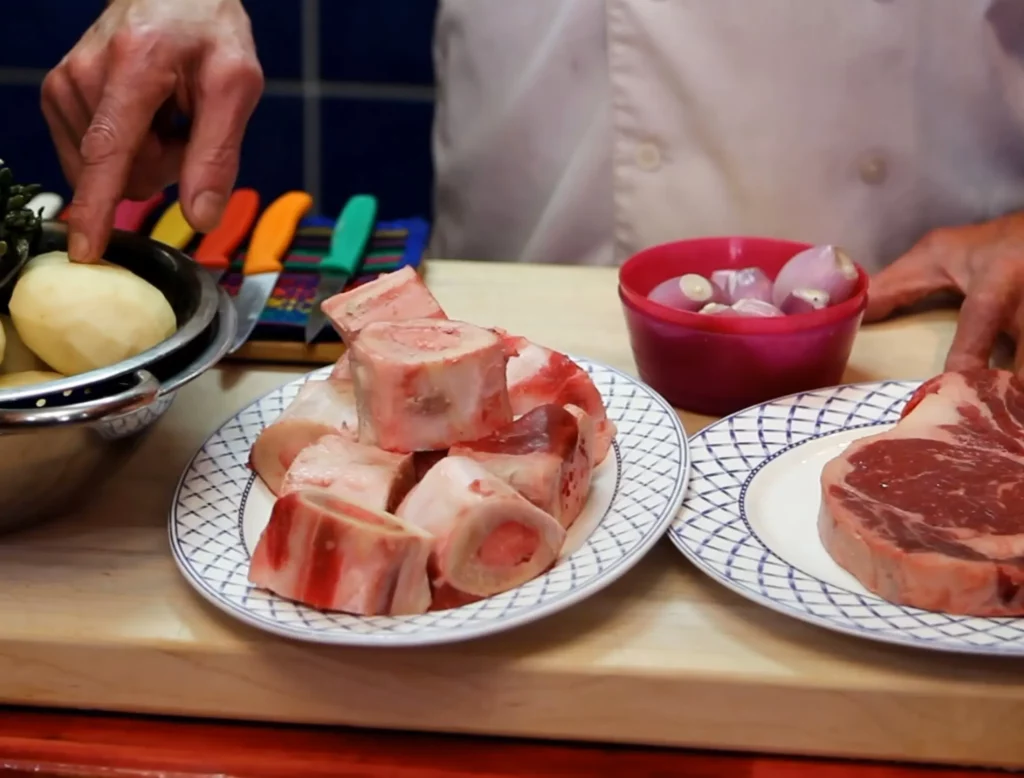
Ingredients
Serves 2 generously.
Steak and bordelaise sauce
- 800g (1.75 lb) bone-in rib steak or côte de boeuf (1 large steak or 2 x 400g/14 oz steaks)
- 500g (1.1 lb) beef marrow bones (2–3 large canoe-cut bones if possible)
- 250ml (1 cup) dry red wine (Bordeaux, cabernet sauvignon, merlot…)
- 200ml (¾ cup) rich beef stock or demi-glace
- 40g (3 tbsp) unsalted butter, cold, diced (for mounting the sauce)
- 40g (1.5 oz) shallots, finely minced (about 2 medium shallots)
- 30g (2 tbsp) beef fat, duck fat or neutral oil (for searing)
- 2g (½ tsp) fine salt, plus more to taste
- Freshly ground black pepper, to taste
- 1 small thyme sprig (optional)
- 1 small bay leaf (optional)
For other steak sauces, you can also look at my Roquefort sauce for steak with cooking temperatures or my entrecôte steak sauce with warm herb butter emulsion.
Mashed potatoes
- 1kg (2.2 lb) potatoes (Yukon Gold or russets)
- 80g (6 tbsp) unsalted butter
- 200ml (¾ cup) whole milk or milk–cream mix, warmed
- 8–10g (1.5–2 tsp) fine salt, to taste
- Pinch of white pepper (or black pepper)
You can also check my dedicated homemade mashed potatoes recipe if you want extra tips.
Asparagus
- 400g (14 oz) fresh green asparagus
- 1.5L (6 cups) water
- 15g (1 tbsp) salt for the cooking water
- 20g (1.5 tbsp) duck fat or butter for reheating
Step-by-step instructions
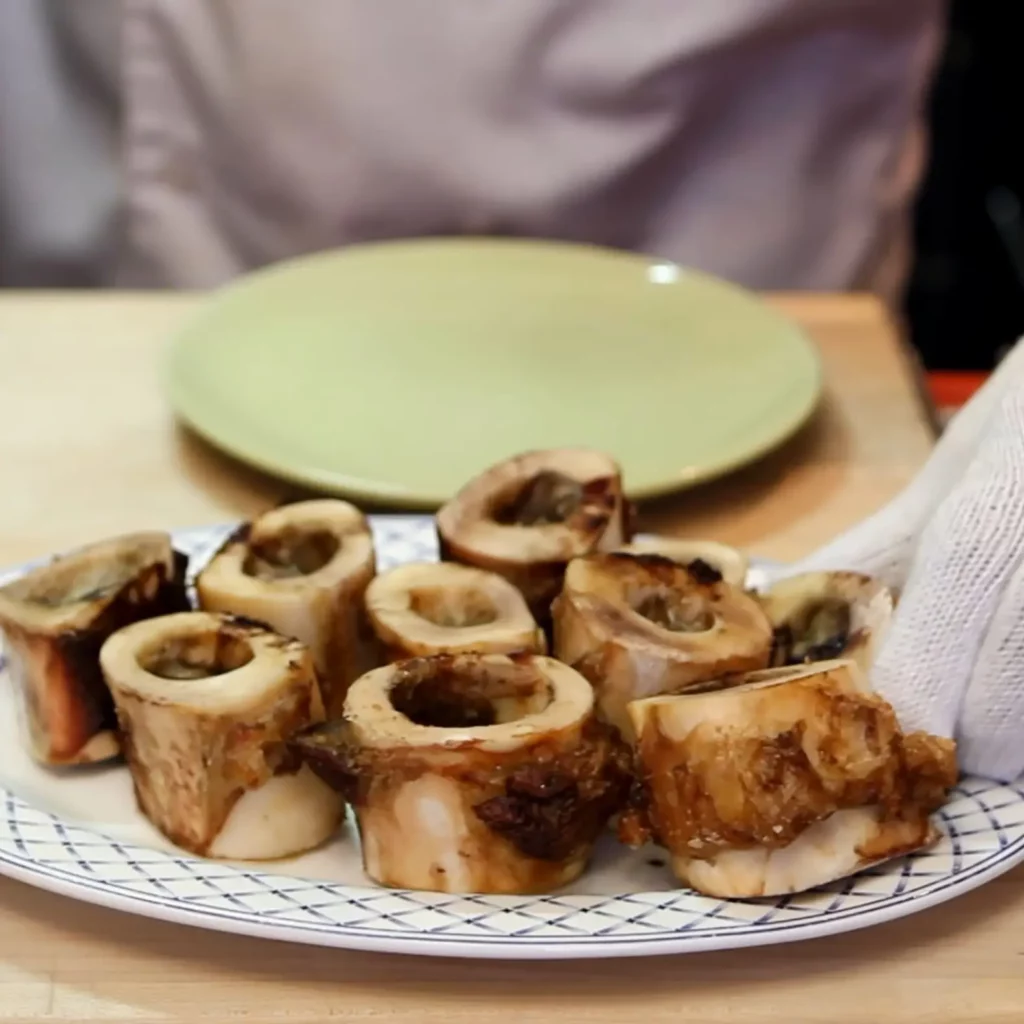
1. Roast the marrow bones
- Preheat your oven to 350°F / 180°C.
- Place the 500g beef marrow bones cut side up in a baking dish.
- Roast for 40–45 minutes, until the bones are nicely browned and the marrow is soft and bubbling.
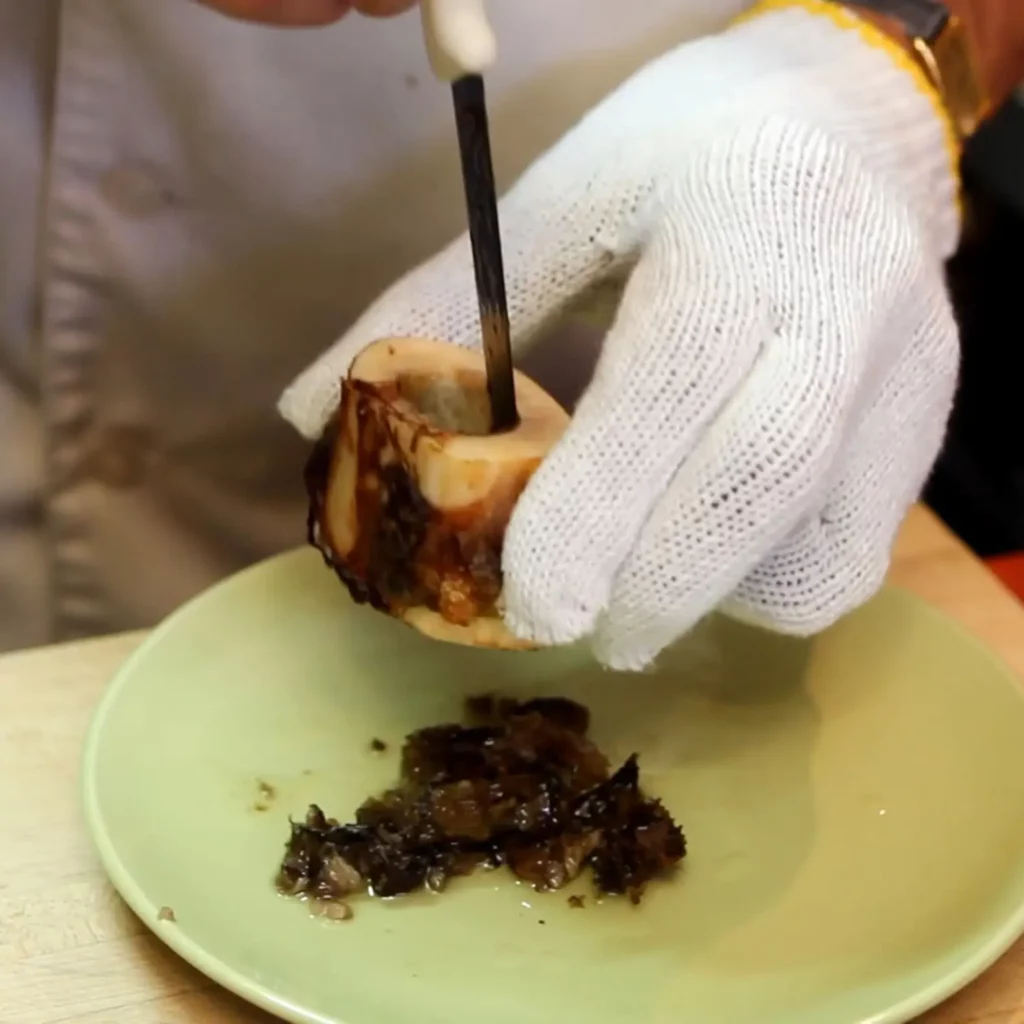
- Let cool just enough to handle, then scoop out the marrow with a small knife or spoon.
- Reserve the marrow in a small bowl (refrigerate if needed) and keep the roasting pan with its browned bits and fat for the sauce.
2. Make the mashed potatoes
- Peel the 1kg potatoes and cut into even chunks.
- Place in a large pot, cover with cold water and add about 10g salt.
- Bring to a boil and cook until very tender, about 20–25 minutes.
- Drain well and let the potatoes steam dry for a couple of minutes.
- Pass through a potato ricer or food mill back into the warm pot.
- Stir in the 80g butter, then gradually add the 200ml warm milk, until smooth and creamy but still holding its shape.
- Season with salt and white pepper to taste.
- Keep warm over a very low heat or in a bain-marie, covered.
For another potato side option with steak, you can try my Parisian potatoes or my cheesy beef macaroni casserole for a more rustic twist.
3. Blanch and glaze the asparagus
- Bring 1.5L (6 cups) water to a boil with 15g (1 tbsp) salt.
- Trim or snap off the woody ends of the 400g asparagus.
- Add the asparagus to the boiling water and cook for 3 minutes (slightly longer if very thick).
- Drain and refresh quickly under cold water to keep their bright green colour.
- Just before serving, reheat gently in a pan with the 20g duck fat or butter.
4. Cook the steak
- Remove the 800g bone-in steak from the fridge 30–45 minutes before cooking so it comes to room temperature.
- Pat dry thoroughly and season generously with salt and pepper on all sides.
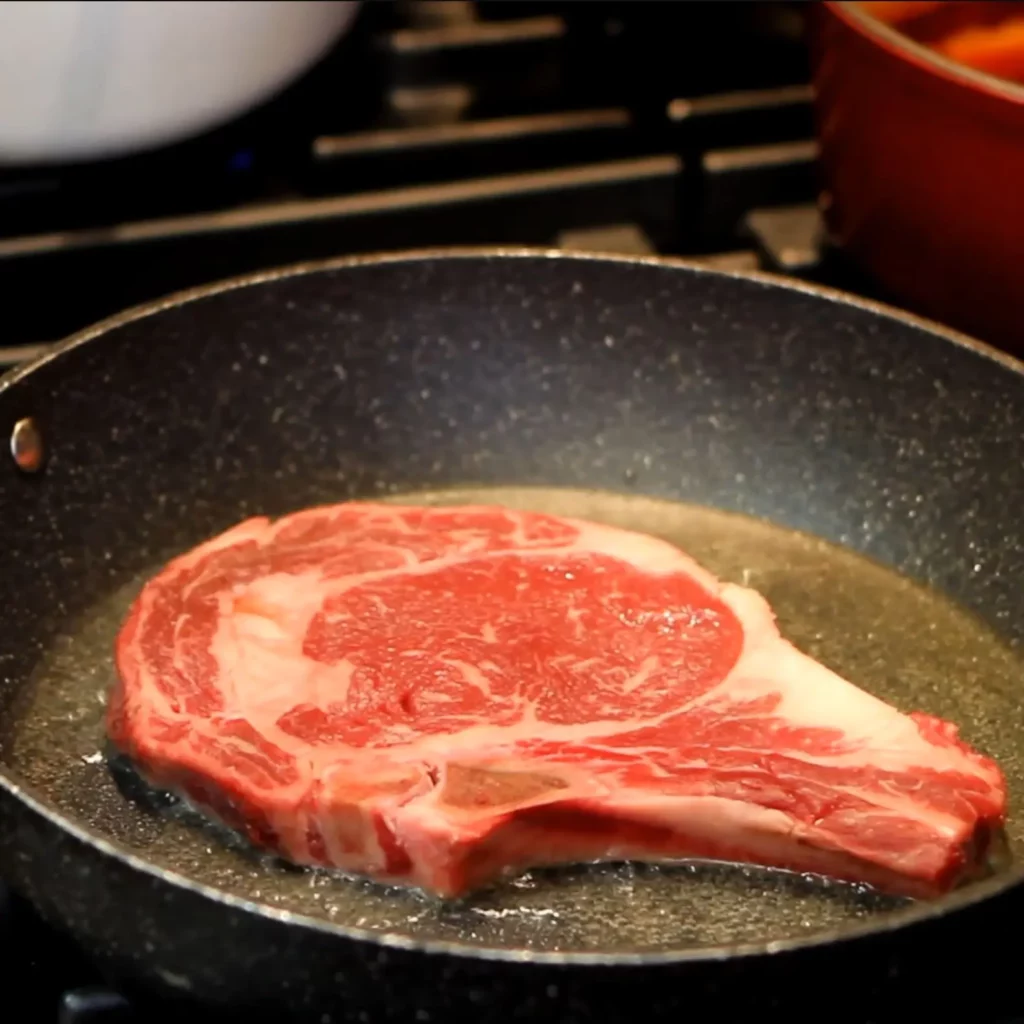
- Heat a heavy skillet (cast iron is ideal) over high heat.
- Add the 30g beef/duck fat or oil.
- When the pan is very hot and just starting to smoke, lay the steak in the pan.
- Sear for 3–4 minutes per side, plus time on the edges, until you get a deep golden crust.
- If the steak is very thick, you can finish it in the oven at 350°F / 180°C for a few minutes, or continue over medium heat while basting with the fat.
- Aim for an internal temperature of 125–129°F / 52–54°C for medium-rare.
- Transfer the steak to a rack and let rest for 10 minutes, loosely tented with foil.
5. Make the red wine bordelaise sauce
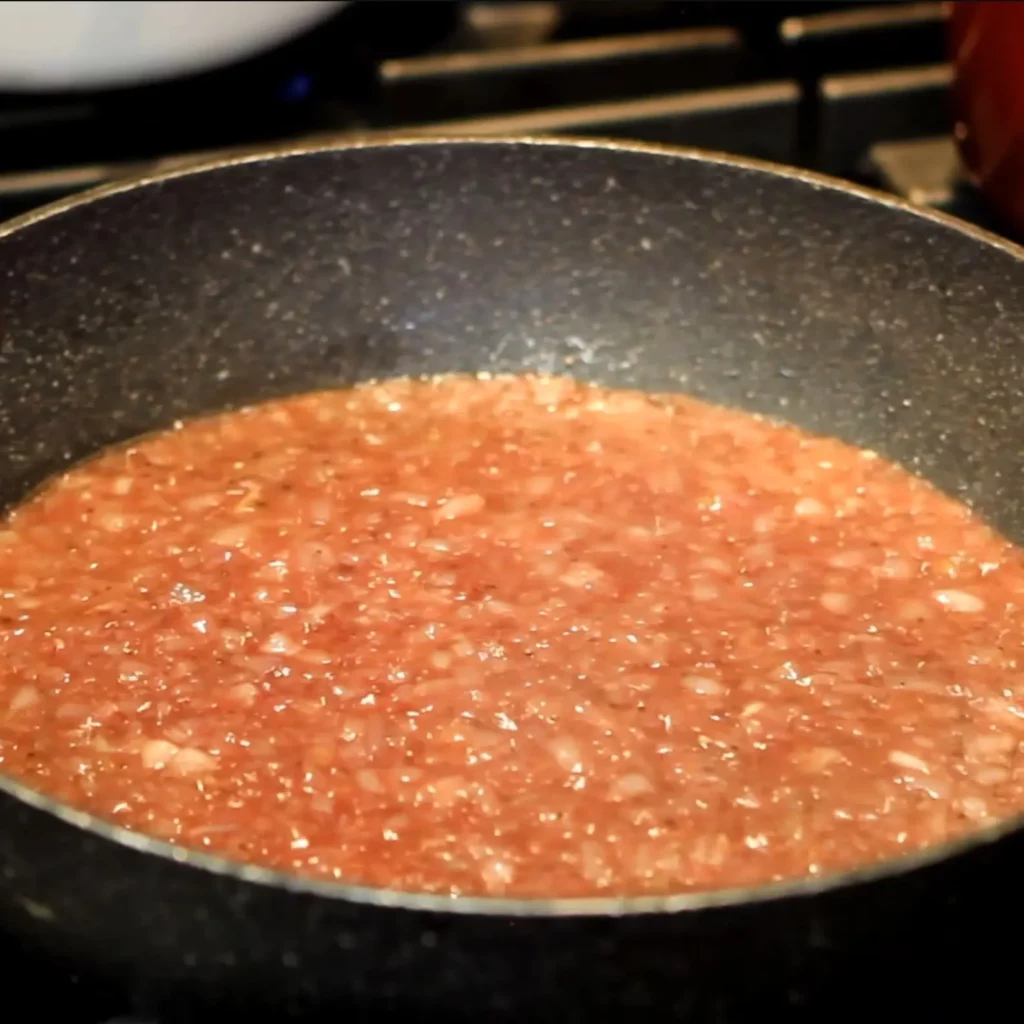
- In the same skillet (with the steak drippings), pour off excess fat if needed, leaving 1–2 tablespoons.
- Add the 40g minced shallots and sweat gently over medium heat for 1–2 minutes without browning.
- Pour in the 250ml red wine and add the thyme and bay leaf if using.
- Bring to a boil and reduce until the wine has reduced by about two thirds and looks slightly syrupy.
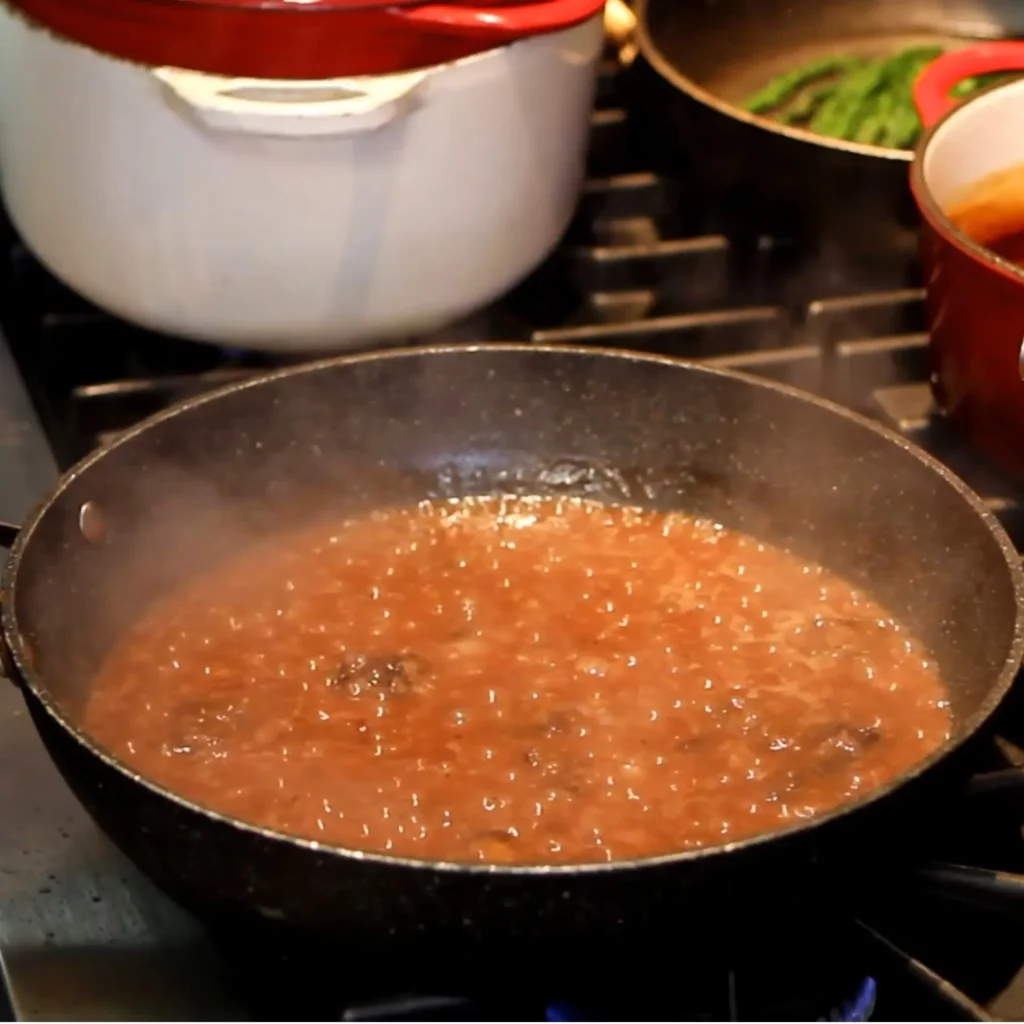
- Add the 200ml beef stock or demi-glace plus the browned juices from the marrow roasting pan.
- Simmer over medium heat until the sauce is thick enough to coat the back of a spoon.
- Lower the heat to very low and remove the thyme and bay leaf.
- Add the reserved bone marrow in small pieces so it gently melts into the sauce.
- Off the heat, whisk in the 40g cold butter a few pieces at a time to emulsify and give the sauce a glossy finish.
- Taste and adjust seasoning with salt and pepper.
- Strain if you want a smooth restaurant-style sauce, or leave the shallots in for a more rustic bistro look.
If you like French sauces, you might also enjoy my homemade Hollandaise sauce or my homemade beurre manié to adjust sauce texture.
6. Plate and serve
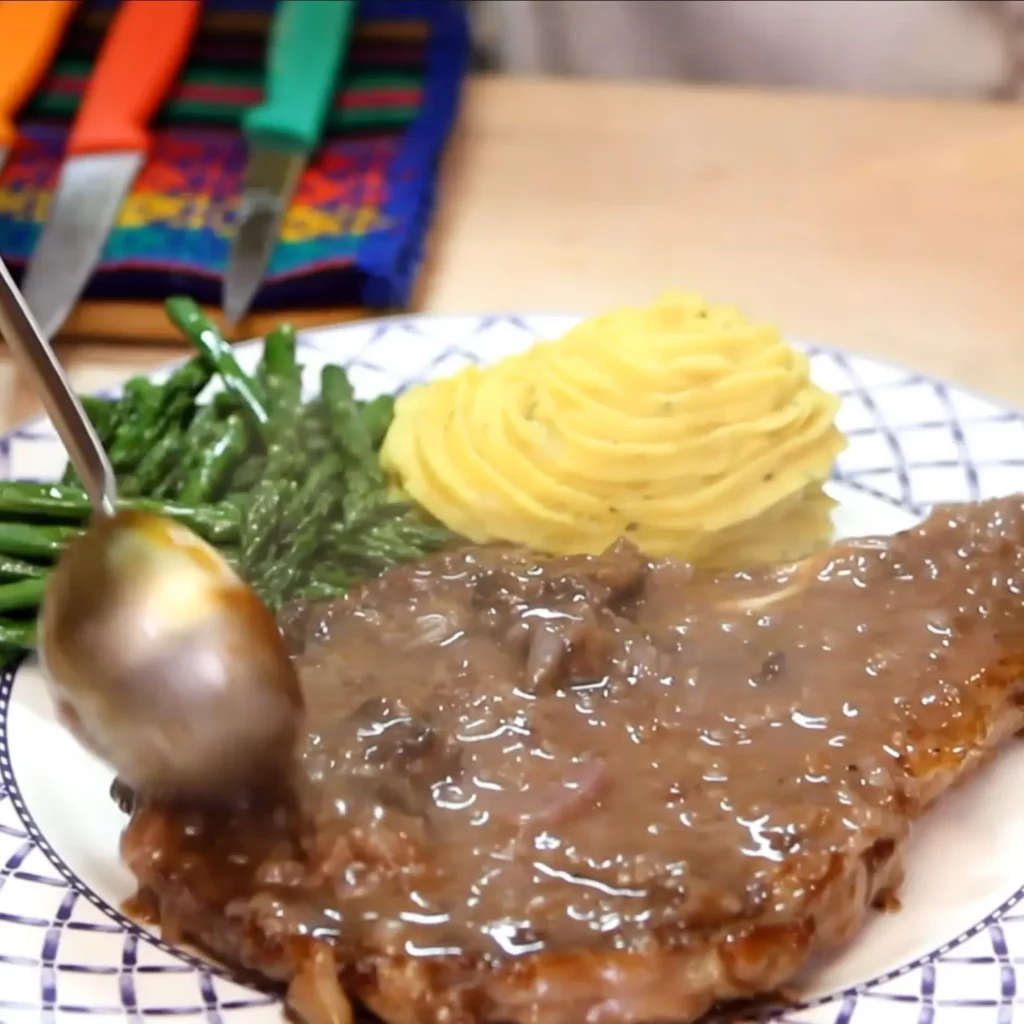
- Gently reheat the mashed potatoes if needed and spoon a generous mound onto each plate.
- Arrange a few glazed asparagus spears alongside.
- Slice the rested steak off the bone, then into thick slices.
- Place the steak slices next to the potatoes.
- Spoon a generous amount of bordelaise sauce over the steak and a little around the plate.
- Serve immediately.
Substitutions and variations
- Steak cut: use bone-in ribeye, striploin, New York strip, T-bone or even hanger steak. Just adjust the cooking time based on thickness.
- No marrow bones: use a very good quality beef stock or demi-glace and add extra butter at the end to give body to the sauce. The flavour won’t be as traditional, but still delicious.
- Different sides: swap the mash for Parisian potatoes, authentic Belgian fries, creamy gratin dauphinois or even rice pilaf.
- Other sauces: alternate with my Roquefort steak sauce, herb butter entrecôte sauce or creamy mushroom steak sauce.
What to serve with steak bordelaise
Here are some ideas to build a full French-style menu:
- Starter: classic French onion soup
- Light salad: homemade Caesar salad or homemade Greek salad
- Potato sides:
- Vegetable sides: creamy butternut squash soup, creamy chicken and zucchini gratin as a second main another day.
- Other steak & beef ideas:
FAQ – Steak bordelaise
Can I make bordelaise sauce without marrow bones?
Yes. Use a good beef stock or demi-glace and finish with extra butter. The sauce will still be rich and flavourful, but it won’t have the same traditional bone marrow character.
What red wine is best for bordelaise sauce?
A dry red with good structure: Bordeaux blends, cabernet sauvignon, merlot or a Rhône-style wine. Use something you’d be happy to drink with the steak, but it doesn’t need to be expensive.
Can I make the sauce ahead of time?
You can make the wine + stock reduction ahead, then gently reheat and add the marrow and cold butter right before serving so the sauce stays glossy and emulsified.
Can I use boneless steak?
Absolutely. Ribeye, striploin or New York strip all work very well. Just aim for steaks around 250–300g (9–10 oz) per person and adjust the searing time.
How do I reheat leftovers without overcooking the steak?
Gently warm the sliced steak in a low oven (250–265°F / 120–130°C) or briefly in a pan with hot sauce. Avoid high heat or microwaving, which can overcook and toughen the meat.
Bone-In Ribeye Steak Bordelaise with Red Wine and Marrow – Restaurant Style at Home
Ingredients
Steak & sauce
- 800 g 1.75 lb bone-in rib steak or côte de boeuf
- 500 g 1.1 lb beef marrow bones
- 250 ml 1 cup dry red wine
- 200 ml ¾ cup rich beef stock or demi-glace
- 40 g 3 tbsp cold unsalted butter, diced
- 40 g 1.5 oz shallots, finely minced
- 30 g 2 tbsp beef/duck fat or neutral oil
- Salt and freshly ground black pepper to taste
- 1 thyme sprig 1 small bay leaf (optional)
Mashed potatoes
- 1 kg 2.2 lb potatoes
- 80 g 6 tbsp unsalted butter
- 200 ml ¾ cup warm milk
- Salt and white pepper to taste
Asparagus
- 400 g 14 oz asparagus
- 1.5 L 6 cups water + 15g (1 tbsp) salt
- 20 g 1.5 tbsp duck fat or butter
Instructions
- Roast marrow bones: Preheat oven to 350°F / 180°C. Roast 500g marrow bones for 40–45 minutes. Scoop out marrow, reserve, and keep the roasting juices.
- Make mashed potatoes: Boil 1kg potatoes in salted water until very tender (20–25 minutes). Drain, mash or rice, mix in 80g butter and 200ml warm milk. Season and keep warm.
- Blanch asparagus: Boil 1.5L water + 15g salt. Cook 400g asparagus for 3 minutes, drain and refresh. Reheat later in 20g duck fat or butter.
- Cook steak: Temper 800g bone-in steak, pat dry, season. Sear in a very hot pan with 30g fat for 3–4 minutes per side, plus edges. Finish if needed to reach 125–129°F / 52–54°C. Rest 10 minutes.
- Make bordelaise sauce: In steak pan, sweat 40g shallots briefly. Add 250ml red wine, thyme and bay leaf; reduce by two thirds. Add 200ml beef stock/demi-glace and roasting juices; reduce to a coating consistency. Stir in reserved bone marrow, then whisk in 40g cold butter off the heat. Season.
- Finish asparagus: Warm asparagus in duck fat or butter until hot and glossy.
- Serve: Plate mashed potatoes and asparagus. Slice rested steak and arrange on plates. Spoon bone marrow bordelaise sauce generously over the steak and serve immediately.
Video
Notes
Substitutions and variations
- Steak cut: use bone-in ribeye, striploin, New York strip, T-bone or even hanger steak. Just adjust the cooking time based on thickness.
- No marrow bones: use a very good quality beef stock or demi-glace and add extra butter at the end to give body to the sauce. The flavour won’t be as traditional, but still delicious.
- Different sides: swap the mash for Parisian potatoes, authentic Belgian fries, creamy gratin dauphinois or even rice pilaf.
- Other sauces: alternate with my Roquefort steak sauce, herb butter entrecôte sauce or creamy mushroom steak sauce.
FAQ – Steak bordelaise
Can I make bordelaise sauce without marrow bones?Yes. Use a good beef stock or demi-glace and finish with extra butter. The sauce will still be rich and flavourful, but it won’t have the same traditional bone marrow character. What red wine is best for bordelaise sauce?
A dry red with good structure: Bordeaux blends, cabernet sauvignon, merlot or a Rhône-style wine. Use something you’d be happy to drink with the steak, but it doesn’t need to be expensive. Can I make the sauce ahead of time?
You can make the wine + stock reduction ahead, then gently reheat and add the marrow and cold butter right before serving so the sauce stays glossy and emulsified. Can I use boneless steak?
Absolutely. Ribeye, striploin or New York strip all work very well. Just aim for steaks around 250–300g (9–10 oz) per person and adjust the searing time. How do I reheat leftovers without overcooking the steak?
Gently warm the sliced steak in a low oven (250–265°F / 120–130°C) or briefly in a pan with hot sauce. Avoid high heat or microwaving, which can overcook and toughen the meat.
Useful Links
🛒 Michel Dumas Shop : Explore our kitchen essentials, including aprons and knives.
🌐 Linktree : Access all our important links in one place.
📱 YouTube | Instagram | Facebook | TikTok : Follow us for the latest recipes and culinary tips.