Classic Île Flottante Recipe with Silky Crème Anglaise and Caramel (Easy French Floating Island Dessert)
Île flottante is one of those classic French desserts that looks restaurant-fancy but is actually very doable at home: soft poached meringue “islands” floating on a pool of silky vanilla custard, finished with a thin drizzle of caramel. It’s light, creamy, and perfect after a rich French dinner in Canada or the USA.
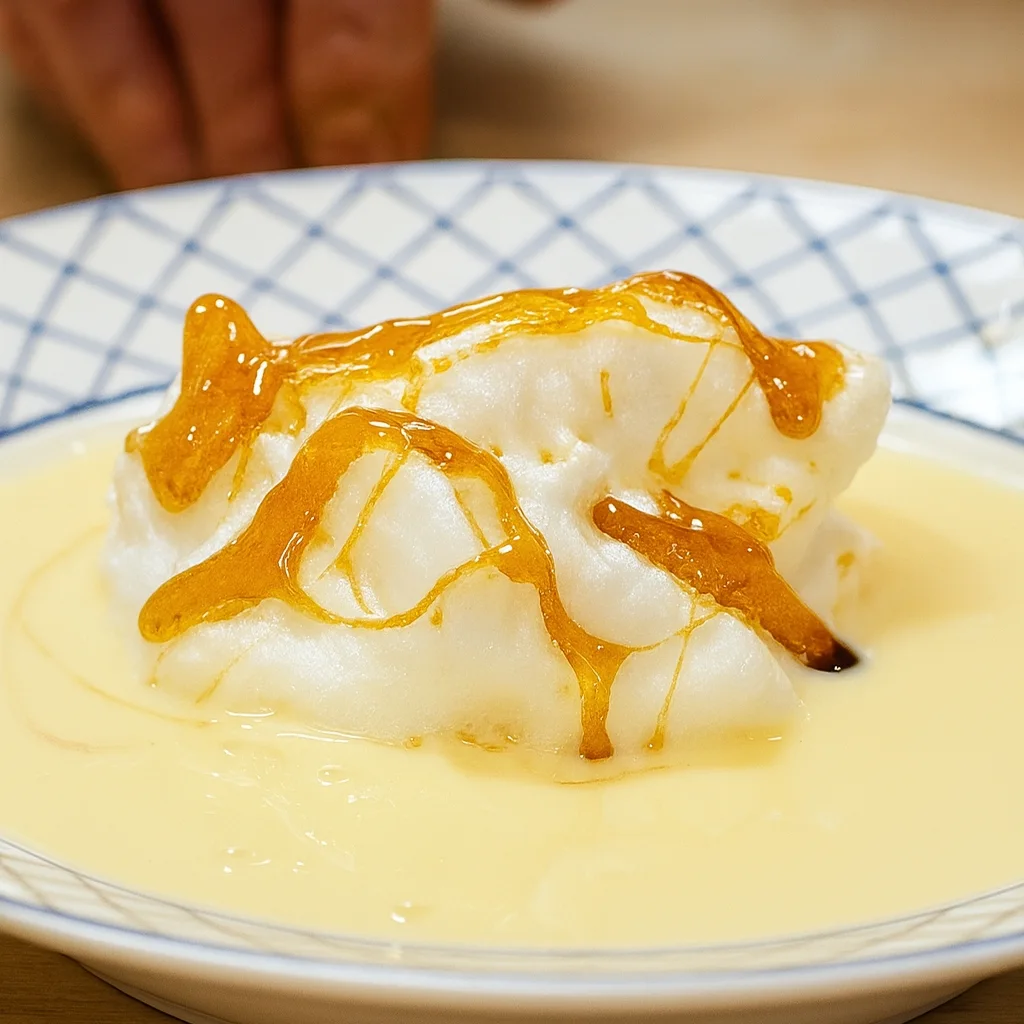
This version is based on my original YouTube video, but I’ve made a few important changes for the written recipe: I increased the sugar in the meringue for better stability, clarified cooking temperatures for the crème anglaise, and added a more precise caramel. The goal is a foolproof floating island dessert that works every time in a home kitchen.
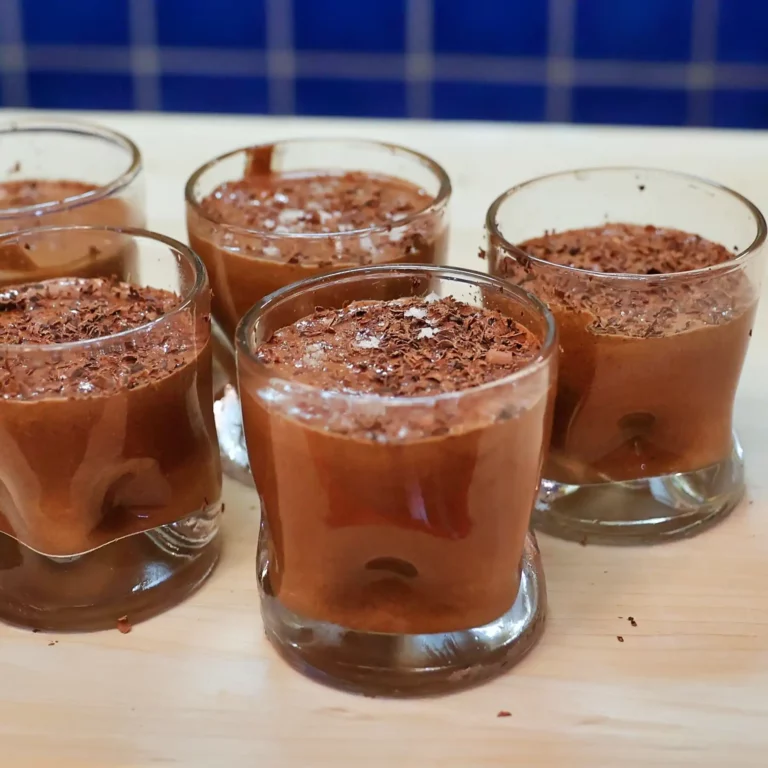
If you love classic French desserts like creme brulee or an ultra rich chocolate mousse, this easy Île flottante recipe will fit right into your dessert rotation.
What Is Île Flottante?
Île flottante (“floating island”) is a traditional French dessert made of:
- Crème anglaise – a light, pourable custard made from egg yolks, sugar, and milk.
- Meringue islands – whipped egg whites poached gently in hot water, sometimes finished briefly in the oven to set.
- Caramel – a thin caramel sauce or drizzle for sweetness and a light bitter note.
Served in individual bowls or in a large serving dish, it’s a classic bistro dessert that feels impressive but doesn’t require special equipment. It’s also great to prepare ahead, just like no churn dark chocolate ice cream or a moist apple cake.

Ingredients and Texture Notes
This recipe uses a full dozen eggs, but nothing goes to waste: yolks for the custard, whites for the meringue.
Crème anglaise
The custard should be:
- Silky and pourable, not as thick as pastry cream.
- Lightly sweet with a gentle vanilla or rum flavor.
- Smooth enough to coat the back of a spoon.
The ratio of 8 egg yolks to 1 liter of milk gives a rich but still fluid crème anglaise.

Meringue islands
For home cooks in Canada or the US, stability is key. That’s why this written version uses more sugar than in the video:
- Enough sugar to stabilize the foam.
- A small amount of acid (lemon juice or cream of tartar) to prevent collapse.
- Gentle poaching and a short oven step to set the exterior.
Step-by-Step: How to Make Île Flottante

1. Make the Crème Anglaise (Vanilla Custard)
- Separate the eggs
Separate 8 egg yolks and 8 egg whites into two bowls. Make sure there is no yolk in the whites, or the meringue won’t whip properly. - Whisk yolks, sugar, and flavoring
In a mixing bowl, whisk together the egg yolks with the sugar until slightly paler and thicker. Stir in vanilla extract or a little dark rum. - Heat the milk
Warm the milk in a saucepan over medium heat until just steaming (don’t boil). You can use whole milk for the creamiest result. - Temper the yolks
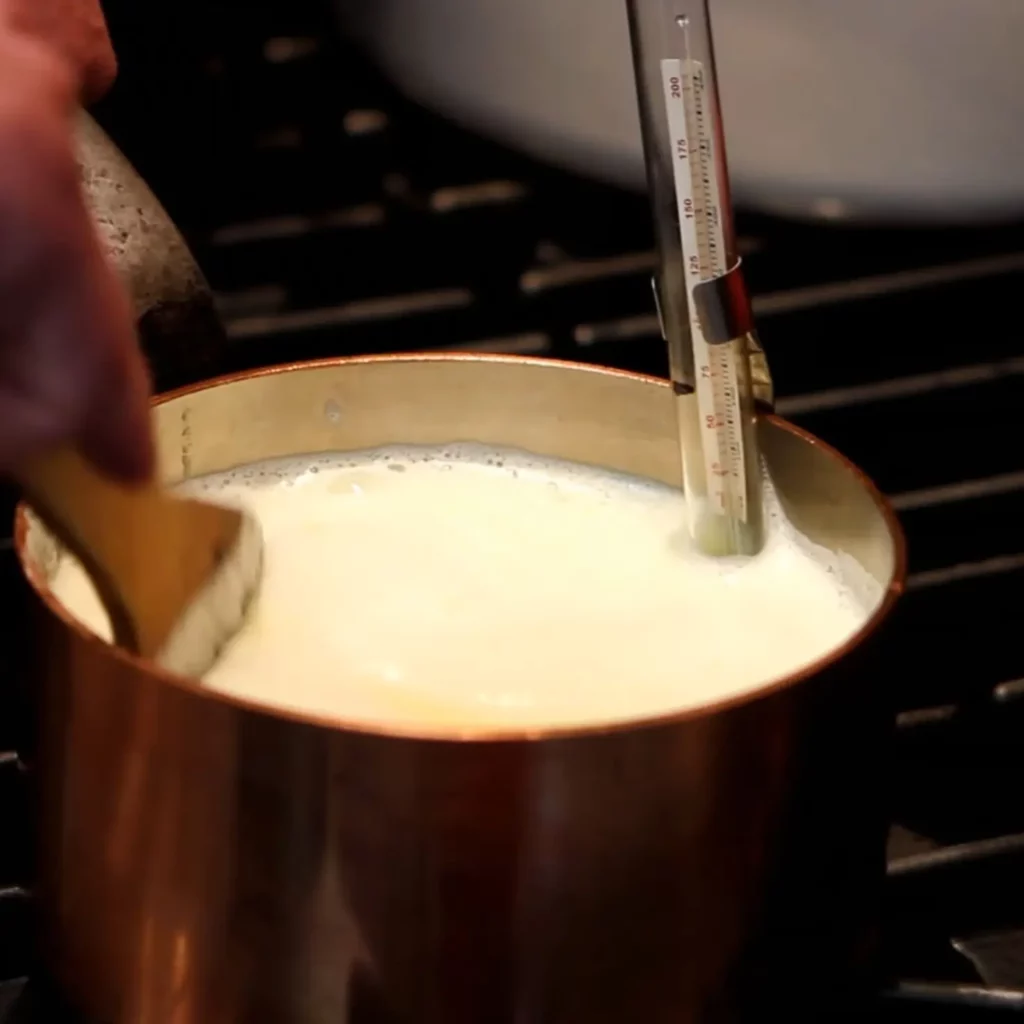
Slowly pour the warm milk into the yolk mixture while whisking constantly, then return the mixture to the saucepan. - Cook to nappe
Cook over low to medium-low heat, stirring constantly with a spatula, until the custard reaches about 180–183°F (82–84°C) and lightly coats the back of the spoon. Draw a line with your finger; if the line stays clear, it’s ready. - Cool quickly
Set the saucepan into a large bowl filled with ice water to stop the cooking. Stir a few minutes until slightly cooled. - Strain and chill
Pour the custard through a fine-mesh sieve into a clean bowl or jug. Cover and chill in the refrigerator for at least 2 hours, like you would do for French fruit tart pastry cream.
2. Prepare the Poaching Water
- Fill a wide, deep pan or large saucepan with water and begin heating it over low to medium heat.
- The water should be hot but not simmering when you start poaching the meringue, around 175–185°F (80–85°C).

3. Whip the Meringue
- Start the whites
In a very clean bowl, add the egg whites and a small pinch of cream of tartar or lemon juice. - Whip to soft peaks
Beat on medium speed until soft peaks form. - Add sugar gradually
Increase the speed to medium-high and add the sugar slowly, one spoonful at a time, until the meringue forms stiff, glossy peaks. It should look shiny and hold its shape.

4. Poach the Meringue “Islands”
- Shape the meringue
Use two large spoons to form oval quenelles or big spoonfuls. - Poach gently
Slide each quenelle into the hot water. Poach for about 2 minutes on the first side, then gently flip and poach 2 minutes on the other side. - Drain
Remove with a slotted spoon and transfer to a clean kitchen towel or rack to drain. - Optional oven finish
For extra stability, place the poached meringues on a parchment-lined baking sheet and bake at 300°F (150°C) for 5–7 minutes. This sets the exterior and makes them easier to handle.

5. Make the Caramel
- Combine sugar and water
In a small heavy saucepan, combine sugar and water. Swirl gently to moisten all the sugar. - Cook without stirring
Set over medium heat and let it bubble until it turns a deep golden amber. Swirl the pan occasionally, but don’t stir. - Stop the cooking
Once you have a rich caramel color, remove from heat. You can briefly set the pan bottom in cold water to stop the cooking. - Use immediately
The caramel will thicken as it cools. If it gets too thick, gently rewarm it.

6. Assemble the Floating Island Dessert
- Pour the chilled crème anglaise into individual bowls or a large serving dish.
- Arrange one or two meringue islands on top of each portion.
- Drizzle the warm caramel over the islands in thin streams.
- Serve chilled. The custard can be made a day ahead, and the poached meringues can rest in the fridge for a few hours before serving.
For a full French-style menu, you can start with classic French onion soup, follow with traditional gratin dauphinois and a main dish, then finish with this île flottante.

Substitutions and Variations
- Flavoring the custard
Replace vanilla with dark rum, orange zest, or a splash of maple syrup for a twist similar in spirit to maple chicken with creamy mashed potatoes. - Lactose-friendly
Use lactose-free whole milk. Avoid plant-based milks for this recipe as they don’t thicken like dairy in a classic crème anglaise. - Caramel alternative
If you prefer something milder, use a light caramel or a thin drizzle of salted caramel sauce. - Texture contrast
Serve with a small slice of homemade brioche bread or a square of no churn dark chocolate ice cream on the side.

FAQ
Can I make île flottante in advance?
Yes. The crème anglaise can be made 1–2 days in advance and stored in the fridge. The meringues are best poached the same day, but you can keep them covered in the refrigerator for a few hours before serving.
Why did my custard curdle?
The heat was too high or the custard went above about 185°F (85°C). Always cook slowly over low to medium-low heat, stirring constantly. Straining the custard at the end helps recover the texture.
Why did my meringues collapse?
Possible reasons: not enough sugar, over- or under-whipping the whites, or poaching in water that’s boiling instead of gently hot. Follow the sugar ratio and keep the water just below a simmer.
Can I skip the oven step for the meringues?
Yes, but the islands will be more fragile. The brief oven step helps firm them up without drying them out.
What can I serve instead of caramel?
You can serve île flottante plain, with a berry coulis, or with a small spoonful of chocolate sauce if you love desserts like ultra rich chocolate mousse.

What to Serve with Île Flottante (Suggested Recipes)
Build a complete French-inspired menu around this floating island dessert:
- Start with classic French onion soup.
- Serve a comforting main like roast turkey with bacon bread stuffing or an easy pasta from the ultimate guide to homemade pasta recipes.
- Add sides such as homemade mashed potatoes or traditional gratin dauphinois.
- Offer another dessert option like French fruit tart, moist apple cake, or classic creme brulee.

Classic Île Flottante Recipe with Silky Crème Anglaise and Caramel (Easy French Floating Island Dessert)
Ingredients
Crème anglaise (custard)
- 1 L 4 cups whole milk
- 8 large egg yolks
- 150 g ¾ cup sugar
- 5 ml 1 tsp vanilla extract, or 15 ml (1 tbsp) dark rum
Meringue islands
- 8 large egg whites
- 200 g 1 cup sugar
- 1 –2 ml ¼–½ tsp cream of tartar or lemon juice
Caramel
- 200 g 1 cup sugar
- 60 ml ¼ cup water
Instructions
Make the custard
- Heat the milk until steaming. Whisk yolks and sugar together, then slowly whisk in the hot milk. Return to the saucepan and cook over low heat, stirring constantly, until the custard reaches 180–183°F (82–84°C) and coats the back of a spoon. Cool quickly over an ice bath, strain, and chill at least 2 hours.
Prepare the poaching water
- Fill a wide pan with water and heat until hot but not simmering, about 175–185°F (80–85°C).
Whip the meringue
- Beat the egg whites with cream of tartar or lemon juice to soft peaks. Gradually add sugar and continue beating until stiff, glossy peaks form.
Poach the islands
- Shape the meringue into large spoonfuls or quenelles. Slide them gently into the hot water and poach 2 minutes per side. Remove with a slotted spoon and drain.
Optional oven finish
- Transfer the poached meringues to a parchment-lined baking sheet and bake at 300°F (150°C) for 5–7 minutes to set. Let cool.
Make the caramel
- In a saucepan, combine sugar and water. Cook over medium heat without stirring until the syrup turns deep golden. Remove from heat and, if needed, briefly place the pan on a cold surface to stop the cooking.
Assemble and serve
- Pour the chilled custard into serving bowls. Place one or two meringue islands on top of each portion. Drizzle with warm caramel and serve immediately, or chill briefly before serving.
Video
Notes
Substitutions and Variations
- Flavoring the custard
Replace vanilla with dark rum, orange zest, or a splash of maple syrup for a twist similar in spirit to maple chicken with creamy mashed potatoes. - Lactose-friendly
Use lactose-free whole milk. Avoid plant-based milks for this recipe as they don’t thicken like dairy in a classic crème anglaise. - Caramel alternative
If you prefer something milder, use a light caramel or a thin drizzle of salted caramel sauce. - Texture contrast
Serve with a small slice of homemade brioche bread or a square of no churn dark chocolate ice cream on the side.
FAQ
Can I make île flottante in advance?Yes. The crème anglaise can be made 1–2 days in advance and stored in the fridge. The meringues are best poached the same day, but you can keep them covered in the refrigerator for a few hours before serving. Why did my custard curdle?
The heat was too high or the custard went above about 185°F (85°C). Always cook slowly over low to medium-low heat, stirring constantly. Straining the custard at the end helps recover the texture. Why did my meringues collapse?
Possible reasons: not enough sugar, over- or under-whipping the whites, or poaching in water that’s boiling instead of gently hot. Follow the sugar ratio and keep the water just below a simmer. Can I skip the oven step for the meringues?
Yes, but the islands will be more fragile. The brief oven step helps firm them up without drying them out.
Useful Links
🛒 Michel Dumas Shop : Explore our kitchen essentials, including aprons and knives.
🌐 Linktree : Access all our important links in one place.
📱 YouTube | Instagram | Facebook | TikTok : Follow us for the latest recipes and culinary tips.