Traditional Homemade Pot-au-Feu with Tender Beef and Root Vegetables
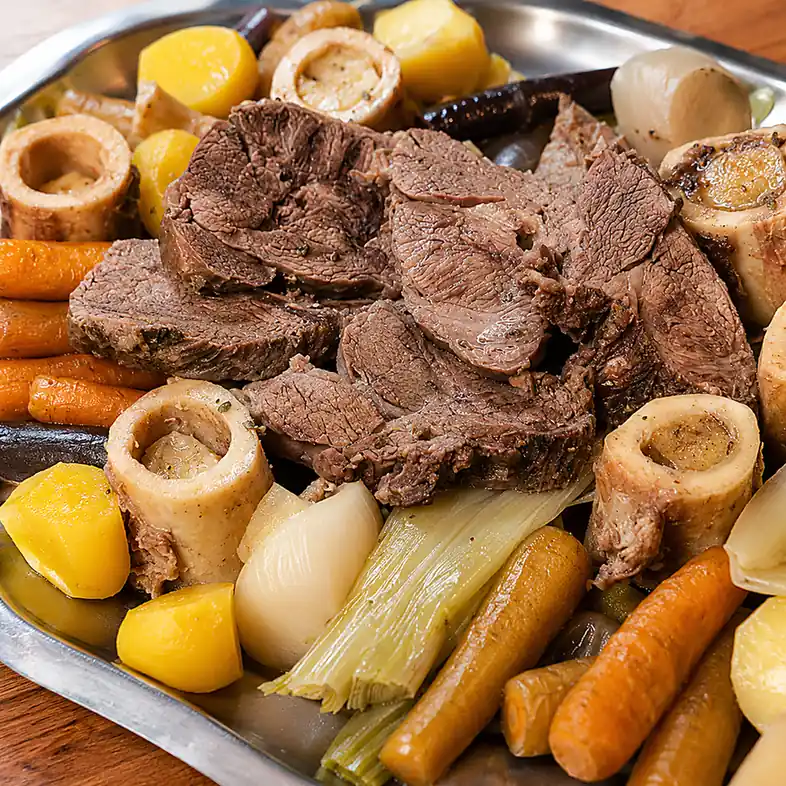
This traditional pot-au-feu slowly cooks beef shank, marrow bones, leeks, potatoes, and colourful root vegetables in a clear, deeply flavoured broth. I make it this way because removing the vegetables as soon as they are tender keeps them intact while the beef continues cooking, and the main mistake to avoid is boiling everything aggressively until the vegetables collapse and the broth turns greasy.
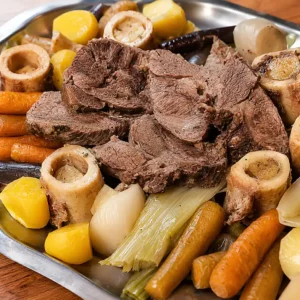
Pot-au-feu is a classic French boiled beef dinner served with its broth, tender vegetables, potatoes, and often marrow bones. It is different from a thick beef stew because the broth stays light and clear, while each piece of meat and vegetable remains recognizable on the serving platter. This is the kind of substantial meal I make during cold Québec weather, although the clean broth and straightforward ingredients work at any time of year.
This recipe is based on my YouTube video, with a few practical adjustments made since publication. The salt is added gradually, the leeks go into the pot later than the dense roots, and the final cooking time depends on the tenderness of the beef rather than the clock alone.
{VIDEO}
What Makes This Pot-au-Feu Different
This is a large family-style preparation built around a whole beef shank rather than several small cubes of stewing beef. The shank is trimmed, deboned, rolled, and tied so it cooks evenly and can later be cut into thick, clean slices. If you enjoy traditional slow-cooked French food, you can find more ideas in my collection of classic French recipes, sauces, and stews.
The cooking liquid is also handled differently from a regular stew. After the first simmer, I strain the broth to remove foam and impurities, then return the meat to the clean liquid with the vegetables and aromatics. What I look for is a golden broth with a few beads of fat on the surface, not an opaque liquid with a heavy layer of grease.
This is not the same dish as my quicker weeknight beef ragout or my thicker hearty beef stew with potatoes. Those recipes are saucier and more concentrated. Pot-au-feu is closer to a complete boiled dinner, with broth served separately or spooned over the meat and vegetables.
It is protein-rich and filling, with a large quantity of vegetables cooked without cream or flour. The marrow makes the meal richer, but each guest can decide whether to add it to bread or leave it aside.
Ingredients You Need
Beef shank and marrow bones
Use one large whole beef shank weighing about 6 1/2 pounds before trimming, or approximately 5 pounds of boneless beef shank. Beef shank contains plenty of connective tissue, which softens during slow cooking and gives the broth body. A chuck roast can work, but it will not give exactly the same gelatin-rich result.
The marrow bones are served alongside the beef. Ten small bones allow approximately one per person, but five larger bones can be split between guests. Ask the butcher to cut them into pieces about 2 to 3 inches long.
Root vegetables
Golden beet, white turnips, parsnips, and rainbow carrots give the platter different colours, sweetness, and textures. Cut them into large serving pieces. Small pieces will soften too quickly and become difficult to remove from the pot.
The golden beet can lightly tint the broth, especially once cut. Keep the pieces large and avoid using a red beet unless you are comfortable with a pink broth.
Leeks, onions, and garlic
Five large leeks can be tied and cut into ten portions so each serving contains both white and green sections. Tying them is not essential, but it keeps the layers together while they simmer.
Yellow onions, red onion, and garlic provide the base flavour. They should soften into the broth without overpowering the clean beef flavour.
Potatoes
I prefer to cook the potatoes in a separate saucepan. This keeps their starch out of the main broth and makes it easier to control their seasoning and texture. Yukon Gold or another yellow-fleshed potato holds its shape well. For more preparation ideas, see my collection of mashed, roasted, fried, and gratin potato recipes.
Herbs and seasoning
A generous bouquet of thyme and bay leaves gives the broth a traditional herbal aroma. Salt is added in stages because the broth reduces during cooking. It is always easier to add more near the end than to correct an oversalted eight-quart pot.
A homemade stock is not required because the beef and bones create their own broth. When extra broth is needed for reheating leftovers, a mild homemade vegetable stock works better than a strongly seasoned commercial beef concentrate.

Step-by-Step Instructions
1. Trim, roll, and tie the beef
Remove thick exterior fat, tough silver skin, cartilage, and any large hard tendons from the beef shank. If working with a whole shank, cut carefully around the bone and reserve the bone for the broth.
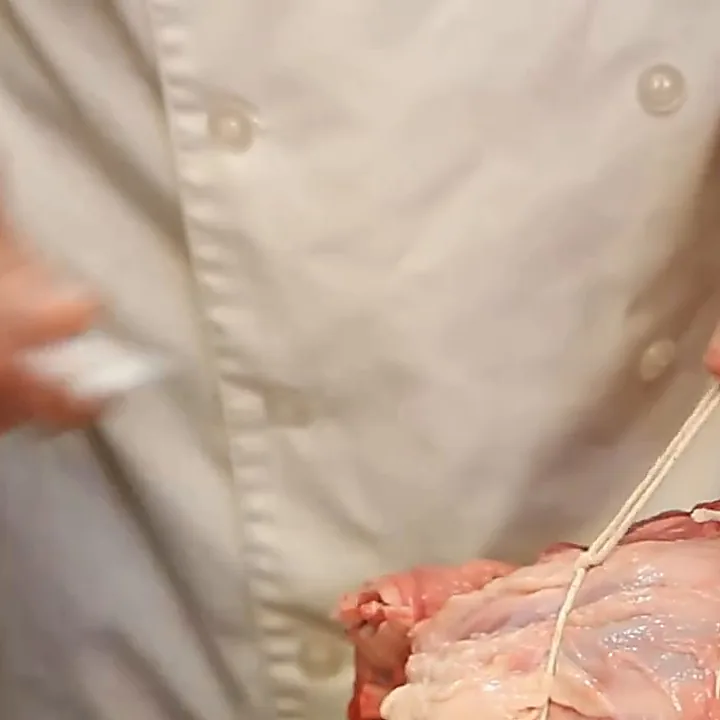
Roll the meat into a compact roast. Tie it firmly with butcher’s twine every 1 1/2 to 2 inches, then add one lengthwise tie if necessary. The roast should feel secure without being squeezed so tightly that the meat bulges between the strings.
2. Start the first broth
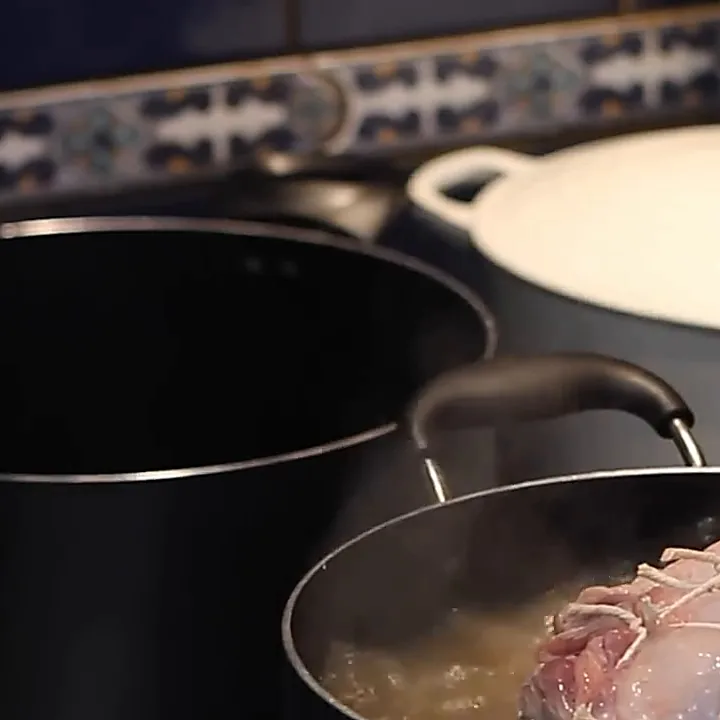
Place the tied beef, reserved shank bone, and marrow bones in a large stockpot with about 4 1/4 quarts of cold water. The pot should hold at least 12 to 16 quarts once the vegetables are added.
Bring the water slowly to a boil. As grey foam rises, remove it with a fine skimmer or ladle. Reduce the heat and simmer gently for 30 minutes. The surface should move quietly with small bubbles. A rolling boil will break the foam into the broth and make it cloudy.
3. Prepare the vegetables and bouquet garni
Tie the thyme and bay leaves together with kitchen twine. Peel the onions and garlic. Cut the golden beet, turnips, parsnips, and carrots into generous portions of similar thickness.
Trim and wash the leeks carefully because soil often hides between the layers. Arrange the white and green sections together, tie them into bundles, and cut the bundles into ten portions.

4. Strain and rebuild the pot
Remove the beef and bones from the first broth. Pour the liquid through a fine-mesh strainer into a clean pot or large heatproof container.
Return the strained broth, beef, shank bone, marrow bones, onions, garlic, golden beet, white turnips, parsnips, carrots, and bouquet garni to the stockpot. Add approximately 4 1/4 quarts of additional water, or only enough to cover everything by about 1 inch.
Season initially with 1 1/2 tablespoons of fine sea salt. Bring the liquid back to a boil, reduce immediately to a gentle simmer, and cook the dense vegetables for 20 minutes.
Add the tied leeks and continue simmering for about 25 minutes. This shorter leek cooking time is one of the adjustments I prefer because it prevents the layers from becoming stringy and shapeless.
5. Remove the vegetables at the right moment
Check each vegetable separately with the tip of a paring knife. The knife should enter with light resistance, but the pieces should not split when lifted.
Transfer the cooked vegetables and leeks to a large dish. Remove the bouquet garni. Ladle a little broth over the vegetables to keep them moist.
Check the marrow bones as well. The marrow should be soft and hot but still mostly inside the bone. Remove the bones once ready and hold them with a small amount of broth.
Keep simmering the tied beef for another 1 1/2 hours. Depending on its thickness, it may need an additional 30 to 60 minutes. You know it is ready when a thin knife or skewer enters the centre with very little resistance, but the roast still holds together when lifted.
For another example of beef becoming tender through gentle covered cooking, see my Dutch oven pot roast. The same patience also matters with slow-braised beef cheeks in Dijon sauce.

6. Cook the potatoes separately
Place the peeled potatoes in a saucepan with about 6 1/3 cups of cold water, 1 tablespoon of fine sea salt, and a small pinch of turmeric for colour.
Bring to a boil, lower the heat, and simmer for approximately 20 to 25 minutes. The potatoes are ready when a knife enters the centre cleanly without causing them to break apart.
Drain them carefully and keep them covered. Do not leave them sitting in the cooking water once tender or their surfaces may become waterlogged.

7. Reheat, slice, and serve
Taste the broth and adjust the salt. Skim away excessive surface fat, but leave a small amount because it carries much of the beef flavour.
Return the vegetables, leeks, and marrow bones to the broth only long enough to heat through. Remove the butcher’s twine from the beef and slice the roast across the grain into thick pieces.
Arrange the meat, vegetables, leeks, potatoes, and marrow bones on a large warm platter. Spoon over a little hot broth and serve the remaining broth at the table. The finished meat should be moist enough to cut with little pressure, while the vegetables should still keep their shape.

Chef’s Notes for a Clear Broth
The mistake to avoid is treating the pot like a rapid-boiling soup. Once it reaches a boil, reduce the heat. Strong movement emulsifies the fat and breaks small particles into the liquid.
Do not judge every ingredient by the same cooking time. A large piece of turnip may still be firm when a carrot is ready, and the beef will almost always need longer than the vegetables.
If the broth reduces below the top of the meat, add hot water rather than cold water. Adding a large amount of cold water interrupts the simmer and extends the cooking time.
This dish belongs naturally with my broader collection of French stews and braised recipes and other cozy family comfort-food dinners, but its clear broth and separately presented ingredients give it a lighter finish than most brown stews.
Substitutions
Beef chuck can replace the shank when a whole shank is unavailable. Choose a well-marbled roast and tie it before cooking. The broth may be slightly less gelatinous, especially if no shank bone is included.
Rutabaga can replace the golden beet. It gives a more neutral colour and a firmer texture. Regular orange carrots can replace rainbow carrots without changing the method.
Small waxy potatoes can be left whole. Larger potatoes should be halved so they cook evenly.
Marrow bones may be omitted. The pot-au-feu will still work, although the broth will be a little less rich. Do not replace them with strongly smoked bones because the smoke changes the character of the dish.

FAQ
Why is my pot-au-feu broth cloudy?
The broth usually becomes cloudy when it boils too hard or when the foam is not removed early. Start with cold water, skim during the first simmer, strain the broth, and maintain gentle bubbling afterward.
Can I make pot-au-feu the day before?
Yes. Cool the meat and broth promptly, refrigerate them separately from the vegetables, and remove the hardened fat from the cold broth the next day. Reheat the meat gently in the broth, then add the vegetables only long enough to warm them.
How do I know when beef shank is tender?
Insert a thin knife or skewer into the thickest part. It should slide in with little resistance. If the meat still feels rubbery or tight, continue simmering in 20-minute intervals.
Should the vegetables cook for the entire time?
No. The beef may require three hours or more, while most vegetables need only 25 to 45 minutes. Remove each one when tender and return it during the final reheating.
Can I use beef broth instead of water?
Water is preferable because the beef, bones, onions, garlic, and herbs build a fresh broth as they cook. A commercial broth can make the finished dish too salty or give it an artificial, concentrated flavour.
What is the difference between pot-au-feu and beef stew?
Pot-au-feu has a clear broth and large pieces of meat and vegetables that are often presented separately. Beef stew normally has a thicker sauce and smaller pieces cooked together. My traditional veal blanquette is another slow-cooked French dish, but it finishes with a creamy white sauce rather than a clear broth.
What to Serve With and Suggested Posts
Serve the pot-au-feu with Dijon mustard, coarse salt, cornichons, and crusty bread. A warm loaf or cheese-stuffed garlic butter rolls can soak up the broth and hold the soft marrow.
A sharp condiment helps balance the richness. Homemade pickled beets add acidity and colour, while a plain mustard keeps the serving more traditional.
For more slow-cooked beef dinners, try:
Traditional French bistro recipes
Hearty beef stew with potatoes
Tender beef cheeks with Dijon sauce
For potato sides beyond the boiled potatoes in this recipe, browse my mashed potato and potato side-dish recipes.
Traditional Homemade Pot-au-Feu with Tender Beef and Root Vegetables
Ingredients
- 6 1/2 lb whole beef shank or about 5 lb boneless beef shank
- 10 small marrow bones cut into 2 to 3-inch pieces
- 8 1/2 qt cold water approximately, divided
- 3 medium onions peeled
- 1 large head garlic cloves separated and peeled
- 1 large golden beet peeled and cut into large pieces
- 4 medium white turnips peeled and quartered
- 4 large parsnips peeled and cut into large pieces
- 6 large rainbow carrots peeled and cut into large pieces
- 5 large leeks cleaned, tied and cut into 10 portions
- 10 medium Yukon Gold potatoes peeled
- 8 fresh thyme sprigs
- 4 bay leaves
- 2 1/2 tbsp fine sea salt divided, plus more to taste
- 1 pinch turmeric
- Dijon mustard for serving
- Cornichons for serving
- Coarse salt for serving
- Crusty bread for serving
Instructions
- Trim the beef shank, remove the bone if necessary, reserve the bone, roll the meat and tie it securely with butcher’s twine.
- Place the beef, reserved shank bone and marrow bones in a large stockpot with 4 1/4 quarts cold water.
- Bring slowly to a boil, skim the foam, reduce to a gentle simmer and cook for 30 minutes.
- Tie the thyme and bay leaves into a bouquet garni and prepare all the vegetables.
- Remove the beef and bones, strain the first broth and return everything to the clean stockpot.
- Add the onions, garlic, golden beet, turnips, parsnips, carrots, bouquet garni and enough of the remaining water to cover.
- Add 1 1/2 tablespoons salt, bring to a boil, reduce to a gentle simmer and cook for 20 minutes.
- Add the tied leeks and simmer for another 25 minutes.
- Remove each vegetable when knife-tender and hold it with a little broth.
- Remove the marrow bones when the marrow is soft and hot but remains inside the bones.
- Continue simmering the beef for about 1 1/2 hours, or until a knife enters the centre with little resistance.
- Cook the potatoes separately in 6 1/3 cups water with 1 tablespoon salt and a pinch of turmeric for 20 to 25 minutes.
- Taste and season the broth, skim excessive fat and gently reheat the vegetables and marrow bones.
- Remove the twine, slice the beef across the grain and serve with the vegetables, potatoes, broth, mustard, cornichons, coarse salt and bread.




 Last chance for our paring knives.