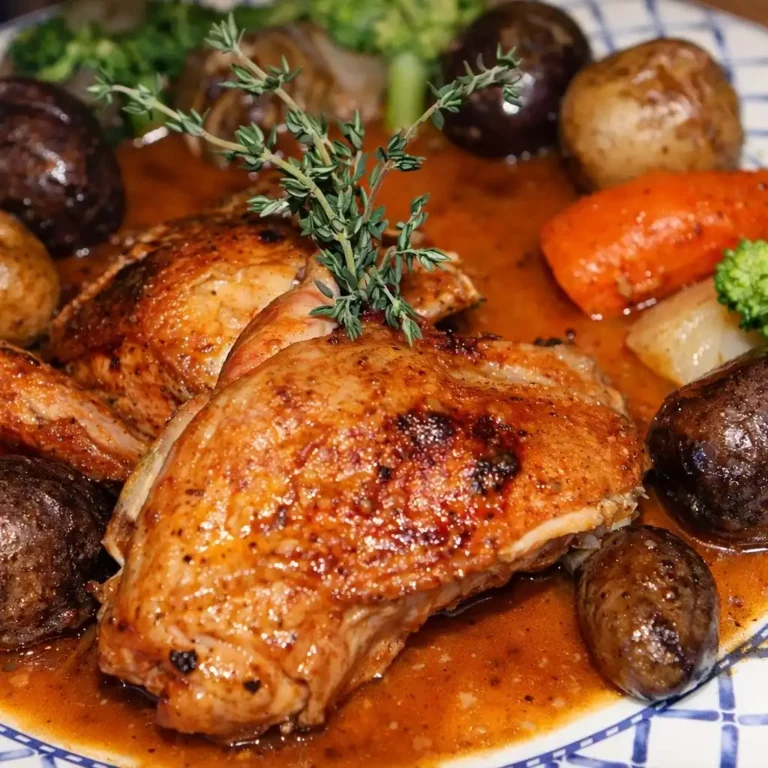
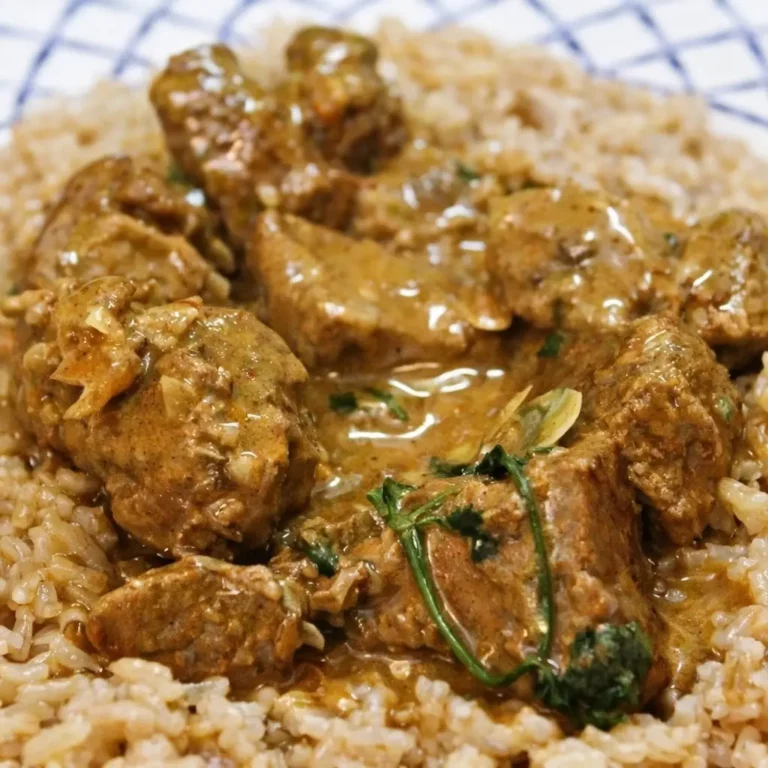
Tender Provençal Pork Medallions with Peppers, Tomatoes and Potatoes
This Provençal-style pork dish is made with seared pork tenderloin medallions, bell peppers, onions, garlic, tomatoes, white wine, herbs de Provence and golden potatoes on the side. It is not a creamy pork recipe and it is not a long pork stew. The sauce gets time to reduce, but the pork goes back in near the end so it stays tender.
This recipe is based on my YouTube video, with a few adjustments since publication. The main adjustment is the cooking time for the pork. In the video, the dish has that generous rustic feeling, but for a written recipe that people will reproduce at home, I prefer to protect the pork tenderloin from overcooking. The sauce can simmer. The pork should not simmer forever.
What I look for here is a sauce that smells like wine, tomatoes and warm herbs, with peppers that have softened but still keep some shape. The mistake to avoid is boiling the pork medallions for too long. Pork tenderloin is lean, so once it is cooked, it does not need much more time.

What is Provençal-style pork?
Provençal-style pork usually means pork cooked with ingredients associated with the south of France, especially tomatoes, garlic, olive oil, peppers, wine and herbs de Provence. This version uses pork tenderloin cut into medallions, so it cooks faster than a braised pork shoulder or a heavy stew.
I make it this way because the dish keeps the sunny, tomato-wine flavor of a Provençal sauce, but the meat stays more delicate. It is a good recipe for a cold day when you want color in the pan, but it also works in summer when peppers and tomatoes feel natural on the table.
Why this version works
The flavor comes in layers. First, the pork is browned in hot oil. Then the onions and peppers cook in the same pan and pick up that browned flavor from the bottom. When the wine goes in, the pan should hiss a little, and the browned bits should loosen into the sauce.
That step matters. If you want a deeper look at the technique, my guide to deglazing a pan properly explains why the liquid does more than just add moisture. It pulls flavor from the pan.
The other important part is timing. Pork tenderloin medallions cook quickly. If they stay in the sauce for the full reduction, they can become dry even if the sauce tastes good. I prefer to sear them first, set them aside, reduce the sauce, then slide them back in at the end.
The sauce should not be watery. At this point, it should look glossy and slightly thick, with the tomatoes broken down and the wine no longer smelling raw. If it seems too thin, let it bubble uncovered a few more minutes. For more sauce troubleshooting, the guide on how to thicken a sauce without ruining it is useful.
Ingredients that matter
Pork tenderloin is the best cut for this quick medallion version. It is lean, mild and easy to slice. If you want a richer, slow-cooked pork dish, choose a different recipe or use shoulder instead. My pork stew with potatoes and carrots is more in that hearty simmered direction.
Bell peppers give the sauce its color and sweetness. I like using two colors when possible, usually red and yellow, because they look good in the pan and soften nicely. Green peppers work, but they bring a sharper flavor.
Onions and garlic are simple, but they need proper timing. The onions can take heat. Garlic cannot. Add it once the peppers and onions have already started to soften. The smell should turn fragrant, not bitter. If garlic often burns in your pan, my guide to mincing garlic without burning it is a good basic technique to keep close.

White wine gives acidity and brightness. Use a dry white wine, not sweet. The wine should reduce before the tomatoes and stock go in. If you rush that step, the sauce can taste flat and a little harsh.
Beef stock may sound heavier than chicken stock, but it works well here because it gives the sauce a deeper bistro-style base. I keep the amount controlled so it does not cover the Provençal flavor. Too much stock and the dish becomes more like a brown stew.
How this recipe is different from similar pork recipes
This dish is tomato-based, wine-reduced and herb-forward. That separates it from my creamy pork tenderloin medallions, where the sauce is richer and softer. It is also different from honey garlic pork tenderloin, which is sweeter and more glazed.
It is not a sheet-pan supper either. If you want pork and potatoes cooked together with less sauce, the one-pan pork chops and potatoes recipe is closer to that style.
This one sits between a quick pan sauce and a rustic French family dish. The vegetables and sauce take their time, but the meat stays quick.
Step-by-step instructions
Start by slicing the pork tenderloin into thick medallions. Pat them dry with paper towel. This sounds small, but it helps a lot. Wet pork steams before it browns.


Season the pork with salt and pepper. Heat a large skillet or sauté pan over medium-high heat and add olive oil. When the oil looks shiny and moves easily across the pan, add the pork in a single layer. Do not crowd the pan. Brown the medallions on both sides, then remove them to a plate. They do not need to be fully cooked yet.
Lower the heat slightly and add the onions and bell peppers. Scrape the pan as they cook. The vegetables should soften and pick up some color around the edges. Add the garlic and cook briefly, just until it smells good.


Add the Cognac if using. Let it bubble and reduce. If you flambé, do it carefully and away from anything flammable. You can also skip the flame and simply let the alcohol cook off.
Pour in the white wine. Let it reduce by about half. You know it is ready when the sharp alcohol smell calms down and the liquid looks more concentrated.


Add diced tomatoes, beef stock and herbs de Provence. Stir well. Let the sauce simmer uncovered until it thickens slightly and the peppers are tender. This usually takes 25 to 35 minutes.
While the sauce cooks, prepare the potatoes. I prefer to parboil them first because it makes the final browning more reliable. Cook them in salted water until just tender, drain well, then brown them in olive oil. The edges should be golden, and the centers should feel soft when pierced.


Return the pork to the sauce for the final 5 to 8 minutes, depending on thickness. The medallions should be just cooked through. Use a thermometer if you want precision. For general meat doneness, the internal cooking temperature chart is a helpful reference.

Taste the sauce at the end. Reduction changes everything. It may need salt, pepper, or a small pinch more herbs. If seasoning is something you prefer to measure more carefully, my guide on how to season a recipe properly gives a practical way to think about it.

Substitutions
Pork tenderloin can be replaced with pork loin, but slice it thinner and watch the cooking time. Pork chops also work, though the texture is different. For a bone-in pork chop version, I would follow the same general sauce idea but cook the meat according to thickness.
Chicken stock can replace beef stock for a lighter sauce. Vegetable stock works too, but the sauce will be less deep.
No Cognac? Skip it. Add a splash more white wine instead.
Fresh tomatoes can replace canned tomatoes in summer. Use ripe tomatoes, chopped, and let them cook longer until they collapse into the sauce.

Herbs de Provence are the obvious choice, but thyme and rosemary can help if that is what you have. Go easy with rosemary. It can take over fast.
For the potatoes, roasted potatoes, mashed potatoes or a gratin all work. If you want something richer on the side, a creamy French potato gratin makes the plate feel more like a bistro dinner.
Health and nutrition context
This is a protein-rich pork dinner with vegetables and potatoes. Pork tenderloin is leaner than many other pork cuts, which is why the cooking method matters so much. The sauce is tomato and wine based, not cream based, so it feels lighter than a creamy pork dish, but it is still a hearty plate because of the potatoes and olive oil.
For a lighter serving, add more peppers and onions and serve smaller portions of potatoes. For a bigger comfort-food plate, spoon extra sauce over the potatoes.
FAQ
Can I make this ahead?
Yes, but I prefer to make the sauce ahead and cook the pork fresh. If the pork is already cooked, reheat it gently in the sauce over low heat. Do not boil it hard.
Can I use pork shoulder instead?
Yes, but then it becomes a different recipe. Pork shoulder needs a long simmer, usually much longer than tenderloin. Cut it into cubes and cook until tender. The sauce may need more stock.
Can I skip the wine?
Yes. Use extra stock with a small splash of vinegar or lemon juice at the end. It will not taste exactly the same, but you still need some acidity to balance the tomatoes and pork.
Why is my sauce watery?
It probably did not reduce enough, or the pan was covered. Simmer uncovered. The bubbles should be steady but not violent. A wide pan helps evaporation.
Why did my pork turn dry?
It cooked too long. Sear it, remove it, and return it only near the end. Pork tenderloin is not a long-braise cut.
Can I serve this without potatoes?
Yes. It works with rice, pasta, crusty bread or a salad. If you want a fresh side, a crisp mesclun salad gives a nice contrast to the warm tomato sauce.
What to serve with it and what to cook next
Serve this with golden potatoes, rice, pasta or crusty bread. If you want to keep the meal French and comforting, pair it with traditional gratin dauphinois. For something fresher, try a crunchy red endive salad or a simple green salad.
For another pork dinner with a different direction, try stuffed pork tenderloin when you want something more oven-style, pork bourguignon when you want a deeper braised sauce, or browse more easy pork recipes for family dinners.

Tender Provençal Pork Medallions with Peppers, Tomatoes and Potatoes
Ingredients
- For the pork and sauce
- 1 3/4 to 2 lb pork tenderloin cut into thick medallions
- 2 bell peppers sliced or diced
- 2 medium onions sliced
- 3 garlic cloves minced
- 1 can diced tomatoes 14.5 oz
- 1 cup dry white wine
- 1 cup beef stock
- 2 tbsp Cognac optional
- 1 tbsp herbs de Provence
- 2 tbsp olive oil plus more as needed
- 1 1/2 tsp kosher salt divided, plus more to taste
- 1/2 tsp black pepper plus more to taste
- For the potatoes
- 2 lb potatoes peeled or unpeeled, cut into chunks
- 2 tbsp olive oil
- 1 tsp kosher salt plus more to taste
- 1/4 tsp black pepper
- 1/4 tsp turmeric optional, for color
Instructions
- Pat the pork medallions dry. Season with part of the salt and pepper.
- Heat olive oil in a large skillet over medium-high heat. Sear the pork on both sides until browned, then remove to a plate. The pork does not need to be fully cooked yet.
- In the same pan, add the onions and bell peppers. Cook until softened and lightly colored, scraping the bottom of the pan.
- Add the garlic and cook for 30 seconds to 1 minute, just until fragrant.
- Add the Cognac, if using, and let it reduce. Carefully flambé if desired, or simply let the alcohol cook off.
- Pour in the white wine and simmer until reduced by about half.
- Add the diced tomatoes, beef stock and herbs de Provence. Simmer uncovered for 25 to 35 minutes, until the sauce thickens and the peppers are tender.
- Meanwhile, boil the potatoes in salted water until just tender. Drain well.
- Brown the drained potatoes in olive oil with salt, pepper and turmeric, if using, until golden on the edges.
- Return the pork medallions to the sauce and simmer gently for 5 to 8 minutes, or until just cooked through.
- Taste the sauce and adjust salt, pepper and herbs if needed.
- Serve the pork with the Provençal vegetables, sauce and golden potatoes.
Video
Notes
FAQ
Can I make this ahead?
Yes, but I prefer to make the sauce ahead and cook the pork fresh. If the pork is already cooked, reheat it gently in the sauce over low heat. Do not boil it hard.Can I use pork shoulder instead?
Yes, but then it becomes a different recipe. Pork shoulder needs a long simmer, usually much longer than tenderloin. Cut it into cubes and cook until tender. The sauce may need more stock.Can I skip the wine?
Yes. Use extra stock with a small splash of vinegar or lemon juice at the end. It will not taste exactly the same, but you still need some acidity to balance the tomatoes and pork.Why is my sauce watery?
It probably did not reduce enough, or the pan was covered. Simmer uncovered. The bubbles should be steady but not violent. A wide pan helps evaporation.Why did my pork turn dry?
It cooked too long. Sear it, remove it, and return it only near the end. Pork tenderloin is not a long-braise cut.Can I serve this without potatoes?
Yes. It works with rice, pasta, crusty bread or a salad. If you want a fresh side, a crisp mesclun salad gives a nice contrast to the warm tomato sauce.🔗 Useful Links
🛒 Michel Dumas Shop : Explore our kitchen essentials, including aprons and knives.
🌐 Linktree : Access all our important links in one place.
📱 YouTube | Instagram | Facebook | TikTok : Follow us for the latest recipes and culinary tips.