Homemade Chocolate Ice Cream with French Custard
This homemade chocolate ice cream uses a cooked egg-yolk custard and dark chocolate for a dense, deeply chocolate result. I make it this way because the yolks give the base body even though the original video recipe uses milk rather than cream; the mistake to avoid is overheating the custard, and the visual cue is a glossy mixture that coats a spatula without boiling.
{VIDEO}
What Makes This Chocolate Ice Cream Different
This is a French-style chocolate ice cream, meaning the base is thickened with egg yolks like a crème anglaise before it is chilled and churned. It is richer and more structured than a simple milk ice, but it is not the same as my no-churn dark chocolate ice cream, which relies on a different method and does not require a cooked custard.
The recipe comes from my YouTube video, with a few clarifications added since publication. The video calls for 1 litre of milk, 250 g each of dark chocolate and sugar, and 10 yolks. Those proportions do work, but they make a very sweet, yolk-rich base. Use genuinely unsweetened dark couverture if you want to stay faithful. If your chocolate already contains sugar, reduce the granulated sugar to taste or the finished ice cream can be cloying.
There is no heavy cream in the original formula. That gives a strong chocolate flavour and a slightly firmer, less buttery texture. It can also freeze harder than a modern cream-based ice cream, so let the container stand at room temperature for 5 to 10 minutes before scooping. The plentiful yolks and dissolved sugar help keep it smooth, but fast chilling and proper churning still matter.
Ingredients You Need
Whole milk provides the liquid base. Dark unsweetened couverture supplies cocoa solids and cocoa butter, while the yolks emulsify the mixture and help it coat the tongue. Granulated sugar sweetens the bitter chocolate and lowers the freezing point. A small pinch of salt is optional but useful because it sharpens the chocolate flavour without making the dessert taste salty.

Use a chocolate you enjoy eating. Couverture melts evenly because of its cocoa-butter content. Unsweetened baking chocolate also works, but read the package carefully: bittersweet and semisweet chocolate contain sugar and require an adjustment. For more ideas in the same flavour family, see my collection of easy chocolate desserts and this flourless chocolate cake.
Step-by-Step Instructions
1. Melt the chocolate in the milk
Pour the milk into a heavy saucepan and add the chopped chocolate. Warm over low heat, stirring and scraping the bottom, until the chocolate has completely melted and the mixture is uniform. Do not rush this stage. Chocolate caught on the bottom can scorch and give the entire batch a bitter, burnt taste.

The mixture should steam lightly but should not boil. If you see dark specks sticking to the pan or smell anything toasted, take it off the heat immediately and transfer the clean portion to another saucepan without scraping up the scorched layer.
2. Mix the yolks and sugar
Separate the eggs and place the 10 yolks in a bowl. Add the sugar and whisk just until evenly blended and the sugar begins to dissolve. There is no need to whip the mixture until pale and foamy. Too much air makes it harder to judge the texture during cooking. Freeze the whites for another recipe if desired.

3. Temper the yolks
While whisking steadily, pour about one-third of the hot chocolate milk into the yolk mixture. This gradually raises the yolks’ temperature. Pour the tempered mixture back into the saucepan with the remaining chocolate milk and stir until even.

Tempering is important, but temperature is only half the story. Keep the hot liquid moving as it meets the yolks. Pouring it all in at once or leaving it to sit can create small pieces of scrambled egg.
4. Cook the custard gently
Return the saucepan to low heat. Stir continuously with a heatproof spatula, reaching across the entire bottom and into the corners. Cook to about 175°F, or until the base coats the spatula and a finger drawn through it leaves a clean line that does not immediately run together. Never let it boil.

An instant-read thermometer is the safest guide. The custard will continue warming slightly from the pan’s residual heat, so stop at the target rather than waiting for visible bubbling. If it reaches a boil, the yolks may curdle and the chocolate can become grainy.
5. Chill, churn, and firm
Set the saucepan or a clean bowl of custard into an ice bath and stir to stop the cooking. Once cool, cover and refrigerate until thoroughly cold, preferably at least 4 hours. A cold base freezes faster in the machine, producing smaller ice crystals.

Freeze the ice-cream maker bowl according to its manufacturer’s directions. Fill it no more than three-quarters full and churn until the ice cream resembles thick soft serve, usually 20 to 30 minutes depending on the machine. Transfer to a chilled container, press parchment against the surface if desired, and freeze for 2 to 4 hours for scoopable firmness.

Chef’s Notes for a Smooth Result
What I look for during custard cooking is resistance against the spatula, not thickness like pudding. The base thickens more as it cools. If it already looks like pastry cream in the saucepan, it has probably gone too far.
Another useful cue is the sound of the churn. As the mixture freezes, the motor labours slightly and the surface folds instead of splashing. Stop before the dasher can no longer move. Overfilling the bowl or starting with a warm base leads to slow freezing and larger ice crystals.
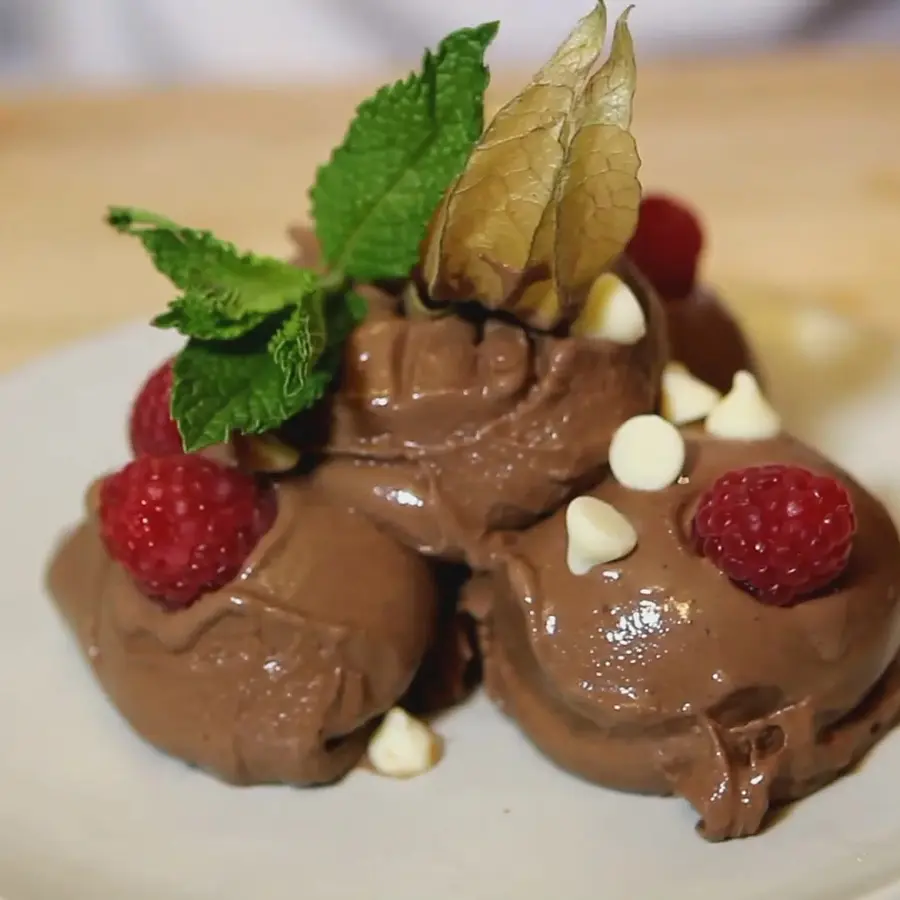
This is a rich dessert rather than a light snack. Small servings are satisfying, especially with fresh raspberries or cherries, which bring acidity against the chocolate. For another custard-based French dessert, try crème brûlée with a caramelized top or traditional crème caramel.
Storage and Serving
Store the ice cream in a shallow airtight container for up to two weeks. A shallow container freezes faster and reduces the time the base spends forming large crystals. Keep it toward the back of the freezer, where the temperature changes less often than it does near the door.
Because this formula contains milk but no cream, it becomes quite firm in a cold home freezer. Rest it briefly on the counter, then use a scoop dipped in warm water and wiped dry. Serve with berries, shaved white chocolate, or a spoonful of homemade chocolate sauce.
Substitutions
You may replace unsweetened couverture with bittersweet chocolate, but reduce the granulated sugar because the chocolate brings its own sweetness. The exact reduction depends on the cacao percentage and brand. Whole milk gives the best balance in the original method; lower-fat milk increases the chance of an icy texture. A portion of the milk can be replaced with heavy cream for a softer, richer result, although that changes the original recipe.
Do not replace the yolks one-for-one with whole eggs. Egg whites set at a different temperature and can make the base grainy. For a recipe designed around a different base, use the no-churn chocolate version rather than forcing this custard formula.

FAQ
Does the original recipe work?
Yes. It produces a real churned chocolate custard ice cream. Its unusual points are the absence of cream and the high quantities of yolks and sugar. With unsweetened chocolate, careful low-heat cooking, complete chilling, and an ice-cream maker, the result should be rich and smooth. It will freeze firmer than many commercial ice creams.
Why did my custard curdle?
The heat was probably too high or the temperature passed the target. Stir constantly, use low heat, and stop near 175°F. If you see only a few tiny lumps, immediately strain the hot base through a fine sieve and chill it over ice.
Can I make it without an ice-cream maker?
This formula is intended for churning. Freezing it in a container without agitation will create a denser, icier block. Use a purpose-built no-churn recipe if you do not have a machine.
Can I use sweetened dark chocolate?
Yes, but the sugar must be reduced. Since brands differ, taste the cooled base before churning. It should taste a little sweeter than you want the frozen dessert to taste because cold dulls sweetness.
What can I do with the egg whites?
Freeze them in a labelled container for meringue or another dessert. Thaw overnight in the refrigerator. Pair the ice cream with chocolate profiteroles if you want a more elaborate plated dessert.
Suggested Posts
Continue with ultra-rich chocolate mousse, chocolate éclairs, raspberry clafoutis, French fruit tart, or dark chocolate cake.

Homemade Chocolate Ice Cream with French Custard
Ingredients
- 4 1/4 cups whole milk
- 8.8 oz unsweetened dark couverture chocolate chopped
- 1 1/4 cups granulated sugar
- 10 large egg yolks
- 1 pinch fine salt optional
Instructions
- Warm the milk and chocolate over low heat, stirring until completely melted.
- Whisk the egg yolks with the sugar just until smooth.
- Temper the yolks with one-third of the hot chocolate milk, then return everything to the saucepan.
- Cook over low heat, stirring constantly, to 175°F or until the custard coats a spatula.
- Cool immediately over an ice bath, then refrigerate until thoroughly cold.
- Churn in a frozen ice-cream maker bowl for 20 to 30 minutes, then freeze until firm.