Creamy Garlic Parmesan Sauce for Wings and Dipping
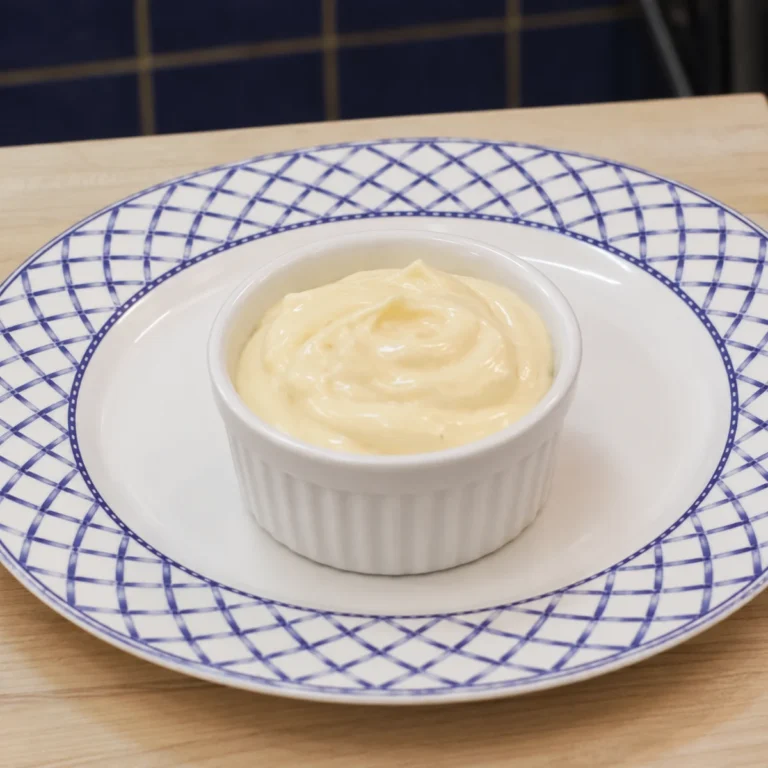
Garlic Parmesan sauce is a creamy stovetop sauce made with gently cooked garlic, milk, cream and finely grated Parmesan. A small flour-and-butter base gives it enough body to coat a spoon without becoming a heavy cheese dip. Add the cheese off the heat so the sauce stays smooth instead of turning grainy.

Why this recipe works
This homemade garlic Parmesan sauce works as a finishing sauce for chicken, a dip for bread or a light coating for cooked pasta. The garlic should taste mellow and fragrant rather than browned. Milk keeps the texture fluid, cream gives roundness, and Parmesan supplies salt and savory depth. A small amount of lemon juice brightens the finish without making it taste lemony. The yield is about one and a half cups, enough for several small servings rather than a large casserole of pasta.
Different sauce bases suit different meals. homemade barbecue sauce brings a tomato-and-vinegar barbecue profile, while garlic yogurt sauce offers a cool dairy-and-garlic option. For a sauce whose job is binding a baked dish, homemade béchamel sauce uses a flour-thickened milk base. The recipes in five chicken marinades show other ways to season poultry before cooking. Keep the method and storage guidance attached to the particular sauce you choose, since a marinade, a dip and a cooked binder have different uses.
Ingredients and what to look for
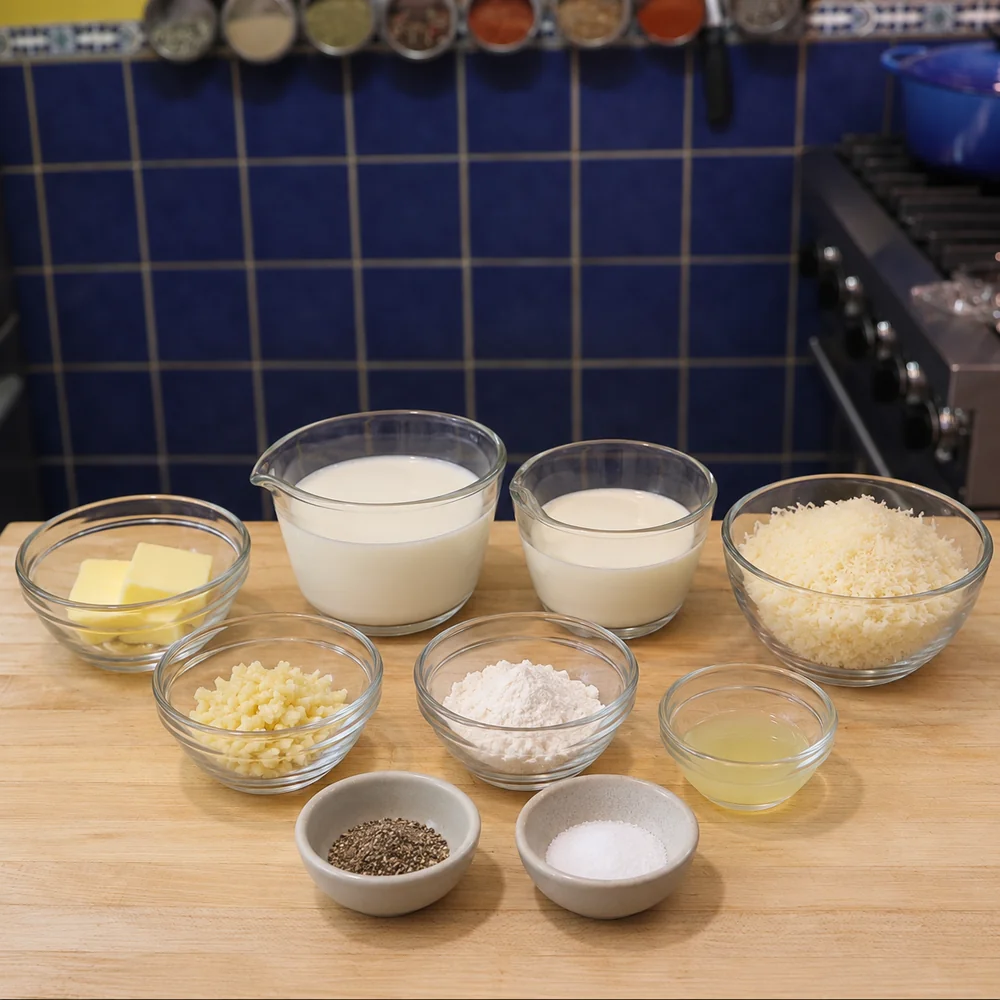
2 tbsp unsalted butter
4 garlic cloves, finely minced
1 tbsp all-purpose flour
3/4 cup whole milk
1/2 cup heavy cream
3/4 cup finely grated Parmesan, loosely packed
1/4 tsp ground black pepper
Up to 1/4 tsp fine salt, to taste
1 tsp fresh lemon juice
Grate Parmesan finely from a piece if possible. Coarse shreds melt slowly and can leave uneven strings; some packaged grated cheeses contain anti-caking ingredients that affect smoothness. Use fresh garlic minced very small so it softens quickly. The flour amount is deliberately modest because Parmesan thickens the sauce further. Measure the dairy before heating the pan. Once garlic meets warm butter, having the next ingredients ready prevents it from browning while you search the refrigerator.
How to make it
Melt the butter over moderate heat and soften the garlic without color. Stir in the flour and cook briefly, keeping it pale. Add the milk a little at a time while whisking, then the cream. Scrape the corners of the saucepan, where small flour lumps like to collect. Bring to a gentle simmer until lightly thickened, then remove the pan from the burner. Stir in Parmesan in small additions. Let each addition melt before the next, then adjust pepper, salt and lemon. Use the smallest burner that heats the pan evenly. A broad flame rising around a small saucepan can brown garlic at the sides while the liquid in the middle is still warming. Move the pan off the burner completely when adding cheese; turning the control down does not immediately remove the heat stored in a heavy pan or electric element.
Step 1
Melt butter over medium-low heat in a small saucepan. Add garlic and stir for 30 to 45 seconds without browning. Stir in flour and cook for 1 minute.

Step 2
Gradually whisk in milk, then cream. Simmer gently for 3 to 4 minutes, whisking, until lightly thickened.

Step 3
Remove from the heat. Add Parmesan in small handfuls, stirring smooth. Add pepper and lemon juice; taste before adding salt. Loosen with a splash of milk if needed. Makes about 1 1/2 cups; one serving is 2 tbsp.

Practical cooking details
Choose the final thickness according to the meal. A spoonable sauce stays in place as a dip, while a slightly looser one spreads more evenly over rice or cooked meat. Make the first adjustment in a small bowl instead of changing the entire batch. That way the main container keeps its intended balance, and a serving can be thinned only as much as necessary. The food underneath contributes salt, fat and moisture of its own, so tasting the sauce with that food is more useful than repeatedly tasting it alone.
When scaling a small sauce, measure seasonings before adding them and keep a little room for a final adjustment. Garlic cloves, citrus fruit and hot peppers vary in strength even when their count is the same. Add the main liquid and aromatic ingredients in the stated proportions first, then judge the finished texture at serving temperature. A warm sauce can feel thinner than it will after cooling, while a cold dairy sauce may loosen as it sits briefly on the plate. Keep the clean reserve separate from the serving bowl.
Troubleshooting
If the sauce becomes grainy, the cheese may have met too much heat. Remove it from the burner and whisk in a small splash of warm milk. This can improve the texture, although severely separated cheese will not always become perfectly smooth again. A sauce that seems too thick may simply have cooled. Warm it gently before deciding whether it needs more milk. Do not boil aggressively to fix thinness after the cheese has been added.
Substitutions
Pecorino can replace part of the Parmesan, but it is saltier and sharper. Start with a smaller amount and taste. Half-and-half can replace the milk and cream combined for a slightly different richness. Roasted garlic gives a sweeter character, though it should be mashed smooth before adding. For a flour-free sauce, use a separate cornstarch method rather than substituting the same spoonful into butter and expecting it to behave like a wheat-flour roux.
Frequently asked questions
Can I use garlic Parmesan sauce for wings?
Yes, as a finishing coating. Cook the wings fully, then toss with a small amount of warm sauce just before serving. Too much dairy sauce will soften a crisp coating. Put extra sauce in a separate bowl so everyone can add it at the table without saturating the whole batch.
How much pasta will this sauce cover?
It can lightly coat about 8 oz dry pasta once cooked, depending on the shape and how saucy you prefer it. Reserve pasta water and add a small splash while tossing. For a full pound of pasta, make a larger batch rather than stretching this quantity until the flavor disappears.
Can I make the sauce ahead?
Yes, but it thickens in the refrigerator. Reheat over low heat with a little milk, whisking frequently. Keep it below a hard boil and taste after warming. Freshly grated Parmesan generally reheats more smoothly than coarse packaged shreds, but a dairy cheese sauce is still at its best shortly after preparation.
Storage and make-ahead
Transfer leftover sauce to a shallow covered container and refrigerate within two hours. Use within three days. Reheat only the amount needed and keep dipping utensils out of the storage container. Freezing is possible but may leave the dairy slightly separated, so a fresh batch is preferable when a smooth coating matters. Any sauce that has touched raw chicken should not be returned to the clean batch or offered as a ready-to-eat dip.
What to serve with it and related recipes
For chicken meals, air fryer chicken wings and air fryer chicken drumsticks are useful recipes to prepare independently before choosing a finishing sauce. oven barbecue chicken drumsticks gives a separate barbecue direction for an oven dinner. A small serving of sauce can also be offered beside chicken shawarma wraps, with the wrap’s own dressing considered before adding more. For a dipping plate, crispy homemade fries or air fryer roasted potatoes provides a crisp potato base. Put a modest amount of sauce in a serving bowl, taste with the food, and keep the clean reserve chilled as appropriate instead of dressing the whole meal more heavily than needed.

Creamy Garlic Parmesan Sauce for Wings and Dipping
Ingredients
- 2 tbsp unsalted butter
- 4 garlic cloves finely minced
- 1 tbsp all-purpose flour
- 3/4 cup whole milk
- 1/2 cup heavy cream
- 3/4 cup finely grated Parmesan loosely packed
- 1/4 tsp ground black pepper
- Up to 1/4 tsp fine salt to taste
- 1 tsp fresh lemon juice
Instructions
- Melt butter over medium-low heat in a small saucepan. Add garlic and stir for 30 to 45 seconds without browning. Stir in flour and cook for 1 minute.
- Gradually whisk in milk, then cream. Simmer gently for 3 to 4 minutes, whisking, until lightly thickened.
- Remove from the heat. Add Parmesan in small handfuls, stirring smooth. Add pepper and lemon juice; taste before adding salt. Loosen with a splash of milk if needed. Makes about 1 1/2 cups; one serving is 2 tbsp.