Easy Homemade Maki Rolls with Salmon, Tuna, Avocado and Tobiko
Homemade maki rolls are all about balance: seasoned sushi rice that is sticky but not mushy, cold fresh fish, clean cuts, and just enough filling so the roll closes properly. This recipe is based on my YouTube video, with a few adjustments since publication, especially clearer rice seasoning, more precise quantities, and better raw-fish safety notes.
Makis are Japanese-style rolled sushi made with nori, sushi rice, and fillings like fish, avocado, cucumber, tobiko, or sesame. They are different from a poke bowl because everything is rolled tightly and sliced into small pieces, but the same clean fish-and-rice logic applies. I make them when I want something fresh, generous, and fun to share at the table, especially when I can get excellent fish from a trusted fishmonger.

What Makes This Recipe Different
I make it this way because the rice is the real structure of the roll. If the rice is under-seasoned, the maki tastes flat. If it is too wet, the nori softens and the roll becomes heavy. The goal is rice that sticks together when pressed lightly, but still shows separate grains.
The original video uses salmon, tuna, avocado, cucumber, tobiko and sesame. That gives a colorful, generous roll, but the mistake to avoid is overfilling. A big roll looks beautiful for two seconds, then cracks, leaks, or becomes impossible to cut cleanly. Keep the filling in a narrow line and let the rice do its job.
This recipe is different from my salmon, tuna and shrimp poke bowl because the rice here needs to be seasoned and cooled for rolling, not served warm in a bowl. It is also different from cooked salmon recipes like pan-seared salmon or oven-baked salmon because the fish is served raw, so quality and handling matter much more.
Ingredients You Need
Use short-grain sushi rice, not long-grain rice. Short-grain rice has the right starch level to hold together without turning into paste. Rinse it until the water runs much clearer, then let it soak before cooking. What I look for after cooking is a glossy rice that feels tacky, not watery.
For the fish, use salmon and tuna sold specifically for raw consumption by a trusted fishmonger. “Very fresh” is not enough as a recipe instruction. Keep the fish cold, cut it on a clean board, and assemble the rolls close to serving time. If you prefer a cooked option, see the substitutions below.
The vinegar mixture is simple: rice vinegar, sugar and salt. I prefer to dissolve the sugar and salt in warm vinegar, then fold it into the rice. It seasons more evenly than sprinkling salt on top afterward.
For the filling, avocado gives creaminess, cucumber gives crunch, tobiko gives a little pop, and sesame adds a nutty finish. If you like fish-forward recipes, this sits in the same fresh seafood family as tuna salad with eggs and tuna tartare with lime and sriracha, but the seasoning here stays more delicate.
Step-by-Step Instructions
1. Rinse and soak the rice
Place the sushi rice in a bowl and rinse it under cold water. Stir the rice gently with your hand, drain, and repeat until the water is much less cloudy. It does not need to be perfectly clear, but it should not look milky anymore.
Cover the rinsed rice with water and let it soak for 30 minutes. This helps the grains cook more evenly. Drain well before cooking.
2. Cook the rice
Add the drained rice and measured water to a heavy pot. Bring it to a boil, then reduce the heat to low, cover, and cook for about 20 minutes. Do not keep lifting the lid. The steam is doing the work.
Turn off the heat and let the rice sit for 10 minutes. When you open the pot, the rice should look plump and glossy, with no puddle of water at the bottom.
3. Season and cool the rice
Warm the rice vinegar in a small saucepan. Add the sugar and salt, then stir until dissolved. Do not boil it hard. You just want the seasoning to melt together.
Transfer the hot rice to a wide dish. Pour the vinegar mixture over it gradually, folding with a spatula. Use cutting motions instead of mashing. At this point, it should smell lightly sweet and vinegary, but not aggressive. Let the rice cool to room temperature before rolling.
4. Prepare the fillings
Cut the salmon and tuna into long strips. Keep them cold while you prepare the vegetables. Cut the cucumber into thin sticks. Halve the avocados, remove the pits, scoop out the flesh, and slice into strips.
If the avocado is very ripe, handle it gently. Soft avocado tastes good, but it can smear across the rice and make the roll harder to close.
5. Fill the nori
Place one sheet of nori on a bamboo mat, shiny side down and rough side up. Wet your fingers lightly with water and spread a thin layer of rice over the nori, leaving about 1/2 inch uncovered at the far edge.
Add a narrow line of filling near the lower third: salmon with avocado and tobiko, tuna with cucumber and sesame, or a mix of salmon and tuna for a deluxe version. The filling should look generous but not piled high.
6. Roll and tighten
Lift the bamboo mat from the side closest to you and roll the nori over the filling. Press gently but firmly. Continue rolling until the seam closes. The roll should feel compact, not crushed.
If the edge does not seal, touch it with a little water and press again. Place the roll seam-side down while you finish the rest.
7. Slice and serve
Dip a sharp knife in hot water, wipe off the excess, and cut each roll into 6 to 8 pieces. Clean and moisten the blade between cuts. You know the knife is working well when the rice stays clean at the edges instead of dragging across the fish.
Serve with soy sauce, wasabi and pickled ginger. These makis are best eaten soon after assembly, while the nori still has a little bite and the fish is cold.
Food Safety Notes for Raw Fish
This recipe contains raw fish. Use only fish sold for raw consumption by a trusted supplier and keep it refrigerated until assembly. If you are unsure, choose a cooked filling instead.
This recipe is not recommended for pregnant people, young children, older adults, or anyone with a weakened immune system. Keep your board, knife and hands very clean, and do not let raw fish sit at room temperature for a long time.
Cooked rice also needs care. Season it, cool it, and use it the same day. For the best texture and safety, assemble the makis close to serving time.
What to Serve With Homemade Makis
These makis can be served as a main dish or as part of a larger spread. For a fresh side, I like something crisp and acidic, such as marinated red cabbage salad or a quick romaine and endive green salad. A small bowl of 2-minute lemon vinaigrette on a green salad works well because it cuts through the richness of the avocado and fish.
For a larger seafood meal, pair these rolls with garlic butter shrimp or keep the theme light with easy fish recipes for weeknight dinners. If you want more salmon ideas for another day, the best salmon recipes collection is a good place to continue.
Substitutions
If raw fish is not an option, use cooked shrimp, smoked salmon, crab-style sticks, seared tuna, cooked salmon, or even an omelet cut into strips. The texture changes, but the rolling method stays the same. For a cooked salmon direction, you can borrow the idea from air fryer salmon bites and cut them small enough to fit inside the roll.
For a vegetarian version, use avocado, cucumber, carrot, sesame, pickled vegetables, or marinated tofu. Keep the pieces long and thin so the roll closes easily.
If you do not have tobiko, use sesame seeds only. If you do not like wasabi, skip it. If you want something more casual and less precise, make the same ingredients as a bowl instead of rolls, similar in spirit to a poke bowl.
For the rice, do not substitute basmati, jasmine, or parboiled rice. They do not have the same sticky texture. Short-grain sushi rice is what makes the rolls hold together.
FAQ
Can I use regular rice for makis?
No, not if you want the rolls to hold properly. Regular long-grain rice separates too much. Use short-grain sushi rice for the right sticky texture.
Can I make makis ahead of time?
You can prepare the rice and fillings shortly before serving, but assembled makis are best eaten the same day. The nori softens as it sits, and raw fish should not be kept out for long.
How much rice should I put on each nori sheet?
Use a thin, even layer. You should still feel that the rice is not piled heavily. Leave about 1/2 inch uncovered at the top edge so the roll can seal.
Why are my rolls falling apart?
Usually there is too much filling, too much rice, or the roll was not tightened enough with the mat. Start with less filling than you think. The first roll is often the practice one.
Can I make this without raw fish?
Yes. Use cooked shrimp, smoked salmon, cooked salmon, crab-style sticks, omelet, avocado, cucumber or tofu. The result is different but still very good.
Why is my sushi rice mushy?
It was probably not drained well after rinsing, or it cooked with too much water. The rice should be sticky, not wet. Let it rest, season it gently, and cool it in a wide dish.
Suggested Posts
For another fresh seafood recipe, try salmon, tuna and shrimp poke bowl.
For a cooked salmon dinner, make pan-seared salmon.
For a light tuna dish, try salade Niçoise with seared tuna.
For a quick side salad, serve these with romaine and endive green salad.
For more seafood ideas, browse easy fish recipes for weeknight dinners.

Easy Homemade Maki Rolls with Salmon, Tuna, Avocado and Tobiko
Ingredients
- 3 cups short-grain sushi rice
- 3 cups water
- 1/2 cup rice vinegar
- 1/4 cup granulated sugar
- 2 tsp fine salt
- 8 to 10 nori sheets
- 9 oz salmon sold for raw consumption
- 9 oz tuna sold for raw consumption
- 1 small cucumber
- 2 avocados
- 3 tbsp tobiko
- 2 tbsp sesame seeds
- Soy sauce for serving
- Wasabi for serving
- Pickled ginger optional
Instructions
- Rinse the sushi rice under cold water until the water is much less cloudy.
- Soak the rice in cold water for 30 minutes, then drain well.
- Add the drained rice and water to a pot, bring to a boil, cover, reduce to low, and cook for 20 minutes.
- Turn off the heat and let the rice rest, covered, for 10 minutes.
- Warm the rice vinegar with the sugar and salt until dissolved.
- Transfer the rice to a wide dish and gently fold in the vinegar mixture.
- Let the rice cool to room temperature.
- Cut the salmon, tuna, cucumber and avocado into long thin strips.
- Place a nori sheet shiny side down on a bamboo mat.
- Spread a thin layer of rice over the nori, leaving a 1/2-inch border at the top.
- Add a narrow line of fish, avocado, cucumber, tobiko or sesame.
- Roll tightly with the bamboo mat and press gently to seal.
- Repeat with the remaining nori, rice and fillings.
- Slice each roll into 6 to 8 pieces with a damp sharp knife.
- Serve immediately with soy sauce, wasabi and pickled ginger.







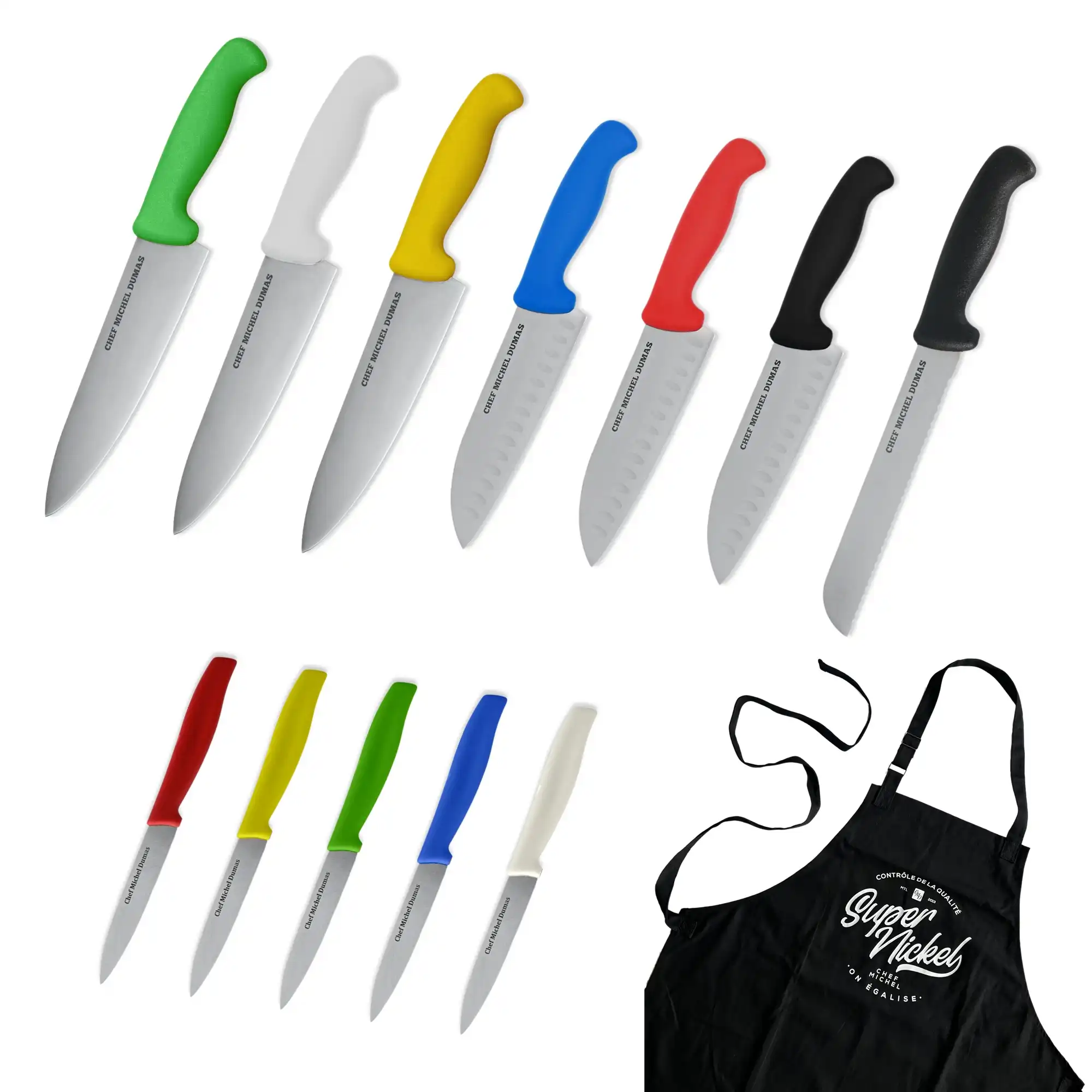 Last chance for our paring knives.