Easy Food Processor Basil Pesto in 10 Minutes
Fresh basil pesto should taste lively, herbal and nutty, with enough Parmesan to round out the garlic without turning the sauce heavy. This food processor version comes together in about 10 minutes, and the key is to stop blending while small flecks of basil are still visible. Avoid running the machine until the pesto becomes warm and completely smooth, because heat dulls its bright green colour and fresh aroma.
{VIDEO}
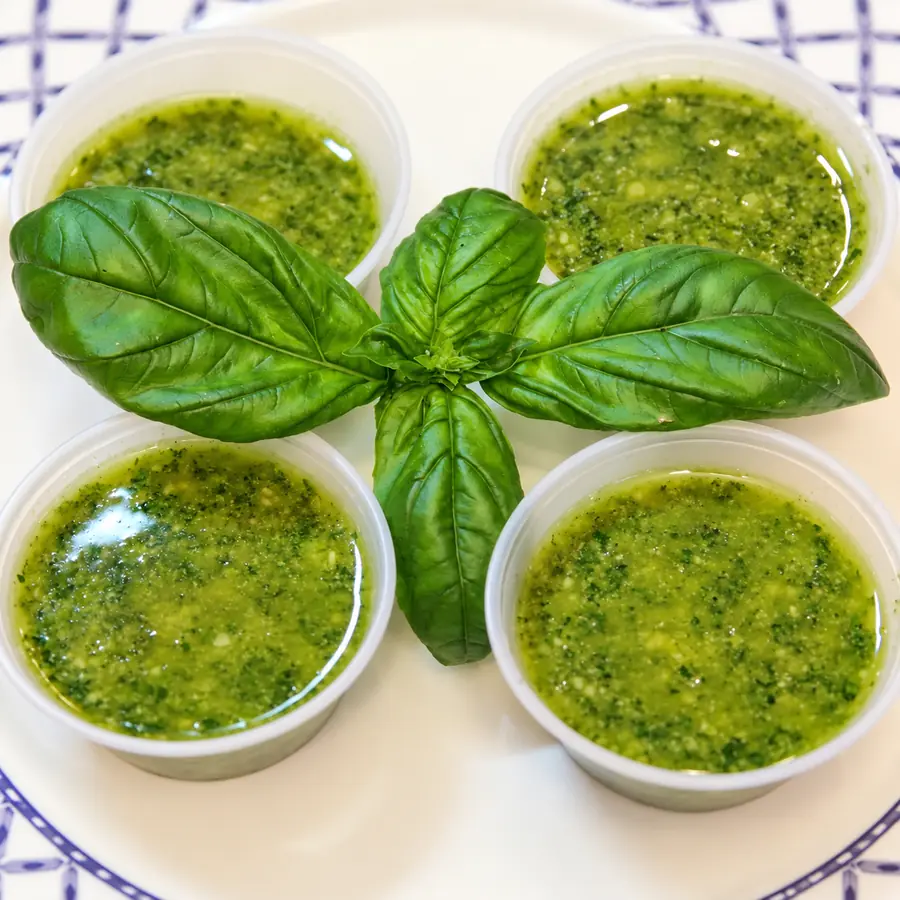
What Makes This Basil Pesto Different
Pesto is an uncooked Italian sauce made from basil, pine nuts, garlic, Parmesan and olive oil. It is useful whenever you want a quick sauce for pasta, grilled vegetables, fish, chicken or bread, and it freezes very well in small portions.
This recipe is based on my YouTube video, with a few adjustments since publication. The automatic transcript appears to say 20 g of basil and about 200 ml of oil. That ratio would make a very loose, oily sauce. The quantity shown on camera is much closer to 120 g of basil, so this written version uses 120 g of leaves and starts with 175 ml of oil. Add more only if the pesto needs it.
I make it this way because the food processor is fast, practical and consistent. Traditional pesto is crushed in a mortar, which gives a beautiful texture, but the processor works well when the ingredients stay cool and the motor is pulsed instead of left running. What I look for is a spoonable sauce that slowly settles back into the bowl. It should not pour like salad dressing.
The garlic is deliberately restrained. One large clove gives the pesto character without overwhelming the basil. Pine nuts provide sweetness and body, while Parmesan adds salt and savoury depth. Since Parmesan and salt vary, season lightly at first and correct the balance after blending.
Ingredients You Need
Fresh basil leaves are the heart of the recipe. Remove thick stems, but tender tips are fine. Wash only if needed, then dry the leaves very thoroughly. Water left on the basil can thin the sauce and shorten its storage life.
Pine nuts give the classic flavour. Use them raw for a delicate result, or toast them very lightly and cool them completely for a nuttier sauce. One large garlic clove is enough. Freshly grated Parmesan blends more evenly than pre-grated cheese and usually has a cleaner flavour.
Choose an olive oil you enjoy tasting. A very bitter oil can become more bitter under the processor blades, so a smooth extra-virgin oil is often the easiest choice. Black pepper is optional but pleasant. Salt should be added carefully because the cheese already contributes plenty.

Step-by-Step Instructions
1. Prepare the basil
Pick the basil leaves from the thick stems and inspect them for bruised or dark pieces. If the basil was rinsed, spread it on a clean towel until completely dry. Loosely pack the leaves when measuring. Do not compress them into a wet mass.

2. Chop the garlic
Peel the garlic and cut it into a few pieces. Add it to the food processor with the basil, a small pinch of salt and the black pepper. Breaking up the clove first prevents a large piece from hiding beneath the blades.

3. Add the oil and process briefly
Pour in about three quarters of the olive oil. Close the processor and pulse several times, stopping to scrape the bowl if leaves collect above the blades. Add the remaining oil gradually. The mixture should look green, moist and coarse, with tiny pieces of basil still visible. If the bowl feels warm, stop and let it cool for a few minutes.

4. Add the pine nuts
Add the pine nuts and pulse just until they are finely chopped. Keeping this stage short preserves a little texture. The sauce should now cling to a spoon but still move easily. Add a teaspoon or two of oil only if it seems stiff or dry.
5. Finish with Parmesan
Add the finely grated Parmesan last and pulse only until combined. Taste before adding more salt. You know the pesto is ready when basil is still the first aroma, the garlic is present but not harsh, and no layer of oil is floating on top.

Spoon the pesto into a clean container. For pasta, loosen it with a little warm pasta water away from direct heat. High heat can make the cheese tighten and can darken the basil. This sauce is also excellent with creamy tomato chicken pasta with basil and Parmesan, spread inside garlic mozzarella breadsticks, or served beside pesto-crusted rack of lamb.

Chef’s Notes for Better Texture and Colour
The most common mistake is overprocessing. A processor can warm a small batch quickly, especially when the oil is added all at once. Short pulses help keep the basil greener and stop the nuts from turning into paste.
Dry basil matters more than many cooks expect. Even a small amount of wash water can make the pesto look separated. Another useful cue is the sound of the processor: once the blades move freely and the mixture circulates, it usually needs only a few more pulses.
Do not cook pesto in a hot frying pan. Toss it with drained pasta after removing the pan from the heat, then use pasta water to adjust the consistency. For a fresh tomato pairing, spoon it over homemade tomato sauce or add a small amount to fresh tomato and pancetta sauce.
Storage and Freezing
Press the pesto into a small airtight container and cover the surface with a thin film of olive oil. Refrigerate for up to three days. The surface may darken slightly from contact with air, but the sauce underneath should remain fragrant and green.
For longer storage, freeze it in small containers or an ice-cube tray, then transfer the frozen portions to a sealed freezer bag. It keeps well for about three months. Thaw only what you need in the refrigerator. If you know the full batch is going into the freezer, you may hold back the Parmesan and stir it in after thawing for the freshest flavour.
Substitutions
Walnuts, almonds or unsalted cashews can replace pine nuts, although each changes the flavour. Pecorino Romano can replace some or all of the Parmesan, but it is saltier, so delay seasoning until the end. For a milder sauce, reduce the garlic to half a clove. If basil is limited, replace no more than one quarter with flat-leaf parsley so the sauce still tastes clearly of basil.
For a nut-free version, use toasted sunflower seeds if they suit your dietary needs. The result will not be traditional pesto, but it will have similar body. Lemon juice is not required; a few drops can brighten a dull batch, though too much will push the sauce toward a vinaigrette. This pesto is richer than a herb sauce or quick garlic aioli because the nuts, cheese and oil are all essential to its texture.

FAQ
Why did my pesto turn dark?
Basil darkens when it is bruised, heated or exposed to air. Use dry leaves, pulse briefly, keep the processor bowl cool and store the pesto with its surface covered. The colour can change slightly without the pesto being spoiled.
Can I make pesto without pine nuts?
Yes. Walnuts, almonds, cashews or sunflower seeds work, but the flavour will be different. Start with the same weight and adjust the oil only after blending.
Should I toast the pine nuts?
It is optional. Raw pine nuts give a softer, more traditional flavour. Lightly toasted nuts taste deeper, but they must cool completely before touching the basil.
How much pesto should I use for pasta?
Start with about 1/3 cup for 12 oz of dry pasta. Toss away from direct heat, then add warm pasta water a spoonful at a time until the sauce coats every piece.
Can I reduce the olive oil?
Yes, within reason. Begin with about 2/3 cup and add only enough to make the processor move and create a spoonable sauce. Too little oil can leave the pesto dry and unevenly chopped.
Suggested Posts
Use this pesto to add freshness to Italian fusilli pasta salad or alongside Greek farfalle pasta salad. It also works as a finishing sauce for pan-seared chicken hearts with garlic and parsley or a small accent beside 20-minute plancha shrimp. For a lighter meal, pair pesto pasta with a chickpea, cucumber and tomato salad or browse these easy vegetable side dishes.

Easy Food Processor Basil Pesto in 10 Minutes
Ingredients
- 4.2 oz fresh basil leaves about 6 packed cups
- 1.4 oz pine nuts about 1/3 cup
- 1 large garlic clove
- 2.5 oz finely grated Parmesan about 3/4 cup
- 3/4 cup olive oil plus more as needed
- 1/4 teaspoon freshly ground black pepper
- Fine salt to taste
Instructions
- Remove the thick basil stems and dry the leaves thoroughly.
- Peel and roughly chop the garlic.
- Add basil, garlic, a pinch of salt, pepper and most of the oil to the processor; pulse until coarsely blended.
- Add the pine nuts and pulse until finely chopped, adding a little oil only if needed.
- Add Parmesan and pulse briefly until combined; taste and adjust the salt.
- Transfer to a clean container, cover and refrigerate, or freeze in small portions.