Easy Cottage Cheese Gnocchi Recipe in 30 Minutes
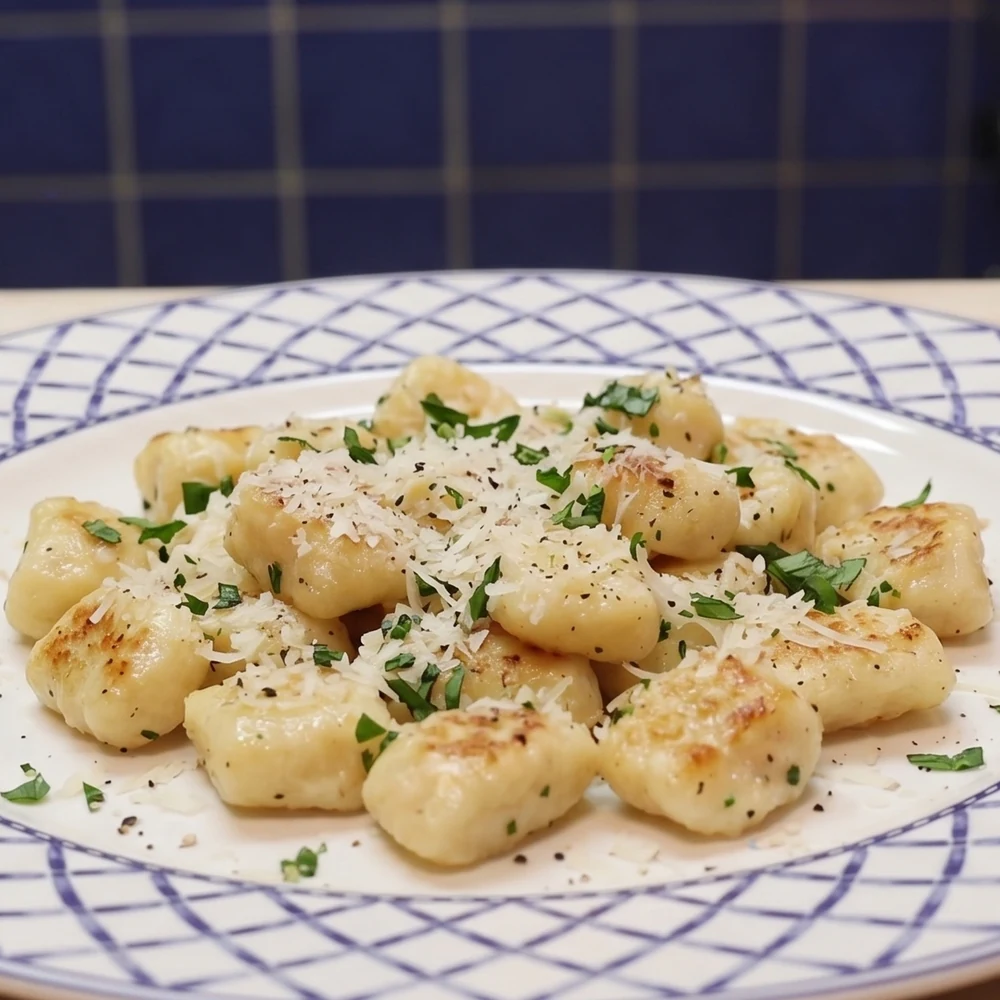
This cottage cheese gnocchi is a quick, no-potato take on soft homemade gnocchi, made with blended cottage cheese, Parmesan, egg, and just enough flour to hold the dough together. The key is to drain the cottage cheese and stop adding flour as soon as the dough feels soft and slightly tacky, because too much flour makes the gnocchi dense. Once cooked, the little pillows should be tender in the center with a delicate bite, making them an easy weeknight base for tomato sauce, garlic butter, or browned butter and herbs.
If you have been looking for gnocchi made with cottage cheese rather than ricotta or potatoes, this version keeps the ingredient list short and the shaping straightforward. I prefer to blend the cottage cheese before making the dough so the curds disappear and the finished gnocchi have a much smoother texture. Cottage cheese and Parmesan also bring plenty of richness and protein without needing a heavy cream sauce.
What Makes This Cottage Cheese Gnocchi Different
This recipe is about making the gnocchi itself with cottage cheese. It is not regular gnocchi tossed in a cottage cheese sauce.
That distinction is important. If you want a creamy pasta where cottage cheese becomes the sauce, my cottage cheese Alfredo pasta is built specifically for that. I also have creamy garlic butter chicken gnocchi made with prepared gnocchi, chicken, and a rich skillet sauce.
Here, cottage cheese replaces the potato or ricotta base. The result is quicker because there are no potatoes to boil, peel, rice, and cool.
The most important thing is moisture. Cottage cheese straight from the container can contain quite a bit of whey. If that liquid goes into the dough, you will compensate by adding more flour, and that is when gnocchi become heavy. I prefer to drain it first, blend it smooth, then add flour gradually.
Ingredients You Need
Cottage cheese: Use 2 cups of cottage cheese. Full-fat cottage cheese gives the dough a richer flavor and a softer texture. Drain off visible excess liquid before measuring the dough.
Egg: One large egg binds the cottage cheese and flour together.
Parmesan: Finely grated Parmesan seasons the dough and adds enough dry matter to help it hold its shape.
All-purpose flour: Start with less than you think you need. The exact amount can vary slightly depending on how wet the cottage cheese is.
Salt and black pepper: Keep the seasoning simple so these gnocchi can work with several different sauces.
Butter and olive oil: I like finishing the boiled gnocchi briefly in a skillet. Butter gives flavor while a little olive oil helps keep the butter from browning too quickly.
Garlic and herbs: Garlic, parsley, basil, or a mixture of fresh herbs are enough for a simple finish. For another straightforward pasta treatment, the same general flavor combination works in my garlic butter pasta with Parmesan.

How to Make Gnocchi With Cottage Cheese
1. Drain and blend the cottage cheese
Put the cottage cheese in a fine-mesh strainer for about 10 minutes and let the loose whey drain away. You do not need to squeeze it completely dry.
Transfer it to a blender or food processor with the egg. Blend just until the mixture looks creamy and the larger curds have disappeared.
What I look for here is something closer to thick ricotta than loose cottage cheese. If liquid is pooling around the mixture, the dough will require too much flour later.

2. Mix a soft dough
Transfer the blended cottage cheese mixture to a large bowl. Add Parmesan, salt, black pepper, and 1 cup of flour.
Stir gently until a shaggy dough forms. Add more flour a few tablespoons at a time only if necessary.
The dough should be soft and a little tacky, but you should be able to pick it up with lightly floured hands. Do not chase a completely dry dough. The mistake to avoid is continuing to add flour until nothing sticks at all. That usually gives you firm, floury gnocchi instead of tender ones.

3. Roll and cut the gnocchi
Lightly flour the counter. Divide the dough into four pieces.
Roll each piece into a rope about 3/4 inch thick. If the rope sticks, dust the counter and your hands with a very small amount of flour rather than kneading more flour into the dough.
Cut each rope into pieces roughly 1 inch long.
You can leave them as simple pillows, which is the fastest method, or roll each piece lightly over the back of a fork for traditional ridges. The ridges are useful when serving them with sauce, but they are not necessary.
If you enjoy making pasta dough by hand, my fresh pasta without a machine uses a different dough but many of the same principles about flour, texture, and handling.

4. Cook in gently boiling water
Bring a large pot of well-salted water to a boil, then reduce it slightly so the water is bubbling steadily rather than violently.
Cook the gnocchi in batches so they have room to move.
At first they will sink. As they cook, they will rise to the surface. Once they float, give them another 45 to 60 seconds. Remove them gently with a slotted spoon.
You know they are ready when the outside holds together cleanly but the center still feels soft when you bite into one. A hard rolling boil can knock delicate homemade gnocchi around and cause poorly formed pieces to break apart.
5. Finish them in the skillet
Heat butter and olive oil in a large skillet over medium heat. Add the cooked gnocchi in one layer.
Let them sit long enough to develop a few light golden spots before turning them. Add minced garlic during the final minute so it becomes fragrant without burning.
Finish with chopped parsley or basil, black pepper, and a little extra Parmesan.
For a softer, saucier dinner, skip the browning step and move the cooked gnocchi directly into sauce. A simple homemade tomato sauce with fresh tomatoes works particularly well because it does not overwhelm the mild cheese dough.


Choosing a Sauce
These gnocchi are mild enough that you can take them in several directions.
For the quickest version, use the garlic-butter finish from the recipe and add Parmesan at the table. For a tomato-based dinner, use a smooth marinara or fresh tomato sauce. If you like creamy pasta, look at the sauce consistency in my easy creamy tomato pasta for another option.
I would avoid burying these in an extremely thick sauce. One of the advantages of making homemade cottage cheese gnocchi is their soft texture, and a lighter coating lets that come through.
They also work well with browned butter and sage, pesto, sautéed mushrooms, wilted spinach, or simply olive oil, Parmesan, and freshly cracked pepper.
Make-Ahead and Storage
Freshly shaped gnocchi can be prepared a little ahead of dinner. Arrange the pieces in a single layer on a generously floured tray so they are not touching, then refrigerate until you are ready to cook them.
For longer storage, freeze the uncooked pieces on the tray until solid, then transfer them to a freezer container or bag. Keeping them separate during the initial freeze prevents them from becoming one solid mass.
Cook frozen gnocchi directly from frozen rather than thawing them first. Add them to the water in batches and watch for the same visual cue: they will sink first and then float as they cook.
Cooked leftovers can be refrigerated in an airtight container. Reheat them gently in a skillet with a little butter or sauce rather than boiling them again.
Substitutions
Cottage cheese: Full-fat gives the best balance of richness and body, but another cottage cheese can be used. If it contains noticeably more liquid, give it extra draining time before making the dough.
Parmesan: Pecorino Romano can replace some or all of the Parmesan, although it is saltier, so reduce the added salt accordingly.
Fresh herbs: Parsley, basil, chives, and sage all work. Choose them based on the sauce you plan to serve.
Garlic-butter finish: The skillet finish is optional. You can transfer the boiled gnocchi directly into tomato sauce, pesto, or another pasta sauce instead.
For another savory way to use the same main ingredient, a cottage cheese garlic herb dip uses cottage cheese in a completely different texture and is useful when you have part of a container left over.

FAQ
Can I substitute cottage cheese for ricotta in gnocchi?
Yes, but cottage cheese and ricotta do not have identical moisture or texture. Cottage cheese is usually curdier and can contain more free liquid, so draining and blending it first helps when using it in a ricotta-style gnocchi dough. The flour should still be added gradually rather than by assuming both cheeses will require exactly the same amount.
Do I have to blend the cottage cheese?
You can technically make the dough without blending, but the curds will remain more noticeable. Blending gives the gnocchi a smoother, more uniform interior and makes the dough easier to shape.
Why is my cottage cheese gnocchi falling apart?
The dough may be too wet, the pieces may not have been shaped firmly enough, or the water may be boiling too aggressively. Drain the cottage cheese, add enough flour for the dough to hold together, and use a steady but controlled boil.
If you are unsure about your dough, cook one test piece before cutting the entire batch. If that piece dissolves or becomes extremely soft in the water, work another tablespoon or two of flour into the remaining dough.
Why did my gnocchi turn out dense?
Usually too much flour or too much mixing. Flour is necessary for structure, but every extra handful makes the dough firmer.
Mix only until the dough comes together. Once it is soft, tacky, and shapeable, stop.
Are cottage cheese gnocchi made with potatoes?
Not this version. These are no-potato gnocchi made with cottage cheese, egg, Parmesan, and flour. That makes the preparation considerably faster than classic potato gnocchi.
Can I turn these into a cottage cheese gnocchi bake?
Yes. Boil the gnocchi first, combine them with your sauce, place everything in a baking dish, add cheese if desired, and bake just until hot and bubbling. Avoid baking them for a long time because the gnocchi are already fully cooked.
What is the best sauce for cottage cheese gnocchi?
Garlic butter, fresh tomato sauce, browned butter and sage, pesto, and light cream sauces all work. If you want something particularly cheesy, the flavors in this creamy mozzarella and Parmesan pasta give you another direction.
What to Serve With Cottage Cheese Gnocchi
Because the gnocchi themselves are soft and rich, I like something fresh or vegetable-forward alongside them.
A chickpea, cucumber, and tomato salad adds crunch and acidity next to a buttery plate of gnocchi. You can also browse these easy vegetable side dishes for pasta if you want a simple roasted or sautéed vegetable on the side.
For a larger dinner, these gnocchi can also work as a side rather than the main course. Keep the sauce simple if you are serving them beside chicken, fish, or beef.
Suggested Posts
For another cottage cheese dinner, try my creamy cottage cheese Alfredo pasta.
For another gnocchi preparation, make creamy garlic butter chicken gnocchi.
If you have cottage cheese left in the container, make a savory cottage cheese ranch dip.
For breakfast, the extra cottage cheese can go into cottage cheese breakfast toast or easy cottage cheese egg bites.
And if homemade pasta is the part you enjoy most, my fresh pasta without a machine is a good technique to try next.

Easy Cottage Cheese Gnocchi Recipe in 30 Minutes
Ingredients
- 2 cups full-fat cottage cheese
- 1 large egg
- 1/2 cup finely grated Parmesan cheese plus more for serving
- 1 teaspoon kosher salt
- 1/4 teaspoon freshly ground black pepper
- 1 cup all-purpose flour plus 1/4 to 1/2 cup as needed for the dough and dusting
- 1 tablespoon unsalted butter
- 1 tablespoon olive oil
- 1 garlic clove finely minced
- 2 tablespoons chopped fresh parsley or basil
Instructions
- Drain the cottage cheese in a fine-mesh strainer for 10 minutes. Blend it with the egg until mostly smooth.
- Transfer to a bowl and mix in Parmesan, salt, pepper, and 1 cup flour. Add more flour a few tablespoons at a time until the dough is soft, slightly tacky, and shapeable.
- Divide the dough into four pieces. On a lightly floured surface, roll each into a 3/4-inch-thick rope and cut into roughly 1-inch pieces.
- Bring a large pot of salted water to a controlled boil. Cook the gnocchi in batches until they float, then continue cooking for 45 to 60 seconds. Remove with a slotted spoon.
- Heat butter and olive oil in a skillet over medium heat. Add the cooked gnocchi and cook until lightly golden in spots. Add garlic during the final minute.
- Finish with parsley or basil, extra Parmesan, and black pepper. Serve immediately.